Skip to content

Corrective Exercise Therapy in Brentwood, Tennessee

Our corrective exercise therapy supports safer movement after injury, pain, or reduced mobility. We shape each plan around your exam findings and daily goals.

Upfront, Transparent PricingServing 18 CommunitiesMon-Fri: 9 am–7 pm, Sat: 9 am–2 pm, Sun: ClosedFast Scheduling
Corrective Exercise Therapy helps people in Brentwood build safer movement after auto accidents, workplace injuries, sports injuries, or ongoing pain. Advanced Injury Care Clinic starts with an evaluation, then selects exercises that match your condition and goals. Back pain, neck pain, sciatica, and whiplash can change how you move. We check those patterns and explain the next step before treatment begins.

What better movement can change in daily life

Exercises may help you move with greater control during work, walking, lifting, or sport.

A tailored plan gives you specific movements to practice between appointments.

Progress checks help identify when an exercise no longer fits your current needs.

What Corrective Exercise Therapy Covers

Corrective Exercise Therapy is a guided movement service that addresses strength, mobility, and movement patterns linked to pain or injury.

  • Corrective Exercise Therapy differs from spinal adjustments because it uses repeated exercises to help patients practice safer movement between visits.
  • The service supports patients in Brentwood and surrounding communities through evaluation, tailored exercises, and rehabilitation guidance.
A woman writes on a clipboard while speaking with a man seated on a gym floor
About

How corrective exercise therapy changes daily movement

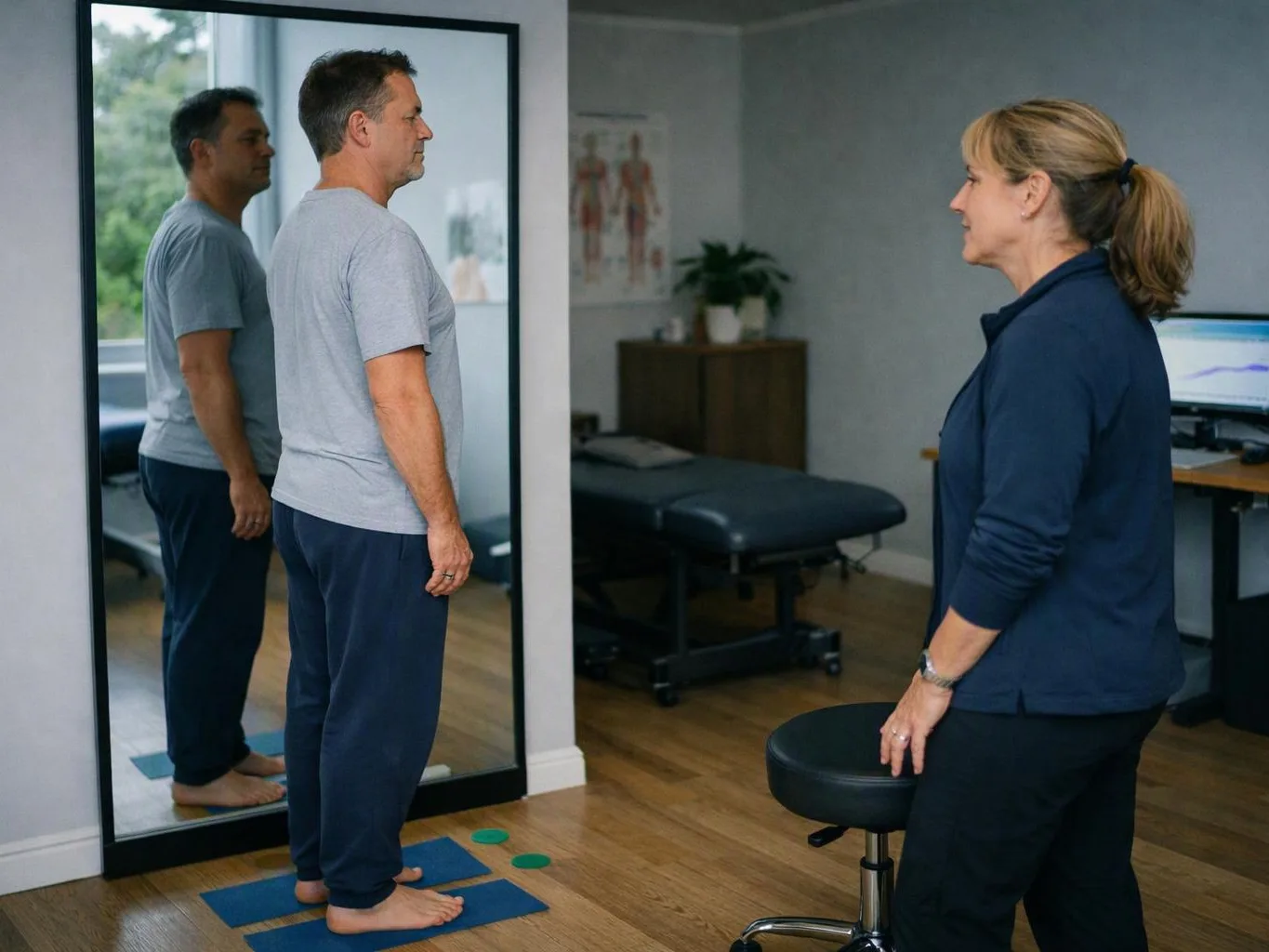
Corrective exercise therapy uses guided movements to address how your body moves after injury or pain. We may focus on mobility, strength, balance, or control based on the health history and exam. The work is not a fixed workout plan. Our team chooses exercises that fit your symptoms, goals, and current ability. We explain each movement before you begin and watch for signs that the exercise needs to change. A key risk is pushing through a pattern that keeps causing pain. We look for poor control, compensation, and symptom changes during the plan. Progress monitoring helps us adjust care when appropriate.

Process

How your movement plan is built and checked

1

Review your injury and movement concerns

We discuss your health history, symptoms, injury details, and daily goals before choosing exercises.

2

Complete a focused evaluation

We assess movement, mobility, and areas linked to back pain, neck pain, sciatica, whiplash, or sports injuries.

3

Select guided corrective exercises

Our team chooses exercises that match your current ability and explains how each movement supports your plan.

4

Watch for warning signs

We check for pain changes, compensation, poor control, and other signs that an exercise needs modification.

5

Monitor progress and update care

We review how movement affects daily function and adjust the care plan when your condition or goals change.

What to prepare before movement therapy

Bring details that help us connect your symptoms with the movements that affect them.

  • A list of current symptoms and the movements that bring them.
  • Details about any auto accident, workplace injury, or sports injury.
  • Information about exercises that helped, worsened symptoms, or felt unsafe.
  • Your daily movement goals, such as walking, lifting, work, or sport.

The Advanced Injury Care Clinic Standard

Patient Assessment

We assess movement, symptoms, and injury history before selecting exercises for corrective exercise therapy.

Personalized Care Plans

We build exercise plans around each patient’s movement limits, daily needs, and recovery goals.

Progress Monitoring

We check movement changes and symptom responses, then adjust exercises when the plan no longer fits.

Questions about movement therapy after injury

Who provides corrective exercise therapy at your clinic?

Advanced Injury Care Clinic provides corrective exercise therapy through a chiropractor-led care team. We assess your condition before recommending exercises, then develop a plan around your needs and goals. The plan may include rehabilitation guidance, soft-tissue therapy, spinal adjustments, or supportive wellness care when appropriate.

Can corrective exercise therapy help recurring back pain?

Recurring back pain may improve when movement limits, strength gaps, or compensation patterns receive focused attention. Our team evaluates how you move before selecting exercises. Results vary, so we monitor your response and adjust the plan when symptoms or movement quality change.

How does this differ from physical therapy?

Corrective exercise therapy at our clinic is part of a chiropractic care plan that may include adjustments and soft-tissue therapy. Physical therapy is a separate service type with its own clinical scope. We focus on your exam findings, movement goals, and injury-related concerns during treatment planning.

What factors in your requirements change the price of corrective exercise therapy?

The assessment needs, treatment plan, related services, and visit needs affect the cost of corrective exercise therapy. We explain the recommended care before treatment begins. Request a consultation for pricing based on your condition and the work your plan requires.

Do I need a referral before starting these exercises?

A referral is not stated as a requirement for the service. Our team begins with a health history and evaluation before recommending care. Bring any relevant injury information or medical records you have, and we’ll explain the next step after reviewing your needs.

What should I bring to my first appointment?

Your symptom history, injury details, current exercise concerns, and daily movement goals can help guide the first visit. Bring records related to an auto accident, workplace injury, or sports injury if you have them. We use the evaluation to shape your personalized care plan.

When should I stop an exercise during recovery?

Stop an exercise and discuss it with our team when it causes a new symptom, sharp pain, marked weakness, or a clear change in movement. Exercise should match your current ability. We can review the movement and decide whether it needs a different position, level, or replacement.
Contact

Ask about corrective exercise therapy in Brentwood

Are pain or movement limits affecting your daily routine? Contact Advanced Injury Care Clinic to discuss your goals and request an appointment for corrective exercise therapy.
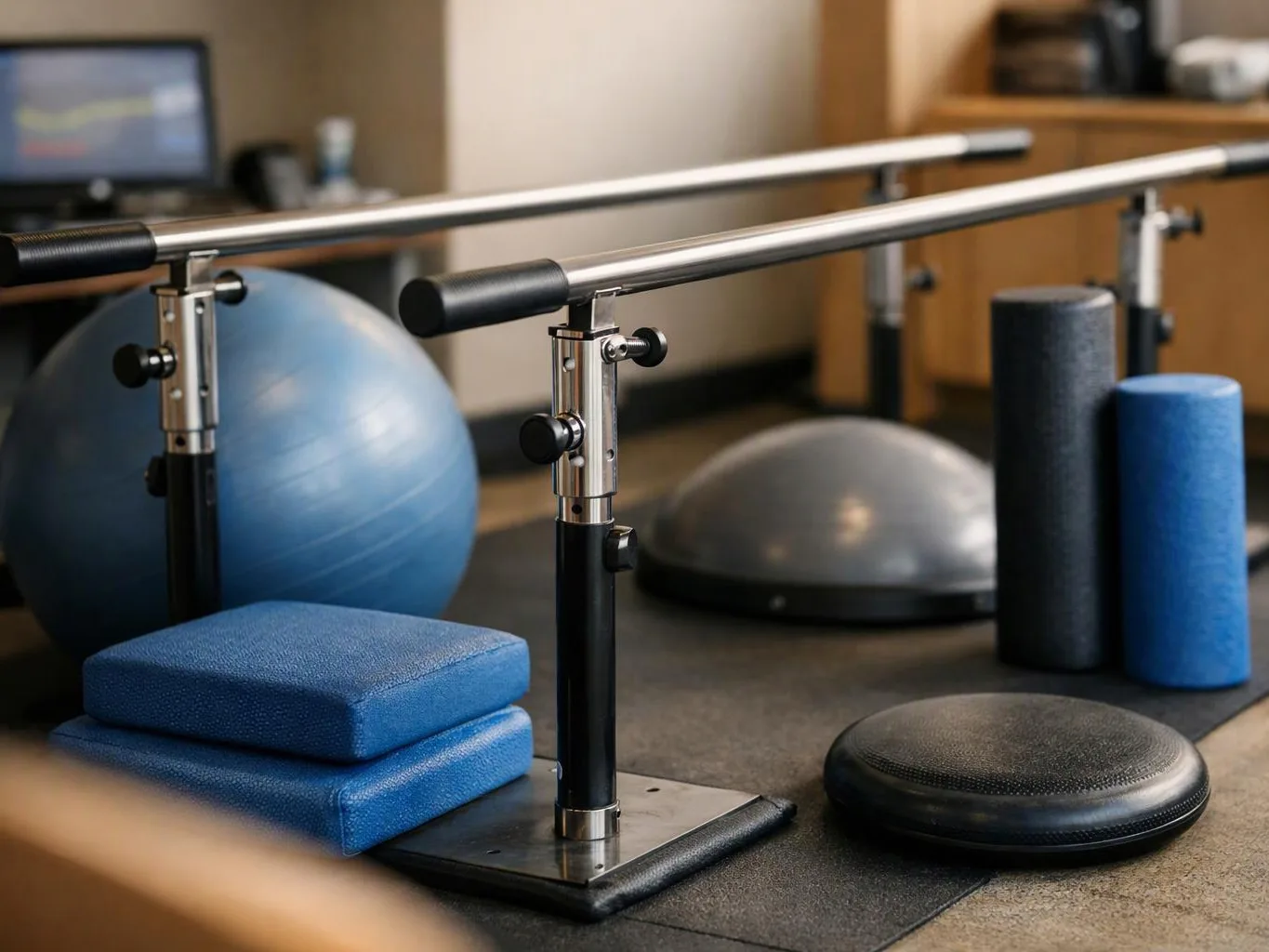
Exercise equipment with parallel bars, balance balls, foam rollers, and pads in a therapy room
Scenarios

When Customers Call Us About Corrective Exercise Therapy

1

Pain Returns During Familiar Exercises

You may feel better during rest, then notice back or neck pain when normal exercise resumes. The key issue is how your body controls the movement, not only how many repetitions you complete. Bring the troubling exercise to your consultation, and we’ll assess the pattern before recommending a safer progression.

2

Movement Changes After A Car Accident

Whiplash or back pain can make you guard one side of your body after an accident. That change may affect balance, strength, and daily tasks even when symptoms shift from day to day. We’ll review the injury history and examine movement before adding corrective exercises to your care plan.

3

Exercise Goals After A Sports Injury

Returning to sport may feel difficult when a joint or muscle still lacks control. The plan should match your current ability and the demands of your activity, so you don’t advance too quickly. Share your sport and main movement goal during the visit, and we’ll use the assessment to guide exercise choices.


Our Other Services

Massage TherapyTight muscles after exercise or an accident can limit sleep and ordinary movement. Massage therapy uses focused soft-tissue work on the neck, shoulders or lower back to ease muscle tension and improve comfort.
Chiropractic AdjustmentPatients with stiff joints or restricted movement want relief that lasts beyond a quick visit. We assess spinal motion, then use chiropractic adjustments to address joint restrictions and support easier daily movement.
Spinal Decompression TherapyPersistent leg pain or pressure around a compressed disc can make sitting and walking difficult. Spinal decompression therapy uses computer-controlled traction and measured positioning to reduce spinal loading and help restore comfortable movement.
Auto Accident Injury TreatmentAuto accident injuries can appear as whiplash, neck stiffness, back pain, or headaches after the crash. We review your symptoms and injury history, then coordinate chiropractic care, soft-tissue therapy, and exercise guidance to support safer movement during recovery.
Prenatal Chiropractic CareExpectant parents seeking comfort during pregnancy may need care for pelvic pressure or lower back pain. Prenatal chiropractic visits use gentle positioning and pregnancy-safe techniques to support easier movement as the body changes.
Pediatric Chiropractic CareGrowing children with posture concerns or movement discomfort need an approach suited to their age. Pediatric chiropractic care includes a gentle assessment of spinal alignment and mobility, with parents receiving clear next steps.

The health and wellness information on this website is for general informational purposes only and is not medical advice. It does not create a provider-patient relationship. Always consult a qualified licensed provider in Brentwood Estates, Tennessee, United States about your specific condition before making care decisions. Individual results vary.

(615) 265-0412