Skip to content

Corrective Exercise Therapy in Green Hill, Tennessee

Muscle imbalance checks guide corrective exercise therapy in Green Hill. We match exercise work to your movement limits, pain pattern, and recovery goals.

Upfront, Transparent PricingServing 18 CommunitiesMon-Fri: 9 am–7 pm, Sat: 9 am–2 pm, Sun: ClosedFast Scheduling

Quick Summary: Corrective Exercise Therapy in Green Hill, Tennessee

Corrective Exercise Therapy in Green Hill helps Advanced Injury Care Clinic support patients with recurring pain, movement limits, and injury concerns across Wilson County and the greater Nashville area. Care may include movement checks, corrective exercises, rehabilitation guidance, and supportive chiropractic treatment.

  • What we do: Advanced Injury Care Clinic provides Corrective Exercise Therapy for patients in Green Hill, Tennessee, with movement checks and rehabilitation guidance.
  • What is included: Movement assessment, corrective exercises, soft-tissue therapy, spinal adjustments, and rehabilitation guidance.
  • What you get: The patient receives a focused exercise plan that supports better movement and daily function.

Can corrective exercise therapy help recurring pain?

Yes, corrective exercise therapy may help recurring pain when movement limits or muscle imbalance contribute to the problem. The care team checks symptoms, joint movement, strength, and daily activity before choosing exercises. Results vary, so the plan is adjusted as progress is reviewed.

Corrective Exercise Therapy for Recurring Pain in Green Hill

Corrective exercise therapy gives patients a structured way to work on movement problems tied to recurring pain. Our team may assess range of motion, joint control, strength, posture, and how symptoms change during daily tasks.

The main decision is whether exercise work fits the concern. A movement plan may suit patients who need rehabilitation guidance after an accident, sports injury, workplace injury, or period of reduced activity.

This service has limits. Severe or changing symptoms need a full clinical review, and exercise therapy does not replace urgent medical care when a serious condition may be present.

  • Review the pain pattern and movements that bring symptoms back.
  • Check range of motion, strength, balance, and joint control.
  • Match exercises to current ability and stated recovery goals.
  • Discuss follow-up checks and safe home practice.
A smiling man in a blue shirt stands beside a treatment table with folded towels and colorful rolls in a calm room

Service Overview

Corrective exercise therapy is a guided movement service that addresses strength, flexibility, balance, and movement control.

  • Unlike a spinal adjustment, exercise therapy trains movement patterns and supports active rehabilitation between visits.
  • Advanced Injury Care Clinic provides this care for patients in Green Hill and surrounding Wilson County communities.

What Corrective Exercise Therapy Includes for Your Movement Goals

Advanced Injury Care Clinic provides comprehensive Corrective Exercise Therapy in Green Hill. Here's what you get:

  • A health history and movement exam help identify limits linked to recurring pain.
  • Corrective exercises address strength, flexibility, balance, and control.
  • Rehabilitation guidance explains how to practice movements safely between visits.
  • Soft-tissue therapy or spinal adjustments may support the broader care plan when appropriate.
  • Progress re-examination helps our team review movement changes and refine the plan.

What Guided Exercise Work Can Change

A focused exercise plan gives you clear actions between appointments.

Better movement control may support daily tasks that bring back discomfort.

Strength and flexibility work can support recovery after an injury.

Regular maintenance may help you keep practicing useful movement habits after active care.

Process

How We Build a Corrective Exercise Plan

1

Review your history and goals

We discuss the injury, recurring pain, daily tasks, and activity goals that shape the assessment.

2

Check movement and control

Our team reviews range of motion, strength, balance, posture, and the movements that reproduce or change symptoms.

3

Choose guided exercises

We select exercises that match your current ability and explain safe form for practice between appointments.

4

Review your response

Follow-up checks help us assess movement changes and adjust rehabilitation guidance when your needs change.

How We Approach Corrective Exercise Therapy

Movement findings guide the first plan

The first decision is fit. We use the health history and exam to choose exercises that match your current movement, strength, and symptoms. The service is not the right first step for symptoms that need urgent medical evaluation.

Active work supports hands-on care

Corrective exercise therapy gives you an active role in care. Our team may pair it with soft-tissue therapy or spinal adjustments when those services fit the findings.

Progress shapes later sessions

Your response to each movement matters. We review control, comfort, and daily function so the plan stays connected to your goals.

Choosing the Right Type of Movement Care

This comparison shows how common parts of an injury care plan serve different purposes.

Care optionMain purposeWhat the patient does
Corrective exercise therapyBuilds movement control, strength, flexibility, or balancePractices guided exercises and follows rehabilitation guidance
Spinal adjustmentsAddresses joint movement findings through hands-on chiropractic careShares symptoms and follows the care plan
Soft-tissue therapyAddresses muscle tension or restricted soft-tissue movementReports comfort and movement changes during care

The Advanced Injury Care Clinic Standard

  • Patient Assessment
  • Personalized Care Plans
  • Clear Treatment Explanations
  • Progress Monitoring

Questions About Guided Exercise for Recurring Pain

How is exercise therapy matched to my movement before work starts?

Movement testing matches exercises to your current strength, flexibility, balance, and control. Our team reviews your health history and observes tasks linked to your symptoms. The plan starts with movements you can perform safely, then changes as your response and goals become clearer.

What should be ready before the first exercise visit?

Your health history, symptom details, and activity goals help prepare for the first visit. Bring information about the injury, movements that worsen symptoms, and activities you want to resume. Our team uses that context with the exam to shape safe rehabilitation guidance.

Which treatments may support corrective exercises?

Soft-tissue therapy and spinal adjustments may support corrective exercises when the exam shows a good fit. Our team chooses the combination from your symptoms, movement findings, and goals. Exercise remains active work that you practice, while hands-on care addresses other findings when appropriate.

When should recurring pain receive a full assessment?

Recurring pain deserves a full assessment when it limits movement, returns during daily tasks, or follows an accident or injury. Our team reviews the pattern before recommending exercise work. Sudden or severe symptoms need prompt medical attention instead of waiting for a routine exercise consultation.

Why might home stretches fail to change recurring pain?

Home stretches may fail when they do not match the movement problem or the person’s current ability. Guided exercise work links each movement to exam findings and daily goals. Our team can review form, control, and symptom response before changing the exercise plan.

What should I ask before agreeing to exercise therapy?

Ask which movement finding the exercises address and how progress will be reviewed. Our team can explain the assessment, the role of other treatments, and the practice guidance for home use. You should also discuss symptoms that would require medical evaluation before active exercise begins.
Contact

Discuss Corrective Exercise Therapy in Green Hill

Get a focused review of recurring pain, movement limits, and exercise goals. Advanced Injury Care Clinic offers free consultations to discuss the right next step.

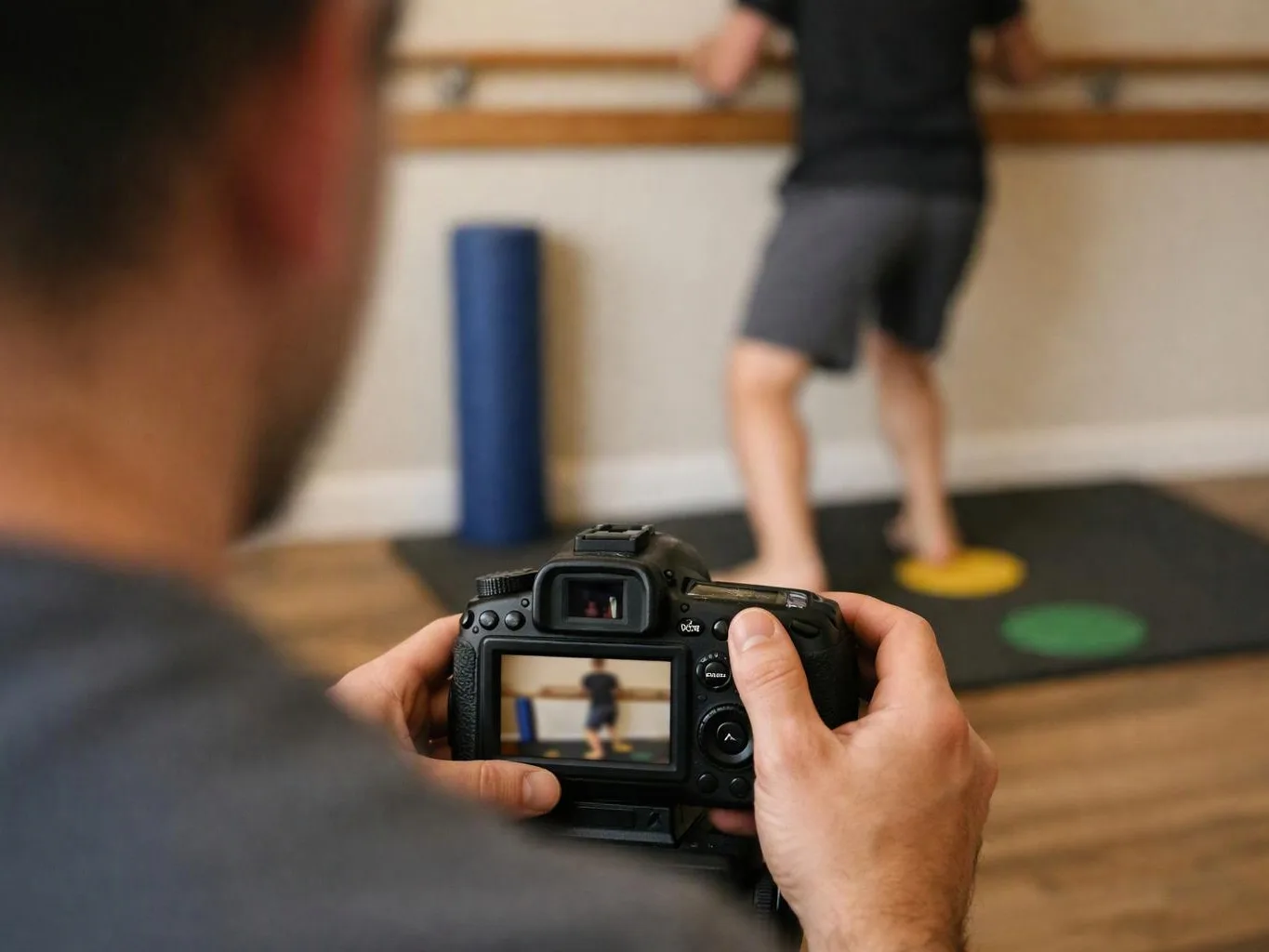
A person holds a camera, filming a barefoot man standing on colored floor markers in a studio room

Corrective Exercise Therapy in Other Areas

The health and wellness information on this website is for general informational purposes only and is not medical advice. It does not create a provider-patient relationship. Individual results vary.

(615) 265-0412