Skip to content

Corrective Exercise Therapy in Pegram, Tennessee

Fitness level guides safe exercise choices in Pegram, so we match each movement to your current tolerance and goals. Our team builds care around how you move today.

Upfront, Transparent PricingServing 18 CommunitiesMon-Fri: 9 am–7 pm, Sat: 9 am–2 pm, Sun: ClosedFast Scheduling

Quick Summary: Corrective exercise therapy in Pegram, Tennessee

Corrective Exercise Therapy in Pegram is provided by Advanced Injury Care Clinic for movement limits linked to accidents, pain, and sports injuries. The service includes an evaluation, personalized exercises, and rehabilitation guidance across Pegram and the greater Nashville area.

  • What we do: Advanced Injury Care Clinic provides Corrective Exercise Therapy for people in Pegram, Tennessee who need structured exercise guidance after pain or injury.
  • What is included: Injury evaluations, personalized exercise plans, spinal adjustments, soft-tissue therapy, and rehabilitation guidance.
  • What you get: Corrective Exercise Therapy gives the customer a focused exercise plan that supports better movement and everyday function.

Why does my back pain return after I exercise in Pegram, Tennessee?

Recurring back pain can reflect movement limits, poor exercise tolerance, or an injury that needs review. A chiropractor examines your history, movement, and symptoms before selecting corrective exercises. Seek prompt medical care for severe weakness, loss of bladder or bowel control, or sudden numbness.

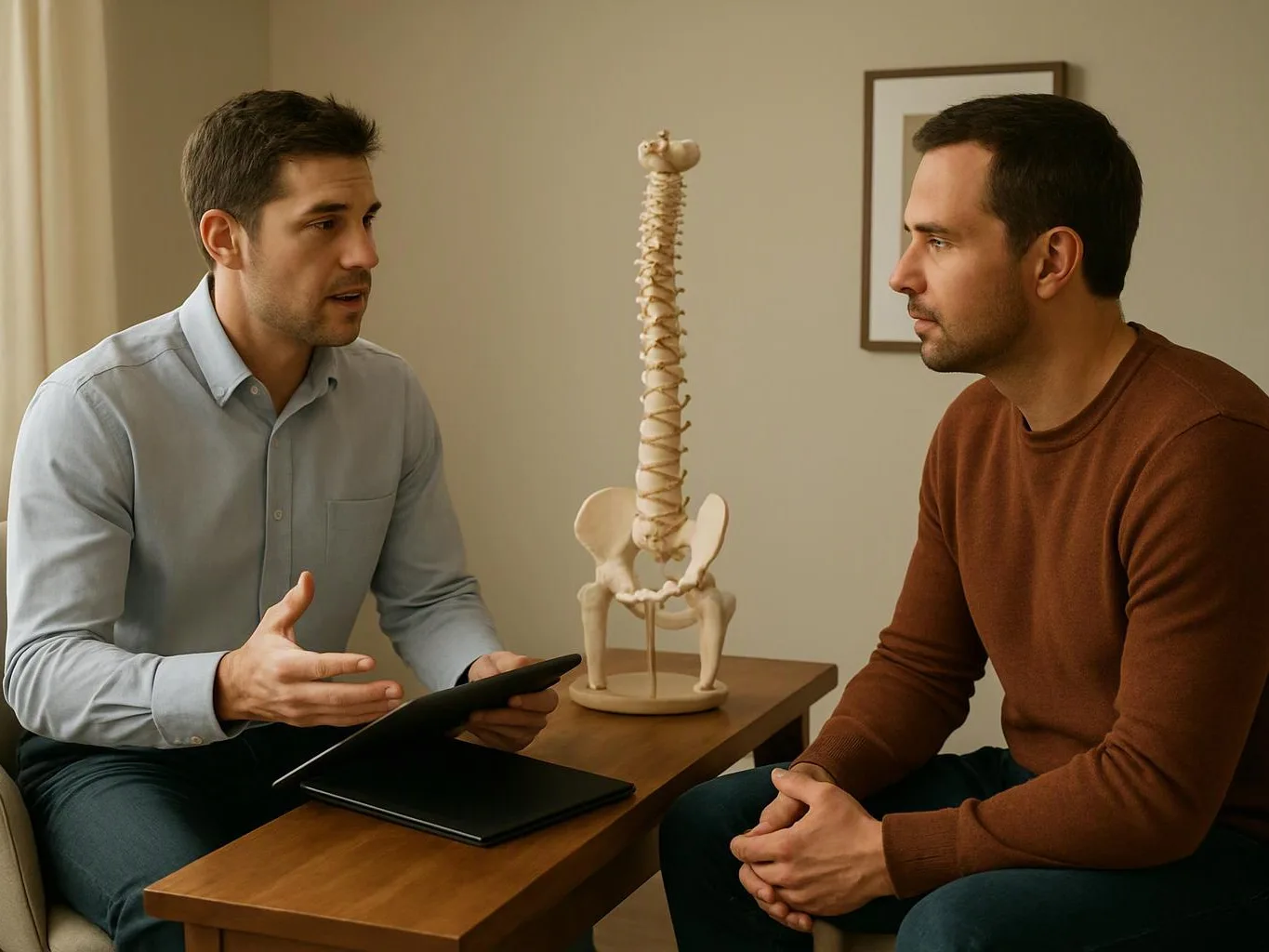
Corrective Exercise Therapy for Movement Goals in Pegram, Tennessee

Corrective exercise therapy gives patients a structured way to practice movements that fit their symptoms and goals. We use it for people dealing with back pain, neck pain, whiplash, sciatica, headaches, and sports-related injuries.

The central decision is fit. A movement that suits one patient may irritate another, so our team reviews exercise tolerance before setting the plan. We also consider whether an adjustment, soft-tissue therapy, or rehabilitation guidance should support the exercise work.

This service is for guided movement care, not a substitute for urgent evaluation after a serious injury. Severe weakness, sudden numbness, or loss of bladder or bowel control needs prompt medical attention.

  • Review the injury history and current movement limits.
  • Set exercises around individual goals and exercise tolerance.
  • Pair active movement with adjustments or soft-tissue therapy when appropriate.
  • Use follow-up checks to review progress and adjust the plan.
A folded white towel sits beside a teal cushion on a light green upholstered surface

Service Overview

Corrective Exercise Therapy is a guided movement service that uses targeted exercises to support joint motion, strength, and daily function.

  • Unlike a spinal adjustment, corrective exercise focuses on active movement you perform, while soft-tissue therapy works on muscles and related tissues.
  • We provide this care for people in Pegram as part of individualized chiropractic treatment plans.

What Guided Exercise Can Change for Daily Movement

A focused exercise plan gives you a clear way to work on movement limits.

Active practice may help you move with greater comfort during daily tasks.

Exercise guidance connects treatment to goals such as walking, lifting, or returning to sport.

Progress checks help keep the plan aligned with your response to care.

The work can support recovery after auto accidents, workplace injuries, and sports-related injuries.

What Corrective Exercise Therapy Includes for Your Movement Goals

Advanced Injury Care Clinic provides comprehensive Corrective Exercise Therapy in Pegram. Here's what you get:

  • A health history and physical evaluation guide the exercise plan.
  • We select movements that match your current exercise tolerance.
  • Exercises address movement limits linked to pain, injury, or reduced function.
  • We explain how each movement supports your stated goal.
  • Rehabilitation guidance helps you practice the plan safely between visits.
  • Progress re-examination helps us decide whether the plan needs adjustment.
Process

How We Build and Review Your Exercise Plan

1

Review your health history

We begin with a new patient intake, health history, and exam. The review covers symptoms, injury details, movement limits, and your main goal.

2

Check movement and tolerance

We observe how you move and identify exercises that fit your current tolerance. Pain, stiffness, strength, and control guide the starting point.

3

Set the guided exercise plan

We choose active movements that relate to your daily function or sport. The plan may include rehabilitation guidance and supportive chiropractic treatments.

4

Practice each movement

We explain the purpose and form of each exercise. You learn what the movement should feel like and which symptoms require a pause.

5

Review progress and adjust

A progress re-examination checks how your movement and symptoms respond. We adjust the plan when your goals, tolerance, or findings change.

What to Check Before Choosing Guided Exercise Care

Exercise fit starts with an evaluation

Your symptoms, health history, and movement patterns guide the first plan. We do not select exercises from a generic list.

Goals shape the treatment plan

Individual goals help us choose movements that relate to daily function, sport, work, or recovery. The plan can change as your tolerance changes.

Progress needs a clear review

A progress re-examination helps us assess movement and decide what should change. Results vary, and corrective exercise is the wrong service for symptoms that need urgent medical evaluation first.

Choosing Active Exercise or Supportive Chiropractic Care

These options can serve different parts of a treatment plan, so the evaluation guides the choice.

Care optionMain focusWhen it may fit
Corrective exercise therapyActive movement and exercise toleranceWhen guided movement supports a patient’s goals
Spinal adjustmentsHands-on chiropractic care for joint motionWhen the evaluation supports adjustment care
Soft-tissue therapyMuscles and related soft tissuesWhen tissue tension affects movement

The Advanced Injury Care Clinic Standard

  • Patient Assessment
  • Personalized Care Plans
  • Clear Treatment Explanations
  • Progress Monitoring

Questions About Guided Exercise and Chiropractic Care

How are corrective exercise programs customized to my fitness level?

Fitness level guides the exercise choice, starting load, and movement range. Advanced Injury Care Clinic reviews your goals, symptoms, health history, and exercise tolerance first. We then select movements that match your current ability. Progress re-examinations help us change the plan as your movement and response develop.

What should be ready before corrective exercise therapy starts?

Your symptom history and main movement goal should be ready before care starts. Bring details about the injury, activities that cause trouble, and any current treatment information. Our team uses that information during the health history and exam, then checks whether guided exercise fits your needs.

Which symptoms mean exercise should pause?

New severe weakness, sudden numbness, or loss of bladder or bowel control means exercise should pause and urgent medical care should begin. Worsening pain also deserves prompt review. Our team can reassess ordinary soreness, stiffness, and movement limits during a planned chiropractic visit.

When should I ask about corrective exercise after an auto accident?

Ask about corrective exercise after an evaluation identifies safe movements for your injury. Whiplash, back pain, and neck pain can change exercise tolerance after a crash. We review the accident history, movement, and symptoms before pairing active exercises with adjustments or soft-tissue therapy.

Why might exercises change during my treatment plan?

Exercise plans change when your goals, movement, symptoms, or tolerance change. A progress re-examination gives our team current information for that decision. We may adjust the movement, range, or level of guidance so the plan stays connected to daily function.

How does corrective exercise differ from physical therapy?

Corrective exercise therapy at our clinic is part of an individualized chiropractic care plan. We may pair active movement with spinal adjustments, soft-tissue therapy, and rehabilitation guidance. The right choice depends on your evaluation, symptoms, goals, and the type of care your condition requires.
Contact

Discuss Corrective Exercise Therapy in Pegram

Start with an evaluation of your movement, symptoms, and individual goals. Advanced Injury Care Clinic will explain the proposed care before you decide whether to proceed.

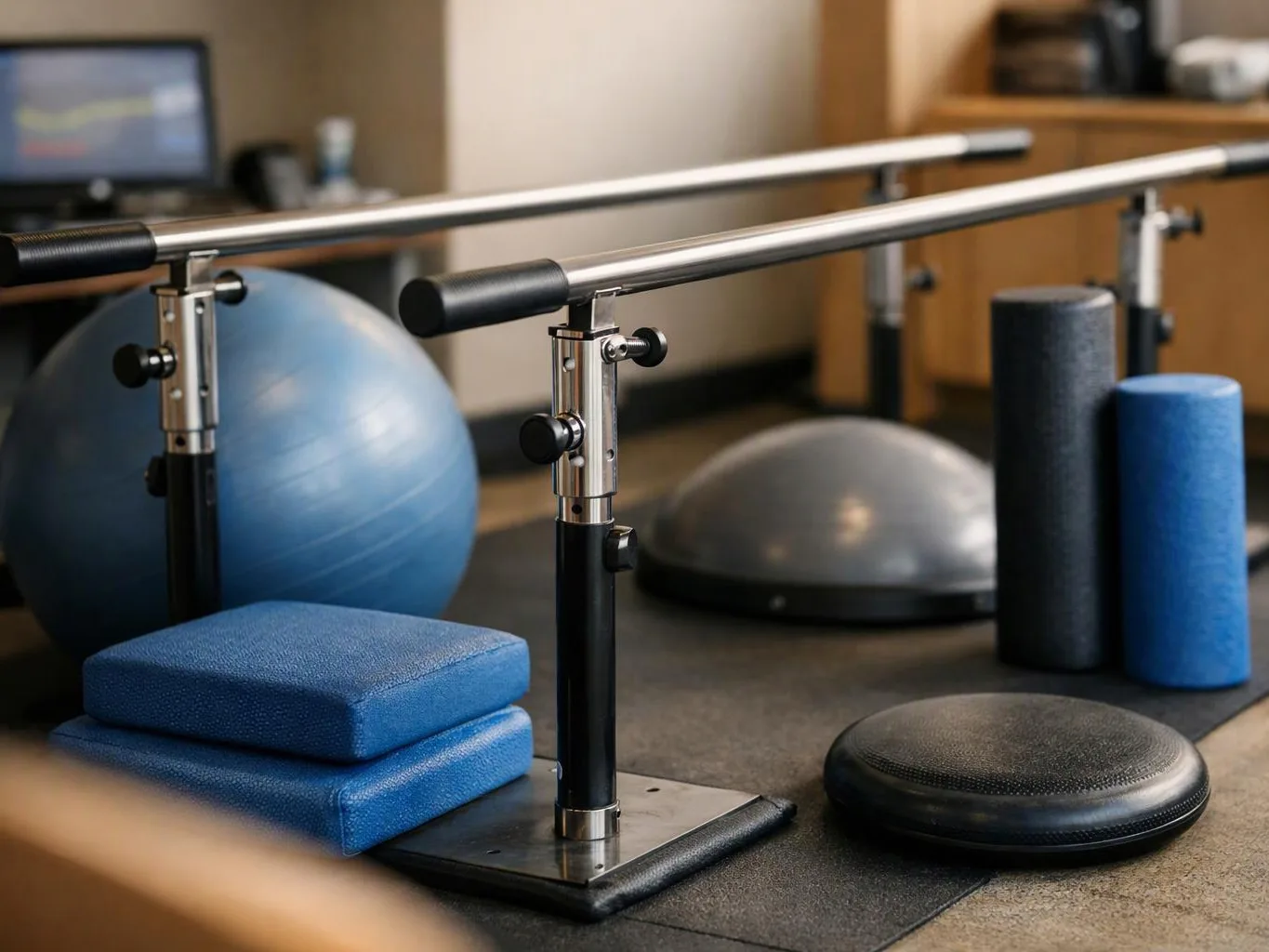
Exercise equipment with parallel bars, balance balls, foam rollers, and pads in a therapy room

ZIP Codes We Serve in Pegram, Tennessee

37143

Corrective Exercise Therapy in Other Areas

The health and wellness information on this website is for general informational purposes only and is not medical advice. It does not create a provider-patient relationship. Individual results vary.

(615) 265-0412