Skip to content

Corrective Exercise Therapy in Lakewood, Tennessee

Injury prevention starts with a safe movement plan in Lakewood. We assess pain, balance, and control before choosing corrective exercises for your goals.

Upfront, Transparent PricingServing 18 CommunitiesMon-Fri: 9 am–7 pm, Sat: 9 am–2 pm, Sun: ClosedFast Scheduling

Quick Summary: corrective exercise therapy in Lakewood, Tennessee

Corrective Exercise Therapy in Lakewood is provided by Advanced Injury Care Clinic for recurring pain, movement dysfunction, and muscle imbalance. Care includes an evaluation, guided exercises, and rehabilitation support across Brentwood, Williamson County, and the greater Nashville area.

  • What we do: Advanced Injury Care Clinic provides Corrective Exercise Therapy in Lakewood, Tennessee through movement assessment, guided exercises, and rehabilitation guidance.
  • What is included: Key capabilities include health history review, movement assessment, corrective exercises, soft-tissue therapy, spinal adjustments, and progress re-examination.
  • What you get: The patient receives a focused exercise plan that supports better movement and daily function.

Can corrective exercise therapy help recurring pain?

Yes, corrective exercise therapy may help recurring pain when movement dysfunction or muscle imbalance contributes to the problem. An evaluation helps identify the movements that increase strain. Results vary, so the plan must match your symptoms, goals, and response to care.

Corrective Exercise Therapy for recurring pain in Lakewood

Corrective exercise therapy focuses on the movement pattern behind a recurring problem. It may fit people with back pain, neck pain, sciatica, headaches, whiplash, or sports-related injuries when an exam supports active rehabilitation.

The work includes more than handing you a list of stretches. We check how you move, which muscles take over, and whether a joint or soft tissue area limits control. A personalized treatment plan then links each exercise to your daily goals.

The key decision is whether active exercise fits your current condition. Severe or changing symptoms need an appropriate medical assessment before exercise begins. Our chiropractor-led care team can discuss the findings and explain when corrective work is suitable.

  • Review the health history and current symptoms before exercise begins.
  • Check movement control, joint motion, balance, and muscle use.
  • Match exercises to your goals and ability to perform them safely.
  • Discuss how spinal adjustments, soft-tissue therapy, or rehabilitation guidance may fit.
  • Use follow-up findings to adjust the plan when needed.
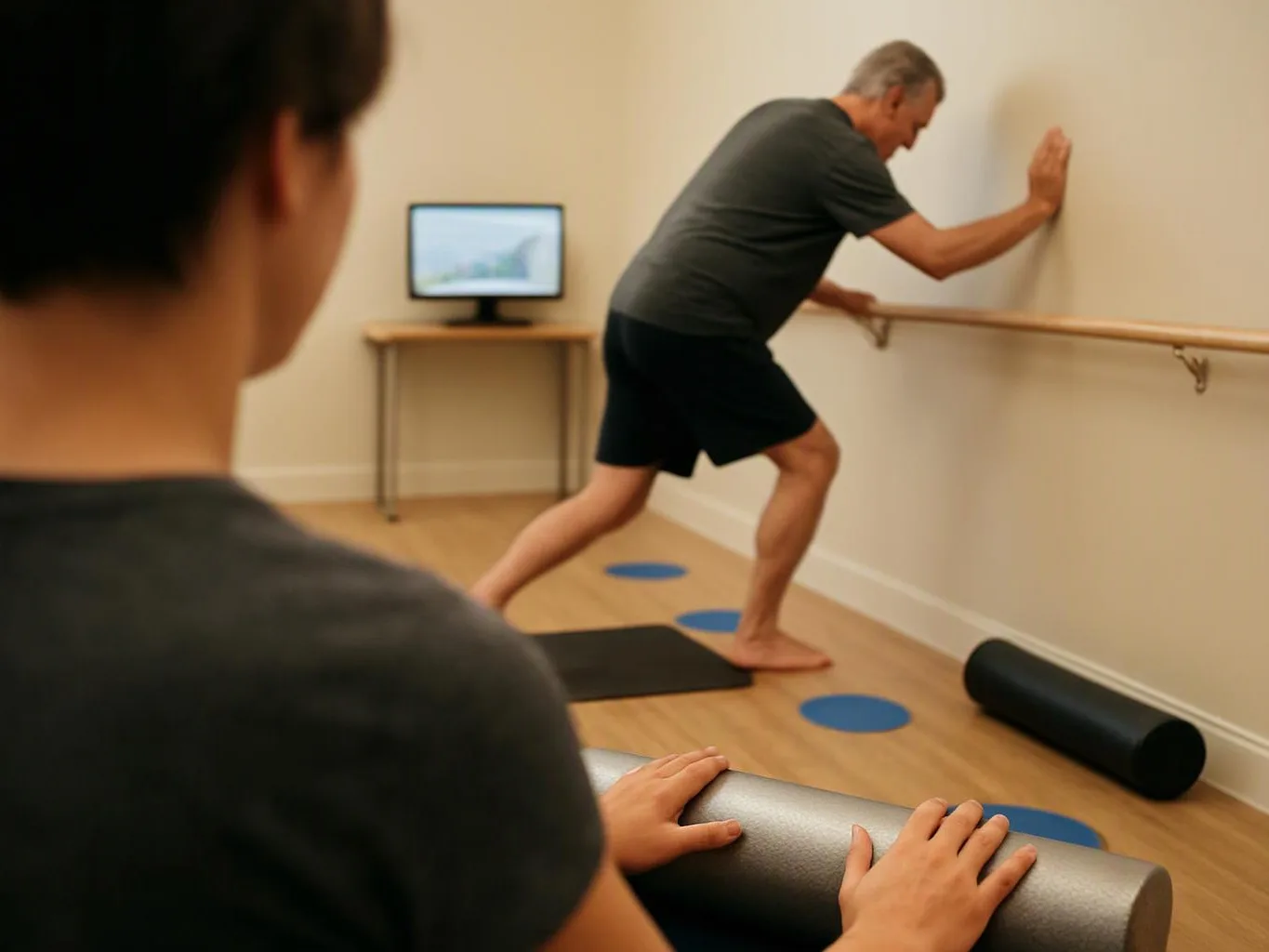
An older man stretches against a wall bar while another person watches in a small exercise room

Service Overview

Corrective Exercise Therapy is a guided care method that uses targeted movements to address strength, balance, and movement control.

  • It differs from spinal adjustments because exercises help you practice movement between visits, while adjustments focus on joint motion.
  • Our team provides this care for patients in Lakewood and the surrounding Brentwood, Williamson County, and greater Nashville area.

What corrective exercise therapy includes for recurring pain

Advanced Injury Care Clinic provides comprehensive Corrective Exercise Therapy in Lakewood. Here's what you get:

  • A thorough evaluation connects your symptoms with movement and function.
  • Guided exercises address control, strength, flexibility, or balance as appropriate.
  • Soft-tissue therapy may support movement when muscle tension limits exercise.
  • Rehabilitation guidance shows how to perform selected movements safely.
  • Progress re-examination checks how your movement responds to care.
  • Wellness maintenance guidance may support regular movement after active care.

What you get from a focused exercise plan

Assessment before exercise selection

Movement testing comes before exercise choice. We look at joint motion, muscle control, balance, and symptom behavior so the plan fits your needs.

Care connected to your daily goals

The exercises relate to work, sport, walking, lifting, or other tasks that matter to you. Our patient-centered treatment plans keep those goals in view.

A clear limit on active exercise

Corrective exercise therapy is not the right first step for every symptom. New severe pain, sudden weakness, or other concerning changes need an appropriate medical assessment before exercise planning.

Process

How we build and review your exercise plan

1

Review your injury and health history

The new patient intake covers your symptoms, injury history, daily activities, and treatment goals.

2

Assess movement and muscle control

We examine joint motion, balance, strength, and the movements that bring on recurring pain.

3

Choose guided corrective movements

The personalized treatment plan selects exercises that match your findings, ability, and focused goals.

4

Add supportive hands-on care

Spinal adjustments or soft-tissue therapy may support movement when the evaluation shows a need.

5

Review progress and adjust care

A progress re-examination helps us decide whether to change exercises or discuss regular maintenance.

What changes when movement becomes more controlled

Targeted exercises may help you move with greater comfort during daily tasks.

Better movement control can reduce strain on areas that keep working too hard.

A clear plan gives you practical steps between appointments.

Exercise guidance supports recovery after auto accidents, workplace injuries, and sports-related injuries.

Regular maintenance may help you keep working toward your movement goals after active symptoms settle.

Exercise care and hands-on chiropractic care

These approaches can address different parts of a movement problem, and an evaluation helps determine the right mix.

Care approachMain focusHow it may fit
Corrective exercise therapyActive movement controlBuilds practice between visits when exercise suits the condition
Spinal adjustmentsJoint motionMay support movement when restricted joint motion is part of the findings
Soft-tissue therapyMuscle tension and soft tissueMay help movement when tight tissue limits exercise

The Advanced Injury Care Clinic Standard

  • Patient Assessment
  • Personalized Care Plans
  • Clear Treatment Explanations
  • Progress Monitoring

Questions about recurring pain and guided exercise

Can injury prevention help if pain keeps returning?

Injury prevention may help recurring pain when movement dysfunction or muscle imbalance contributes to symptoms. Our chiropractor-led care team reviews your history and movement first. The plan may include guided exercises, soft-tissue therapy, or spinal adjustments. Individual response differs, and care is adjusted when findings change.

What should I ask before agreeing to corrective exercise therapy?

A patient should ask what the assessment found, which movements the plan targets, and how progress will be reviewed. The care plan should also explain whether hands-on treatment is included. We discuss suitability, goals, free consultations, and upfront pricing before treatment starts.

Which condition changes the time needed for recurring pain care?

The condition that most changes the care plan is the patient’s current movement limit and response to exercise. Pain after an accident, muscle weakness, restricted joint motion, or poor balance can each affect the work required. We assess those findings before recommending a plan.

How is exercise matched to my condition before care starts?

Exercise is matched through a health history, physical examination, and movement assessment. We look at symptom behavior, joint motion, balance, and muscle control. The plan then uses movements that fit your goals and current ability, with review during follow-up care.

What should I bring to my first appointment?

Your health history and a clear description of your symptoms help us begin the evaluation. Bring information about an auto accident, workplace injury, sports injury, or prior care when it applies. We use those details with the exam to guide treatment planning.

Can spinal adjustments and exercises be used together?

Spinal adjustments and corrective exercises can be combined when the evaluation supports both methods. Adjustments address joint motion, while exercises build active control between visits. Soft-tissue therapy or rehabilitation guidance may also fit the plan when muscle tension or movement limits are present.

Who provides corrective exercise therapy for these injuries?

Advanced Injury Care Clinic provides corrective exercise therapy for accident-related injuries, pain, and mobility concerns. Our chiropractor-led care team begins with a comprehensive injury evaluation. We then explain the findings and discuss a patient-centered treatment plan.
Contact

Discuss corrective exercise therapy in Lakewood

Lakewood patients can request a free consultation about recurring pain, movement dysfunction, or muscle imbalance. Advanced Injury Care Clinic offers upfront pricing and can explain the next assessment step.

A hand holds a blue adhesive strip with backing paper above scissors on a wooden table

The health and wellness information on this website is for general informational purposes only and is not medical advice. It does not create a provider-patient relationship. Individual results vary.

(615) 265-0412