Skip to content

Corrective Exercise Therapy in Forest Hills, Tennessee

A poorly matched recovery plan can keep movement patterns from improving in Forest Hills. We provide licensed, patient-centered care with free consultations and upfront pricing.

Upfront, Transparent PricingServing 18 CommunitiesMon-Fri: 9 am–7 pm, Sat: 9 am–2 pm, Sun: ClosedFast Scheduling

Quick Summary: corrective exercise therapy in Forest Hills, Tennessee

Corrective Exercise Therapy in Forest Hills is provided by Advanced Injury Care Clinic for injury-related pain and mobility concerns across Williamson County and the greater Nashville area. Care includes an evaluation, guided exercises, rehabilitation guidance, and corrective movement work.

  • What we do: Advanced Injury Care Clinic provides Corrective Exercise Therapy for Forest Hills, Tennessee patients with injury-related pain and movement concerns.
  • What is included: Key capabilities include injury evaluations, warm-ups, guided exercises, form coaching, soft-tissue therapy, and rehabilitation guidance.
  • What you get: The customer receives a movement plan that addresses current limits and supports better daily function.

Why does pain return during exercise after an injury?

Pain can return when movement patterns remain limited after an injury. Corrective exercises help assess control, strength, and form so treatment can address the movement problem.

Corrective exercise therapy for recovery planning in Forest Hills

Corrective exercise therapy fits people who need help restoring movement after an auto accident, workplace injury, sports injury, or other incident. The work focuses on the movement limits that affect daily tasks, not only the painful area.

Our team begins with a thorough evaluation and health history. We check how you move, where control breaks down, and which exercises fit your current condition. A chiropractor-led care team then explains the treatment plan and the role of home movement.

This service is not a substitute for urgent medical care when symptoms suggest a serious condition. We use corrective exercise alongside spinal adjustments, soft-tissue therapy, and rehabilitation guidance when those services fit your needs.

  • Discuss the injury, symptoms, and daily movements that feel difficult.
  • Check mobility, movement control, and exercise form during the evaluation.
  • Match guided exercises to your current ability and treatment goals.
  • Review safe practice and follow-up needs before you continue at home.
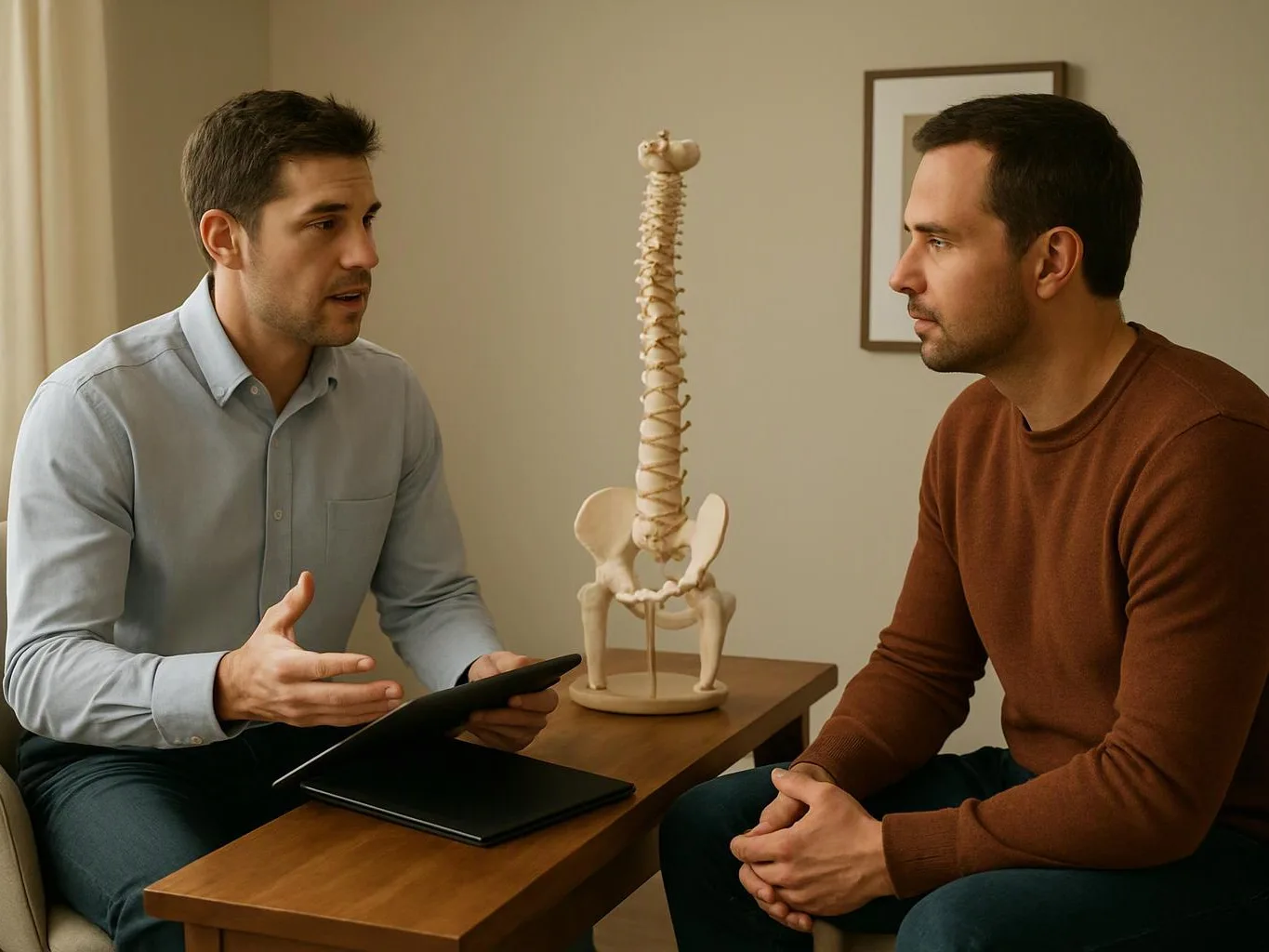
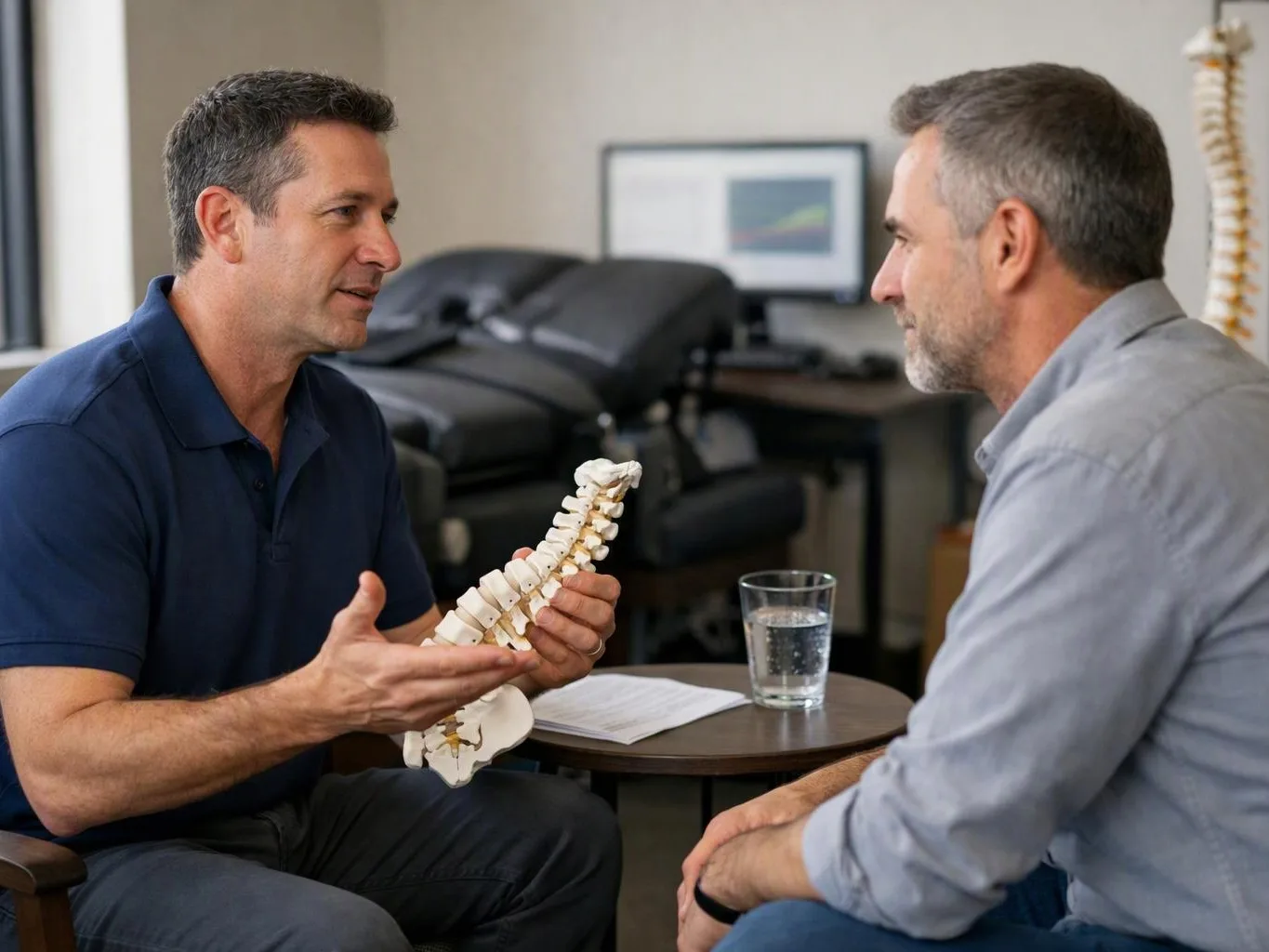
Two men talk in a clinic room, one holding a spine model beside an exam table

Service Overview

Corrective exercise therapy is a guided treatment that uses specific movements to support mobility, control, and daily function.

  • Unlike a spinal adjustment, it focuses on how you move and how your body performs each exercise.
  • We provide this care for people in Forest Hills and throughout Williamson County and the greater Nashville area.

What guided movement can change

Corrective exercises may help you move with greater comfort during daily tasks.

Form coaching gives you clear movement cues to use during treatment and home practice.

A focused plan can support recovery after whiplash, back pain, neck pain, or sports injuries.

Regular maintenance may help you keep practicing sound movement after active treatment ends.

Individual response differs, so your plan is adjusted to your goals and findings.

Process

How we guide each exercise session

1

Review the injury and movement goal

We discuss your health history, symptoms, daily limits, and recovery goals before choosing exercises.

2

Check mobility and movement control

The evaluation looks at range of motion, control, balance, and form during relevant movements.

3

Start with a guided warm-up

A warm-up prepares the body and gives us more information about how you move.

4

Practice exercises with form coaching

We guide each movement and adjust the exercise when your form or control needs support.

5

Review home movement guidance

Rehabilitation guidance explains how to practice suitable movements and when to discuss changes with us.

Why this approach fits movement-focused care

Movement findings guide the plan

Your exercise plan follows the evaluation, symptoms, and movement limits found during care. The goal is to match each exercise to your present ability.

Form gets direct attention

Small changes in posture, balance, or control can affect an exercise. We coach your form so you understand what the movement should feel like.

Know when another service fits

Corrective exercise therapy is not the right first step for every symptom. Severe or urgent concerns need appropriate medical assessment before exercise planning.

What your movement treatment includes

Advanced Injury Care Clinic provides comprehensive Corrective Exercise Therapy in Forest Hills. Here's what you get:

  • A thorough injury evaluation identifies movement limits related to pain or reduced mobility.
  • A warm-up prepares the body for guided movement and helps reveal areas that need attention.
  • Guided exercises target control, mobility, and function within your treatment plan.
  • Form coaching shows you how to perform each movement with better control.
  • Rehabilitation guidance connects clinic exercises with safe daily movement.
  • A progress re-examination checks how your movement needs have changed.

How movement services differ

These services address different parts of injury care, so the evaluation helps determine the right fit.

ServiceMain focusTypical role in care
Corrective exercise therapyMovement control and exercise formGuided practice for mobility and daily function
Spinal adjustmentsJoint movement and spinal functionA manual treatment option when findings support it
Soft-tissue therapyMuscles and related tissuesA treatment option when tightness or tenderness affects movement

The Advanced Injury Care Clinic Standard

  • Patient Assessment
  • Personalized Care Plans
  • Clear Treatment Explanations
  • Progress Monitoring

Questions about guided movement care

What should I expect during corrective exercise therapy?

A recovery plan starts with an injury evaluation, followed by a warm-up, guided exercises, and form coaching. We review your health history and movement goals first. Then we watch how you move and choose exercises that fit your current ability. Rehabilitation guidance explains how the selected movements support daily function and recovery.

How is exercise matched to my condition before treatment starts?

Exercise selection follows your health history, symptoms, movement control, and treatment goals. The evaluation checks which motions feel limited or difficult. We then choose movements that fit those findings and adjust form during practice. Individual response differs, so the plan can change after a progress re-examination.

What should I have ready before the first visit?

Your injury history, current symptoms, and main movement goals help us prepare for the first visit. Bring relevant medical records or imaging if you have them. A list of activities that worsen symptoms can also help. The new patient intake and health history guide the evaluation.

Which exercises may follow an auto accident injury?

Exercises after an auto accident depend on the injury findings and your current movement control. Whiplash, back pain, and neck pain can need different movement choices. We begin with an evaluation and may combine guided exercises with spinal adjustments, soft-tissue therapy, or rehabilitation guidance.

When should I ask about form coaching?

Form coaching is useful when pain, weakness, or poor control changes how you perform a movement. We watch the exercise and give simple cues that address posture, balance, or control. Forest Hills patients can discuss these concerns during a consultation before a treatment plan is set.

Why might corrective exercises be paired with chiropractic care?

Corrective exercises address movement practice, while chiropractic care may address joint or soft-tissue concerns found during evaluation. Spinal adjustments and soft-tissue therapy can support the broader plan when appropriate. We explain which services fit your findings before treatment begins.

What should I ask before agreeing to treatment?

Ask which movement problem the plan addresses and how progress will be checked. You can also ask which exercises you will practice, what form cues matter, and when the plan will be reviewed. Our team explains the evaluation, treatment options, and upfront pricing before care starts.
Contact

Discuss corrective exercise therapy in Forest Hills

Advanced Injury Care Clinic offers free consultations, upfront pricing, and licensed care for movement concerns after injury. Schedule a consultation to discuss your goals and next steps.

A quiet waiting room has beige chairs, a water cooler, a potted plant, and soft wall lights

Corrective Exercise Therapy in Other Areas

The health and wellness information on this website is for general informational purposes only and is not medical advice. It does not create a provider-patient relationship. Always consult a qualified licensed provider in Brentwood Estates, Tennessee, United States about your specific condition before making care decisions. Individual results vary.

(615) 265-0412