Skip to content

Corrective Exercise Therapy in Hermitage, Tennessee

Progress monitoring guides exercise changes for patients in Hermitage. We match each plan to your goals, fitness level, and exercise tolerance.

Upfront, Transparent PricingServing 18 CommunitiesMon-Fri: 9 am–7 pm, Sat: 9 am–2 pm, Sun: ClosedFast Scheduling

Quick Summary: corrective exercise therapy in Hermitage, Tennessee

Corrective Exercise Therapy Hermitage care is provided by Advanced Injury Care Clinic for movement limits, pain, and injury recovery across the surrounding area. Care begins with a thorough evaluation and may include corrective exercises, spinal adjustments, soft-tissue therapy, and rehabilitation guidance.

  • What we do: Advanced Injury Care Clinic provides Corrective Exercise Therapy for Hermitage patients with movement limits, injury-related pain, and mobility concerns.
  • What is included: Evaluation, corrective exercises, soft-tissue therapy, spinal adjustments, and rehabilitation guidance.
  • What you get: Your exercise plan is matched to your goals, fitness level, and exercise tolerance.

How are corrective exercise therapy programs customized for Hermitage patients?

Progress monitoring customizes corrective exercise therapy by tracking movement, comfort, exercise tolerance, and response to each activity.

Corrective exercise therapy for movement progress in Hermitage, Tennessee

Corrective exercise therapy focuses on how your body moves during daily tasks, sports, and recovery. It fits patients with back pain, neck pain, sciatica, whiplash, or other mobility concerns.

The key decision is whether guided exercise matches your current condition. Our team reviews your health history and exam findings before choosing movements, then checks exercise tolerance as your plan develops.

This service doesn't replace care for an urgent medical problem. Severe or sudden symptoms need prompt medical attention before exercise begins.

  • Your health history and movement limits are reviewed before exercises are selected.
  • Individual goals guide the choice and order of corrective movements.
  • Exercise tolerance is checked as activities are introduced or changed.
  • Rehabilitation guidance connects clinic exercises with safe daily movement.
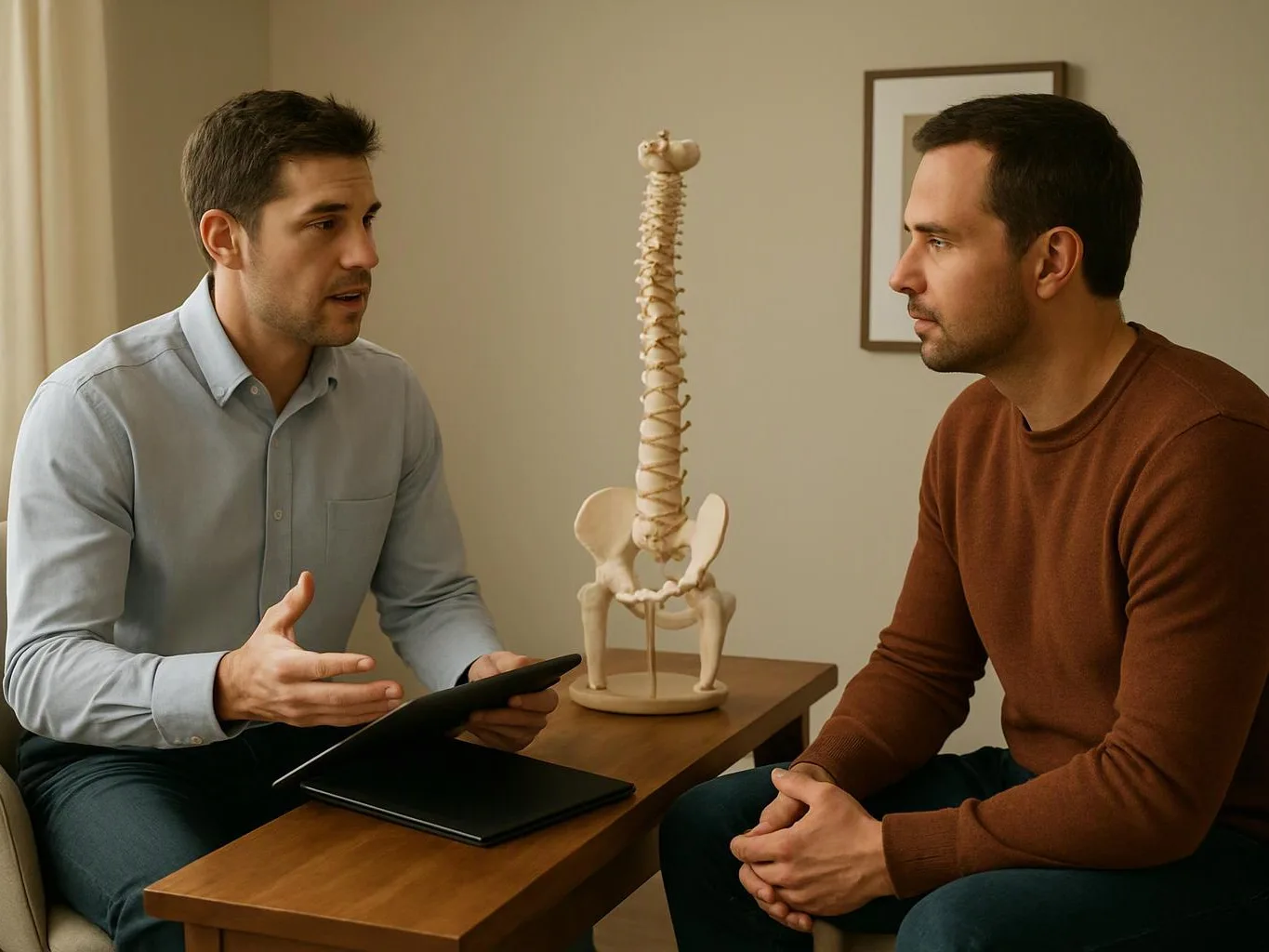
A man and woman sit at a table talking, with a spine model and notebook in a bright room

Service Overview

Corrective Exercise Therapy is a guided care method that uses specific movements to support mobility, strength, and daily function.

  • Corrective exercises differ from spinal adjustments because they train movement patterns while adjustments address joint motion.
  • Advanced Injury Care Clinic provides this care for patients in Hermitage and the surrounding area.

What your corrective exercise plan includes

Advanced Injury Care Clinic provides comprehensive Corrective Exercise Therapy in Hermitage. Here's what you get:

  • A thorough evaluation identifies pain patterns, mobility limits, and movement concerns.
  • Corrective exercises are selected around your individual goals and current fitness level.
  • Guidance explains how to perform each movement with controlled form.
  • Exercise tolerance is reviewed before activities are advanced or changed.
  • Soft-tissue therapy or spinal adjustments may support the broader care plan when appropriate.
  • Rehabilitation guidance helps connect clinic work with everyday movement.
Process

How we customize your movement plan

1

Review your health history

We discuss the injury, symptoms, activity limits, and goals that shape your care.

2

Check movement and tolerance

A thorough evaluation examines mobility and how your body responds to selected movements.

3

Choose guided exercises

We select corrective exercises that match your fitness level, goals, and current ability.

4

Track progress and adjust

Progress monitoring helps us change exercises when your movement, comfort, or tolerance changes.

5

Connect care with daily life

Rehabilitation guidance shows how controlled movement can support work, home tasks, and other goals.

What to consider before choosing guided corrective exercise

Goals shape the exercise choice

Your individual goals help guide which movements we select and how we explain them. The plan should fit what you need to do each day.

Fitness level sets the starting point

Current fitness level affects how we introduce each exercise. We use your movement findings and exercise tolerance to set a suitable starting point.

The evaluation sets the limit

Corrective exercise therapy isn't the right first step for every symptom. Severe, sudden, or unexplained symptoms need medical assessment before guided exercise.

What guided exercise can change for your daily movement

Focused movements may help you move with greater comfort during routine tasks.

A plan built around your fitness level gives you a clearer starting point.

Exercise checks help identify movements that increase strain or discomfort.

Regular maintenance may help you keep useful movement habits after active care.

Individual goals keep the plan tied to the activities you want to resume.

How related care services differ

These services address different parts of movement and injury care.

Care typeMain focusWhen it may fit
Corrective exercise therapyGuided movement and exercise toleranceMobility limits and recovery goals
Spinal adjustmentsJoint motionFindings that support adjustment-based care
Soft-tissue therapyMuscle and soft-tissue concernsTissue limits that affect movement

The Advanced Injury Care Clinic Standard

  • Patient Assessment
  • Personalized Care Plans
  • Clear Treatment Explanations
  • Progress Monitoring

Questions about guided exercise and injury recovery

How does progress monitoring customize a corrective exercise plan?

Progress monitoring customizes the plan by tracking movement, comfort, exercise tolerance, and response to each activity. Advanced Injury Care Clinic uses those findings to adjust exercise choice and guidance. Your individual goals remain part of each decision, so the plan stays connected to the tasks and activities you want to manage.
What should I bring to the first assessment?

Your health history, injury details, symptom changes, and current activity limits help us start the assessment. Bring any records that explain the incident or prior care if you have them. A clear list of movements that worsen or ease symptoms also helps shape the first discussion.

Which part of the body decides the exercise scope?

The affected body area, movement limits, and related symptoms help decide the exercise scope. Back pain, neck pain, sciatica, whiplash, and sports injuries may require different movement choices. Our team links those findings with your goals before we set the exercise plan.

Why might soft-tissue therapy accompany corrective exercises?

Soft-tissue therapy may accompany exercises when muscle or soft-tissue limits affect movement. The treatment addresses those concerns while guided exercises build control and tolerance. We decide whether both services fit after reviewing your examination findings and response to movement.

When should I pause an exercise and contact the clinic?

Pause an exercise when it causes sharp, worsening, or unusual symptoms, then contact the clinic for guidance. Exercise discomfort and injury symptoms don't always mean the same thing. Severe or sudden symptoms need prompt medical attention before you continue a home activity.

Which material changes how long corrective exercise therapy takes?

Your exercise tolerance changes how quickly activities can be added or adjusted. A low tolerance may call for simpler movements and closer checks, while stronger tolerance can support more demanding work. We don't set a fixed timeline because each plan follows the evaluation and your response.

How can I tell whether guided exercise fits my needs?

A thorough evaluation shows whether guided exercise fits your symptoms, movement limits, and goals. Advanced Injury Care Clinic reviews your health history and physical findings before selecting activities. The service may fit injury recovery and mobility concerns, but urgent or unexplained symptoms need medical assessment first.
Contact

Discuss corrective exercise therapy in Hermitage

Advanced Injury Care Clinic can discuss your symptoms, goals, and exercise concerns. After you reach out, we'll review the next assessment step and explain what information will help us plan your visit.

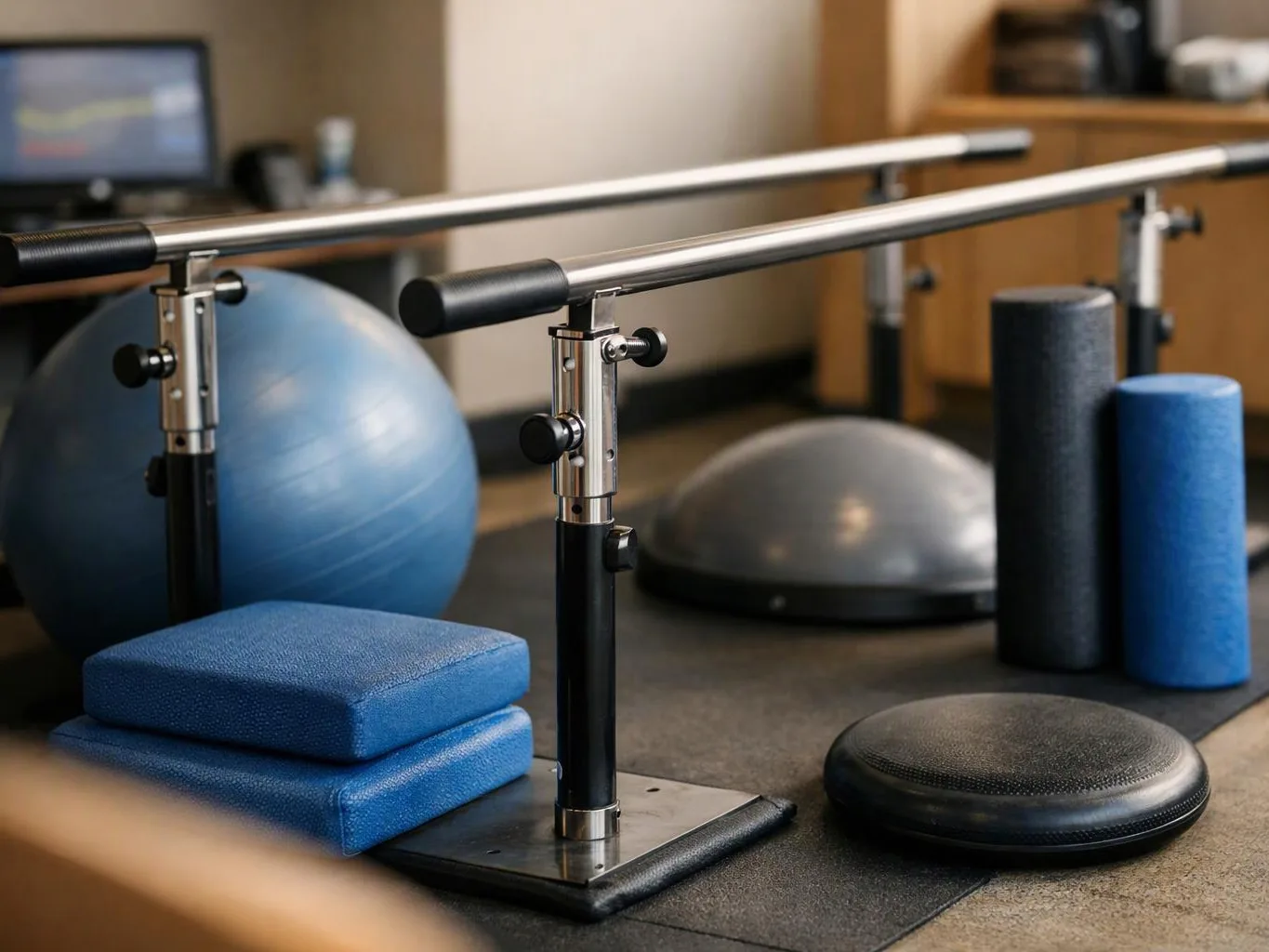
Exercise equipment with parallel bars, balance balls, foam rollers, and pads in a therapy room

ZIP Codes We Serve in Hermitage, Tennessee

37076

The health and wellness information on this website is for general informational purposes only and is not medical advice. It does not create a provider-patient relationship. Individual results vary.

(615) 265-0412