Skip to content

Massage Therapy in Brentwood, Tennessee

Our massage therapy supports care for muscle tension, injury-related discomfort, and movement concerns. We tailor each visit to your health goals and clinical needs.

Upfront, Transparent PricingServing 18 CommunitiesMon-Fri: 9 am–7 pm, Sat: 9 am–2 pm, Sun: ClosedFast Scheduling
Massage Therapy at Advanced Injury Care Clinic supports patients in Brentwood with muscle tension, back pain, neck pain, whiplash, and mobility concerns. We begin with an evaluation, then choose soft-tissue work that fits your condition and goals. Our care may support chiropractic adjustments, corrective exercises, or rehabilitation guidance. We explain the plan before treatment and adjust care as your response changes.

What patients want massage therapy to improve

Less muscle tension during daily movement.

Better comfort around affected soft tissue.

A clearer plan for combining hands-on care with corrective exercises.

Support for recovery after accident-related or sports-related injuries.

What Massage Therapy Covers

Massage therapy is hands-on soft-tissue care that addresses muscle tension, discomfort, and movement limits.

  • Massage therapy differs from chiropractic adjustments because it focuses on muscle and soft-tissue treatment, while adjustments target spinal or joint movement.
  • Our local clinic combines massage therapy with injury evaluations when a patient’s symptoms involve the spine, joints, and muscles.
A man in a blue shirt writes on a clipboard in a simple exam room
About

How massage therapy fits injury and mobility care

Massage therapy uses hands-on soft-tissue work to address muscle tension and discomfort. We may use it for patients with whiplash, back pain, neck pain, headaches, sciatica, or sports-related injuries. The first step is a health history and exam. We review the symptoms, the injury context, and your movement goals before discussing treatment. Massage therapy may support a broader plan that includes spinal adjustments, corrective exercises, or rehabilitation guidance. Massage therapy does not replace an injury evaluation when symptoms involve the spine, joints, or possible nerve irritation. Our team checks the wider pattern so care matches the problem, not only the sore spot. Individual response differs, and we monitor progress as care continues.

Process

What happens during a massage therapy visit

1

Review your symptoms and history

We discuss the injury, pain pattern, movement limits, and health history. This gives us useful context before hands-on care begins.

2

Check the related movement

We assess the affected area and nearby joints or muscles. The check helps us decide whether soft-tissue care fits your current needs.

3

Explain the treatment plan

We clearly explain the planned massage therapy and any related care before treatment starts. You can ask questions about the purpose of each step.

4

Provide focused soft-tissue care

We apply hands-on massage therapy to the areas selected during the assessment. The treatment stays tied to your symptoms and goals.

5

Review progress and next steps

We discuss your response after treatment and monitor progress during care. Follow-up may include corrective exercises or other guidance when appropriate.

What to prepare before hands-on care

A few details about your symptoms help us plan a safer, more focused visit.

  • Bring your symptom history: Note where discomfort starts, what movement changes it, and whether an accident or sports activity preceded it.
  • Share current health details: Tell us about relevant conditions, recent injuries, and care you already receive so we can assess suitability.
  • Wear easy-to-move clothing: Choose clothing that supports comfortable movement during the health history and exam.
  • List your movement goals: Think about the daily activity you want to perform with greater comfort, such as work, exercise, or normal household tasks.

The Advanced Injury Care Clinic Standard

Patient Assessment

We assess each patient’s symptoms, movement, and injury history before recommending hands-on soft-tissue care.

Personalized Care Plans

We shape massage therapy plans around each patient’s condition, movement goals, and response to treatment.

Clear Treatment Explanations

We explain the planned hands-on procedures and related care before beginning treatment.

Questions about hands-on muscle and soft-tissue care

Who provides massage therapy at Advanced Injury Care Clinic?

Advanced Injury Care Clinic provides massage therapy within its chiropractic injury care setting. We assess symptoms and movement before treatment, then explain how hands-on soft-tissue care fits the patient’s goals. Massage therapy may support care for whiplash, back pain, neck pain, sciatica, or sports-related injuries.

What changes the cost of a massage therapy visit?

The treatment focus, affected areas, injury complexity, and related care needs influence the cost of a visit. We discuss the planned service and provide pricing information during the consultation. The owner also offers Free Consultations, so you can discuss fit before treatment.

How does massage therapy differ from a chiropractic adjustment?

Massage therapy focuses on muscles and soft tissue, while a chiropractic adjustment targets spinal or joint movement. Some patients may receive both when the evaluation supports that plan. We explain the role of each service before beginning care.

Can massage therapy help after an auto accident?

Massage therapy may support soft-tissue care after an auto accident, including whiplash-related muscle tension. The injury evaluation comes first because symptoms may involve joints, the spine, or irritated nerves. We use the findings to decide whether massage therapy fits the broader plan.

What should I expect during my first visit?

The first visit includes a health history and exam before hands-on treatment. We review your symptoms, injury context, movement concerns, and goals. We then explain a personalized care plan and any related services, such as corrective exercises or rehabilitation guidance.

Can massage therapy address back and neck pain together?

Massage therapy can address related muscle tension in the back and neck when the evaluation supports that approach. We assess both areas and review how movement connects them. Our team may coordinate soft-tissue care with spinal adjustments or exercises when appropriate.

When should I ask about recurring soreness?

Recurring soreness deserves an assessment when it keeps limiting movement or returns after activity. We review the symptom pattern, health history, and related joints or muscles. That information helps us decide whether massage therapy alone fits or whether broader care is needed.

Key Points About Massage Therapy

  • Massage therapy focuses on muscles and soft tissue.
  • We assess symptoms and movement before hands-on care.
  • Whiplash and sports injuries may need broader evaluation.
  • Corrective exercises may support movement goals.
  • Individual response guides follow-up care.
Contact

Discuss massage therapy in Brentwood

Your first deliverable is a focused consultation about symptoms, movement, and treatment fit. Advanced Injury Care Clinic can then explain massage therapy and related care for your goals.
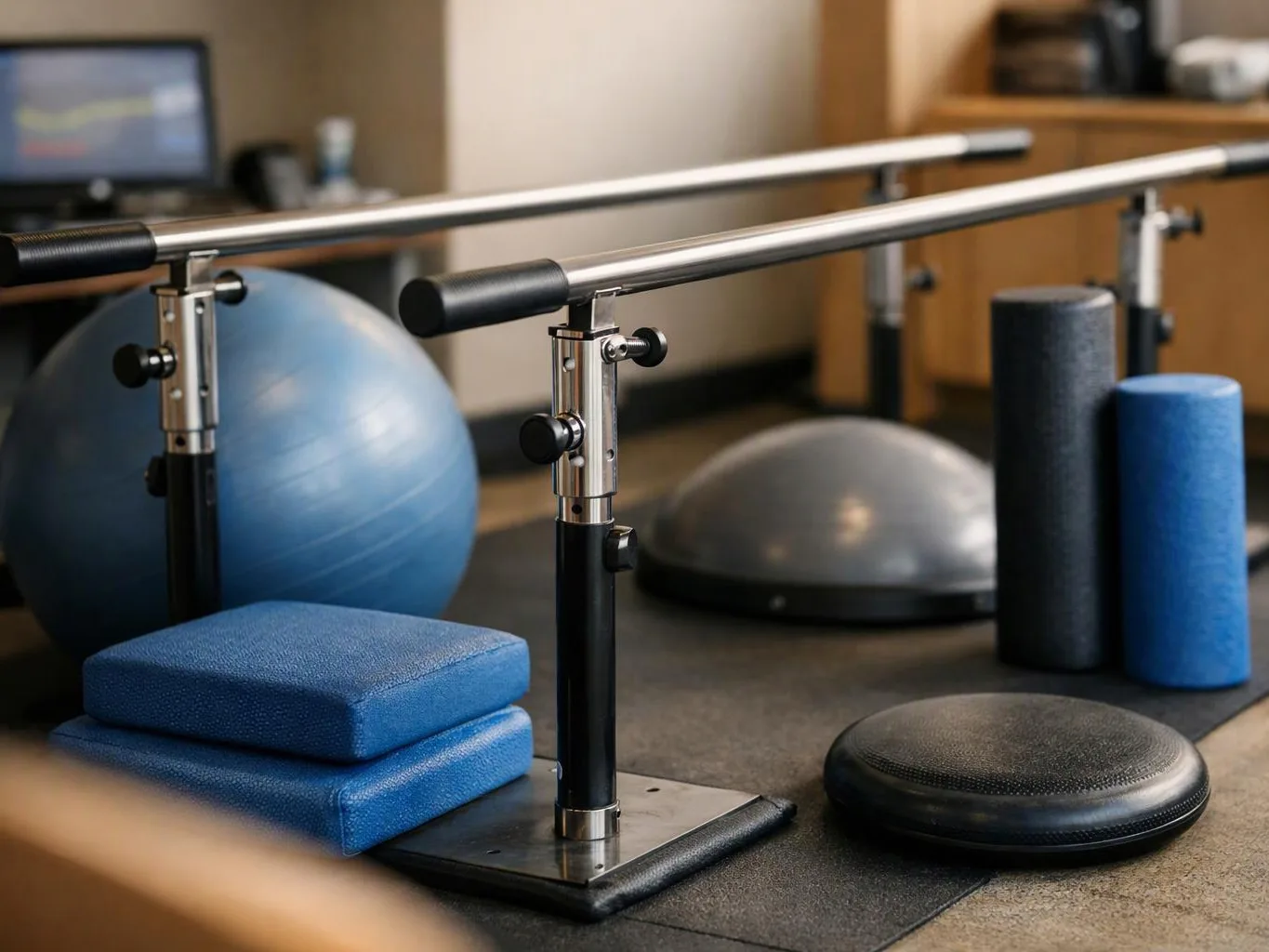
Exercise equipment with parallel bars, balance balls, foam rollers, and pads in a therapy room
Scenarios

When Customers Call Us About Massage Therapy

1

Tension after an auto accident

Neck and shoulder tightness can appear after whiplash, even when the first concern feels mild. The treatment choice depends on the injury history, movement limits, and nearby soft tissue. Bring those details to the visit so we can assess the area before hands-on care and decide whether massage therapy fits the broader plan.

2

Back pain affecting daily movement

Back tension may make sitting, walking, or normal tasks harder. Massage therapy can address soft-tissue discomfort, but the spine and related movement also need review. We’ll discuss your symptoms, assess your movement, and explain whether hands-on care should sit beside corrective exercises or other treatment.

3

Soreness after sports activity

Sports-related soreness can involve more than one muscle group, especially when movement patterns change after strain. Your goals and symptom pattern guide the assessment. Schedule a visit so we can review the affected area, discuss suitable care, and set realistic expectations for follow-up.


Our Other Services

Chiropractic AdjustmentPatients with stiff joints or restricted movement want relief that lasts beyond a quick visit. We assess spinal motion, then use chiropractic adjustments to address joint restrictions and support easier daily movement.
Spinal Decompression TherapyPersistent leg pain or pressure around a compressed disc can make sitting and walking difficult. Spinal decompression therapy uses computer-controlled traction and measured positioning to reduce spinal loading and help restore comfortable movement.
Auto Accident Injury TreatmentAuto accident injuries can appear as whiplash, neck stiffness, back pain, or headaches after the crash. We review your symptoms and injury history, then coordinate chiropractic care, soft-tissue therapy, and exercise guidance to support safer movement during recovery.
Prenatal Chiropractic CareExpectant parents seeking comfort during pregnancy may need care for pelvic pressure or lower back pain. Prenatal chiropractic visits use gentle positioning and pregnancy-safe techniques to support easier movement as the body changes.
Pediatric Chiropractic CareGrowing children with posture concerns or movement discomfort need an approach suited to their age. Pediatric chiropractic care includes a gentle assessment of spinal alignment and mobility, with parents receiving clear next steps.
Postural CorrectionDesk workers with forward head posture or rounded shoulders often notice neck strain by day’s end. Postural correction examines standing alignment and movement habits, then adds targeted guidance to help you sit and move with less strain.

The health and wellness information on this website is for general informational purposes only and is not medical advice. It does not create a provider-patient relationship. Always consult a qualified licensed provider in Brentwood Estates, Tennessee, United States about your specific condition before making care decisions. Individual results vary.

(615) 265-0412