Skip to content

Corrective Exercise Therapy in Berry Hill, Tennessee

Assessing movement dysfunction in Berry Hill helps us link recurring pain with daily movement patterns. Free Consultations give you time to discuss your goals before care begins.

Upfront, Transparent PricingServing 18 CommunitiesMon-Fri: 9 am–7 pm, Sat: 9 am–2 pm, Sun: ClosedFast Scheduling

Quick Summary: Corrective Exercise Therapy in Berry Hill, Tennessee

Corrective exercise therapy in Berry Hill is provided by Advanced Injury Care Clinic for pain, mobility concerns, and injury recovery. Care includes an evaluation, individualized exercises, and rehabilitation guidance for patients in Berry Hill, Brentwood, and the greater Nashville area.

  • What we do: Advanced Injury Care Clinic provides corrective exercise therapy for patients in Berry Hill, Tennessee.
  • What is included: Key capabilities include movement assessment, corrective exercises, soft-tissue therapy, and rehabilitation guidance.
  • What you get: The patient receives a focused exercise plan that supports safer movement and daily function.

Why does recurring pain keep returning during normal movement?

Recurring pain can continue when movement habits, muscle imbalance, or an unresolved injury keeps stressing the same area. An evaluation helps identify the pattern and guide the next care step.
Corrective Exercise Therapy for Movement Dysfunction in Berry Hill

Corrective exercise therapy addresses the movement patterns that may add stress to painful areas. It can fit people with back pain, neck pain, sciatica, whiplash, sports injuries, or reduced mobility.

The key decision is whether guided exercise fits your current condition and goals. Our team checks your health history, movement, symptoms, and injury concerns before choosing exercises. Some patients may also need spinal adjustments, soft-tissue therapy, or further medical care.

This page focuses on recurring pain and movement dysfunction, not a fixed exercise routine for everyone. Free Consultations let you discuss your concerns and learn which assessment step fits your needs.

  • Review recurring pain, injury history, and daily movement demands.
  • Check mobility, strength, balance, and movement control.
  • Match exercises to the patient’s goals and current tolerance.
  • Discuss whether spinal adjustments or soft-tissue therapy may support the plan.
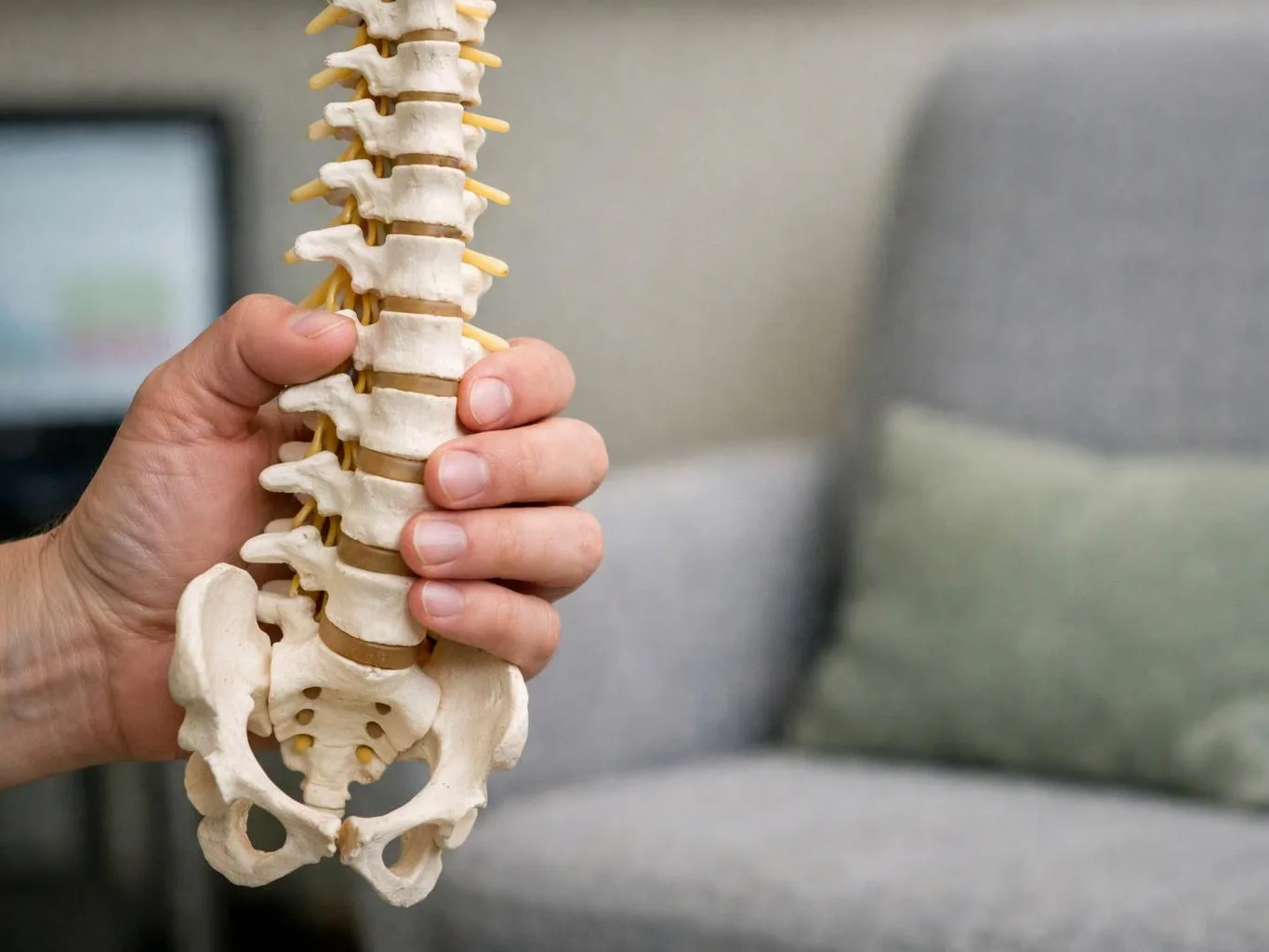
A hand holds a plastic spine model upright in front of a gray couch with a green pillow

Service Overview

Corrective exercise therapy is a guided care method that uses targeted movements to support mobility, strength, and control.

  • It differs from spinal adjustments because exercises help you practice movement between visits, while adjustments focus on joint motion.
  • Our team provides this care for patients in Berry Hill, Brentwood, and the greater Nashville area.

A situation this service fits

A person working or living in Berry Hill may notice recurring neck or back pain during sitting, lifting, or sport. We assess movement and symptom patterns, then discuss whether corrective exercises, chiropractic care, or another referral best fits the concern.

How We Approach Recurring Pain and Exercise Care

Start with a movement assessment

Movement patterns, joint motion, and symptom behavior guide the first exercise choices. Exercises are changed when your response or goals change.

Connect exercises with daily function

We relate each movement to tasks such as walking, lifting, sitting, or returning to sport. That keeps the plan tied to your real goals.

Know when another service fits

Corrective exercise therapy is not the right first step for every condition. Severe or unexplained symptoms may require medical evaluation before exercise begins.

Process

How We Build Your Exercise Care Plan

1

Review your health history

We discuss your injury, symptoms, activity level, and goals during the new patient intake.

2

Check movement and function

The health history and exam help us assess mobility, strength, balance, and movements that bring on symptoms.

3

Choose suitable exercises

We select corrective exercises that match your current movement limits and comfort during the visit.

4

Add supportive care

Soft-tissue therapy, spinal adjustments, or rehabilitation guidance may support the exercise plan when clinically appropriate.

5

Review progress and next steps

We discuss your response to care and update the plan around your goals. Free Consultations are available for people deciding where to begin.

What Guided Exercise Can Change for Your Movement

Targeted exercises may help you move with greater comfort during daily tasks.

A guided plan can help you understand which movements support your recovery.

Strength and control work may reduce strain linked to poor movement patterns.

Regular maintenance may help you keep useful movement habits after active care.

The plan gives you practical steps for supporting mobility outside the clinic.

What Corrective Exercise Therapy Includes for Your Care

Advanced Injury Care Clinic provides comprehensive Corrective Exercise Therapy in Berry Hill. Here's what you get:

  • We complete a health history and movement assessment before selecting exercises.
  • We identify movement limits that may affect your pain or daily function.
  • We teach targeted exercises that support mobility, strength, and control.
  • We may add soft-tissue therapy or spinal adjustments when your needs support them.
  • We provide rehabilitation guidance for safe practice between visits.
  • We review progress and adjust the care plan around your goals.

How Exercise Care Differs From Related Services

This comparison shows how each service addresses a different part of movement and recovery.

Care optionMain focusHow we use it
Corrective exercise therapyMovement control, strength, and mobilityGuided exercises support practice between visits
Spinal adjustmentsJoint motion and spinal mobilityMay support movement when joint restriction is part of the concern
Soft-tissue therapyMuscle and connective tissue concernsMay support comfort and movement before or alongside exercise

The Advanced Injury Care Clinic Standard

  • Patient Assessment
  • Personalized Care Plans
  • Clear Treatment Explanations
  • Progress Monitoring

Questions About Guided Exercise and Recurring Pain

Can corrective exercise therapy help recurring pain from movement dysfunction?

Movement dysfunction can contribute to recurring pain, and corrective exercise therapy may help when guided exercises fit the cause. Advanced Injury Care Clinic checks movement, strength, mobility, and symptom patterns before selecting exercises. The plan may also include spinal adjustments, soft-tissue therapy, or rehabilitation guidance. Individual response differs, so we focus on safe progress toward your goals.

What does the first assessment check before exercises begin?

The first assessment checks your health history, symptoms, movement, strength, and daily activity demands. We also ask which actions bring on pain or stiffness. These findings help us choose exercises that match your current tolerance. If the concern needs another type of care first, we discuss that before exercise work begins.

Which part of the injury decides the exercise plan?

The affected movement, symptom pattern, and current function guide the exercise plan. Back pain may require different movement work than neck pain, sciatica, or a sports injury. Our team also considers your goals and activity demands. The plan changes when your response shows that an exercise is too easy, too hard, or poorly suited.

Which material changes how long exercise care takes?

Exercise material does not set a fixed care period because the assessment and your response guide the plan. A TheraBand may support strength work, while an adjusting table or other clinic method serves a different purpose. We explain the role of each tool and review progress before changing the plan.

How does a visit move from the first call to the last step?

A visit moves from consultation and health history to examination, exercise selection, guided practice, and progress review. Our team first discusses your symptoms and goals. We then check movement and choose suitable care. Follow-up guidance helps you understand what to practice and when the plan needs review.

When should I ask about exercise for pain after an accident?

Exercise should follow an assessment after an accident, especially when pain, stiffness, weakness, or limited motion continues. Whiplash and back injuries can affect movement in different ways. We review the injury history and current symptoms before choosing activity. Seek urgent medical care for severe or rapidly worsening symptoms.

Why might spinal adjustments be added to exercise care?

Spinal adjustments may be added when joint motion affects the movement pattern being addressed. Corrective exercises then help you practice strength, control, or mobility between visits. Our team chooses the combination from your evaluation and goals. Soft-tissue therapy or rehabilitation guidance may also support the plan.
Contact

Discuss Corrective Exercise Therapy in Berry Hill

Start with a Free Consultation about your recurring pain, movement concerns, or recovery goals. Advanced Injury Care Clinic will discuss the first assessment and possible care options.

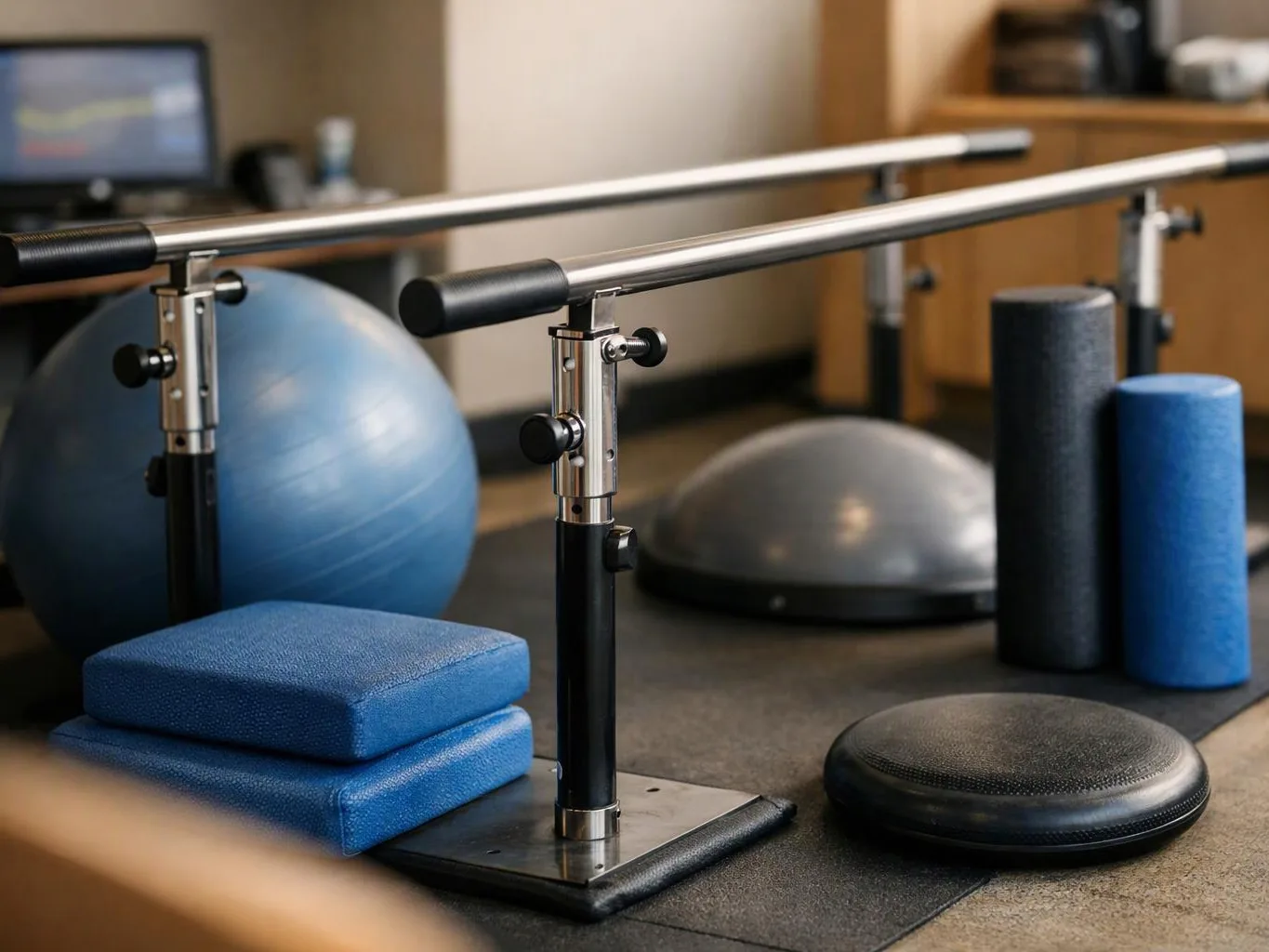
Exercise equipment with parallel bars, balance balls, foam rollers, and pads in a therapy room

Corrective Exercise Therapy in Other Areas

The health and wellness information on this website is for general informational purposes only and is not medical advice. It does not create a provider-patient relationship. Always consult a qualified licensed provider in Brentwood Estates, Tennessee, United States about your specific condition before making care decisions. Individual results vary.

(615) 265-0412