Skip to content

Corrective Exercise Therapy in La Vergne, Tennessee

Flexibility work helps La Vergne patients decide which movements need attention first. Our chiropractic team uses assessment findings to guide safe exercise choices.

Upfront, Transparent PricingServing 18 CommunitiesMon-Fri: 9 am–7 pm, Sat: 9 am–2 pm, Sun: ClosedFast Scheduling

Quick Summary: Corrective Exercise Therapy in La Vergne, Tennessee

Corrective Exercise Therapy in La Vergne is provided by Advanced Injury Care Clinic for movement limits, pain, and injury recovery. The service includes exercise guidance alongside chiropractic care, soft-tissue therapy, and rehabilitation support across Brentwood, Williamson County, and the greater Nashville area.

  • What we do: Advanced Injury Care Clinic provides Corrective Exercise Therapy for patients in La Vergne, Tennessee, with movement assessment and guided exercise support.
  • What is included: Movement assessment, flexibility work, strength training, exercise progression, and rehabilitation guidance.
  • What you get: Corrective Exercise Therapy helps patients build safer movement patterns that support daily function and recovery.

Why does stiffness keep returning after an injury?

Recurring stiffness can reflect limited movement, weak support muscles, or habits that keep stressing an injured area. A movement assessment helps identify the pattern and guide the next exercise step.
Corrective Exercise Therapy for Movement Goals in La Vergne, Tennessee

Corrective Exercise Therapy focuses on the movement task that troubles you, such as turning your neck, bending your back, or climbing steps. It suits patients who need active exercise guidance after an injury or during recovery from pain.

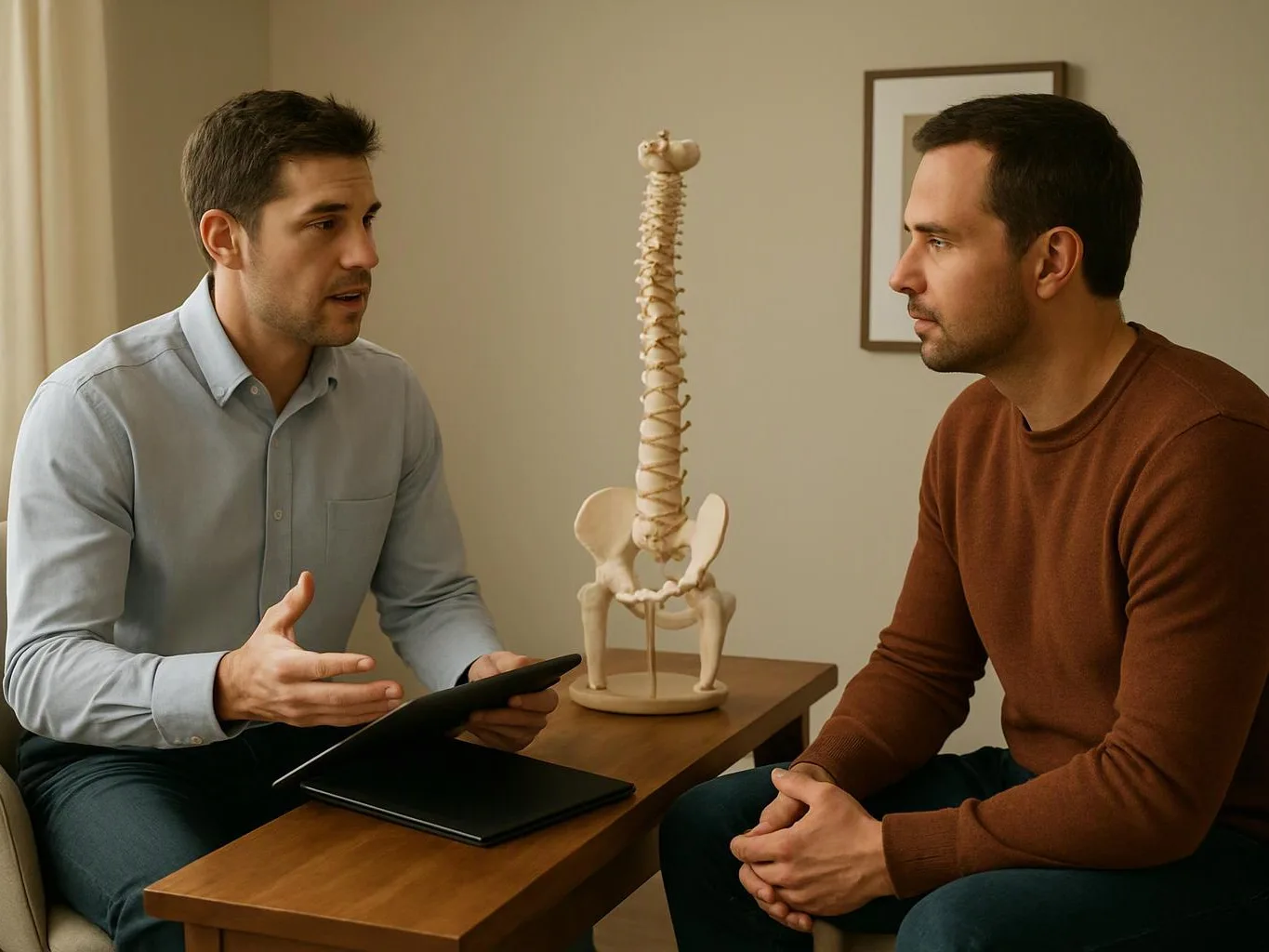
The work begins with an exam and health history. Our team considers symptoms, joint movement, muscle support, and daily demands before outlining exercises. This page is for buyers who want to know what the exercise portion includes before booking a consultation.

Exercises don't replace every form of care. Severe or changing symptoms may call for medical evaluation before exercise begins. We explain the next step after reviewing your needs.

  • Bring a clear account of the movement that causes trouble.
  • Share prior injuries, workplace incidents, auto accidents, and sports strain.
  • Ask how exercise guidance fits with adjustments or soft-tissue therapy.
  • Discuss how progress will be checked during care.
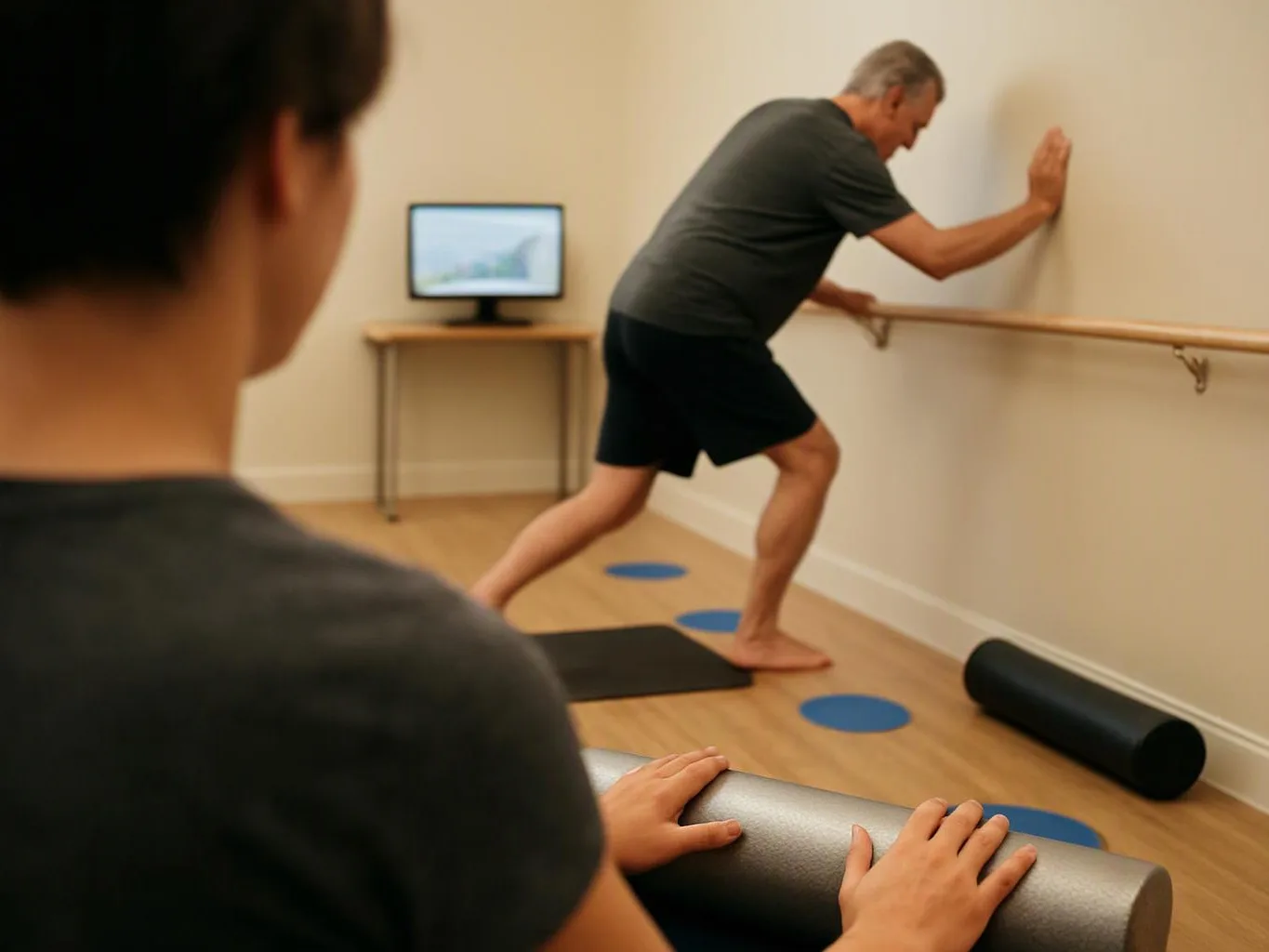
An older man stretches against a wall bar while another person watches in a small exercise room

Service Overview

Corrective Exercise Therapy is a guided care method that uses targeted movements to support mobility, strength, and daily function.

  • It differs from spinal adjustments because the patient actively performs exercises that address movement control and physical support.
  • Advanced Injury Care Clinic provides this service for patients in La Vergne as part of individualized chiropractic care.
Process

How Guided Exercise Care Moves From Assessment to Practice

1

Review your injury and movement history

The new patient intake covers symptoms, prior injuries, daily demands, and your main movement goal.

2

Check movement and muscle control

A health history and exam look at joint motion, flexibility, strength, and the actions that cause concern.

3

Choose the first exercise focus

We select exercises that match your current movement and may include flexibility work, strength training, or control drills.

4

Build exercise progression

The plan develops through guided practice, with changes based on movement quality and your response to care.

5

Review progress and next steps

A progress re-examination helps determine whether to continue, adjust, or combine exercise with other chiropractic services.

What You Get From a Movement-Focused Care Plan

A plan tied to your movement

The exercise choice follows the findings from your health history and exam. You receive guidance for the movement problem being addressed, not a generic list of stretches.

Active work alongside chiropractic care

Corrective exercise may be combined with spinal adjustments, soft-tissue therapy, and rehabilitation guidance when those services fit your needs.

A clear limit for exercise care

This service is the wrong fit when a new or severe symptom needs medical assessment first. Our team reviews that concern before exercise starts.

What Corrective Exercise Therapy Includes for Your Movement Goals

Advanced Injury Care Clinic provides comprehensive Corrective Exercise Therapy in La Vergne. Here's what you get:

  • A health history and movement assessment help identify limits that affect daily activity.
  • Flexibility work addresses restricted movement through guided, controlled exercises.
  • Strength training supports muscles that help you control the affected area.
  • Exercise progression adjusts the challenge as your movement and control change.
  • Rehabilitation guidance explains how to perform exercises safely between visits.
  • A progress re-examination helps our team review movement and update the care plan.

What Guided Exercise Can Change for Daily Movement

Guided movement may help you perform daily tasks with greater control.

Strength work supports the muscles that protect and steady moving joints.

A planned progression gives you a clear way to build exercise difficulty.

Exercise guidance can support recovery after whiplash, back pain, neck pain, or sports-related injury.

Regular maintenance may help you keep practicing safer movement patterns after active care.

How Movement-Focused Services Differ

These service types address different parts of injury care and may be combined when appropriate.

ServiceMain focusWhat the patient does
Corrective exercise therapyMovement control, flexibility, and strengthPerforms guided exercises and practices progression
Spinal adjustmentJoint movement through chiropractic careReceives the adjustment and follows care guidance
Soft-tissue therapyMuscle and other soft-tissue concernsReceives hands-on care and follows related guidance

The Advanced Injury Care Clinic Standard

  • Patient Assessment
  • Personalized Care Plans
  • Clear Treatment Explanations
  • Progress Monitoring

Questions About Guided Exercise Care

What is included in corrective exercise therapy?

Flexibility work, movement assessment, strength training, and exercise progression form the core of corrective exercise therapy.

  • We review your health history and movement limits.
  • We guide exercises for mobility, strength, and control.
  • We adjust the plan as your movement changes.

The service may also fit with spinal adjustments or soft-tissue therapy.

What does the team look at first during exercise care?

The first assessment looks at your symptoms, joint motion, flexibility, strength, and daily movement demands. We also ask about accidents, workplace injuries, sports strain, and prior care. Those details help us choose a safe starting point. The first exercise should match your current control, not an assumed fitness level.

What should be checked before exercise therapy is scheduled?

A health history and physical exam should be checked before exercise therapy is scheduled. Our team reviews new symptoms, prior injuries, current pain, and movement limits. X-rays may be considered if clinically indicated. These findings help determine whether guided exercise fits your needs or another evaluation should come first.

Who is a good fit for corrective exercise therapy?

Patients with movement limits, reduced strength, or injury-related stiffness may be good fits for corrective exercise therapy. Our team also considers the patient’s goals and daily tasks. Severe, changing, or unexplained symptoms need medical evaluation before exercise begins. Individual response differs, so care is adjusted through progress checks.

How does exercise progression change during care?

Exercise progression changes when movement control, strength, or tolerance changes. Our team may adjust the exercise position, range, resistance, or number of repetitions. We watch how you perform the movement, not only whether you finish it. This keeps the next step connected to your current ability and goals.

Which other chiropractic services may support exercise work?

Spinal adjustments, soft-tissue therapy, and rehabilitation guidance may support exercise work when they fit the care plan. Each service addresses a different part of recovery. Adjustments focus on joint movement, while exercise builds active control. Our team explains how the services relate after reviewing your symptoms and exam findings.

Why can a wrist or hip problem need a movement assessment?

A wrist or hip problem can affect nearby movement, strength, and daily tasks, so the assessment looks beyond one painful spot. Our team checks the affected motion and related muscle control. The findings guide exercise choices and show whether chiropractic care fits. A medical referral may be appropriate when symptoms need another type of evaluation.
Contact

Discuss Corrective Exercise Therapy in La Vergne

Advanced Injury Care Clinic offers free consultations for patients who want to discuss movement limits, injury recovery, or exercise guidance. After you reach out, the first steps are a conversation, health history, and assessment before a care plan is discussed.

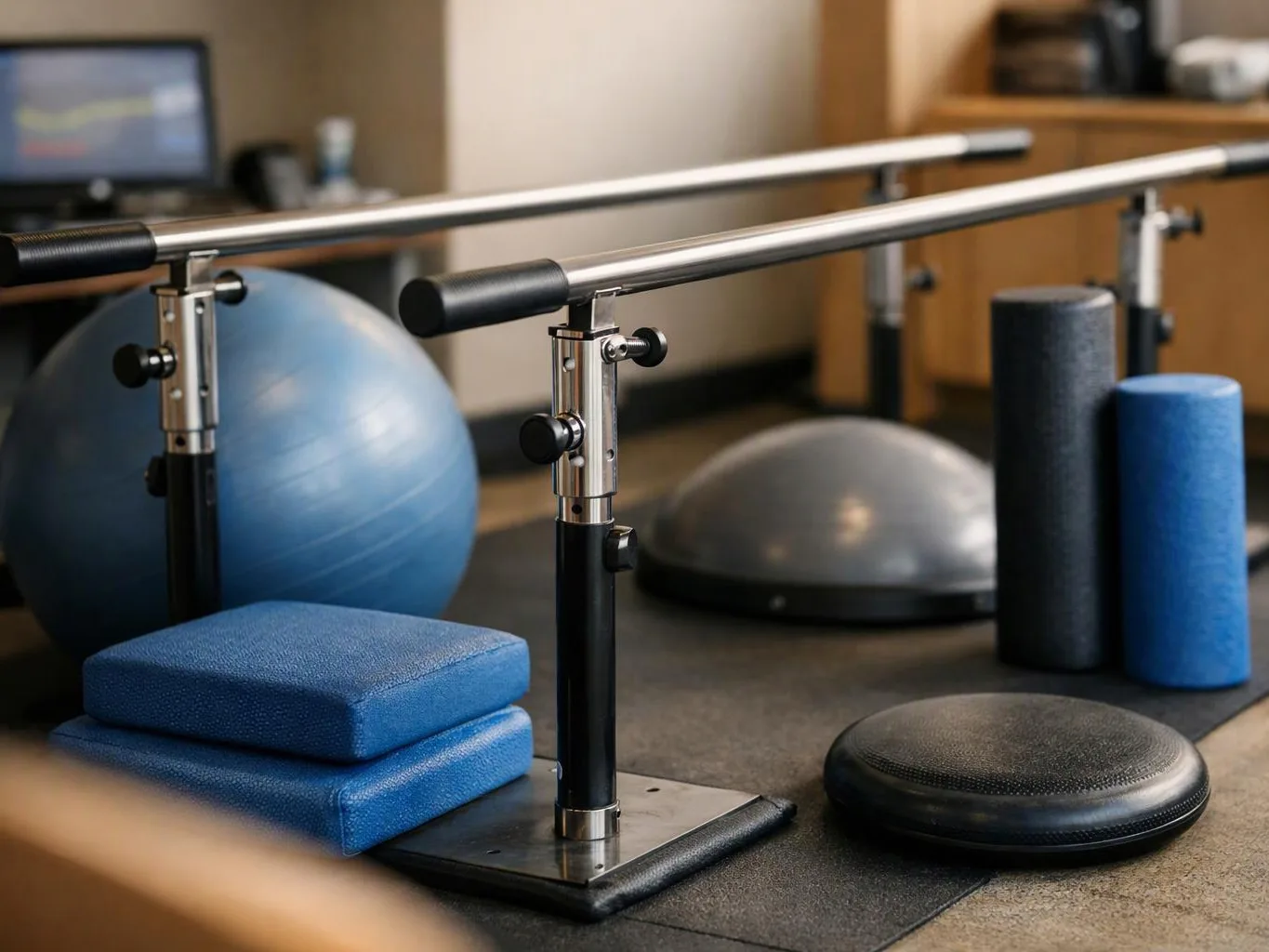
Exercise equipment with parallel bars, balance balls, foam rollers, and pads in a therapy room

ZIP Codes We Serve in La Vergne, Tennessee

3708637089

The health and wellness information on this website is for general informational purposes only and is not medical advice. It does not create a provider-patient relationship. Always consult a qualified licensed provider in Brentwood Estates, Tennessee, United States about your specific condition before making care decisions. Individual results vary.

(615) 265-0412