Skip to content

Corrective Exercise Therapy in Thompson's Station, Tennessee

Can movement dysfunction keep recurring pain active in Thompson's Station? Corrective exercise therapy builds guided movement around your goals and exam findings.

Upfront, Transparent PricingServing 18 CommunitiesMon-Fri: 9 am–7 pm, Sat: 9 am–2 pm, Sun: ClosedFast Scheduling

Quick Summary: Corrective Exercise Therapy in Thompson's Station, Tennessee

Corrective Exercise Therapy in Thompson's Station helps address movement patterns linked with pain, muscle imbalance, and reduced mobility. Advanced Injury Care Clinic provides this care across Williamson County and the greater Nashville area through individualized, noninvasive treatment plans.

  • What we do: Advanced Injury Care Clinic provides Corrective Exercise Therapy for Thompson's Station, Tennessee, with movement assessment, guided exercises, and rehabilitation guidance.
  • What is included: Movement assessment, corrective exercises, soft-tissue therapy, spinal adjustments, and progress re-examination.
  • What you get: Your treatment plan identifies useful exercises and movement habits that support better daily function.

Why does recurring pain keep returning after an injury?

Movement dysfunction can keep recurring pain active when certain joints or muscles do not share load well. A clinical exam helps identify movement limits, muscle imbalance, and signs that need a different type of care.

Corrective Exercise Therapy for Movement Dysfunction in Thompson's Station

Corrective exercise therapy focuses on the reason pain returns during daily movement. We assess how you bend, turn, walk, or load an affected area, then choose exercises that match your current ability.

This service fits people with recurring back pain, neck pain, sciatica, whiplash, or sports-related injuries. It can also support recovery after an accident or workplace injury. The goal is better movement and function, not a promise that every symptom will disappear.

Your decision should center on the cause of the problem and the level of guidance you need. We may add spinal adjustments or soft-tissue therapy when the exam supports that approach. Severe or changing symptoms may require medical evaluation before exercise begins.

  • Describe when pain returns and which movements bring it.
  • Bring details about an accident, workplace injury, or sports injury.
  • Ask how exercises fit with adjustments, soft-tissue therapy, and home care.
  • Discuss a progress re-examination when your movement changes.
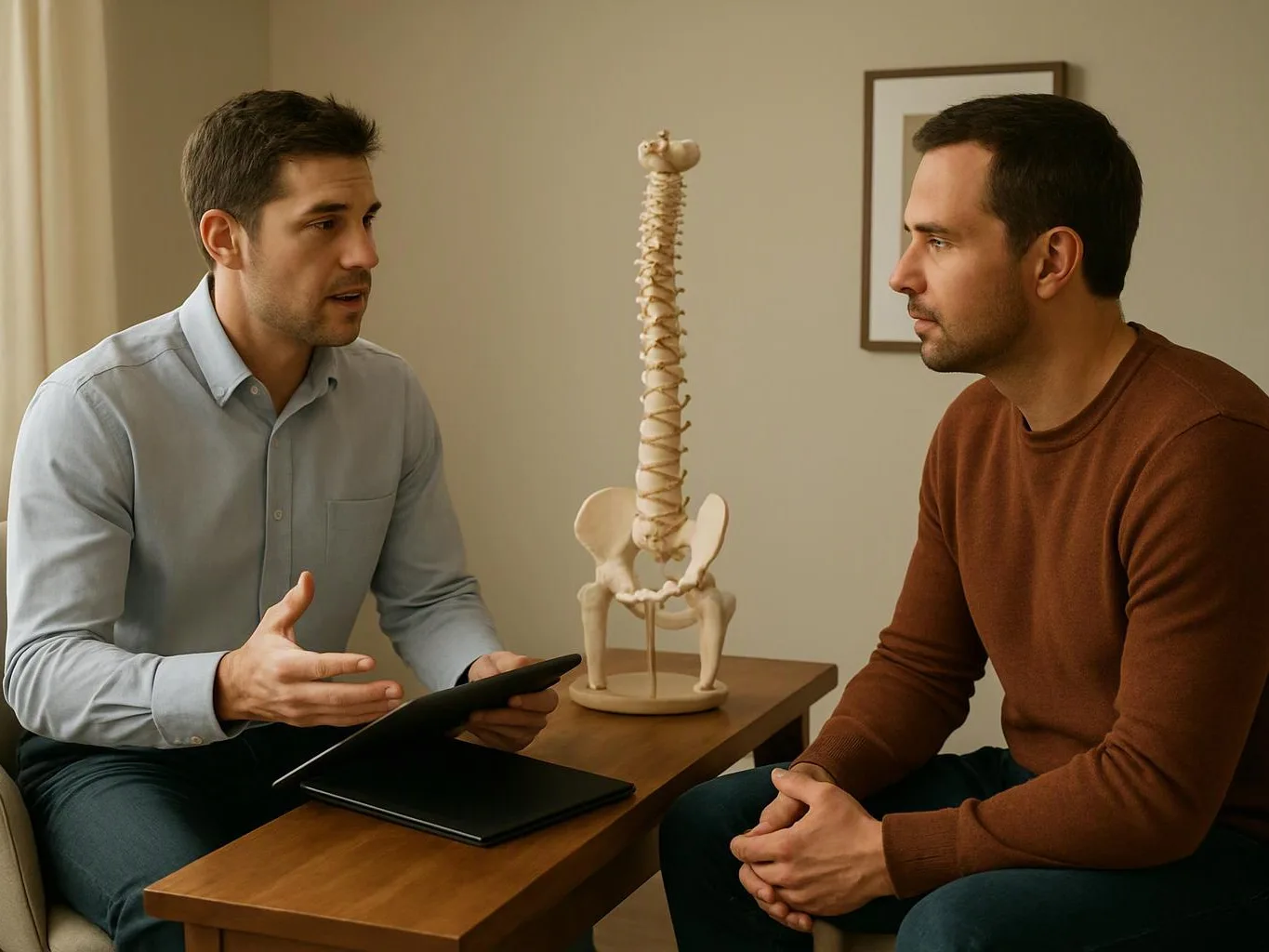
A spine model stands beside folded beige towels on a wooden tray in warm light

Service Overview

Corrective Exercise Therapy is a guided care method that uses targeted movements to improve control, strength, and daily function.

  • Unlike spinal adjustments, exercise therapy trains movement patterns and supports lasting self-care between visits.
  • We provide this care for people in Thompson's Station and throughout Williamson County.

What Guided Exercise Can Change for Daily Movement

Guided movements may improve control during tasks that bring on recurring pain.

A clear exercise plan gives you a practical way to support recovery between visits.

Better muscle balance may help you move with greater comfort during daily activities.

Progress checks show whether the plan still fits your goals and current ability.

Corrective exercise therapy can support injury prevention when paired with sound movement habits.

Process

How We Build Your Guided Exercise Plan

1

Review Your Injury and Symptoms

We begin with a new patient intake and health history. You describe recurring pain, injury details, daily limits, and your main goals.

2

Check Movement and Muscle Control

The exam looks at range of motion, balance, muscle control, and movements that reproduce symptoms. X-rays may be considered if clinically indicated.

3

Select Exercises for Your Goals

We choose controlled exercises that fit your current ability. The plan may include rehabilitation guidance, soft-tissue therapy, or spinal adjustments.

4

Practice the Movement Safely

We explain each exercise and the signs that should guide you to pause or ask a question. Your plan should feel clear and manageable.

5

Review Progress and Adjust Care

A progress re-examination checks how your movement and symptoms respond. We update the plan when your needs or goals change.

What You Get From a Focused Exercise Plan

A plan tied to your exam

The movement exam shapes the exercises we choose, so the plan responds to your symptoms and goals. This service is the wrong fit when a new or serious symptom needs medical care first.

Care for injury-related concerns

Our chiropractor-led care team works with people affected by auto accidents, workplace injuries, sports injuries, and other spine or joint concerns.

Progress checked over time

A progress re-examination helps us see how your movement responds. We can then refine exercises or add other parts of your personalized treatment plan.

What Corrective Exercise Therapy Includes for Your Movement Goals

Advanced Injury Care Clinic provides comprehensive Corrective Exercise Therapy in Thompson's Station. Here's what you get:

  • We complete a health history and movement exam before selecting exercises.
  • We identify movement limits, muscle imbalance, and patterns linked with recurring pain.
  • We teach controlled exercises that match your current ability and treatment goals.
  • We provide rehabilitation guidance for safe practice between appointments.
  • We may combine exercise with spinal adjustments or soft-tissue therapy when appropriate.
  • We review progress and adjust the treatment plan as your movement changes.

Choosing the Right Type of Movement Care

These options address different parts of an injury or movement concern.

Care optionMain focusWhen it may fit
Corrective exercise therapyActive movement, control, and muscle balanceRecurring pain or mobility limits identified during an exam
Spinal adjustmentsHands-on care for joint movementA treatment plan that includes spinal or joint concerns
Soft-tissue therapyMuscle tightness and sensitive soft tissueMuscle restrictions that affect movement or exercise

The Advanced Injury Care Clinic Standard

  • Patient Assessment
  • Personalized Care Plans
  • Clear Treatment Explanations
  • Progress Monitoring

Questions About Corrective Exercise Therapy and Recurring Pain

Can corrective exercise therapy help recurring pain?

Movement dysfunction can contribute to recurring pain, and corrective exercise therapy may help when an exam finds controllable movement limits. Advanced Injury Care Clinic provides the assessment and guided plan. Results vary because pain can have many causes. New, severe, or changing symptoms may need medical evaluation before exercise begins.

Who is a good fit for corrective exercise therapy?

People with movement limits, muscle imbalance, or recurring pain may fit this service after an assessment. The plan suits patients who can practice controlled movement and follow guidance. Our team may recommend another form of care when symptoms suggest a serious condition or when exercise is not safe yet.

What happens at each stage of the exercise plan?

The plan moves from assessment to exercise selection, guided practice, and progress review.

  1. We review your health history and injury.
  2. We check movement, muscle control, and symptom triggers.
  3. We teach selected exercises and rehabilitation guidance.
  4. We recheck progress and update care when needed.

What does the care team check first?

The initial exam checks your health history, pain pattern, range of motion, and movement control. We also ask which tasks increase symptoms. That information helps us decide whether exercise fits your needs and whether spinal adjustments, soft-tissue therapy, or another evaluation belongs in the plan.

How does this differ from a spinal adjustment?

Corrective exercise therapy trains active movement, while a spinal adjustment uses a hands-on technique to address joint motion. We may use both when the exam supports that plan. Exercise also gives you a way to practice movement between appointments and support daily function.

When should I pause an exercise and ask for help?

Pause an exercise when it causes sharp, worsening, or unfamiliar symptoms. Tell our team what you felt and which movement caused it. We can review the exercise, check your response, and decide whether the movement needs a change or another evaluation.

Which part of care changes the final cost?

The assessment, treatment mix, and amount of rehabilitation guidance affect the final cost. A consultation lets us discuss your symptoms and explain the care options that fit your goals. We do not assign a treatment plan from the service name alone.
Contact

Discuss Corrective Exercise Therapy in Thompson's Station

Does recurring pain limit how you move? Advanced Injury Care Clinic invites you to discuss your symptoms, goals, and corrective exercise therapy options during a consultation.

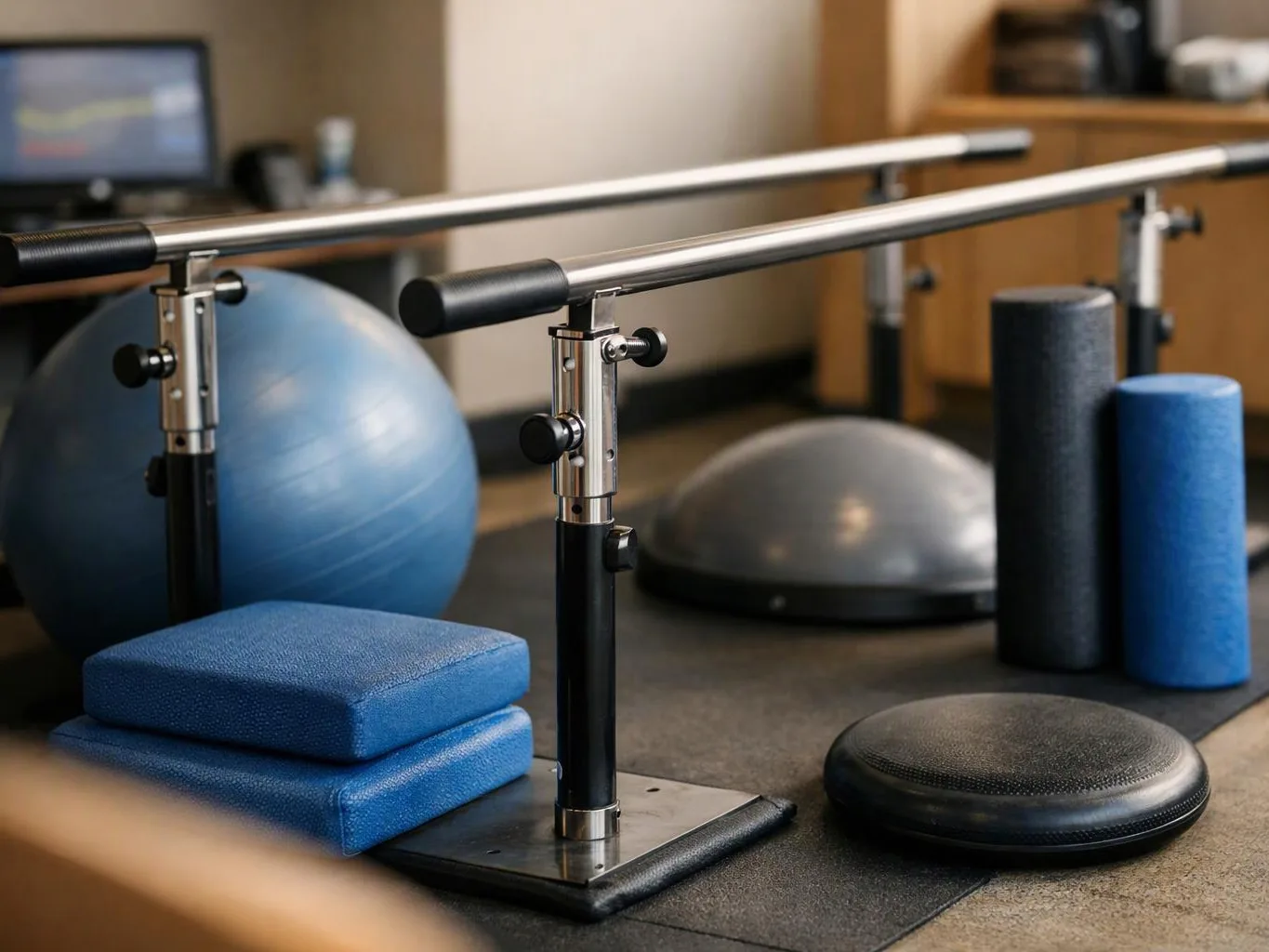
Exercise equipment with parallel bars, balance balls, foam rollers, and pads in a therapy room

Corrective Exercise Therapy in Other Areas

The health and wellness information on this website is for general informational purposes only and is not medical advice. It does not create a provider-patient relationship. Always consult a qualified licensed provider in Brentwood Estates, Tennessee, United States about your specific condition before making care decisions. Individual results vary.

(615) 265-0412