Share your jaw symptoms
During the new patient intake, we ask about pain, clicking, chewing, headaches, neck symptoms, and any injury that preceded them.
We assess jaw pain, movement, and related muscle strain before shaping care around your needs. Free initial consultations help you understand the next step.
A clearer view of how jaw symptoms connect with neck and muscle tension.
Care planning that reflects your symptoms, health history, and daily activity.
Documented treatment progress for injury-related cases when records are needed.
TMJ Treatment is a form of personalized care that assesses jaw movement, pain, and related musculoskeletal strain.
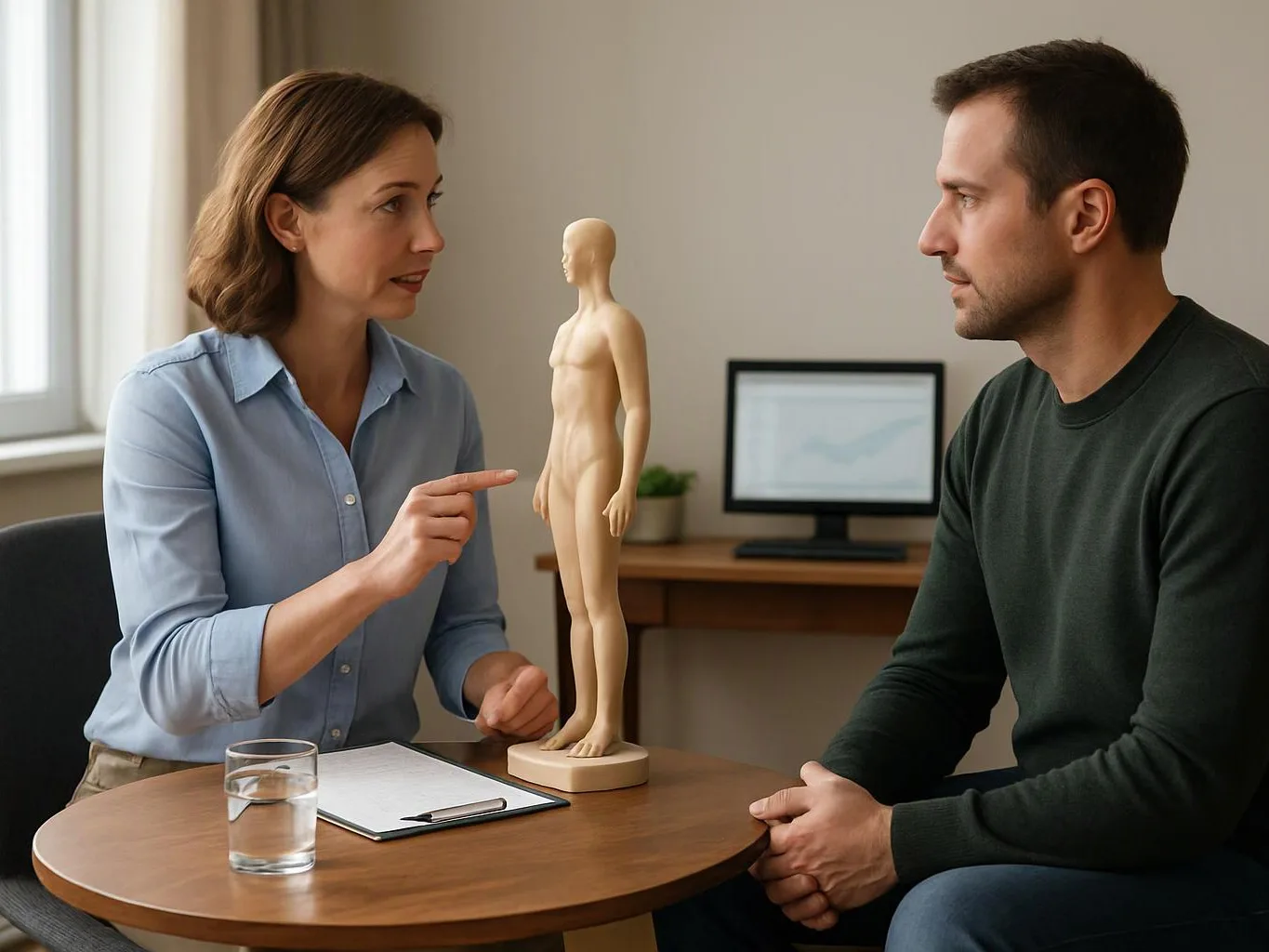
TMJ treatment starts with the problem you feel, such as jaw pain, clicking, tight muscles, or trouble chewing. We also ask about headaches, neck pain, whiplash, and other symptoms that may affect the care plan. Our team uses an individualized health history and physical assessment to understand jaw movement and related musculoskeletal concerns. We explain the findings in plain language, then tailor care to your symptoms, goals, and activity level. The right next step can differ after an accident or workplace incident. Injury documentation may matter when the jaw problem began during a personal injury event. Results vary, so we review progress and adjust care when appropriate.
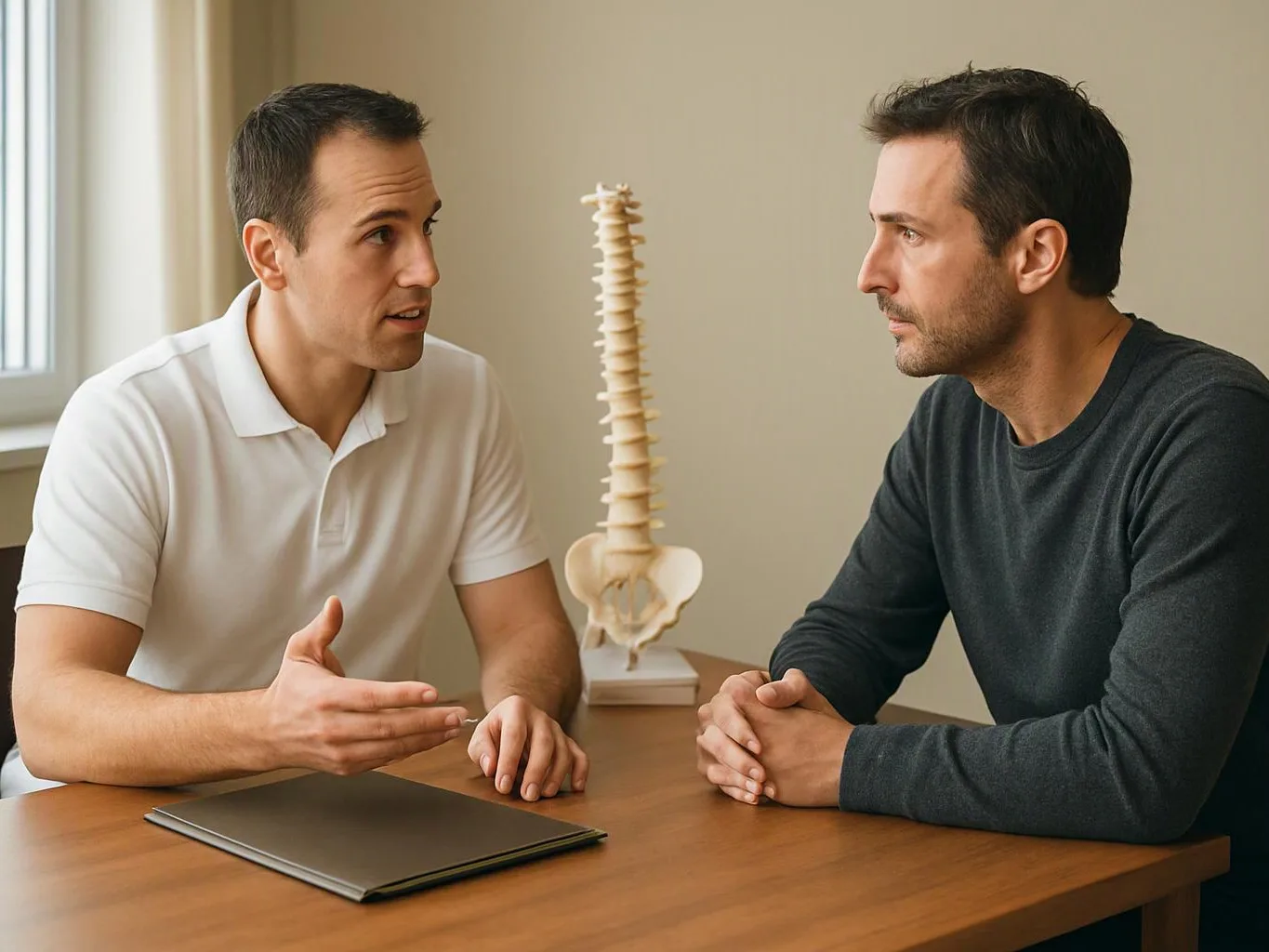
During the new patient intake, we ask about pain, clicking, chewing, headaches, neck symptoms, and any injury that preceded them.
We assess jaw movement, posture, spinal movement, and related musculoskeletal concerns before providing treatment.
Our team explains the report of findings and discusses whether chiropractic care fits your symptoms and goals.
We create a personalized treatment plan and explain the next steps, including any need for further medical evaluation.
Your free initial consultation gives you space to discuss care options and request pricing information before treatment begins.
We review changes in symptoms and function during care, then update the plan when your findings or goals change.
A few details can help us understand your symptoms during the first visit.
We review jaw symptoms, prior injuries, health history, and physical findings before discussing care.
We shape each jaw care plan around the patient’s symptoms, goals, activity level, and documented examination findings.
We select gentle, safety-conscious approaches that match the patient’s jaw movement, comfort, and related musculoskeletal concerns.

This place is amazing. The staff is friendly. The office is clean and laid back. Not much of a wait. The doctor walks you through every step and tells you what he’s going to do and has answers any questions I’ve had to the best of his knowledge. Normally I am afraid to go to doctors and be in offices but this place has been a different experience. I would recommend anyone to come here. The front desk ladies are helpful and friendly

Great service , The doctor an her team is super helpful always nice . Always willing to help in anyway an they make sure each visit your comfortable an get the help that you need . The doctor makes you feel safe an has a caring soul makes you feel so welcomed ❤️ Jose always has a smile on his face an is very helpful always . Your sure to leave happy an with a smile . - KYSHAUNA DUNCAN

My experience here has been excellent. They take into consideration my needs and personalize the treatment to my ability. The staff is kind and friendly and explains things to my understanding. Highly recommended
Advanced Injury Care Clinic offers free initial consultations for jaw pain, clicking, and injury-related symptoms. We’re open Monday through Friday from 9 am–7 pm and Saturday from 9 am–2 pm, with Sunday closed.
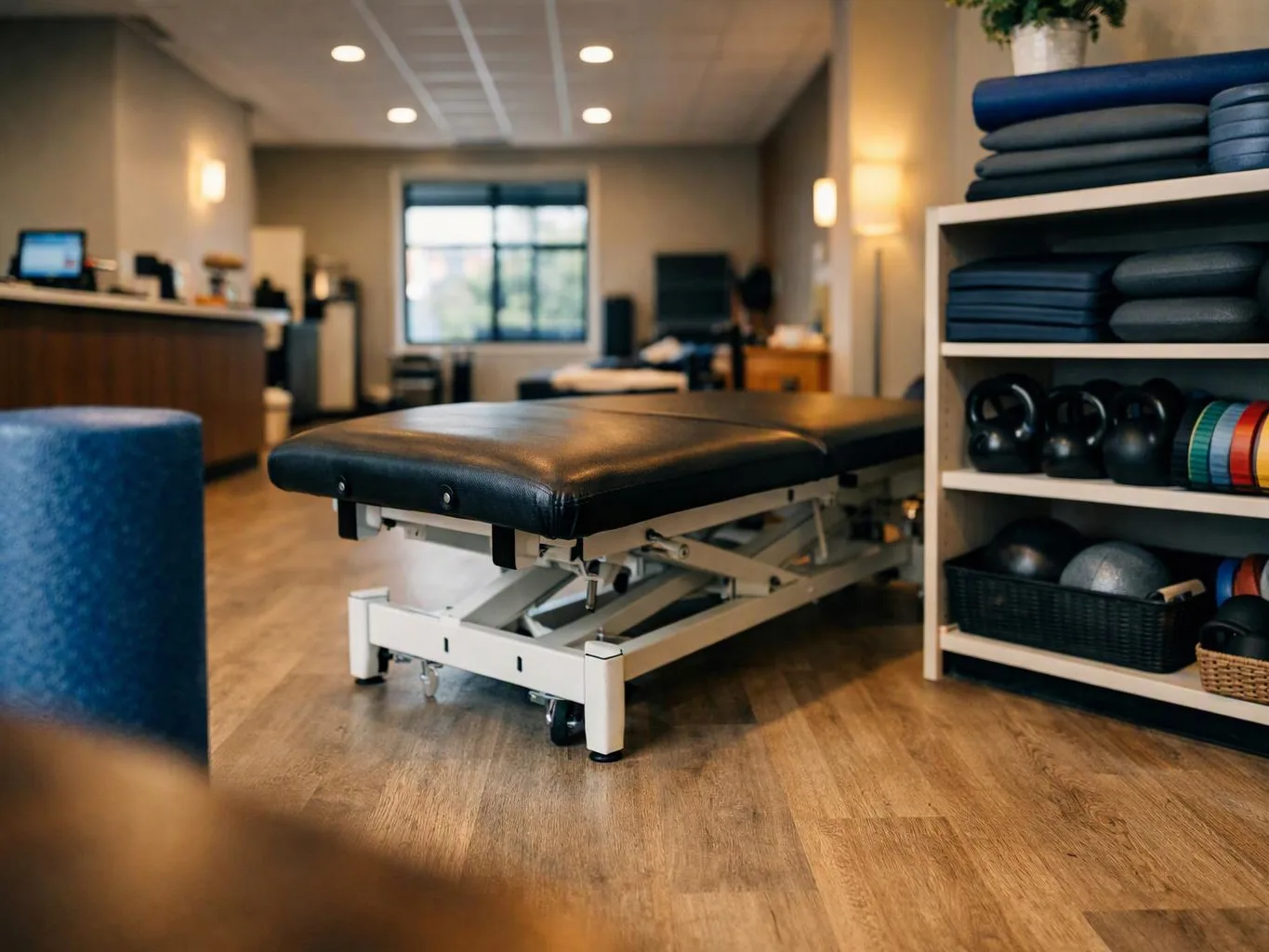
Jaw pain can appear with whiplash, neck strain, or facial tension after a car accident. The timing of symptoms and changes in chewing or jaw movement matter during the assessment. Bring any related medical records and describe when the pain began. We can review your concerns, provide an individualized evaluation, and document relevant findings for your injury case.
A clicking jaw can become more noticeable during meals, speaking, or wide opening. The sound alone does not explain the cause, so we assess movement and nearby muscle and neck symptoms. Write down when the clicking occurs and whether pain or limited motion follows. A consultation helps you understand which care options fit the findings.
Headaches may occur alongside jaw clenching, facial tightness, or neck pain. Your symptom pattern, health history, and activity level help shape the care plan. Note what happens during work, sleep, and chewing before your visit. We can review those details and discuss personalized injury care or other appropriate next steps.