Understanding Range of Motion
Range of motion refers to the distance and direction a joint can move between its fully extended and fully flexed positions. It's a key indicator of musculoskeletal health and function. For example, bending your elbow to touch your shoulder tests the flexion range of the elbow joint. While straightening your arm tests its extension range. These movements help healthcare providers evaluate how well joints and muscles work together.
Every joint in the body has a normal range of motion, often measured in degrees using a tool called a goniometer. These normal ranges act as benchmarks for comparison. If a joint can't move as far as expected, it may signal an injury, inflammation, muscle tightness. Or a chronic condition like arthritis. Understanding range of motion helps chiropractors, physical therapists. And doctors identify problems and track progress during treatment.
How Range of Motion Is Measured?
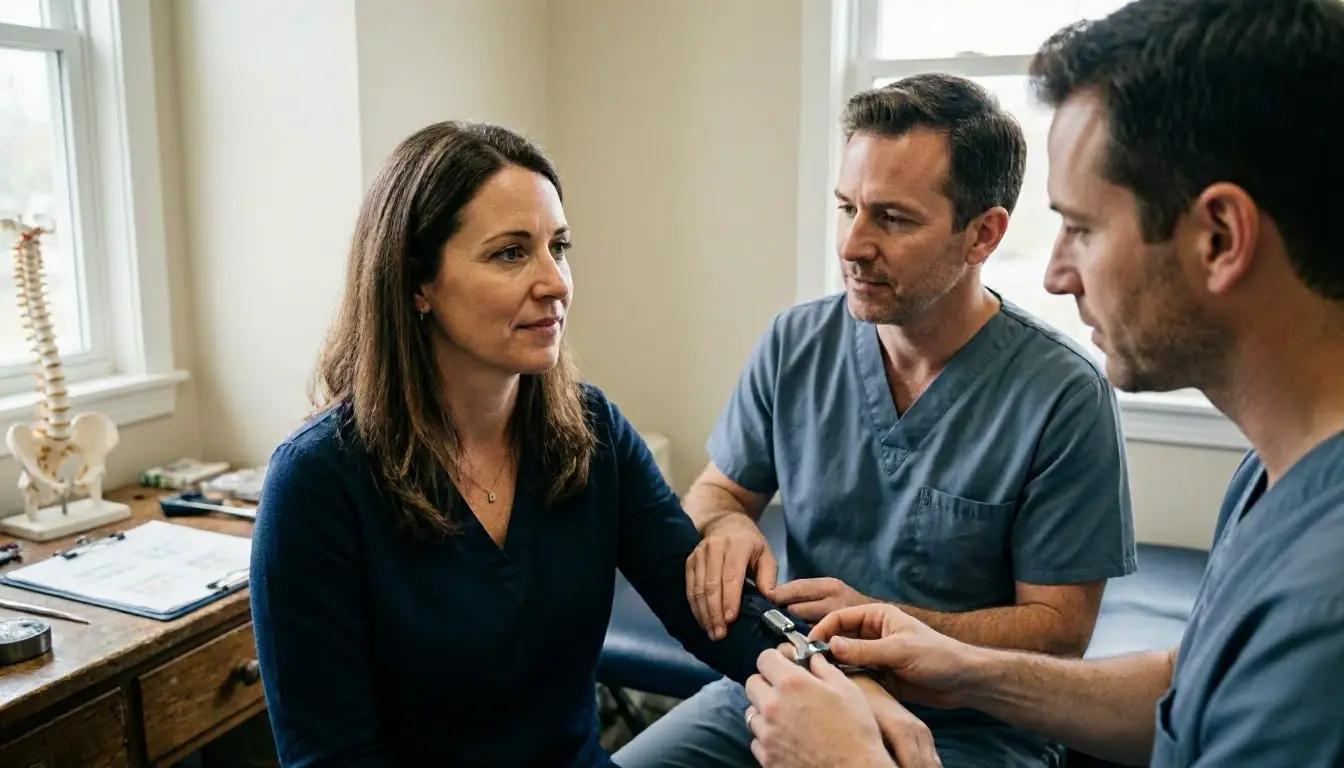
Measuring range of motion involves both active and passive assessments. Active range of motion means the patient moves the joint themselves, showing how well muscles and joints work together. Passive range of motion means a provider gently moves the joint for the patient, which helps identify whether the limitation comes from joint stiffness, muscle weakness. Or pain.
To measure range of motion, a provider typically uses a goniometer, a handheld device with a pivoting arm that aligns with bony landmarks on the body. The provider notes the starting position and the farthest point the joint can move without pain. These measurements are recorded and compared to standard values for each joint. The result is for instance, a healthy knee should flex to about 135 degrees and extend fully to 0 degrees. Regular measurements help track recovery after an injury or surgery.
Why Range of Motion Matters?
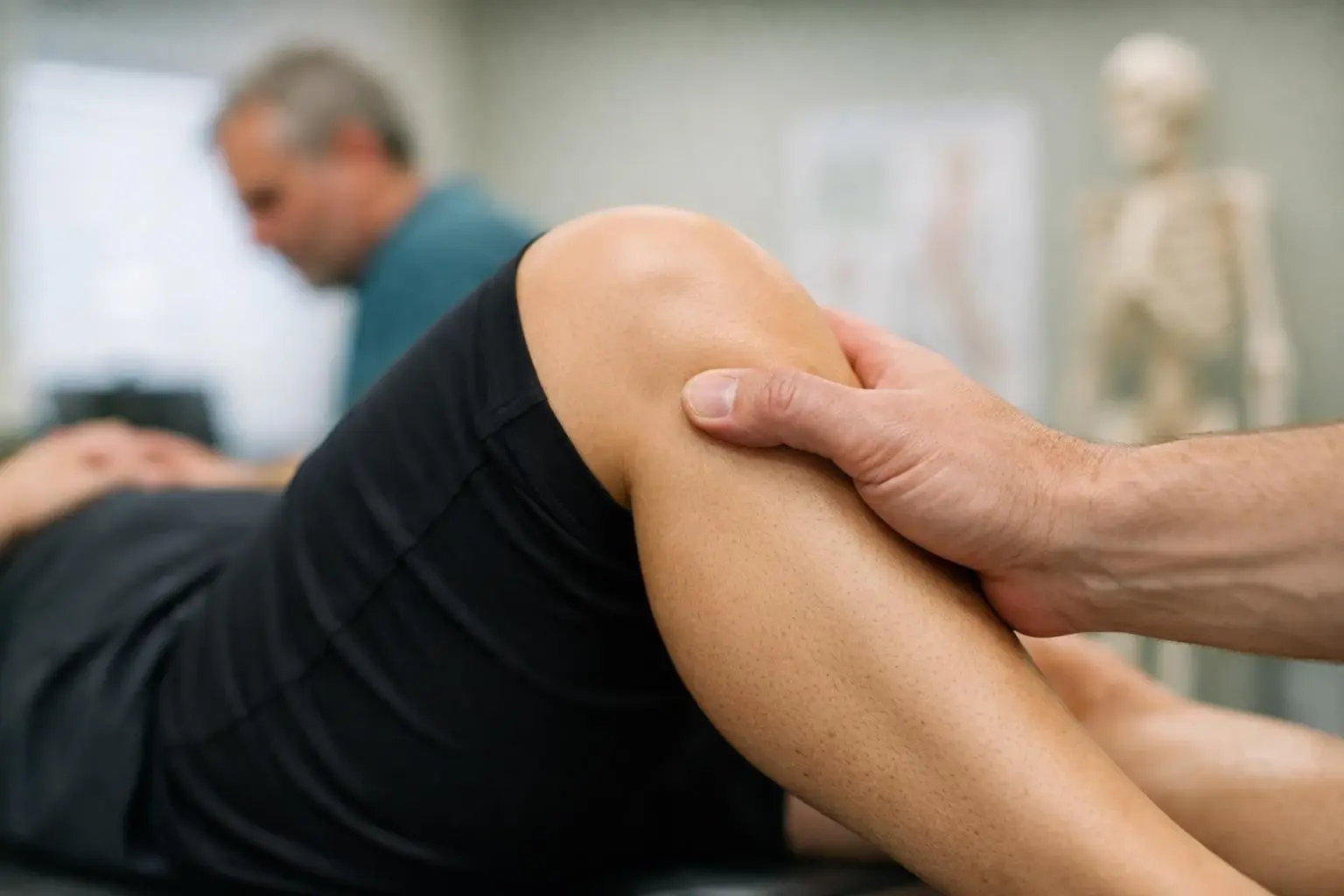
Good range of motion supports everyday activities, from reaching overhead to bending down to tie shoes. It also reduces the risk of injuries by allowing joints to move smoothly under stress. For athletes, maintaining full range of motion improves performance and lowers the chance of strains or sprains. For older adults, preserving range of motion helps prevent falls and maintains independence in daily tasks.
A practical next step is When range of motion is limited, simple movements can become difficult or painful. This can lead to compensation patterns, where other muscles or joints take on extra stress, causing further problems. For example, limited shoulder range can force the neck or lower back to overwork, leading to chronic pain. Addressing range of motion early through chiropractic care, physical therapy. Or targeted exercises can prevent these secondary issues and improve overall quality of life.
When Range of Motion Matters Most?
Range of motion assessments are especially important after injuries, surgeries. Or the onset of chronic conditions. For example, after a sprained ankle or knee surgery, tracking range of motion helps guide rehabilitation and determine when it is safe to return to normal activities. In cases of chronic conditions like osteoarthritis or spinal stenosis, monitoring range of motion helps manage symptoms and adjust treatment plans over time.
Range of motion also plays a key role in workplace ergonomics and sports performance. Workers who sit at desks for long periods may develop stiffness in the neck, shoulders. Or hips, leading to pain or repetitive strain injuries. Athletes, on the other hand, rely on optimal range of motion for techniques like throwing, jumping. Or running. Regular check-ups with a chiropractor or physical therapist can help identify and address range of motion limitations before they become serious problems.