Skip to content

Spinal Decompression Therapy in Green Hill, Tennessee

Nerve compression checks guide spinal decompression therapy in Green Hill. We assess herniated disc and back symptoms before care begins.

Upfront, Transparent PricingServing 18 CommunitiesMon-Fri: 9 am–7 pm, Sat: 9 am–2 pm, Sun: ClosedFast Scheduling

Quick Summary: Spinal Decompression Therapy in Green Hill, Tennessee

Spinal Decompression Therapy in Green Hill is provided by Advanced Injury Care Clinic for disc-related back symptoms, nerve compression, and mobility concerns. Care includes a thorough evaluation and an individualized, noninvasive treatment plan for Green Hill and surrounding communities.

  • What we do: Advanced Injury Care Clinic provides Spinal Decompression Therapy for patients in Green Hill, Tennessee, after a clinical assessment.
  • What is included: We assess herniated disc concerns, back pain, nerve compression, and related mobility limits.
  • What you get: Spinal decompression therapy supports a clearer treatment decision for disc-related back symptoms and daily movement.

Can spinal decompression therapy help a herniated disc in Green Hill?

Yes, spinal decompression therapy may help some people with herniated disc symptoms, but an evaluation must guide care. Advanced Injury Care Clinic checks your health history, symptoms, and movement first. Results vary, and this treatment isn't right for every disc problem. Severe or changing symptoms need prompt medical assessment before chiropractic care.
Spinal Decompression Therapy for Herniated Disc Concerns in Green Hill

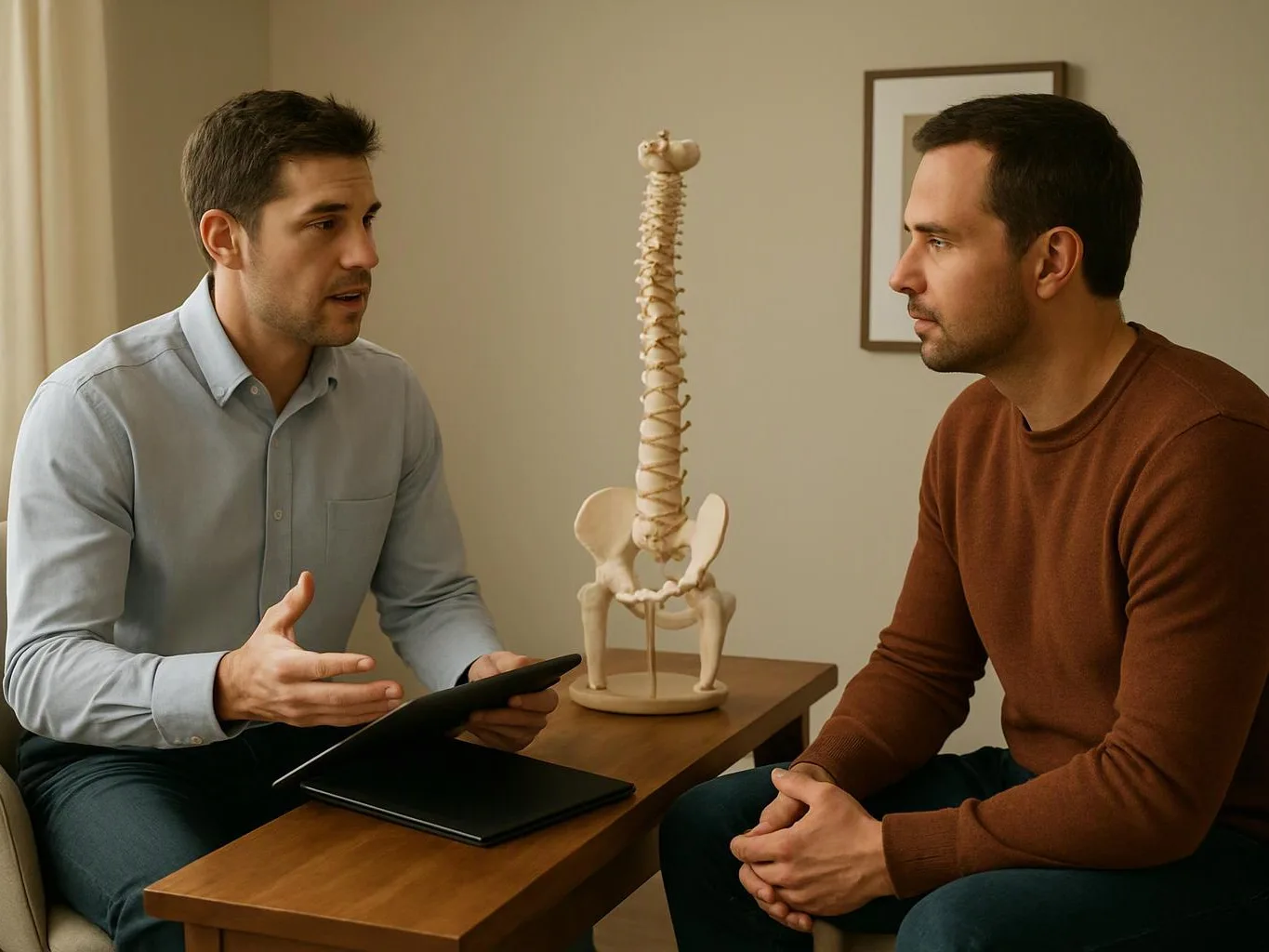
Spinal decompression therapy gives patients with disc-related back symptoms another treatment option to discuss after an exam. Our chiropractor-led care team checks the pattern of pain, movement limits, and nerve-related signs before recommending a treatment plan.

A herniated disc or bulging disc can cause back pain, leg symptoms, or changes in function. The treatment decision depends on the full picture, not the scan name alone. We may also consider spinal adjustments, soft-tissue therapy, corrective exercises, and rehabilitation guidance when they fit your needs.

Patients should ask what the exam found, what the treatment is meant to address, and how progress will be checked. Individual response differs, so we explain the likely role and limits of care before moving forward.

  • Ask which symptoms point to disc irritation or nerve involvement.
  • Confirm what the health history and physical exam show.
  • Discuss whether decompression, adjustment, exercise, or another service fits.
  • Ask how progress will be reviewed during care.
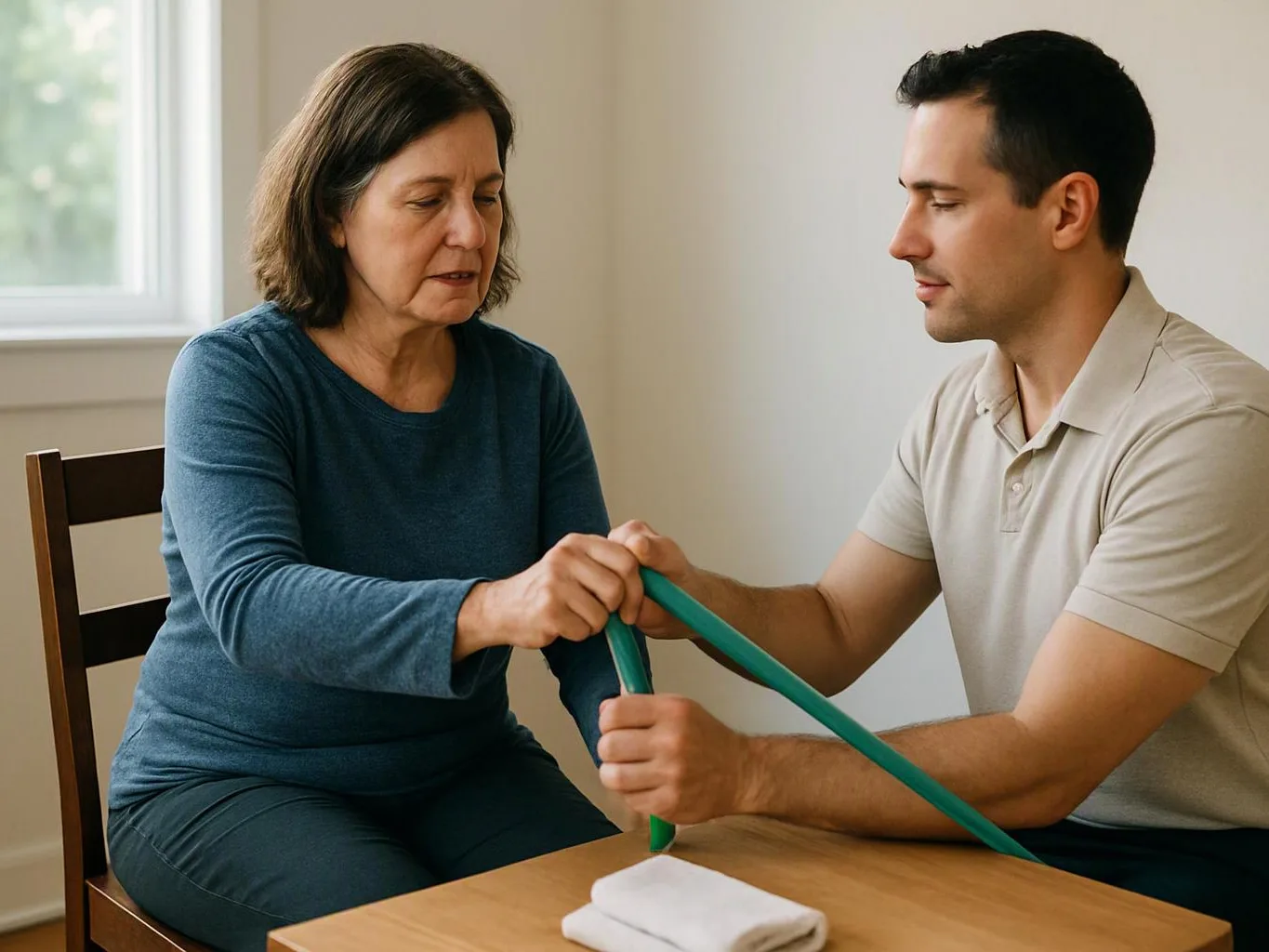
A woman and a man sit at a table, holding a resistance band in a bright room

Service Overview

Spinal decompression therapy is a noninvasive treatment that applies controlled unloading to the spine for selected back and disc symptoms.

  • It differs from spinal adjustments because decompression focuses on controlled traction while adjustments use a specific manual or instrument-assisted movement.
  • Advanced Injury Care Clinic provides this care for patients in Green Hill and surrounding communities.

What Spinal Decompression Therapy Includes for Disc-Related Back Symptoms

Advanced Injury Care Clinic provides comprehensive Spinal Decompression Therapy in Green Hill. Here's what you get:

  • We review your health history, current symptoms, and movement concerns before treatment.
  • We perform a thorough injury evaluation to look for signs linked to disc and nerve irritation.
  • We explain how a spinal decompression table may be used for controlled treatment.
  • We build a personalized treatment plan around your needs and health goals.
  • We may add corrective exercises, soft-tissue therapy, or rehabilitation guidance when appropriate.
  • We discuss progress during follow-up care and adjust the plan when your needs change.
Process

How We Plan and Deliver Decompression Care

1

Review symptoms and health history

We begin with a new patient intake that covers your symptoms, prior injuries, health history, and daily movement concerns.

2

Complete the injury evaluation

Our team examines movement and related findings. X-rays may be considered if clinically indicated.

3

Explain the treatment decision

Every engagement in Green Hill begins with a clear assessment of your goals and requirements.

4

Apply controlled table traction

When decompression fits the plan, we use a spinal decompression table for controlled treatment based on the evaluation.

5

Add supportive care when needed

Soft-tissue therapy, corrective exercises, or rehabilitation guidance may support the main treatment when appropriate.

6

Review progress and next steps

We discuss your response during follow-up care and update the personalized treatment plan when your needs change.

What Patients Should Weigh Before Choosing Decompression Care

Start with the clinical fit

Our chiropractor-led care team begins with a comprehensive injury evaluation, so treatment matches the symptoms and movement findings. The right choice depends on your health history, not a disc label alone.

Know what the table does

A spinal decompression table applies controlled traction during treatment. Patients should ask what the session is meant to address and how the plan will be reviewed.

Pair care with active steps

Corrective exercises and rehabilitation guidance may support the work done during appointments. We focus on your goals and explain which home movements fit your plan.

Recognize when it is not the right service

Severe, changing, or unexplained symptoms may need medical assessment before decompression care. We do not treat every back problem with the same method.

What This Treatment May Change for Your Daily Movement

Controlled unloading may help reduce stress linked to some disc-related symptoms.

A focused plan gives you a clearer path for addressing back pain and movement limits.

Care may support easier daily movement when symptoms respond to the treatment.

Exercise and rehabilitation guidance can help you work on strength and movement outside appointments.

An exam-led approach helps separate disc concerns from symptoms that need another type of care.

Comparing Common Options for Disc-Related Back Symptoms

These options address different findings, so the examination guides the choice.

Treatment optionMain focusWhen it may fit
Spinal decompression therapyControlled traction through a decompression tableSelected disc-related back symptoms after evaluation
Spinal adjustmentA specific manual or instrument-assisted movementMovement restrictions that match the examination
Corrective exerciseMovement, strength, and rehabilitation guidancePatients whose plan includes active support between visits

The Advanced Injury Care Clinic Standard

  • Patient Assessment
  • Personalized Care Plans
  • Clear Treatment Explanations
  • Progress Monitoring

Questions Patients Ask About Decompression for Disc Symptoms

Can spinal decompression therapy help a herniated disc?

Nerve compression from a herniated disc may respond to spinal decompression therapy, but an exam must guide the decision. Advanced Injury Care Clinic reviews symptoms, movement, and health history before care. Results vary between patients. Severe weakness, loss of bladder or bowel control, or rapidly changing symptoms need prompt medical assessment.

What should be checked before decompression is scheduled?

The health history and physical exam should be checked before decompression is scheduled. We review symptom location, movement limits, prior injuries, and nerve-related signs. X-rays may be considered if clinically indicated. Patients should bring relevant records and describe changes in strength, sensation, or daily function.

Who is a good fit for this treatment, and who needs another service?

Patients with selected disc-related back symptoms may fit decompression, while other conditions need a different service or medical assessment. Our team compares the symptom pattern with examination findings before making a plan. Spinal adjustments, soft-tissue therapy, corrective exercises, or referral may be discussed when decompression does not match the problem.

What happens at each stage of decompression care?

The care plan moves from intake and examination to findings, treatment, and progress review. We follow these stages:

  1. Review your health history and symptoms.
  2. Check movement and related findings.
  3. Explain the treatment plan.
  4. Use the decompression table when appropriate.
  5. Review your response and next steps.

Which symptoms suggest a herniated disc needs more assessment?

Leg pain, numbness, weakness, or changing function can signal a need for more assessment. We ask when symptoms began, what changes them, and how they affect movement. A disc finding on imaging does not explain every symptom. Patients should report severe or rapidly changing signs before treatment.

Why might a bulging disc need a different care plan?

A bulging disc may need a different plan because imaging findings do not always match the pain pattern. Our team compares the report with your history and examination. Treatment may include decompression, adjustments, soft-tissue therapy, or exercise guidance. The plan follows the findings and your goals.

How does the first consultation guide treatment choices?

The first consultation guides treatment by linking your symptoms with examination findings and health history. We explain what we found and which services may fit. Patients can ask about spinal decompression, corrective exercises, and follow-up review. Free Consultations make it easier to discuss the concern before care begins.
Contact

Discuss Spinal Decompression Therapy in Green Hill

Green Hill patients can discuss nerve compression, herniated disc concerns, and back symptoms through a consultation. Advanced Injury Care Clinic offers Free Consultations and will explain whether decompression care fits your needs.

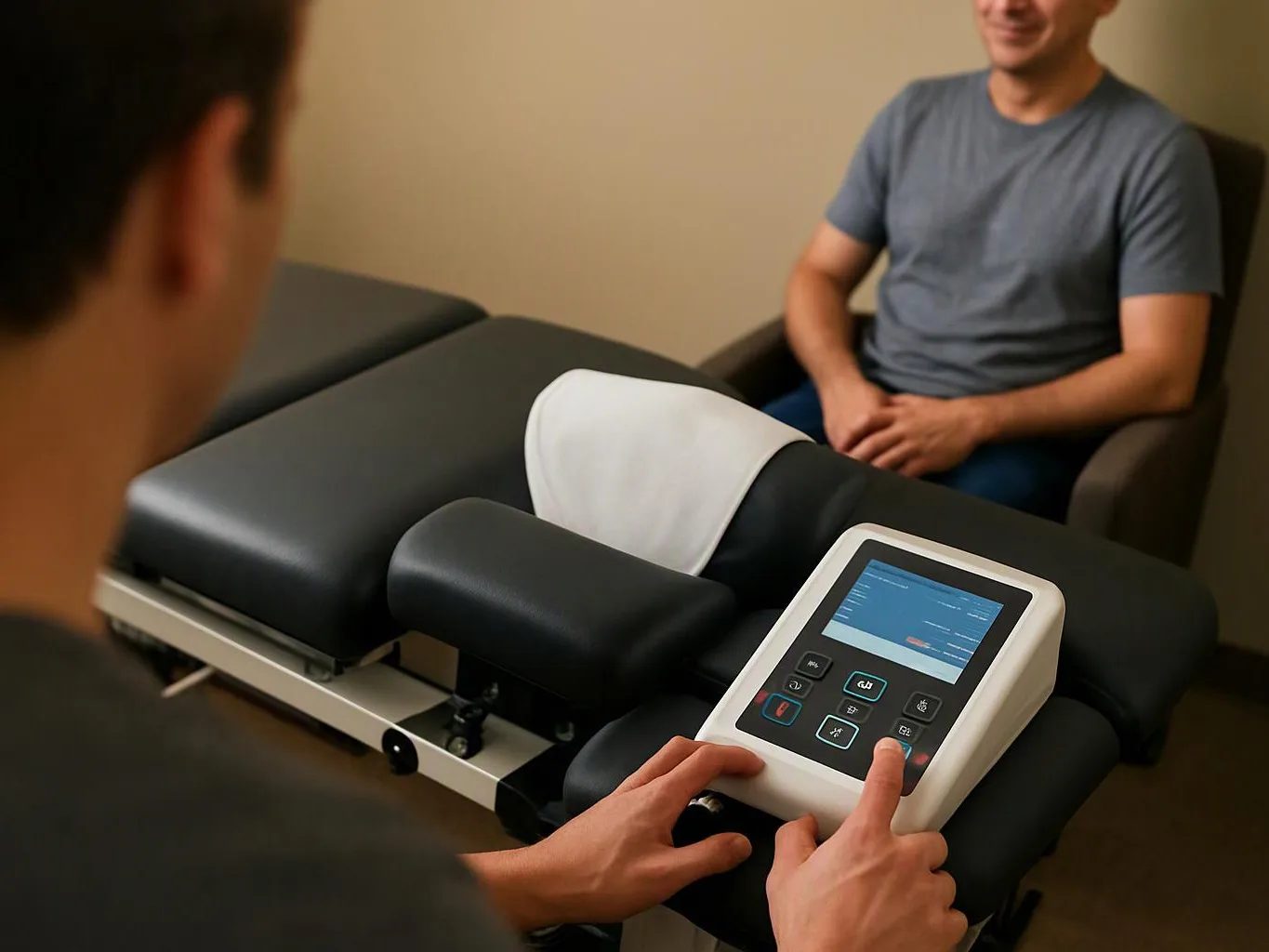
A person adjusts a therapy table device while another sits nearby in a small treatment room

Spinal Decompression Therapy in Other Areas

The health and wellness information on this website is for general informational purposes only and is not medical advice. It does not create a provider-patient relationship. Individual results vary.

(615) 265-0412