Skip to content

Spinal Decompression Therapy in Pegram, Tennessee

Safety comes first with gentle traction in Pegram. We check your comfort before adjusting the treatment harness or continuing care.

Upfront, Transparent PricingServing 18 CommunitiesMon-Fri: 9 am–7 pm, Sat: 9 am–2 pm, Sun: ClosedFast Scheduling

Quick Summary: Spinal Decompression Care in Pegram, Tennessee

Spinal decompression therapy in Pegram is provided by Advanced Injury Care Clinic for injury-related back pain, neck pain, sciatica, and mobility concerns. Our chiropractor-led care team begins with an evaluation and builds a patient-centered treatment plan around your goals.

  • What we do: Advanced Injury Care Clinic provides spinal decompression therapy for patients in Pegram, Tennessee, after an evaluation and comfort check.
  • What is included: Injury evaluations, spinal decompression, soft-tissue therapy, corrective exercises, and rehabilitation guidance.
  • What you get: The treatment plan sets a safe care path for improving movement and daily function.

What should I expect during spinal decompression therapy?

Gentle traction begins after an evaluation and comfort check. A treatment harness supports your position while our team watches how your body responds and adjusts the session when needed.

Scope and Service Overview for Pegram

Spinal decompression therapy is for people whose back pain, neck pain, sciatica, or mobility concerns call for focused spinal care. The main decision is whether this treatment fits your symptoms and goals after an evaluation.

Our team reviews your health history, examines movement, and considers the source of discomfort. We may also use spinal adjustments, soft-tissue therapy, corrective exercises, or rehabilitation guidance as part of the wider plan.

The treatment has limits. It isn't the right choice for every condition, and individual response differs. We explain the findings before care begins so you can make an informed choice.

  • Review the health history and current symptoms before treatment.
  • Check spinal movement, comfort, and functional goals.
  • Discuss whether traction fits the treatment plan.
  • Pair spinal care with exercises or soft-tissue therapy when appropriate.
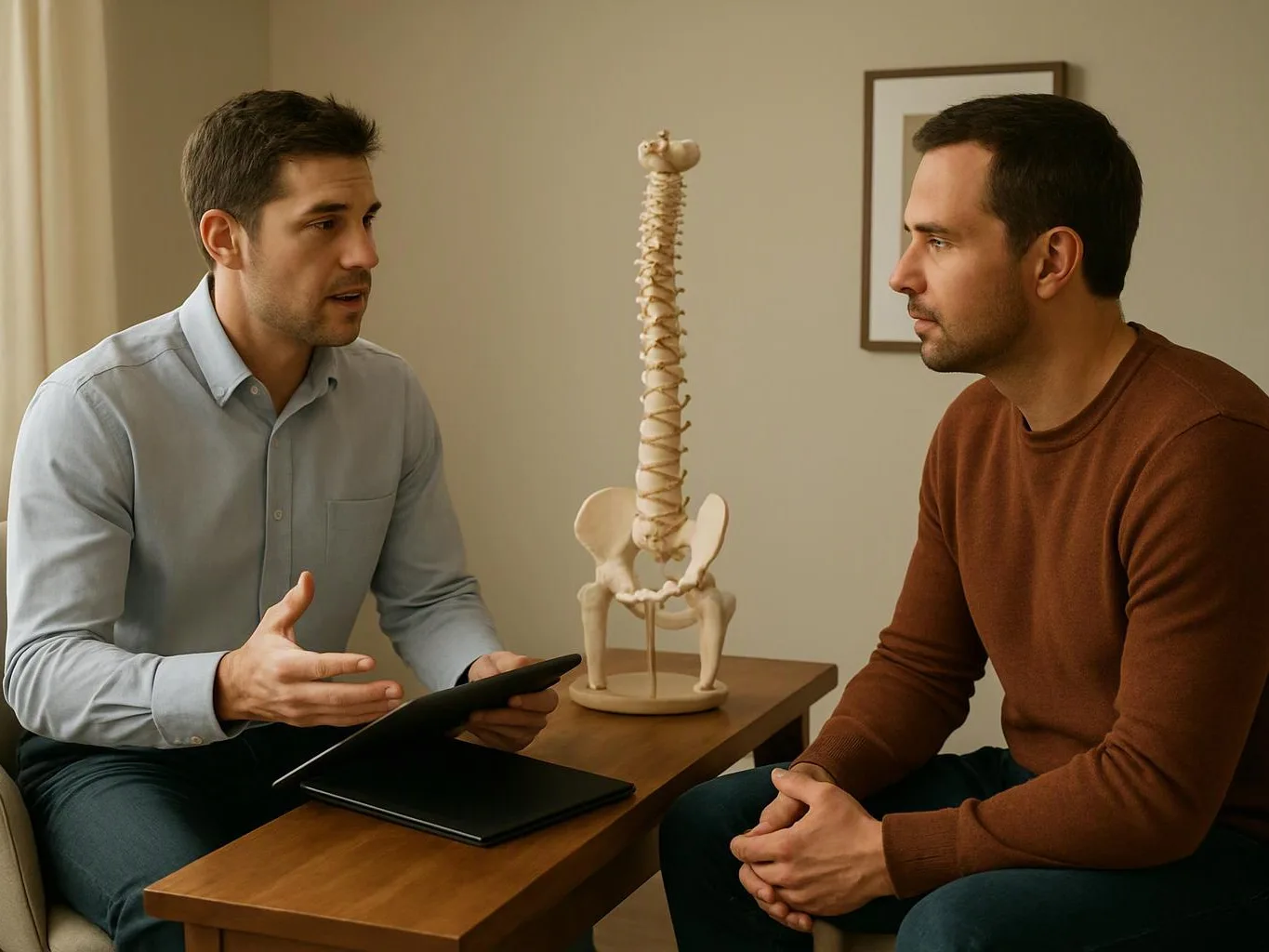
A man and woman sit at a table talking, with a spine model and notebook in a bright room

Service Overview

Spinal decompression therapy is a noninvasive treatment that uses controlled traction to support movement around the spine.

  • Unlike soft-tissue therapy, this approach focuses on supported spinal traction while adjustments and exercises address other care needs.
  • Advanced Injury Care Clinic provides this care for patients in Pegram and surrounding communities.

What Spinal Decompression Therapy Includes

Advanced Injury Care Clinic provides comprehensive Spinal Decompression Therapy in Pegram. Here's what you get:

  • A health history and exam help us understand your symptoms and movement limits.
  • A report of findings explains what we observed and how it relates to your goals.
  • A personalized treatment plan sets out the role of spinal decompression therapy.
  • A treatment harness supports your position during controlled traction.
  • A comfort assessment guides changes during the session.
  • Progress re-examination helps us review how your care is going.

What This Spinal Care Can Support

Controlled traction may support more comfortable movement for some patients.

A focused plan connects spinal care with daily function and recovery goals.

Comfort checks give you a chance to report pressure or discomfort during care.

Corrective exercises can support movement between visits when they fit your plan.

Soft-tissue therapy may address muscle tension alongside spinal treatment.

How We Approach Spinal Decompression Care

Start with a suitability check

We review your history, symptoms, and movement before choosing spinal decompression therapy. This service is the wrong fit when your evaluation points to another type of care or a need for medical attention.

Keep comfort part of treatment

The treatment harness supports your position, while a comfort assessment helps us decide whether the approach needs adjustment.

Connect care to function

We relate spinal treatment to walking, work, exercise, and other daily goals. Corrective exercises or rehabilitation guidance may support that plan.

Process

How Spinal Decompression Care Works

1

Review Your Health History

We discuss your symptoms, injury history, daily limits, and care goals before treatment begins.

2

Complete The Movement Exam

The exam checks movement, tenderness, and other findings that may affect treatment choices.

3

Explain The Findings

Our report of findings connects the exam to your symptoms and outlines suitable care options.

4

Position The Treatment Harness

The treatment harness supports your position on the spinal decompression table before traction starts.

5

Check Comfort During Traction

Gentle traction begins with comfort as a key guide. We ask how the position feels and adjust the approach when needed.

6

Review The Care Plan

We discuss follow-up care, corrective exercises, or other services that fit your goals and progress.

Choosing A Spinal Care Approach

These options address different needs, so the evaluation guides which approach belongs in your plan.

Care optionMain focusWhen it may fit
Spinal decompression therapySupported traction around the spineWhen the exam supports traction for back pain, neck pain, or mobility concerns
Soft-tissue therapyMuscle and soft-tissue tensionWhen muscle symptoms are part of the care plan
Corrective exercisesActive movement and rehabilitationWhen exercises support daily function and treatment goals

The Advanced Injury Care Clinic Standard

  • Patient Assessment
  • Personalized Care Plans
  • Clear Treatment Explanations
  • Progress Monitoring

Questions About Spinal Decompression Care

Who is a good fit for this treatment, and who needs another service?

Patients with suitable back pain, neck pain, sciatica, or mobility concerns may fit this treatment after an exam. The evaluation decides whether traction belongs in the plan. Some patients need adjustments, soft-tissue therapy, corrective exercises, or medical attention instead.

What does the team check before traction starts?

The health history and movement exam come first. We review injury details, symptoms, daily limits, and treatment goals. The exam helps us decide whether spinal decompression therapy is suitable and what comfort concerns require attention.

Which part of the job changes the treatment cost?

The treatment plan changes the cost based on the services your evaluation supports. Related care may include spinal adjustments, soft-tissue therapy, corrective exercises, or rehabilitation guidance. A free consultation lets you discuss the plan before care begins.

When might corrective exercises be added?

Corrective exercises may be added when movement limits or daily goals call for active support. Our team chooses exercises after reviewing your exam and treatment response. The plan can also include rehabilitation guidance for work, activity, or ordinary movement.

Why does comfort matter during traction?

Comfort matters because positioning and pressure affect how you respond during treatment. We ask about your comfort while the harness and table support your body. Your feedback helps us adjust the approach and keep the session aligned with the care plan.

Do I need a referral before scheduling an assessment?

A referral is not stated as a requirement for requesting an assessment with our clinic. Bring your health history and injury details if available. Our team can review your concerns, perform an evaluation, and explain whether spinal decompression therapy fits.
Contact

Discuss Spinal Decompression Therapy in Pegram

Pegram patients can request an assessment for back pain, neck pain, sciatica, or injury-related mobility concerns. Contact Advanced Injury Care Clinic to ask about a free consultation and discuss whether spinal decompression therapy fits your goals.

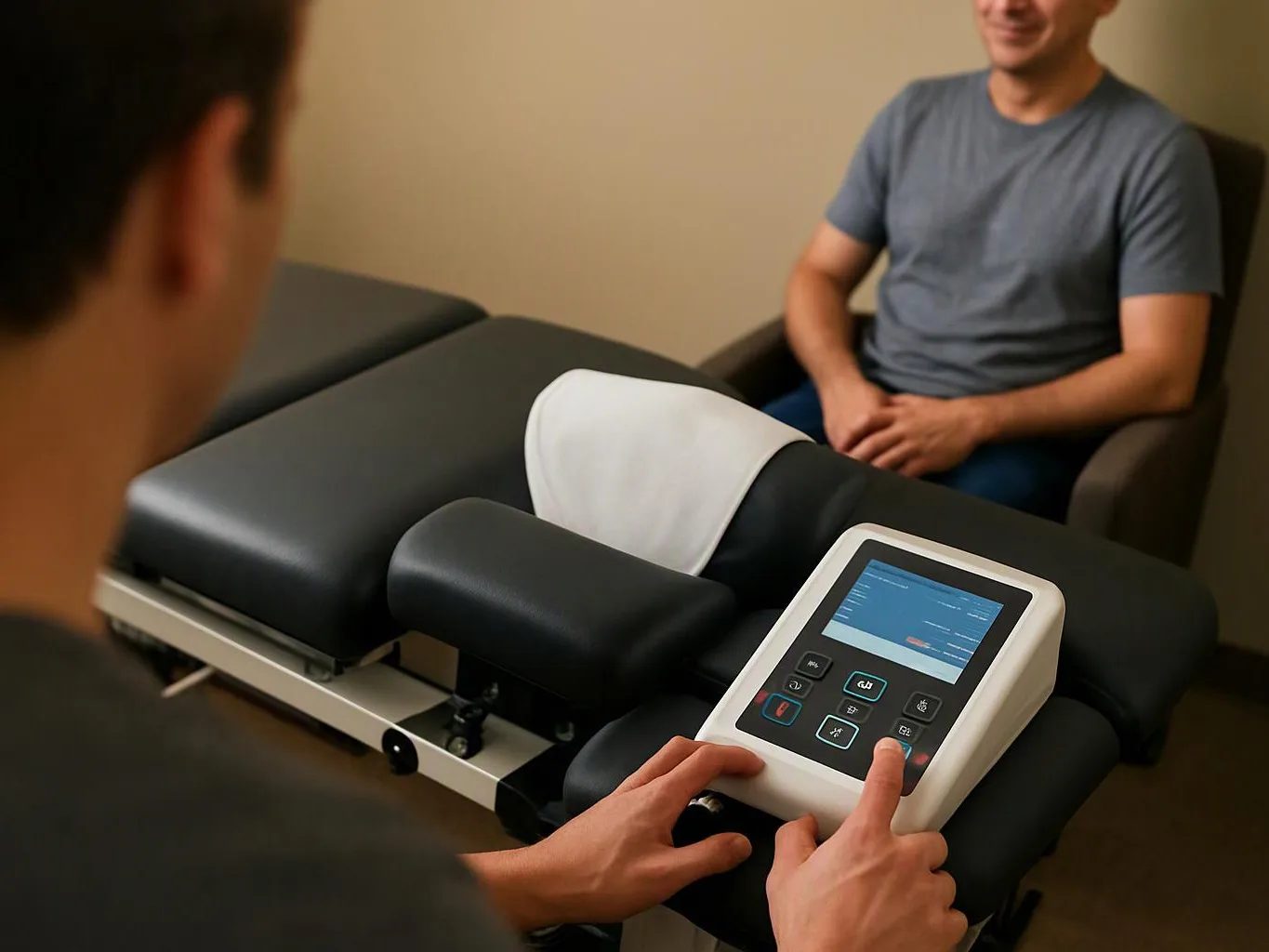
A person adjusts a therapy table device while another sits nearby in a small treatment room

ZIP Codes We Serve in Pegram, Tennessee

37143

Spinal Decompression Therapy in Other Areas

The health and wellness information on this website is for general informational purposes only and is not medical advice. It does not create a provider-patient relationship. Individual results vary.

(615) 265-0412