Skip to content

Spinal Decompression Therapy in La Vergne, Tennessee

Spinal stretching in La Vergne can support care for back pain, neck pain, sciatica, and mobility concerns. Free Consultations help you discuss whether this treatment fits your goals.

Upfront, Transparent PricingServing 18 CommunitiesMon-Fri: 9 am–7 pm, Sat: 9 am–2 pm, Sun: ClosedFast Scheduling

Quick Summary: Spinal decompression care in La Vergne, Tennessee

Spinal Decompression Therapy in La Vergne is provided by Advanced Injury Care Clinic for back pain, neck pain, sciatica, and mobility concerns. The clinic serves La Vergne and surrounding communities through individualized, noninvasive chiropractic care plans.

  • What we do: Advanced Injury Care Clinic provides Spinal Decompression Therapy for patients in La Vergne, Tennessee.
  • What is included: Health history review, injury evaluation, traction table care, decompression cycles, and individualized treatment planning.
  • What you get: The treatment plan identifies whether controlled spinal traction fits the patient’s symptoms and movement goals.

Why does back pain keep returning after an injury?

Recurring back pain can involve irritated tissues, restricted movement, or strain that needs a careful exam. Spinal Decompression Therapy may support a broader plan when the findings fit, but urgent or severe symptoms need medical assessment.


Spinal Decompression Therapy for La Vergne Patients

This service is designed for people who want a careful assessment before adding spinal traction to their care plan. It may suit back pain, neck pain, sciatica, or mobility concerns linked to an accident, workplace injury, sports injury, or another incident.

The key decision is fit. Our team reviews your health history and completes an injury evaluation before treatment planning. We may also consider spinal adjustments, soft-tissue therapy, corrective exercises, or rehabilitation guidance when those services match your needs.

La Vergne patients receive care through our coverage of the local area and surrounding communities. Spinal decompression therapy is not the right choice for every symptom, so we explain when another form of evaluation or care is more suitable.

  • Review the symptoms, injury history, and daily movement limits.
  • Check whether controlled traction fits the exam findings.
  • Discuss related care such as soft-tissue therapy or corrective exercises.
  • Set a treatment plan that reflects the patient’s goals.
A woman writes on a clipboard while speaking with a man seated on a gym floor

Service Overview

Spinal Decompression Therapy is a noninvasive treatment that uses controlled traction to reduce loading through parts of the spine.

  • Spinal decompression therapy differs from a spinal adjustment because it uses gradual traction cycles, while an adjustment applies a specific manual force.
  • Advanced Injury Care Clinic provides this care for patients in La Vergne and surrounding communities.

What Spinal Decompression Therapy Includes

Advanced Injury Care Clinic provides comprehensive Spinal Decompression Therapy in La Vergne. Here's what you get:

  • We begin with a new patient intake, health history, and physical evaluation.
  • We review back pain, neck pain, sciatica, headaches, or mobility concerns that affect daily tasks.
  • We use a spinal decompression table for controlled traction when the assessment supports it.
  • We apply planned decompression cycles and monitor how your body responds.
  • We explain a personalized treatment plan and related rehabilitation guidance when appropriate.
  • We review progress during follow-up care and adjust the plan when your needs change.
Process

How We Provide Spinal Decompression Care

1

Complete the health history

We discuss your symptoms, injury history, current care, and daily movement limits during the new patient intake.

2

Perform the injury evaluation

Our team checks spinal movement and related concerns to decide whether controlled traction fits your condition.

3

Explain the treatment plan

We review the findings and explain how the traction table and decompression cycles may fit your goals.

4

Apply controlled traction

When the plan supports it, we use the spinal decompression table and monitor your response during care.

5

Review progress and next steps

Follow-up care helps us discuss symptom changes, movement goals, and whether the plan needs adjustment.

A client scenario this service addresses

A person in La Vergne with recurring back pain after an accident may want to know whether traction is appropriate. We would review the injury history, check movement, and discuss decompression cycles before setting a treatment plan.

How We Approach Spinal Decompression Care

Assessment before traction

We review your symptoms, health history, and movement before scheduling treatment. Spinal decompression therapy is the wrong choice when your findings call for a different type of medical evaluation.

Care built around your goals

Patient-centered treatment plans connect the exam findings with daily needs, such as sitting, walking, lifting, or returning to activity.

Related treatment options

Our chiropractor-led care team may combine traction with spinal adjustments, soft-tissue therapy, corrective exercises, or rehabilitation guidance when those options fit.

What This Spinal Care May Help You Do

Controlled traction may help reduce strain around painful spinal areas.

A structured plan gives you a clearer way to track movement and symptom changes.

Care may support easier daily movement when back or neck symptoms limit activity.

The evaluation can identify when spinal decompression therapy does not fit your condition.

Related exercises may help you carry treatment goals into home and work routines.

How Spinal Decompression Differs From Related Care

These options use different methods, so the evaluation helps identify which approach fits your needs.

Care optionMain methodCommon purpose
Spinal decompression therapyControlled traction and decompression cyclesSupports care for selected spinal pain and mobility concerns
Spinal adjustmentA specific manual adjustment to a spinal jointAddresses joint movement when the exam supports it
Soft-tissue therapyHands-on work with muscles and related soft tissueAddresses muscle tension and soft-tissue concerns
Corrective exerciseGuided movements that support strength and controlHelps connect treatment goals with daily movement

The Advanced Injury Care Clinic Standard

  • Patient Assessment
  • Personalized Care Plans
  • Clear Treatment Explanations
  • Progress Monitoring

Questions About Spinal Decompression Therapy

How does spinal stretching work during decompression therapy?

Spinal stretching uses controlled traction through a spinal decompression table. Advanced Injury Care Clinic reviews the health history and exam first, then plans decompression cycles when the findings support them. The table applies gradual pulling and release, and the team monitors your response. Individual results vary, so care is adjusted around symptoms and movement goals.

What does the team look at first before treatment?

The initial evaluation looks at your symptoms, injury history, spinal movement, and daily activity limits. We also review related concerns such as sciatica, neck pain, or headaches. This information helps us decide whether traction fits your needs. The assessment may also point toward corrective exercises, soft-tissue therapy, or another care option.

What should be checked before decompression therapy is scheduled?

A health history and physical evaluation should be completed before spinal decompression therapy is scheduled. Our team reviews current symptoms, prior injuries, medications, and movement concerns. X-rays may be considered if clinically indicated. The treatment plan follows the findings, and we explain the reason for the recommended approach.

Which part of care changes the cost of spinal traction?

The evaluation and treatment plan are the main factors that shape the cost of spinal traction. Related services, the number of concerns addressed, and the planned follow-up also matter. We discuss those factors during a consultation. Free Consultations provide a chance to review your needs before care begins.

When is another service a better fit?

Another service is a better fit when the evaluation shows that traction does not match the condition or current symptoms. Our team may discuss spinal adjustments, soft-tissue therapy, corrective exercises, or rehabilitation guidance. Severe or urgent symptoms need appropriate medical assessment. We explain the next step after reviewing the findings.

Why might back pain return after treatment?

Back pain can return when movement limits, tissue strain, injury factors, or daily activity demands remain unresolved. Spinal decompression therapy may be one part of a broader plan when the exam supports it. Our team reviews progress and may add corrective exercises or rehabilitation guidance. Individual response differs from person to person.
Contact

Discuss Spinal Decompression Therapy in La Vergne

Are you dealing with back pain, sciatica, or limited movement? Contact Advanced Injury Care Clinic to request a Free Consultation and discuss whether this care fits your needs.

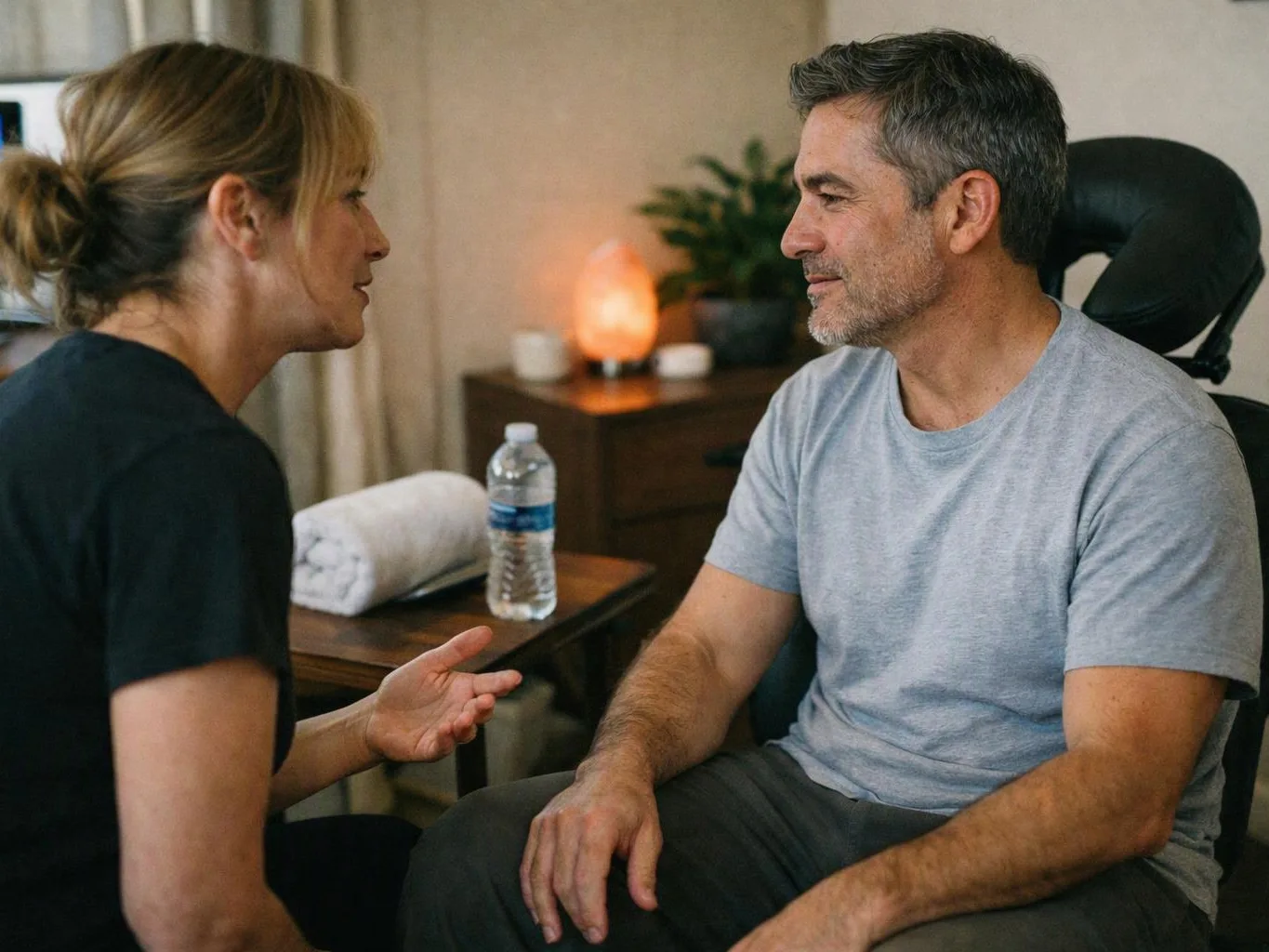
A smiling woman sits by a massage table while a man folds towels in a calm treatment room

ZIP Codes We Serve in La Vergne, Tennessee

3708637089

The health and wellness information on this website is for general informational purposes only and is not medical advice. It does not create a provider-patient relationship. Always consult a qualified licensed provider in Brentwood Estates, Tennessee, United States about your specific condition before making care decisions. Individual results vary.

(615) 265-0412