Skip to content

Spinal Decompression Therapy in Kingston Springs, Tennessee

When pregnancy concerns affect the plan, we adjust the care scope in Kingston Springs. Our team reviews safety concerns before discussing spinal decompression therapy.

Upfront, Transparent PricingServing 18 CommunitiesMon-Fri: 9 am–7 pm, Sat: 9 am–2 pm, Sun: ClosedFast Scheduling

Quick Summary: Spinal Decompression Therapy in Kingston Springs, Tennessee

Spinal Decompression Therapy in Kingston Springs is provided by Advanced Injury Care Clinic for back pain, neck pain, sciatica, and accident-related injuries across the greater Nashville area. Our team starts with a thorough evaluation and creates an individualized care plan.

  • What we do: Advanced Injury Care Clinic provides Spinal Decompression Therapy for patients in Kingston Springs, Tennessee, after a health history and exam.
  • What is included: spinal decompression, injury evaluation, soft-tissue therapy, corrective exercises, and personalized treatment planning.
  • What you get: The patient receives a treatment direction that matches the exam findings, symptoms, and safety needs.

Who should avoid spinal decompression therapy when pregnancy concerns or severe bone weakness are present?

Patients with pregnancy concerns, a spinal fracture, severe osteoporosis, or other serious warning signs need medical screening before spinal decompression therapy. The care team reviews the health history and exam findings first. Treatment may need to be changed, delayed, or replaced with another approach. Urgent symptoms require medical attention before a chiropractic treatment plan begins.


Spinal Decompression Therapy in Kingston Springs: Safety Before Treatment

This service is for people with spine-related symptoms such as back pain, neck pain, sciatica, or discomfort linked to an accident. The key decision is whether controlled decompression fits the findings from the health history and exam.

A spinal fracture or severe osteoporosis can make decompression unsuitable. Pregnancy concerns can also change the plan and require added medical screening. We review these issues before choosing a treatment path, and we may recommend another form of care when decompression is not appropriate.

Patients seeking care in Kingston Springs can receive an evaluation through our practice in Brentwood, with coverage for surrounding communities and the greater Nashville area. The service decision rests on clinical findings, not on the symptom name alone.

  • Share any pregnancy concerns, recent injuries, or known bone conditions during the new patient intake.
  • Bring available medical records or imaging reports when they relate to the current spine complaint.
  • Ask which treatment options fit the exam findings before starting decompression therapy.
  • Discuss a progress re-examination if symptoms change during care.
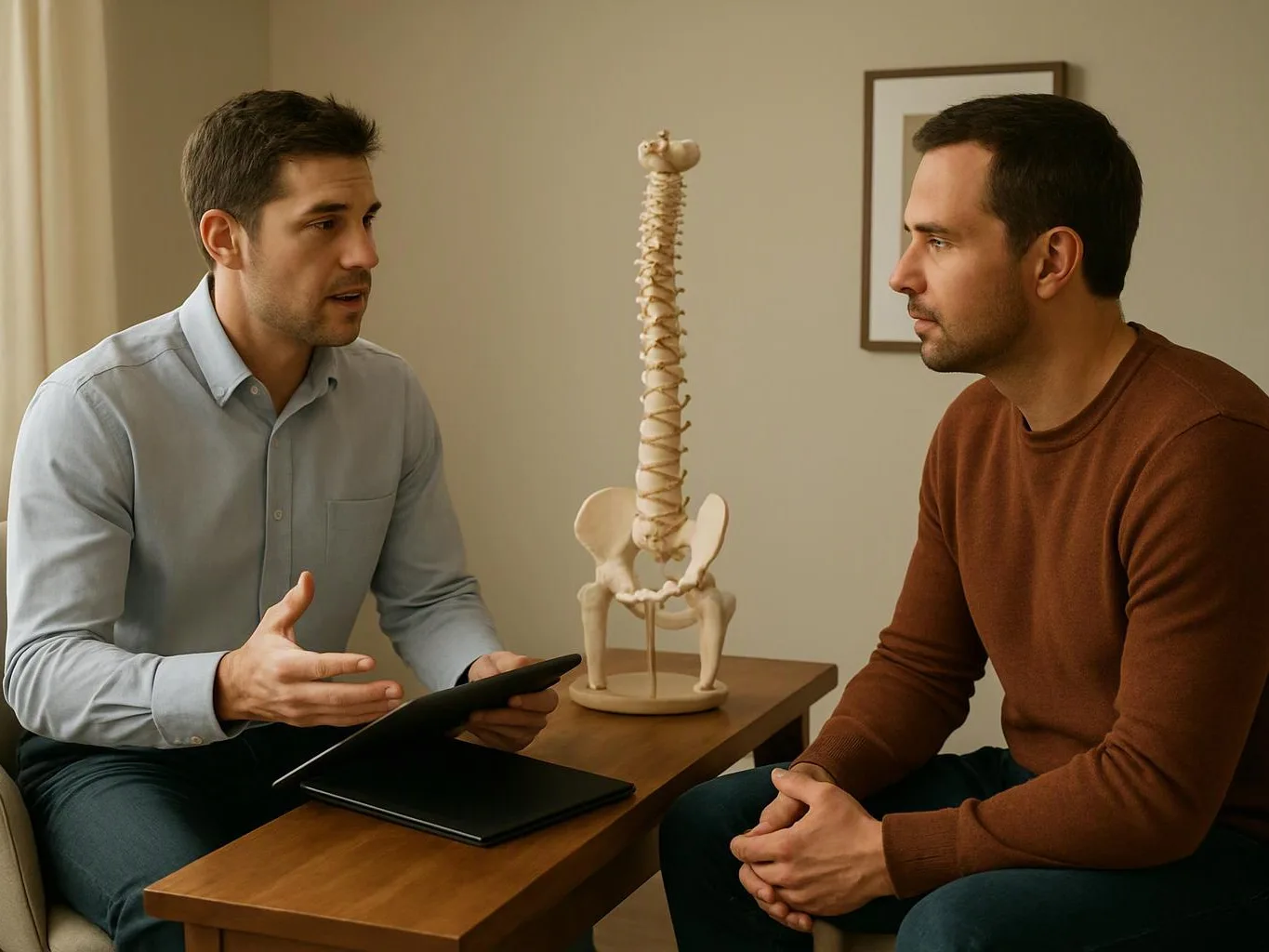
A pregnant woman and a man sit facing each other, talking in a calm living room

Service Overview

Spinal decompression therapy is a noninvasive treatment that uses controlled unloading to address certain spine-related symptoms.

  • It differs from spinal adjustments because it uses gentle traction-based positioning instead of a thrusting adjustment.
  • Advanced Injury Care Clinic provides this care for patients in Kingston Springs after an evaluation identifies a suitable treatment direction.

What This Care Can Change for Your Spine

Controlled unloading may help reduce stress around some painful spinal areas.

A careful screening process helps identify when decompression is not the right treatment.

A personalized plan connects spinal care with movement goals and daily function.

Corrective exercises may support the changes made during in-office treatment.

Patients receive a clearer treatment direction after the exam and report of findings.

Process

How We Complete Your Spinal Decompression Visit

1

Complete the new patient intake

We record your symptoms, injury history, health concerns, and treatment goals.

2

Review the spine and safety factors

The health history and exam screen for pregnancy concerns, spinal fracture, severe osteoporosis, and other findings.

3

Explain the report of findings

We discuss what the exam shows and whether spinal decompression fits the current condition.

4

Set the personalized treatment plan

The plan may use a spinal decompression table, soft-tissue therapy, adjustments, or corrective exercises.

5

Review progress and next steps

A progress re-examination helps us decide whether the care plan should continue or change.

How We Approach Spinal Decompression Decisions

Screening comes before table treatment

The health history and exam come first. We check for pregnancy concerns, spinal fracture, severe osteoporosis, and other findings that could change the plan.

The plan follows the exam

The treatment plan may include decompression, soft-tissue therapy, adjustments, or corrective exercises. We match the approach to the patient’s goals and findings.

Know when another service fits

Spinal decompression is the wrong job when serious injury or bone weakness needs medical assessment first. We direct the care plan toward the safest next step.

What Spinal Decompression Therapy Includes for Your Visit

Advanced Injury Care Clinic provides comprehensive Spinal Decompression Therapy in Kingston Springs. Here's what you get:

  • A new patient intake records the symptoms, injury history, and health concerns that affect treatment planning.
  • A health history and exam help us screen for spinal fracture, severe osteoporosis, and other safety concerns.
  • The treatment plan explains whether controlled spinal unloading fits the patient’s needs.
  • Spinal decompression uses a decompression table to apply controlled movement to the spine.
  • The visit may include supportive care such as soft-tissue therapy or corrective exercises when appropriate.
  • Follow-up care reviews progress and helps us decide whether the plan needs adjustment.

Spinal Decompression Options Compared With Related Care

These options differ in how they address spine symptoms and movement needs.

Care optionMain focusWhen it may fit
Spinal decompressionControlled unloading on a decompression tableCertain spine-related symptoms after screening
Spinal adjustmentsManual joint movementSelected mobility concerns after examination
Soft-tissue therapyMuscle and soft-tissue tensionSupportive care for selected pain and movement concerns
Corrective exercisesMovement control and strengthHome or in-office support when included in the plan

The Advanced Injury Care Clinic Standard

  • Patient Assessment
  • Personalized Care Plans
  • Clear Treatment Explanations
  • Progress Monitoring

Questions About Spinal Decompression Therapy and Safety

Who should avoid spinal decompression therapy?

Pregnancy concerns, spinal fracture, and severe osteoporosis can require a different treatment decision. We review the health history and exam before using a decompression table. Other warning signs may also change the plan. Patients should share known diagnoses, recent injuries, and current medical care during intake.

What does the care team look at first?

The health history and exam come first. We ask about symptoms, injury details, bone health, and pregnancy concerns. The exam helps us decide whether decompression is suitable. We may also review available medical records or imaging when those details affect the treatment decision.

When is spinal decompression the wrong service?

Spinal decompression is the wrong service when a spinal fracture or severe osteoporosis needs medical assessment first. Serious or unexplained symptoms also require careful screening. We may choose another form of care after reviewing the findings. The treatment plan follows the patient’s safety needs.

Why does medical screening matter before decompression?

Medical screening matters because some conditions can make spine treatment unsafe or unsuitable. The intake and exam help identify bone weakness, structural injury, and other concerns. We use those findings to set a treatment direction. Patients should mention recent accidents and known diagnoses before care begins.

How does the first visit guide treatment choices?

The first visit guides treatment through a new patient intake, health history, exam, and report of findings. We then explain whether decompression, adjustments, soft-tissue therapy, or exercises fit the case. Patients receive a personalized treatment plan based on symptoms, goals, and safety findings.

What should I bring to a first chiropractic appointment?

Medical records and imaging reports can help when they relate to the current complaint. Bring a list of known conditions, recent injuries, and current treatment details. Pregnancy concerns and bone health also belong in the health history. We use those details during the assessment.

Which symptoms need medical attention before chiropractic care?

Severe or unexplained symptoms need medical attention before chiropractic care. A suspected spinal fracture, major injury, or serious change in function can alter the treatment path. Tell us about these concerns during intake. We can then explain whether an evaluation or another medical step comes first.
Contact

Discuss Spinal Decompression Therapy in Kingston Springs

Contact Advanced Injury Care Clinic to request a free consultation for spinal decompression therapy. After you reach out, we’ll review your concern, arrange the next assessment step, and explain what the first visit includes.

A man with a clipboard talks with a seated woman in a calm 상담 room

ZIP Codes We Serve in Kingston Springs, Tennessee

37082

Spinal Decompression Therapy in Other Areas

The health and wellness information on this website is for general informational purposes only and is not medical advice. It does not create a provider-patient relationship. Individual results vary.

(615) 265-0412