Skip to content

Spinal Decompression Therapy in Forest Hills, Tennessee

Medical screening helps prevent a poor treatment fit in Forest Hills. We review your symptoms and health history before planning care.

Upfront, Transparent PricingServing 18 CommunitiesMon-Fri: 9 am–7 pm, Sat: 9 am–2 pm, Sun: ClosedFast Scheduling

Quick Summary: Spinal decompression care in Forest Hills, Tennessee

Spinal Decompression Therapy in Forest Hills is provided by Advanced Injury Care Clinic for patients with spine-related pain and mobility concerns. Care includes a health history, physical evaluation, and an individualized plan within the greater Nashville area.

  • What we do: Advanced Injury Care Clinic provides Spinal Decompression Therapy for Forest Hills, Tennessee patients with back pain, neck pain, sciatica, whiplash, and related mobility concerns.
  • What is included: Medical screening, injury evaluations, spinal decompression, spinal adjustments, soft-tissue therapy, and corrective exercise guidance.
  • What you get: The patient receives a treatment decision and care plan matched to the source of the symptoms and stated health goals.

Who should avoid spinal decompression therapy because of a warning sign?

Medical screening identifies people who should avoid spinal decompression therapy, including patients with suspected spinal fracture, severe osteoporosis, or pregnancy concerns that need further review. A history of serious injury or changing symptoms also calls for careful assessment before treatment.

Spinal Decompression Therapy for Forest Hills Patients

Spinal decompression therapy focuses on patients whose back pain, neck pain, sciatica, or mobility concerns may fit controlled spinal unloading. The main decision is whether this method matches the patient's health history and goals.

Medical screening is the key step for this page's buyer question. Pregnancy concerns, a suspected spinal fracture, and severe osteoporosis can change whether treatment is appropriate. Our team reviews these concerns before selecting spinal decompression, spinal adjustments, soft-tissue therapy, or corrective exercises.

Results vary between patients. This service isn't a fit for every cause of pain, so a complete injury evaluation helps set a safer direction.

  • Share the symptoms, injury history, and health concerns that affect treatment choice.
  • Ask whether spinal decompression fits your current condition and care goals.
  • Discuss other options if screening shows that decompression isn't suitable.
  • Follow the personalized treatment plan and attend progress re-examinations when advised.
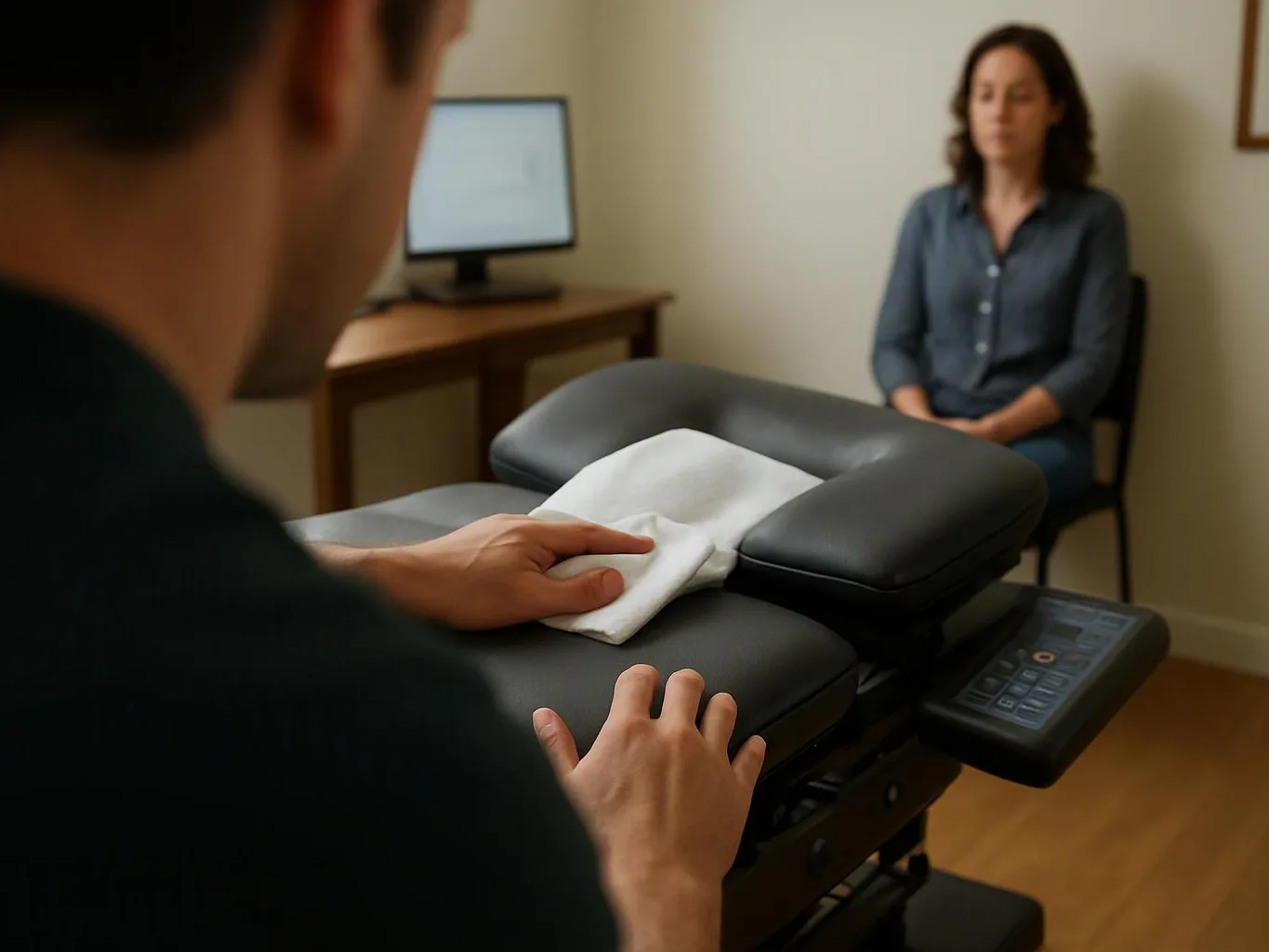
A person adjusts a padded treatment table while a seated woman waits in a small exam room

Service Overview

Spinal decompression therapy is a noninvasive treatment approach that uses controlled unloading to address certain spine-related pain and mobility concerns.

  • Spinal decompression differs from spinal adjustments because it uses a separate treatment method, while adjustments apply targeted manual force to selected joints.
  • Advanced Injury Care Clinic provides this care for patients in Forest Hills and the greater Nashville area.

What Spinal Decompression Therapy Can Support

A careful screening process helps match treatment to your health history.

Controlled spinal unloading may support comfort and movement for selected spine-related concerns.

An individualized plan keeps the treatment focus on your symptoms and daily function.

Corrective exercises may help you build movement habits that support recovery.

Progress reviews give our team a chance to reassess your response and adjust care.

Process

How We Provide Spinal Decompression Therapy

1

Complete the new patient intake

We record your symptoms, health history, injury details, and goals during the new patient intake.

2

Review safety and treatment fit

Our team checks for pregnancy concerns, suspected spinal fracture, severe osteoporosis, and other factors that could change treatment selection.

3

Perform the injury evaluation

We assess movement, painful areas, and related spine, joint, or muscle concerns. X-rays may be considered when clinically indicated.

4

Choose the care approach

We explain whether spinal decompression fits the findings and may include adjustments, soft-tissue therapy, or exercises in the plan.

5

Review progress and next steps

Follow-up reviews help us assess your response and guide changes to the personalized treatment plan.

How We Approach Spinal Decompression Care

Medical screening before treatment

Medical screening comes before treatment selection, so pregnancy concerns, suspected fractures, and severe osteoporosis receive proper attention. This service is the wrong choice when the evaluation shows that spinal unloading could add risk or does not match the condition.

Injury-focused evaluation

Comprehensive injury evaluations look beyond a single painful area. We consider the spine, joints, muscles, movement limits, and the event that caused the problem.

Care that fits your goals

Patient-centered treatment plans connect the chosen method with your daily function and recovery goals. The plan may include decompression, adjustments, soft-tissue work, or exercises.

What Spinal Decompression Therapy Includes

Advanced Injury Care Clinic provides comprehensive Spinal Decompression Therapy in Forest Hills. Here's what you get:

  • We begin with a new patient intake that records your symptoms, health history, and treatment goals.
  • Our team performs a comprehensive injury evaluation before selecting a treatment method.
  • We review pregnancy concerns, fracture risk, osteoporosis concerns, and other factors that may affect suitability.
  • We provide spinal decompression when the evaluation supports that approach.
  • We may combine care with spinal adjustments, soft-tissue therapy, or corrective exercises.
  • We explain follow-up care and practical rehabilitation guidance for daily movement.

How Spine Care Methods Differ

These methods address different treatment goals and are selected after the evaluation.

Care methodMain approachWhen our team may consider it
Spinal decompressionControlled spinal unloadingWhen screening supports this approach for spine-related symptoms
Spinal adjustmentsTargeted manual joint movementWhen examination findings support an adjustment
Soft-tissue therapyHands-on work for muscles and related tissuesWhen soft-tissue limits contribute to discomfort or restricted movement
Corrective exercisesGuided movement and rehabilitation activitiesWhen exercises fit the patient's condition and daily goals

The Advanced Injury Care Clinic Standard

  • Patient Assessment
  • Personalized Care Plans
  • Clear Treatment Explanations
  • Progress Monitoring

Questions About Spinal Decompression Therapy

Who should avoid spinal decompression therapy?

Medical screening identifies patients who should avoid spinal decompression therapy or receive further review first. Pregnancy concerns, suspected spinal fracture, and severe osteoporosis can affect safety and treatment choice. A new injury or changing symptom pattern also deserves careful assessment. Our team reviews these concerns before selecting decompression or another care method.

How can I tell whether spinal decompression fits my symptoms?

Spinal decompression fits only when the evaluation supports controlled unloading for your symptoms and health history. The assessment reviews back pain, neck pain, sciatica, whiplash, movement limits, and injury details. Our team then explains whether decompression fits or whether adjustments, soft-tissue therapy, or exercises better match your needs.

What does the first visit include?

The first visit includes a new patient intake, health history, physical evaluation, and discussion of your treatment goals. X-rays may be considered when clinically indicated. Our team also reviews warning signs and suitability concerns before recommending spinal decompression or another part of your care plan.

Which health condition changes the treatment decision most?

Severe osteoporosis, a suspected spinal fracture, or pregnancy concerns can change the treatment decision most. These conditions require careful review before spinal unloading. Our team considers the full health history and current symptoms, then explains the safest supported direction for care.

Why might adjustments be used with decompression?

Spinal adjustments and decompression use different methods, so our team may combine them when both fit the evaluation. Decompression uses controlled unloading, while an adjustment applies targeted force to selected joints. The treatment plan reflects your symptoms, movement findings, and goals.

What should I bring to a consultation?

Your injury history, current symptoms, health details, and treatment goals help our team assess suitability. Bring information about pregnancy concerns, bone health, prior injuries, and changes in pain when relevant. These details support a more focused discussion before spinal decompression is considered.

Which part of the evaluation decides whether care should continue?

The progress re-examination decides whether the treatment plan still fits your symptoms and movement goals. Our team reviews your response and checks for changes that call for a different approach. Care can then be adjusted to support recovery and daily function.
Contact

Discuss Spinal Decompression Therapy in Forest Hills

Start with a medical screening that reviews your symptoms, injury history, and treatment fit. Book a Free Consultation with Advanced Injury Care Clinic to discuss spinal decompression therapy and your care options.

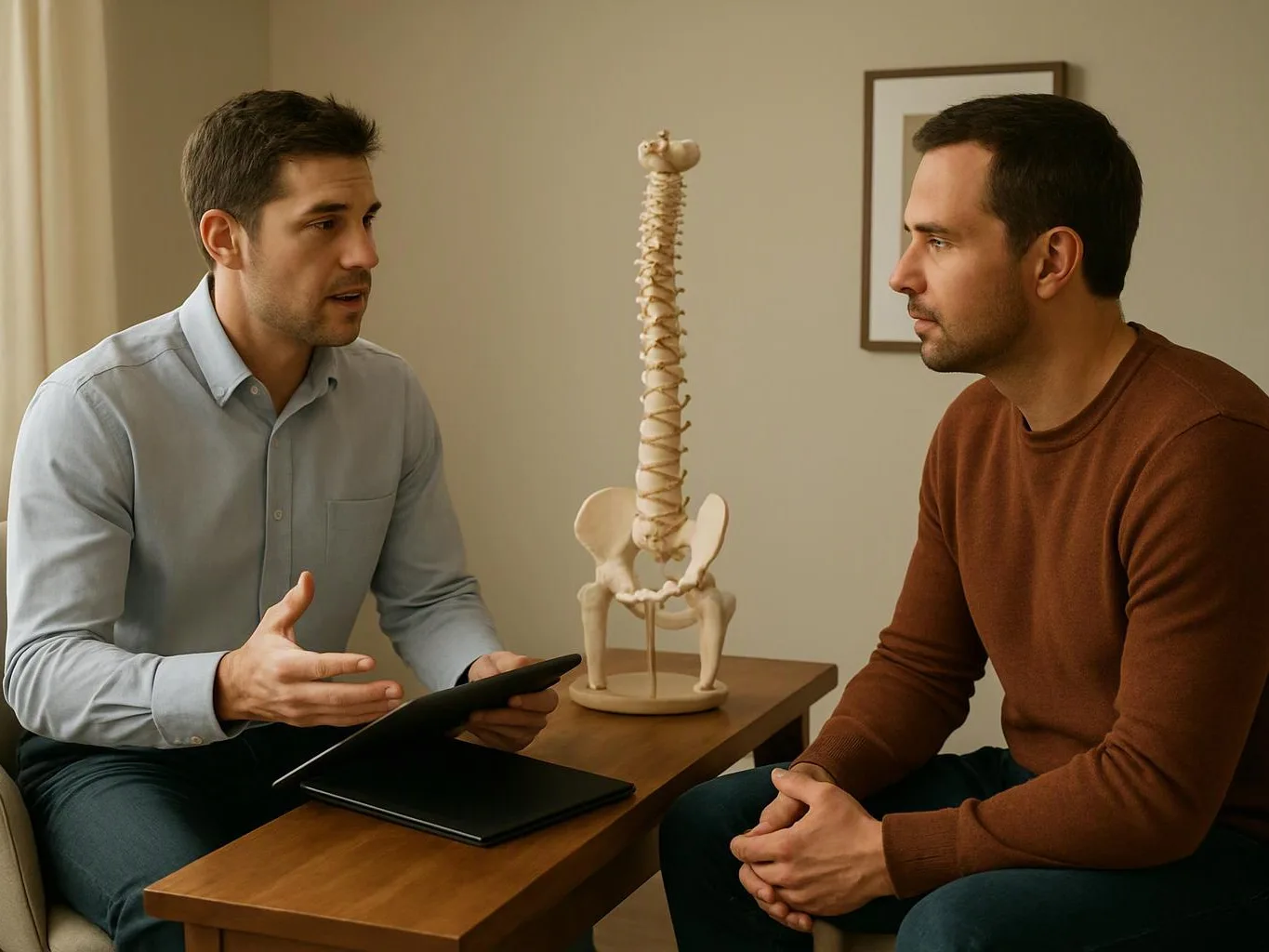
A man with a clipboard talks with a seated woman in a calm 상담 room

Spinal Decompression Therapy in Other Areas

The health and wellness information on this website is for general informational purposes only and is not medical advice. It does not create a provider-patient relationship. Always consult a qualified licensed provider in Brentwood Estates, Tennessee, United States about your specific condition before making care decisions. Individual results vary.

(615) 265-0412