Skip to content

Spinal Decompression Therapy in Rural Hill, Tennessee

Severe osteoporosis gets checked before care begins in Rural Hill. We screen for safety and discuss whether spinal decompression therapy fits your condition.

Upfront, Transparent PricingServing 18 CommunitiesMon-Fri: 9 am–7 pm, Sat: 9 am–2 pm, Sun: ClosedFast Scheduling

Quick Summary: Spinal Decompression Care in Rural Hill, Tennessee

Spinal decompression therapy in Rural Hill is provided by Advanced Injury Care Clinic for back pain, neck pain, sciatica, and related mobility concerns. Care covers a health history, exam, safety screening, and an individualized plan for people in Brentwood, Williamson County, and the greater Nashville area.

  • What we do: Advanced Injury Care Clinic provides spinal decompression therapy for suitable patients in Rural Hill, Tennessee, after a health history and exam.
  • What is included: Health history review, injury evaluation, spinal decompression therapy, soft-tissue therapy, corrective exercises, and rehabilitation guidance.
  • What you get: The objective is a treatment decision that matches the patient’s symptoms, health history, and safety needs.

Who should avoid spinal decompression therapy when back pain keeps returning?

People with severe osteoporosis, a suspected spinal fracture, or certain pregnancy concerns should pause treatment until medical screening confirms a safe plan.
Spinal Decompression Therapy for Safer Rural Hill Care

Spinal decompression therapy may suit people with back pain, neck pain, sciatica, or symptoms linked to a disc problem. The key decision on this page is safety, especially when bone strength, pregnancy, or a possible fracture affects the care plan.

At Advanced Injury Care Clinic, we begin with a new patient intake, health history, and exam. Our team reviews the symptoms, injury details, and health factors before choosing spinal decompression, spinal adjustments, soft-tissue therapy, corrective exercises, or another option.

The service is not the right first step for every patient. A suspected fracture or a serious health concern needs medical review before treatment. Individual response differs, so we explain the findings and next steps before care begins.

  • Share your full health history, including bone, spine, and pregnancy concerns.
  • Tell us about a recent accident, fall, or sudden change in symptoms.
  • Ask how the exam affects your treatment plan.
  • Discuss whether spinal decompression or another chiropractic method better fits your needs.
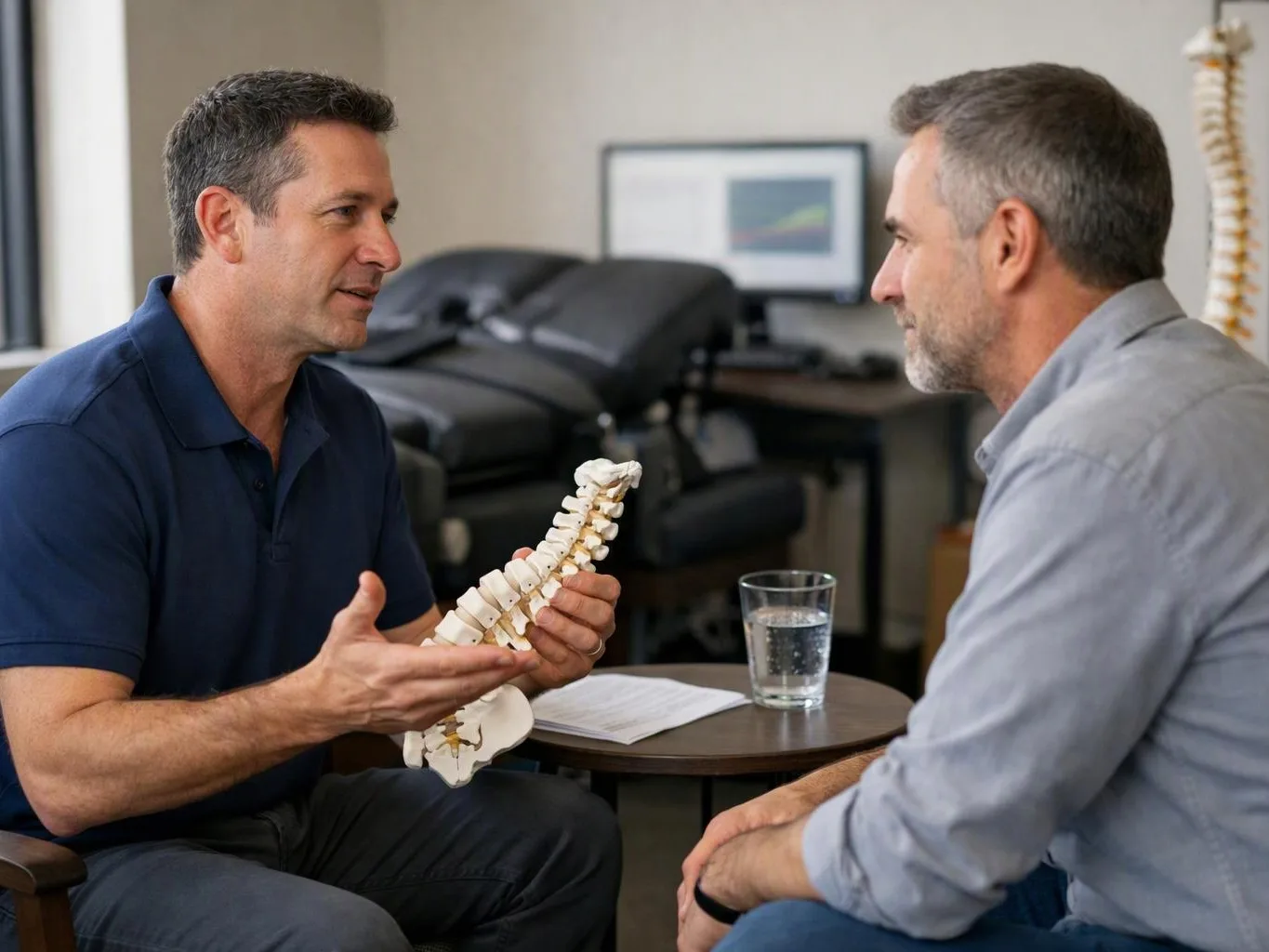
Two men talk in a clinic room, one holding a spine model beside an exam table

Service Overview

Spinal decompression therapy is a noninvasive treatment that uses controlled unloading to address selected spine-related symptoms.

  • It differs from spinal adjustments because the main focus is controlled traction, not a manual adjustment.
  • Advanced Injury Care Clinic provides this care for suitable patients in Rural Hill and surrounding communities.

What This Treatment May Change

Controlled unloading may reduce stress on selected spinal structures.

A focused plan may support better movement during daily tasks.

Screening helps identify concerns that need medical review before treatment.

Corrective exercises may help you build safer movement habits between visits.

A progress review gives you a chance to discuss changes in symptoms and function.

What Spinal Decompression Care Includes

Advanced Injury Care Clinic provides comprehensive Spinal Decompression Therapy in Rural Hill. Here's what you get:

  • A new patient intake records your symptoms, health history, and injury details.
  • A physical exam checks movement, tenderness, and signs that need further review.
  • The care plan explains whether controlled spinal unloading fits your needs.
  • Spinal decompression therapy uses a spinal decompression table when the treatment is considered suitable.
  • Soft-tissue therapy or corrective exercises may support the plan when they match your goals.
  • A progress re-examination helps our team review how your condition responds.

How We Approach Spinal Decompression Decisions

Start with safety screening

A health history and exam come before treatment. Severe osteoporosis, a suspected spinal fracture, and pregnancy concerns can change whether this care is suitable.

Match care to the findings

The treatment plan may include spinal decompression, soft-tissue therapy, spinal adjustments, or corrective exercises. We choose based on your symptoms and goals.

Explain the next step

Our chiropractor-led care team reviews the findings and discusses a practical plan. Results vary, and no treatment can promise the same response for every patient.

Process

How We Plan Spinal Decompression Care

1

Complete the new patient intake

We record your symptoms, injury history, health conditions, and current concerns before treatment is discussed.

2

Review spine and safety findings

The exam checks movement and symptoms. We also review severe osteoporosis, possible spinal fracture, pregnancy concerns, and other medical details.

3

Choose the suitable method

If the findings support it, we plan spinal decompression therapy. Spinal adjustments, soft-tissue therapy, or corrective exercises may be considered when they better fit your needs.

4

Review the treatment plan

We explain the planned care, what it aims to support, and which warning signs require further medical review.

5

Check progress during care

A progress re-examination helps our team review symptoms, movement, and the need for changes to your plan.

Spinal Decompression And Related Care Methods

These methods differ in how they apply care, so the exam guides the choice.

Care methodMain approachWhen it is considered
Spinal decompression therapyControlled traction through a spinal decompression tableWhen screening supports an unloading-based plan
Spinal adjustmentManual technique directed at selected joints or spinal segmentsWhen exam findings support an adjustment
Soft-tissue therapyHands-on work for selected muscle and soft-tissue concernsWhen muscle tension or related tissue symptoms are part of the plan

The Advanced Injury Care Clinic Standard

  • Patient Assessment
  • Personalized Care Plans
  • Clear Treatment Explanations
  • Progress Monitoring

Questions About Spinal Decompression Care

Who should avoid spinal decompression therapy?

Severe osteoporosis, a suspected spinal fracture, or certain pregnancy concerns can make spinal decompression therapy unsuitable. Medical screening comes first. The health history and exam help identify risks and decide whether another care method fits better. Tell us about current diagnoses, recent falls, and changes in symptoms before treatment begins.

How does the exam decide if this treatment fits?

The exam reviews movement, symptoms, injury history, and health conditions before treatment is selected. A new patient intake adds details about prior care and current concerns. Our team then discusses spinal decompression, adjustments, soft-tissue therapy, or corrective exercises based on the findings. The plan is personalized to your goals.

What part of my health history changes the treatment plan?

Your bone health, pregnancy status, injury history, and current symptoms can change the treatment plan. A suspected fracture needs medical review before spinal decompression. Share medication details and prior diagnoses during intake. Accurate information helps our team choose a safer care path.

Which warning signs need medical review first?

A suspected spinal fracture or a sudden change in severe symptoms needs medical review before spinal decompression. Recent falls and accident injuries also belong in the intake discussion. Our team checks the history and exam findings before recommending care. Seek urgent medical attention for a serious or rapidly worsening condition.

Why might corrective exercises follow spinal decompression?

Corrective exercises may support movement habits after spinal decompression therapy. The exercises address the goals identified during your exam and treatment planning. A TheraBand or simple movement drill may be discussed when appropriate. Your plan should match your symptoms, strength, and ability to perform each exercise safely.

How does spinal decompression differ from an adjustment?

Spinal decompression uses controlled traction, while an adjustment applies a manual technique to a joint or spinal segment. The two methods have different purposes and are not interchangeable. Our team reviews your findings before choosing either approach. Soft-tissue therapy and corrective exercises may also support selected care plans.

What changes the cost of this treatment plan?

The evaluation, selected treatment methods, and related care needs change the cost of a spinal decompression plan. A plan that includes corrective exercises or soft-tissue therapy may differ from one focused on decompression alone. We discuss the recommended care during a free consultation before treatment begins.
Contact

Discuss Spinal Decompression Therapy in Rural Hill

A Rural Hill patient receives a treatment decision based on symptoms, health history, and safety screening. Contact Advanced Injury Care Clinic to request a free consultation about spinal decompression therapy.

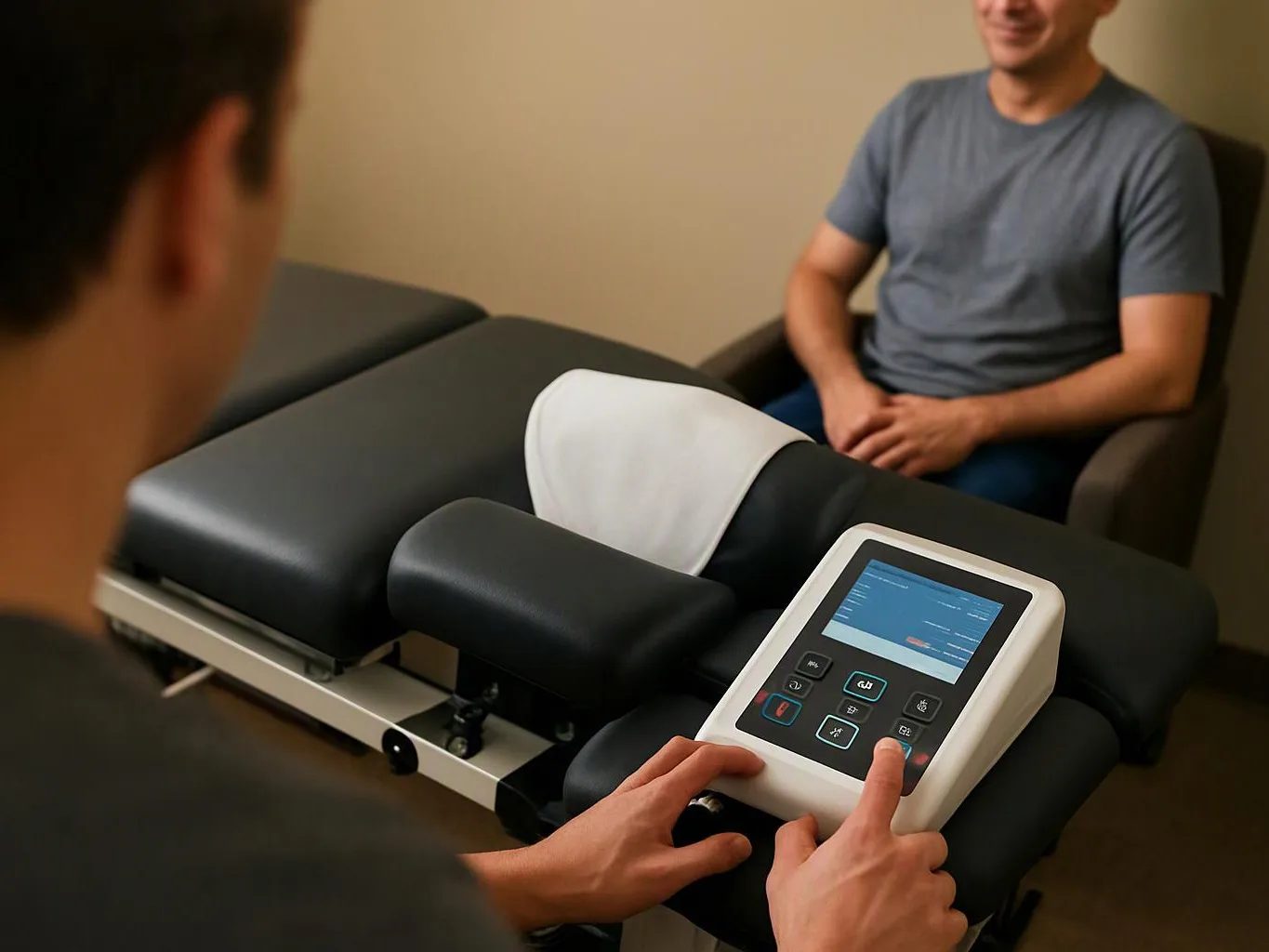
A person adjusts a therapy table device while another sits nearby in a small treatment room

Spinal Decompression Therapy in Other Areas

The health and wellness information on this website is for general informational purposes only and is not medical advice. It does not create a provider-patient relationship. Individual results vary.

(615) 265-0412