Skip to content

Massage Therapy in Nashville, Tennessee

Gentle stretching supports massage care in Nashville when muscles feel sore afterward. Our approach connects soft-tissue therapy with your injury history and daily movement needs.

Upfront, Transparent PricingServing 18 CommunitiesMon-Fri: 9 am–7 pm, Sat: 9 am–2 pm, Sun: ClosedFast Scheduling

Quick Summary: massage therapy in Nashville, Tennessee

Massage Therapy in Nashville is provided by Advanced Injury Care Clinic for soft-tissue care linked to accident injuries, pain, and mobility concerns. The practice serves Brentwood, Williamson County, and the greater Nashville area, with care plans based on a thorough evaluation.

  • What we do: Advanced Injury Care Clinic provides Massage Therapy for accident-related injuries, pain, and mobility concerns in Nashville, Tennessee.
  • What is included: soft-tissue therapy, injury evaluation, corrective exercise guidance, rehabilitation guidance, and personalized treatment planning.
  • What you get: Massage therapy supports easier movement and better daily function through care matched to the patient’s goals.

How can I manage soreness after massage therapy?

Gentle stretching may help manage mild soreness after massage therapy. A warm compress and steady fluid intake can also support comfort. Stop if movement increases pain, and seek assessment when soreness feels sharp, worsens, or comes with new weakness, numbness, or other concerning symptoms.

Massage Therapy in Nashville, Tennessee for Post-Treatment Care

Massage therapy supports patients who need focused soft-tissue care alongside chiropractic treatment. It may fit people with whiplash, back pain, neck pain, headaches, sciatica, or sports-related injuries.

The key decision is whether soreness reflects a normal short-term response or a concern that needs another evaluation. We review your health history, current symptoms, and movement before selecting hands-on care. That review helps us set safe limits for the session and any home guidance.

This page focuses on what to do after treatment, especially when muscles feel tender or tight. Light movement, a warm compress, and fluid intake may support comfort, but sharp pain or new symptoms call for further assessment.

  • Ask how much movement feels comfortable after treatment.
  • Note whether soreness is mild tenderness or sharp pain.
  • Follow the self-care guidance given after the visit.
  • Report new weakness, numbness, or worsening symptoms.
A blue foam roller, green resistance band, wooden ball, and folded white towel lie on a light surface

Service Overview

Massage therapy is a hands-on treatment that works with soft tissue to address muscle tension, tenderness, and movement concerns.

  • Massage therapy differs from spinal adjustments because it focuses on muscles and connective tissue, while adjustments address joint movement within a broader care plan.
  • Our Nashville coverage includes Brentwood, Williamson County, and the greater Nashville area.

How Massage Therapy Supports Easier Movement

Soft-tissue care may reduce muscle tightness that limits daily movement.

A focused session gives you practical guidance for managing post-treatment soreness.

Massage therapy can support a wider plan for whiplash, back pain, neck pain, or sports-related injuries.

Regular maintenance may help some patients stay focused on movement and self-care goals.

Care is adjusted when symptoms change, so the treatment stays linked to your current needs.

What Massage Therapy Includes for Injury-Related Soreness

Advanced Injury Care Clinic provides comprehensive Massage Therapy in Nashville. Here's what you get:

  • We review your symptoms, health history, and movement concerns before hands-on care.
  • We provide soft-tissue therapy based on your needs and treatment goals.
  • We discuss gentle stretching and other self-care steps after treatment.
  • We consider massage therapy alongside spinal adjustments, corrective exercises, or rehabilitation guidance when appropriate.
  • We explain when soreness needs a further injury evaluation.

What Patients Get From This Soft-Tissue Care

A symptom-based starting point

We begin with your health history, symptoms, and movement concerns. The right approach depends on what we find, not on a fixed routine.

Care that connects to injury needs

Soft-tissue therapy may sit alongside spinal adjustments, corrective exercises, or rehabilitation guidance when those services fit your plan.

Clear aftercare choices

You receive practical guidance about gentle movement, warmth, and fluid intake. If symptoms become sharp or bring new weakness or numbness, massage therapy may be the wrong next step and further evaluation is more suitable.

A client scenario this service addresses

A person in Nashville may seek massage therapy after an auto accident, workplace injury, or sports injury and still feel sore after treatment. We check the symptom pattern, movement, and injury history before discussing aftercare. Mild tenderness may call for gentle self-care, while sharp pain or new neurological symptoms may require a broader evaluation.

Process

How Massage Therapy Moves From Assessment to Aftercare

1

Review symptoms and health history

We discuss pain, soreness, injury history, daily activity, and movement concerns before treatment begins.

2

Check movement and treatment fit

Our team considers range of motion and current symptoms to decide whether soft-tissue therapy fits the visit.

3

Apply focused soft-tissue care

We provide hands-on massage therapy based on the areas and symptoms identified during the assessment.

4

Discuss post-treatment self-care

We explain suitable aftercare, which may include gentle stretching, a warm compress, and fluid intake.

5

Plan follow-up care

We connect the visit to corrective exercises, rehabilitation guidance, or other care when those steps fit your goals.

Massage Therapy Care Choices for Different Needs

The table compares common care needs with the focus we discuss during assessment.

Care needMain focusPossible next step
Post-massage sorenessComfort and symptom reviewLight self-care guidance or further assessment
Injury-related muscle tensionSoft-tissue care within an injury planMassage therapy with related treatment guidance
New weakness or numbnessSafety and broader evaluationFurther assessment before hands-on care

The Advanced Injury Care Clinic Standard

  • Patient Assessment
  • Personalized Care Plans
  • Clear Treatment Explanations
  • Progress Monitoring

Questions About Soft-Tissue Care and Soreness

What does the first massage therapy visit include?

The first visit includes a review of your symptoms, health history, and movement concerns. We then decide whether soft-tissue care fits your needs. If treatment is suitable, we explain the focus of the session and discuss aftercare. A broader plan may include corrective exercises or rehabilitation guidance.

Which symptoms should stop me from booking soft-tissue care?

New weakness, numbness, severe pain, or a sudden change in symptoms should be assessed before massage therapy. Our team reviews the concern and decides whether hands-on care fits. Massage therapy is not a substitute for urgent medical care when symptoms suggest a serious injury.

When does massage therapy fit an injury care plan?

Massage therapy fits when soft-tissue tension or tenderness affects movement and the treatment matches the patient’s evaluation. We may pair it with spinal adjustments, corrective exercises, or rehabilitation guidance. The plan changes when symptoms, goals, or movement findings change.

Why can muscles feel sore after a massage session?

Muscles can feel sore after hands-on treatment because the area received focused pressure and movement. Mild tenderness may settle with light activity, warmth, and fluid intake. Soreness that feels sharp, spreads, or worsens needs a fresh assessment before more treatment.

How does a massage therapy visit move from the first call to the last step?

A massage therapy visit moves from consultation to assessment, hands-on care, and aftercare guidance. We discuss your symptoms first, check whether treatment fits, and explain what to do afterward. Follow-up care may include corrective exercises or rehabilitation guidance when appropriate.

What changes the cost of this type of care?

The treatment areas, symptom needs, and broader care plan influence the cost. A consultation helps identify what care fits before treatment begins. Advanced Injury Care Clinic offers free consultations, and our team can explain the planned services during that discussion.
Contact

Discuss Massage Therapy in Nashville With Our Team

Are you dealing with soreness after massage therapy or an injury? Contact Advanced Injury Care Clinic to discuss your symptoms and book a free consultation.

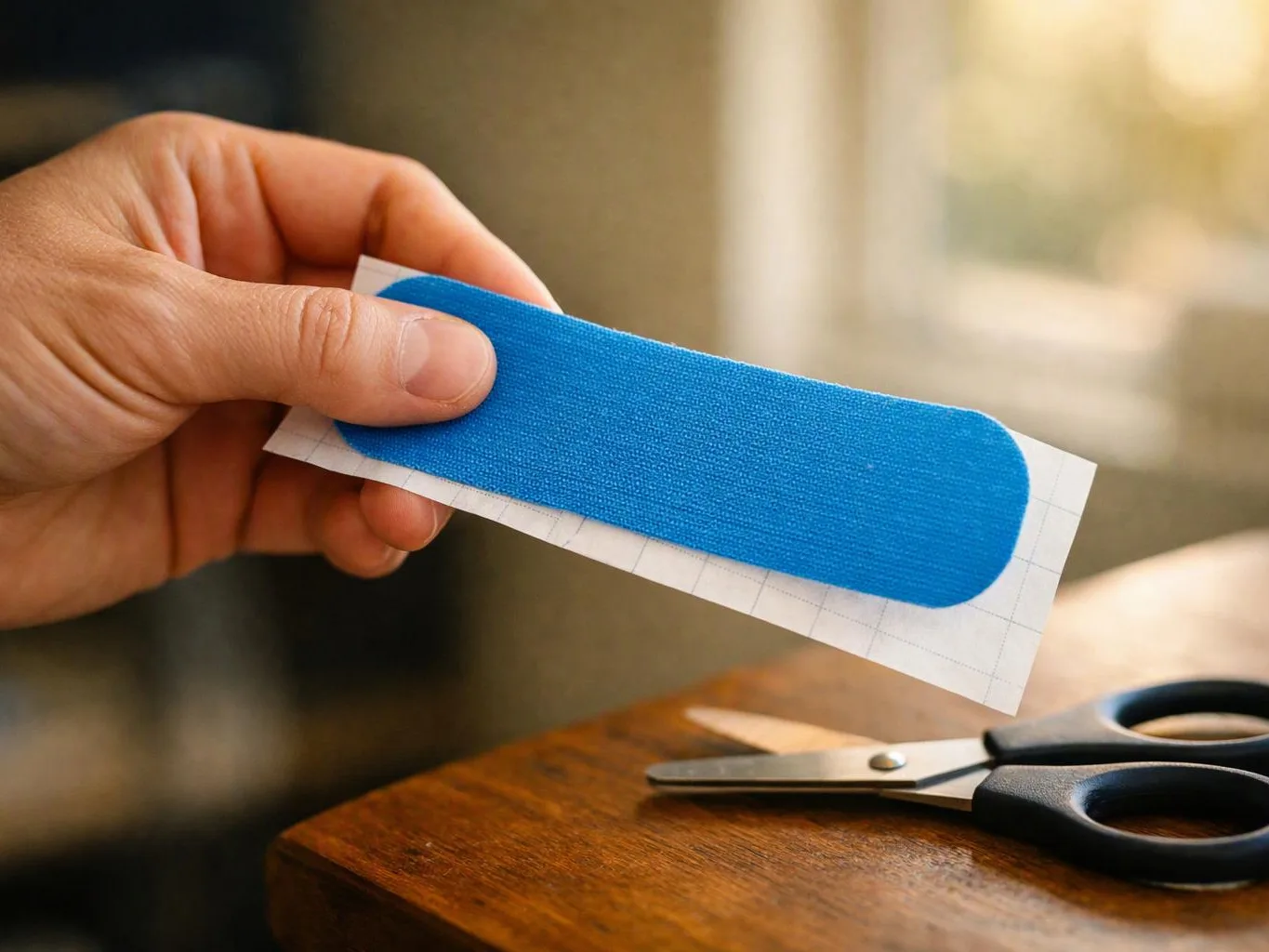
A hand holds a blue adhesive strip on backing paper above scissors on a wooden table

ZIP Codes We Serve in Nashville, Tennessee

39 ZIP codes — show all
372013720237203372043720537206372073720837209372103721137212372133721437215372163721737218372193722037221372223722437227372283722937230372323723437235372363723837240372413724237243372443724637250

The health and wellness information on this website is for general informational purposes only and is not medical advice. It does not create a provider-patient relationship. Always consult a qualified licensed provider in Brentwood Estates, Tennessee, United States about your specific condition before making care decisions. Individual results vary.

(615) 265-0412