Skip to content

Massage Therapy in Nolensville, Tennessee

Which muscle load is driving discomfort in Nolensville? Myofascial release helps us focus massage therapy on tight tissue and movement limits.

Upfront, Transparent PricingServing 18 CommunitiesMon-Fri: 9 am–7 pm, Sat: 9 am–2 pm, Sun: ClosedFast Scheduling

Quick Summary: massage therapy in Nolensville, Tennessee

Massage Therapy in Nolensville is provided by Advanced Injury Care Clinic for muscle tension, soft-tissue concerns, and injury-related mobility limits. Care includes an evaluation and treatment choices such as myofascial release, deep tissue work, Swedish massage, and trigger point therapy across the greater Nashville area.

  • What we do: Advanced Injury Care Clinic provides Massage Therapy for clients in Nolensville, Tennessee, with soft-tissue work matched to muscle tension and mobility concerns.
  • What is included: Myofascial release, deep tissue work, Swedish massage, trigger point therapy, and injury-focused soft-tissue care.
  • What you get: The treatment plan identifies the main tissue concern and sets a practical path toward easier movement and daily function.

Why do muscle knots keep returning after massage therapy?

Recurring muscle tension may relate to movement habits, injury, or a deeper joint and spine concern. A focused evaluation helps match soft-tissue work with the broader care plan.
Massage Therapy in Nolensville for Focused Soft-Tissue Care

This service fits people who feel tightness, muscle guarding, or limited movement after an injury or demanding activity. The work may focus on one painful area, linked muscle groups, or tissue that affects normal motion.

The main buyer decision is treatment fit. Myofascial release uses sustained pressure and slow tissue work, while deep tissue massage applies firmer pressure when appropriate. Swedish massage uses lighter, flowing strokes. Trigger point work focuses on small areas of marked tension.

Advanced Injury Care Clinic connects massage therapy with chiropractic care when a broader injury review makes sense. Massage therapy isn't the right first step for every symptom, especially when severe pain, sudden weakness, or a new serious injury needs medical attention.

  • Share when the tension began and what activities make it worse.
  • Identify whether the concern follows an auto accident, workplace injury, sports activity, or daily strain.
  • Discuss pressure preferences, sensitive areas, and the main movement goal.
  • Ask how soft-tissue work fits with adjustments, corrective exercises, or rehabilitation guidance.
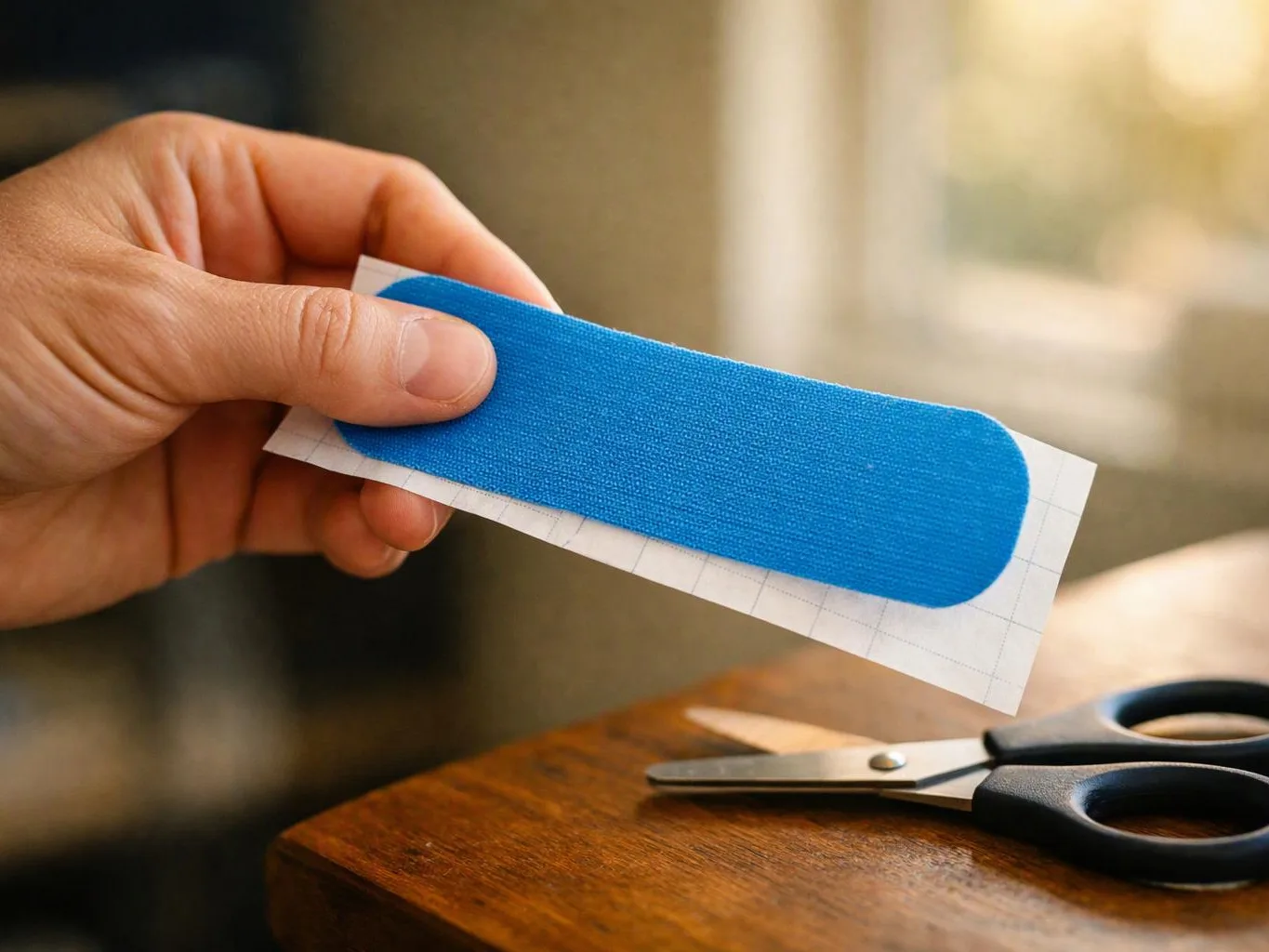
A hand holds a blue adhesive strip on backing paper above scissors on a wooden table

Service Overview

Massage therapy is a hands-on treatment that works on muscles and other soft tissues to support movement and comfort.

  • Massage therapy targets soft tissue, while chiropractic care may also address spinal and joint movement through adjustments and corrective exercises.
  • We provide massage therapy for clients in Nolensville and the greater Nashville area.

What Focused Massage Work May Change

Soft-tissue treatment may help reduce muscle guarding and support easier movement.

A matched technique keeps the visit focused on the tissue and activity causing concern.

Massage therapy can support recovery when it forms part of a wider injury care plan.

Regular maintenance may help you stay aware of tension before it limits daily activity.

Care in the greater Nashville area gives injury patients another way to address muscle tension alongside chiropractic treatment.

What Your Massage Therapy Visit Can Include

Advanced Injury Care Clinic provides comprehensive Massage Therapy in Nolensville. Here's what you get:

  • A discussion of your symptoms, injury history, activity level, and care goals.
  • A focused check of muscle tension, tender areas, and movement limits.
  • Myofascial release for restricted soft tissue when that approach fits your needs.
  • Deep tissue massage for selected areas that need more focused pressure.
  • Swedish massage with flowing strokes when lighter work suits the treatment goal.
  • Trigger point work for small areas of concentrated muscle tension.

A situation this service fits

A person in Nolensville may seek massage therapy after an auto accident, workplace injury, or sports strain. We check the symptom pattern and movement limits first, then decide whether focused soft-tissue work fits the broader care plan.

How We Match Massage Work to Your Needs

A focused tissue check first

The first visit looks at the painful area, nearby muscle groups, and movement limits. Massage therapy is the wrong job when symptoms suggest a condition that needs medical assessment first.

Pressure follows the treatment goal

Myofascial release, deep tissue work, Swedish massage, and trigger point therapy each create a different feel. We choose the approach that fits your symptoms, comfort, and recovery goals.

Soft-tissue care can join injury care

A chiropractor-led care team may pair massage therapy with spinal adjustments, corrective exercises, or rehabilitation guidance when your evaluation supports that plan.

Process

How We Perform Massage Therapy

1

Discuss the main muscle concern

We review your symptoms, injury history, activity, pressure preferences, and care goals before hands-on treatment begins.

2

Check tissue and movement

The evaluation looks at tender areas, muscle tightness, guarding, and movement limits that may shape the session.

3

Choose the right technique

We select myofascial release, deep tissue work, Swedish massage, trigger point therapy, or a combination that fits the assessment.

4

Apply focused soft-tissue work

Hands-on treatment targets the areas linked to your concern, with pressure adjusted to comfort and treatment goals.

5

Discuss the next care step

We explain how massage therapy may fit with chiropractic adjustments, corrective exercises, rehabilitation guidance, or regular maintenance.

Choosing a Massage Technique for Muscle Tension

These techniques differ by pressure, focus, and the type of tissue concern they address.

TechniqueMain focusTypical treatment feel
Myofascial releaseRestricted soft tissueSlow, sustained pressure
Deep tissue massageSelected deeper muscle areasFocused, firmer pressure
Swedish massageGeneral muscle relaxationLighter, flowing strokes
Trigger point therapySmall areas of concentrated tensionFocused pressure on specific points

The Advanced Injury Care Clinic Standard

  • Patient Assessment
  • Personalized Care Plans
  • Clear Treatment Explanations
  • Progress Monitoring

Questions About Massage Therapy and Muscle Tension

Which massage therapy techniques can relieve muscle tension?

Myofascial release, deep tissue massage, Swedish massage, and trigger point therapy can address different types of muscle tension. Myofascial release uses slow pressure on restricted tissue. Deep tissue work targets selected muscles with firmer pressure. Swedish massage uses lighter strokes. Trigger point therapy focuses on small areas of concentrated tightness. The assessment guides the choice.

How is massage therapy matched to my condition before work starts?

The treatment choice follows a review of symptoms, movement, tender areas, injury history, and pressure preferences. Our team then selects the technique that fits your goals and comfort. Auto accident injuries, sports strains, and daily muscle tension may need different approaches. We also consider whether chiropractic care or medical assessment should come first.

What should be ready before massage therapy starts?

Your symptom history, injury details, current activity, and main treatment goal should be ready before the visit. Wear clothing that allows comfortable movement and tell us about sensitive areas. Bring relevant records when the concern follows an accident or workplace injury. Clear details help us plan focused soft-tissue care.

Which condition changes the massage therapy treatment time?

The number of areas involved, tissue sensitivity, injury history, and selected technique can change the treatment plan. A focused muscle concern may need a different approach from widespread guarding after an accident. We review these factors during the consultation. We don't promise a set duration before understanding the condition.

When is deep tissue massage a poor fit?

Deep tissue massage is a poor fit when firm pressure worsens symptoms or the concern needs medical assessment first. Sudden weakness, severe new pain, or a serious injury requires a careful review before hands-on work. We can discuss lighter Swedish massage, focused trigger point work, or another next step when appropriate.

Why do trigger points keep causing tightness?

Trigger points may stay active when nearby muscles keep taking extra load or an injury remains unsettled. Massage therapy can focus on those small areas, while movement review may identify a related cause. Tell us what activity brings the tension back. That history helps connect soft-tissue care with the wider treatment plan.

How does massage therapy differ from chiropractic adjustments?

Massage therapy works mainly on muscles and soft tissue, while chiropractic adjustments address joint and spinal movement. The two services can support different parts of an injury care plan. We assess your symptoms before recommending a combination. Individual response differs, so treatment should follow the findings and your stated goals.
Contact

Discuss Massage Therapy in Nolensville

Nolensville clients can discuss muscle tension, injury history, and treatment goals during a free consultation. Contact Advanced Injury Care Clinic to ask whether focused soft-tissue care fits your needs.

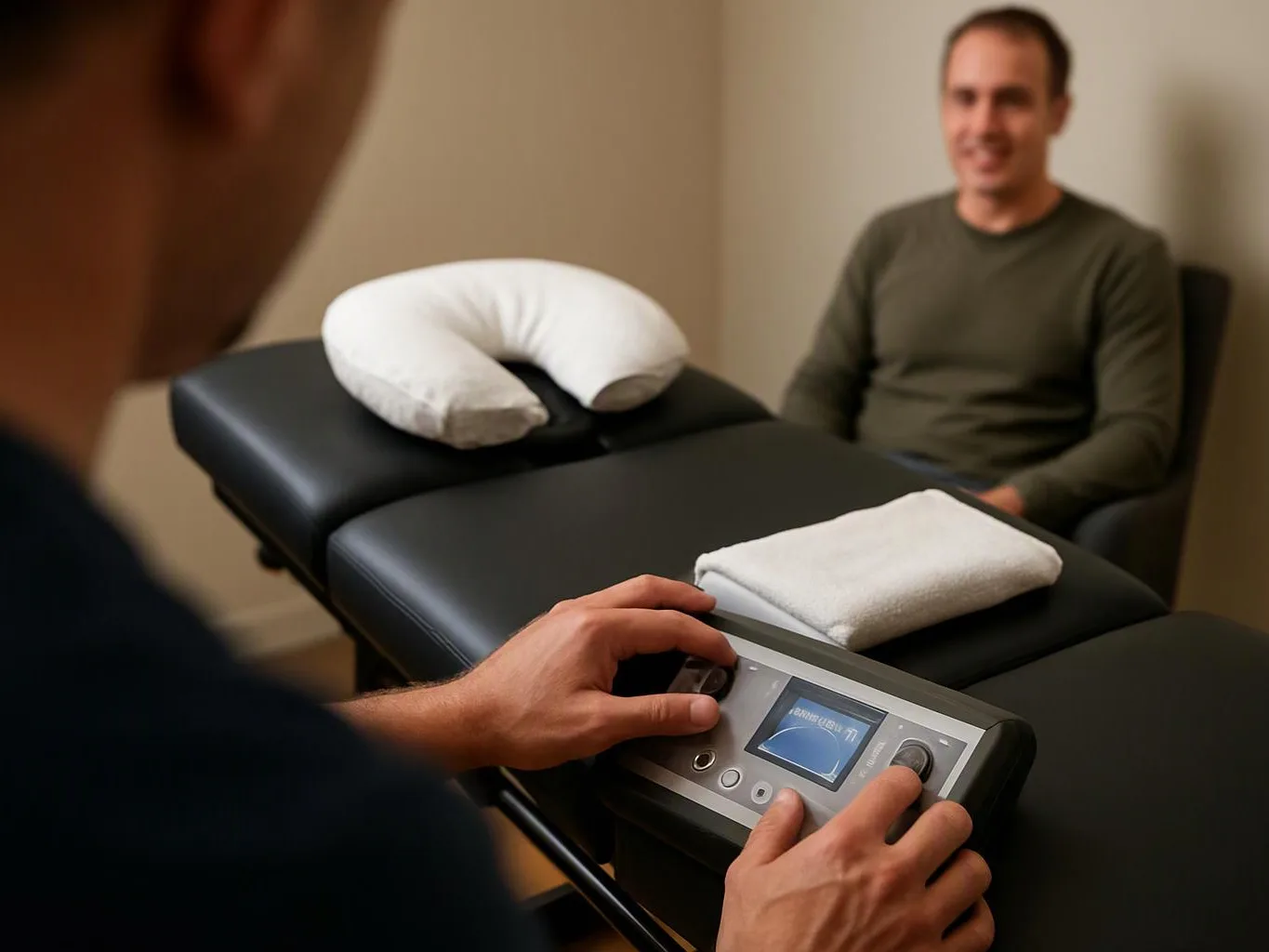
A therapist adjusts a massage table control unit beside a seated man in a treatment room

ZIP Codes We Serve in Nolensville, Tennessee

37135

The health and wellness information on this website is for general informational purposes only and is not medical advice. It does not create a provider-patient relationship. Always consult a qualified licensed provider in Brentwood Estates, Tennessee, United States about your specific condition before making care decisions. Individual results vary.

(615) 265-0412