Skip to content

Spinal Decompression Therapy in Thompson's Station, Tennessee

Can a bulging disc handle spinal decompression therapy in Thompson's Station? We assess your symptoms, spine, and goals before selecting care.

Upfront, Transparent PricingServing 18 CommunitiesMon-Fri: 9 am–7 pm, Sat: 9 am–2 pm, Sun: ClosedFast Scheduling

Quick Summary: Spinal decompression care in Thompson's Station, Tennessee

Spinal Decompression Therapy in Thompson's Station is provided by Advanced Injury Care Clinic for disc-related back symptoms, nerve pressure, and mobility concerns. We use a thorough evaluation and may combine decompression with adjustments, soft-tissue therapy, or corrective exercises across Williamson County and the greater Nashville area.

  • What we do: Advanced Injury Care Clinic provides Spinal Decompression Therapy for suitable patients in Thompson's Station, Tennessee.
  • What is included: We assess disc-related symptoms and may combine spinal decompression with adjustments, soft-tissue therapy, and corrective exercises.
  • What you get: The patient receives a focused care plan based on the source of back symptoms, nerve pressure, and movement limits.

Can spinal decompression therapy help a herniated disc?

A herniated disc may respond to spinal decompression therapy when an evaluation shows that the approach fits the person’s symptoms. Care focuses on reducing stress around the affected area and supporting movement. Results vary, so our team reviews the health history, exam findings, and goals before recommending a plan.

Spinal Decompression Therapy for Disc-Related Back Symptoms

This service is for people whose back symptoms may involve a herniated disc, nerve compression, or reduced spinal movement. The key decision is suitability, not the label alone. A health history and exam help us decide whether decompression belongs in a personalized treatment plan.

Our approach also considers the symptoms that travel into the hip or leg, changes in daily movement, and the effect of past injuries. Spinal decompression therapy isn't a cure, and results vary. We explain the findings and discuss other care options when decompression isn't the right fit for your condition.

  • Discuss back pain, leg symptoms, headaches, prior injuries, and daily movement limits.
  • Review the health history and complete a focused physical exam.
  • Check whether spinal decompression fits the suspected source of symptoms.
  • Discuss adjustments, soft-tissue therapy, or corrective exercises when they support the plan.
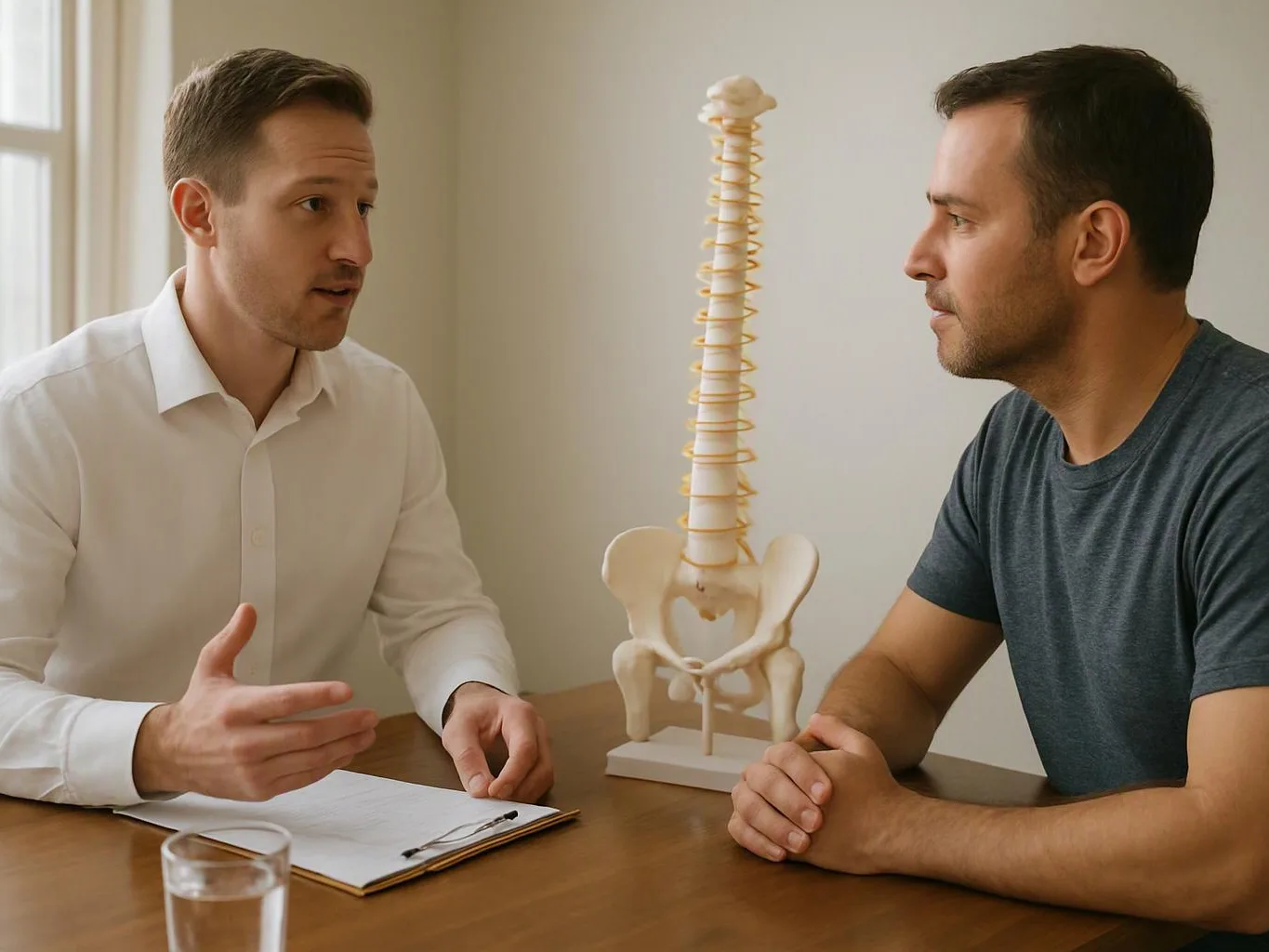
Two men sit at a table with a spine model, talking in a bright room

Service Overview

Spinal decompression therapy is a noninvasive treatment that gently changes spinal loading to address selected back and disc-related symptoms.

  • Unlike soft-tissue therapy, it focuses on controlled spinal unloading, while adjustments address joint movement through hands-on care.
  • Advanced Injury Care Clinic provides this care for patients in Thompson's Station and surrounding Williamson County communities.

How We Approach Disc-Related Spinal Care

Start with a suitability check

We review your health history and exam findings before selecting decompression. Severe or unexplained symptoms may require another form of medical evaluation first.

Connect care to movement

Back symptoms matter because they affect work, sleep, walking, and daily tasks. Our plan links treatment choices to your stated goals.

Use more than one useful tool

Spinal decompression may work alongside adjustments, soft-tissue therapy, and corrective exercises when those methods fit the assessment.

Process

How We Deliver Spinal Decompression Care

1

Review your health history

We discuss your symptoms, prior injuries, daily limits, and goals during the new patient intake.

2

Complete the examination

The exam checks spinal movement, tenderness, and signs that may relate to nerve compression.

3

Discuss the findings

We explain what the assessment shows and whether spinal decompression suits your condition.

4

Build the care plan

The plan may combine decompression with adjustments, soft-tissue therapy, corrective exercises, or rehabilitation guidance.

5

Review your progress

A progress re-examination helps us assess movement and symptoms and decide whether the plan needs adjustment.

What Spinal Decompression Therapy Includes

Advanced Injury Care Clinic provides comprehensive Spinal Decompression Therapy in Thompson's Station. Here's what you get:

  • A new patient intake records symptoms, health history, and treatment goals.
  • A focused examination checks movement, tenderness, and signs linked to nerve compression.
  • Spinal decompression uses controlled unloading as part of the selected care plan.
  • The plan may include spinal adjustments or soft-tissue therapy when clinically appropriate.
  • Corrective exercises and rehabilitation guidance support movement between visits.
  • A progress re-examination helps us review how your symptoms and function are changing.

What This Disc-Focused Care May Change

Controlled unloading may ease stress around selected spinal structures.

A focused plan can connect treatment choices to your movement goals.

Corrective exercises may support the gains made during in-office care.

A progress review helps identify whether the plan still fits your symptoms.

The approach may help you move with greater comfort during daily tasks.

How Spinal Decompression Differs From Related Care

These methods address different parts of a chiropractic care plan.

Care methodMain focusHow we use it
Spinal decompression therapyControlled spinal unloadingUsed when the evaluation supports disc-focused care
Spinal adjustmentsJoint movementAdded when adjustments fit the examination findings
Soft-tissue therapyMuscle and connective tissue tensionUsed to support movement around the affected area

The Advanced Injury Care Clinic Standard

  • Patient Assessment
  • Personalized Care Plans
  • Clear Treatment Explanations
  • Progress Monitoring

Questions About Spinal Decompression Care

Which part of a bulging disc case changes the treatment plan?

The symptom pattern changes the treatment plan most, especially when leg pain, numbness, or weakness appears. Our exam checks movement and nerve-related signs. The care plan may shift toward decompression, exercise, or another form of evaluation based on those findings. We explain that choice during the report of findings.

How does a spinal decompression visit move from the first call to the last step?

A spinal decompression visit moves from intake to examination, care planning, treatment, and progress review. The first discussion covers your symptoms and goals. The exam guides suitability, and the plan may include decompression with supportive chiropractic care. A later progress re-examination checks movement and symptom changes.

What should I bring to my first chiropractic appointment?

Your health history and a clear account of your symptoms help us prepare for the first appointment. Bring information about prior injuries, current concerns, and changes in daily function. Relevant medical records can also help explain past care. We use the intake and exam to shape the next discussion.

Why might spinal decompression not fit my back symptoms?

Spinal decompression may not fit symptoms that need another medical evaluation or a different treatment approach. Our team reviews the health history and exam before recommending care. Severe, unusual, or changing symptoms deserve careful attention. We explain the reason for any recommendation and discuss suitable next steps.

What does the first evaluation check before treatment?

The first evaluation checks your health history, spinal movement, pain pattern, and treatment goals. We look for signs that may relate to nerve compression or restricted movement. The findings guide the report of findings and personalized treatment plan. X-rays may be considered if clinically indicated.
Contact

Discuss Spinal Decompression Therapy in Thompson's Station

Thompson's Station patients can discuss disc-related back symptoms through a focused consultation and evaluation. Contact Advanced Injury Care Clinic to review your goals and ask whether spinal decompression therapy fits your care plan.

A storefront with “BRENTWOOD CHIROPRACTIC” signs, glass doors, and a potted plant in warm sunset light

Other Services in Thompson's Station

Spinal Decompression Therapy in Other Areas

The health and wellness information on this website is for general informational purposes only and is not medical advice. It does not create a provider-patient relationship. Always consult a qualified licensed provider in Brentwood Estates, Tennessee, United States about your specific condition before making care decisions. Individual results vary.

(615) 265-0412