Skip to content

Kinesiology Taping in La Vergne, Tennessee

Joint stability in La Vergne helps decide whether elastic tape fits your movement goal. We pair taping with an injury exam and a care plan.

Upfront, Transparent PricingServing 18 CommunitiesMon-Fri: 9 am–7 pm, Sat: 9 am–2 pm, Sun: ClosedFast Scheduling

Quick Summary: kinesiology taping in La Vergne, Tennessee

Kinesiology Taping in La Vergne is provided by Advanced Injury Care Clinic for injured muscles, movement support, and joint stability needs across the surrounding area. The service fits within personalized chiropractic care plans that may include soft-tissue therapy and corrective exercises.

  • What we do: Advanced Injury Care Clinic provides Kinesiology Taping for injured muscles and movement support in La Vergne, Tennessee.
  • What is included: Muscle support, elastic tape placement, movement correction, and care planning after an injury evaluation.
  • What you get: The customer receives a taping plan matched to the injured area, movement goal, and broader treatment needs.

Why do injured muscles keep feeling unstable after an accident?

Injured muscles can feel unstable when pain, swelling, or altered movement changes how the area works. An exam helps identify whether taping fits the concern.
Kinesiology Taping for La Vergne Muscle Support

Kinesiology taping gives injured muscles light support while you move. We assess the painful area, nearby joints, and the movement that brings on symptoms.

This page focuses on the buyer decision behind taping. You need to know whether tape fits your injury, what it can support, and when a broader chiropractic plan makes more sense. Tape does not replace an injury evaluation or address every source of pain.

Our team may use taping alongside soft-tissue therapy, corrective exercises, or rehabilitation guidance. Results vary, so we review your goals and choose care that matches your needs.

  • Identify the injured or strained area before tape placement.
  • Check movement and muscle use during the assessment.
  • Match tape support to the stated treatment goal.
  • Discuss whether taping belongs in a broader care plan.
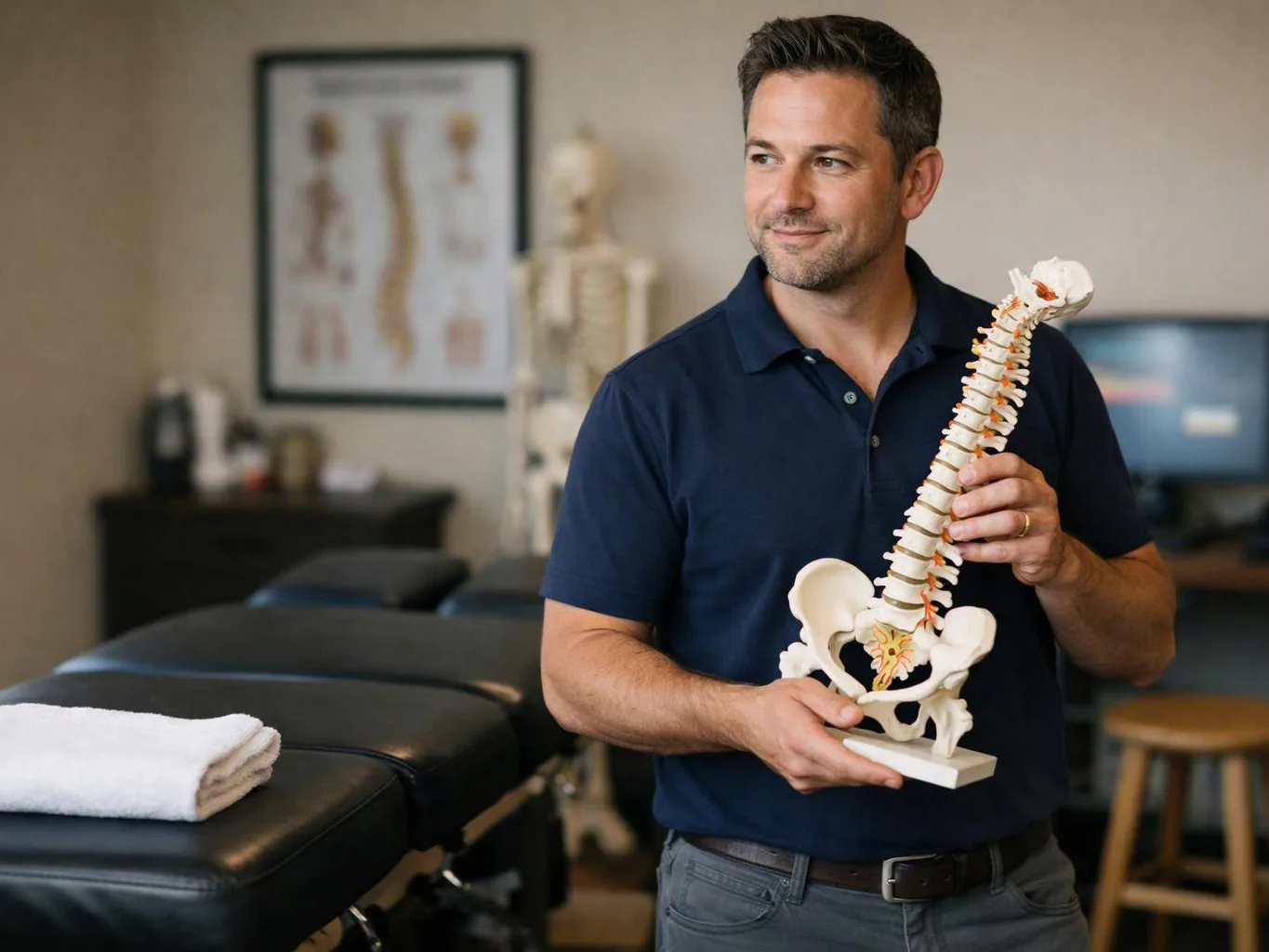
A man in a clinic holds a spine model beside a treatment table and anatomy posters

Service Overview

Kinesiology Taping is an elastic-tape method that supports movement around an injured or strained area.

  • Taping supports motion and muscle use, while spinal adjustments address joint movement through a different hands-on method.
  • Advanced Injury Care Clinic provides this care for people in La Vergne and the surrounding area.

What kinesiology taping includes for your injury

Advanced Injury Care Clinic provides comprehensive Kinesiology Taping in La Vergne. Here's what you get:

  • We assess the injured area and the movement that causes concern.
  • We select an elastic tape placement that matches the support goal.
  • We apply kinesiology tape to support muscle use and movement.
  • We explain how taping fits with soft-tissue therapy or corrective exercises.
  • We discuss follow-up care based on your symptoms and treatment goals.
Process

How we apply kinesiology tape

1

Review the injury and movement goal

We discuss the injury, symptoms, and movement that feels limited or strained.

2

Check the affected area

Our team examines the involved muscle, joint, and nearby movement before selecting tape placement.

3

Apply the elastic tape

We place kinesiology tape to provide support that matches the assessed movement goal.

4

Connect taping with care

We explain whether soft-tissue therapy, corrective exercises, or rehabilitation guidance belongs with the taping plan.

How we approach taping decisions

Assessment before tape placement

We check the painful area and movement pattern before choosing tape placement. Taping is the wrong service when symptoms need a different medical evaluation or broader treatment.

Care that fits the injury

Whiplash, back pain, shoulder pain, and sports-related injuries can involve different movement concerns. Our patient-centered treatment plans connect taping with the rest of your care when appropriate.

A clear role within treatment

Kinesiology tape provides support during movement, but it does not replace corrective exercises, rehabilitation guidance, or an injury evaluation.

What muscle support can change during movement

Elastic tape can give an injured area light support during daily movement.

Taping may help you stay aware of movement that aggravates a strained muscle.

A clear taping plan helps connect short-term support with longer-term rehabilitation guidance.

Care stays focused on your goals, symptoms, and ability to move with greater comfort.

Taping and related care choices

These options address different parts of movement and injury care.

Care optionMain focusWhen it may fit
Kinesiology tapingLight support during movementAn assessed muscle or joint needs added support
Soft-tissue therapyMuscles and related tissuesTender or restricted soft tissue forms part of the concern
Corrective exercisesMovement practice and strengthA care plan includes active work between visits

The Advanced Injury Care Clinic Standard

  • Patient Assessment
  • Personalized Care Plans
  • Clear Treatment Explanations
  • Progress Monitoring

Questions about kinesiology taping and muscle support

How does kinesiology taping support injured muscles?

Joint stability starts with an assessment of the injured muscle and its movement pattern. Advanced Injury Care Clinic then applies elastic tape to provide light support during movement. Taping may fit strains, sports injuries, or accident-related muscle concerns. Individual response differs, so we connect tape use with corrective exercises or other care when needed.

What does a taping visit include?

A taping visit includes an injury discussion, movement check, tape placement, and care guidance. We look at the affected muscle and nearby joint before applying elastic tape. The visit may also include discussion of soft-tissue therapy or rehabilitation guidance. Your treatment plan depends on the symptoms and goals you share with us.

Which part of the body decides the taping approach?

The affected muscle and its movement pattern decide the taping approach. Shoulder pain, knee pain, whiplash, and back pain can call for different placement choices. We assess the area first, then explain what support the tape is meant to provide. The broader injury picture also matters.

When does taping fit an injury care plan?

Taping fits when light support may help an injured area move during daily activity. The decision follows an evaluation of symptoms, muscle use, and movement limits. We may pair tape with corrective exercises or soft-tissue therapy. Taping is not a substitute for a needed medical evaluation.

Why might tape not be the right choice?

Taping may not fit when symptoms need a different evaluation or treatment approach. Skin concerns, unclear injury symptoms, or pain that does not match a simple movement issue can change the plan. We review the affected area and explain suitable next steps before applying tape.

How does the first call lead to the last taping step?

The first call starts a discussion about your injury, symptoms, and movement goal. We then complete an evaluation, decide whether taping fits, and apply elastic tape when appropriate. The final step is guidance on how taping connects with your care plan. Advanced Injury Care Clinic offers free consultations for this discussion.
Contact

Discuss kinesiology taping in La Vergne

Your first deliverable is an injury and movement assessment that clarifies whether elastic tape fits your goal. Contact Advanced Injury Care Clinic to arrange a free consultation.

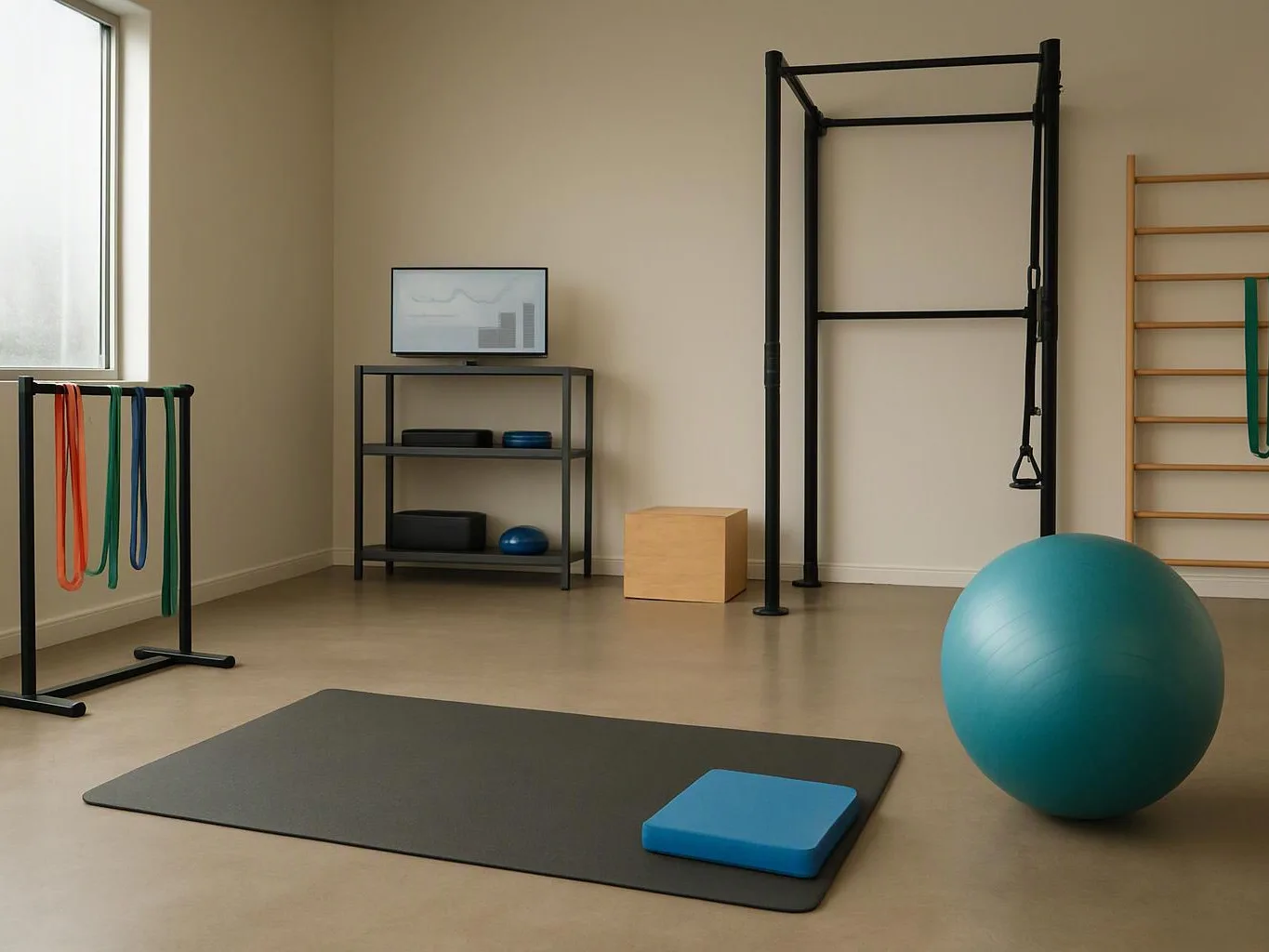
A quiet exercise room with a mat, stability ball, straps, ladder, shelves, and workout frame

ZIP Codes We Serve in La Vergne, Tennessee

3708637089

The health and wellness information on this website is for general informational purposes only and is not medical advice. It does not create a provider-patient relationship. Always consult a qualified licensed provider in Brentwood Estates, Tennessee, United States about your specific condition before making care decisions. Individual results vary.

(615) 265-0412