Skip to content

Kinesiology Taping in Belle Meade, Tennessee

Elastic tape gets checked against your movement and skin before care begins in Belle Meade. We use kinesiology taping to support an injury-focused treatment plan.

Upfront, Transparent PricingServing 18 CommunitiesMon-Fri: 9 am–7 pm, Sat: 9 am–2 pm, Sun: ClosedFast Scheduling

Quick Summary: kinesiology taping in Belle Meade, Tennessee

Kinesiology Taping in Belle Meade is provided by Advanced Injury Care Clinic for injured muscles, joint stability, and movement support. We serve Brentwood, Williamson County, and the greater Nashville area, with chiropractic care plans based on each patient’s needs and goals.

  • What we do: Advanced Injury Care Clinic provides Kinesiology Taping for patients in Belle Meade, Tennessee as part of injury-focused chiropractic care.
  • What is included: muscle support, joint stability checks, movement correction, and care planning after an injury evaluation.
  • What you get: The visit ends with a taping plan that matches the patient’s movement needs and treatment goals.

How does kinesiology taping support injured muscles?

Elastic tape supports injured muscles by adding light external support during movement. The taping plan follows an exam of the painful area, nearby joints, and movement pattern. It doesn't replace an injury evaluation or a broader treatment plan. Care focuses on the person’s symptoms, function, and recovery goals.


Kinesiology Taping for Focused Muscle Support in Belle Meade

Kinesiology taping suits patients who need added support during movement after an injury evaluation. We look at muscle use, joint position, skin condition, and the motion that brings on discomfort.

The tape is one part of care. It may support a shoulder, knee, back, or other area while soft-tissue therapy, corrective exercises, or rehabilitation guidance address the wider concern. We don't use taping as a substitute for care that the exam shows you need.

The key decision is fit. Patients with open skin, a skin reaction, or symptoms that need urgent medical care may need a different next step. Our team explains the plan before applying tape.

  • The injured area and nearby joints are checked before taping.
  • Skin condition and tape tolerance are reviewed before application.
  • Movement patterns guide placement and support goals.
  • The taping plan is considered alongside exercise, soft-tissue therapy, or other care.
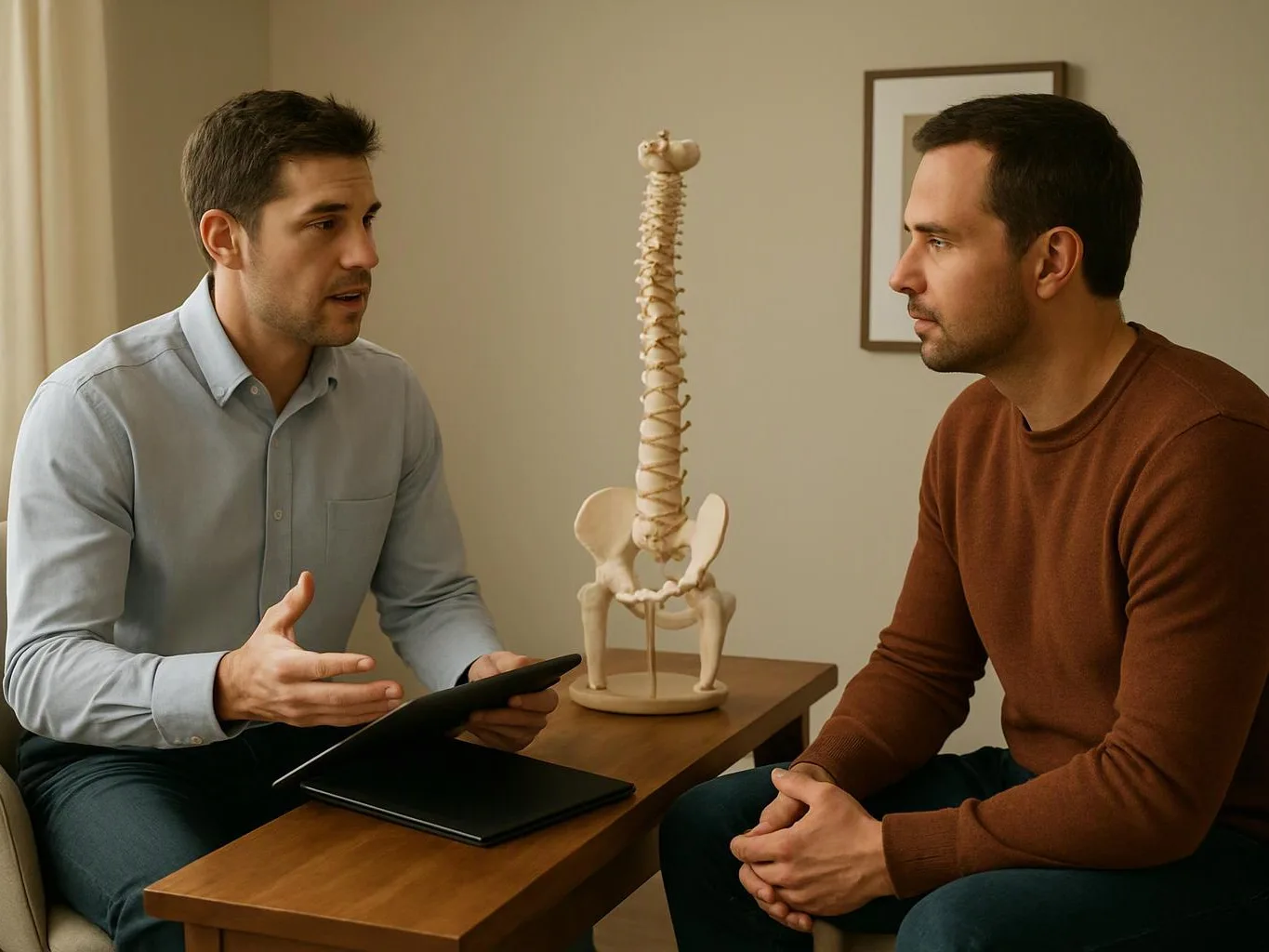
A man and woman sit at a table talking, with a spine model and notebook in a bright room

Service Overview

Kinesiology taping is a supportive treatment that uses elastic tape to guide movement around injured muscles and joints.

  • It differs from spinal adjustments because it supports movement from the skin while an adjustment addresses joint motion through hands-on care.
  • We provide kinesiology taping for patients in Belle Meade as part of individualized chiropractic care.

What Your Muscle Support Visit Includes

Advanced Injury Care Clinic provides comprehensive Kinesiology Taping in Belle Meade. Here's what you get:

  • We review your health history and examine the area linked to your movement concern.
  • We check skin condition and the motion that affects the injured muscle or joint.
  • We select an elastic tape placement that matches the treatment goal.
  • We explain how the tape supports movement within your broader care plan.
  • We discuss follow-up needs and any changes you should report.

What Taping Can Change During Movement

Elastic support may help you move with greater comfort during daily activity.

A movement check helps connect tape placement to the muscle or joint being assessed.

The plan can support recovery while corrective exercises or soft-tissue therapy address related limits.

Clear aftercare guidance helps you notice skin changes or shifts in comfort.

Taping can add support without replacing the wider evaluation of an injury.

Process

How We Apply Supportive Tape

1

Review the injury and movement

We complete a new patient intake, review health history, and examine the area linked to the concern.

2

Check skin and joint motion

Skin condition, muscle use, and nearby joint motion guide the suitability check before application.

3

Set the tape placement

We place elastic tape to support the selected muscle or joint while keeping the movement goal in view.

4

Explain care after application

We explain what to watch for and how the tape fits with exercises, soft-tissue therapy, or follow-up care.

How We Approach Muscle Support

Assessment before tape placement

We begin with a health history and exam, then match the tape plan to the movement concern. This keeps placement tied to a real treatment goal.

Support for an active care plan

Kinesiology taping can sit beside soft-tissue therapy, spinal adjustments, or corrective exercises when those services fit the evaluation. Results vary by injury and individual response.

A clear fit check

Taping may be the wrong service when skin is not intact or symptoms point to a problem that needs medical assessment. We explain the next step before care proceeds.

A client scenario this service addresses

A patient in Belle Meade has muscle discomfort after an accident and wants support during daily movement. We assess the affected area, check the skin, and decide whether taping fits with the broader injury plan. The patient then receives care guidance that matches the exam, without treating tape as a stand-alone answer.

The Advanced Injury Care Clinic Standard

  • Patient Assessment
  • Personalized Care Plans
  • Clear Treatment Explanations
  • Progress Monitoring

Questions About Muscle Support and Taping

Which material changes how long tape application takes?

Elastic tape choice and the area being covered affect the application work. Skin condition, hair, joint movement, and the amount of support needed also shape the visit. Our team checks these details before placement and explains the care steps. No fixed application time is promised because each treatment plan differs.

How does a taping visit move from the first call to the last step?

A taping visit moves from consultation to assessment, placement, and aftercare guidance. The process includes a health history, movement check, skin review, tape application, and discussion of follow-up care. Our team connects the tape to your treatment goals, so you know why it was selected.

What should I check before using tape on sore skin?

Skin condition decides whether tape is suitable for the area. Open skin, an active reaction, or marked sensitivity can change the plan. We inspect the skin before application and explain what changes to report. Patients should raise known skin concerns during the consultation.

When does taping fit with chiropractic care?

Taping fits chiropractic care when external support may help movement alongside the findings from an injury evaluation. It may sit with soft-tissue therapy, corrective exercises, or spinal adjustments. Our team chooses the combination based on your symptoms, exam, and focused health goals.

Why might tape not be the right next step after an injury?

Taping may not fit when symptoms need urgent medical assessment or the skin cannot tolerate adhesive. The injury evaluation helps identify that limit. We explain whether supportive tape belongs in the plan or whether another form of care should come first.

Which warning signs should stop a taping plan?

Increasing swelling, new weakness, severe pain, or a skin reaction should stop the taping plan and prompt clinical guidance. We ask about symptom changes during the assessment. Urgent symptoms need appropriate medical care, while less urgent concerns can be discussed during a scheduled consultation.
Contact

Discuss Kinesiology Taping in Belle Meade

Belle Meade patients can request a free consultation when an injured muscle or joint needs a closer look. Advanced Injury Care Clinic will discuss your symptoms, movement goals, and whether taping fits your care plan.

A dress form stands on a wooden table beside a yellow measuring tape, blank notebook, and black pen

The health and wellness information on this website is for general informational purposes only and is not medical advice. It does not create a provider-patient relationship. Always consult a qualified licensed provider in Brentwood Estates, Tennessee, United States about your specific condition before making care decisions. Individual results vary.

(615) 265-0412