Skip to content

Kinesiology Taping in Hermitage, Tennessee

Removal method starts kinesiology taping in Hermitage. We check the skin and symptoms before choosing how the tape should come off.

Upfront, Transparent PricingServing 18 CommunitiesMon-Fri: 9 am–7 pm, Sat: 9 am–2 pm, Sun: ClosedFast Scheduling

Quick Summary: kinesiology taping in Hermitage, Tennessee

Kinesiology Taping in Hermitage is provided by Advanced Injury Care Clinic for support around injury-related pain, muscle strain, and mobility concerns. Care includes a thorough evaluation and may include soft-tissue therapy, corrective exercises, or rehabilitation guidance across Hermitage and surrounding communities.

  • What we do: Advanced Injury Care Clinic provides kinesiology taping for patients in Hermitage, Tennessee as part of individualized chiropractic care.
  • What is included: Care may include skin checks, tape placement, gentle removal guidance, soft-tissue therapy, and corrective exercise planning.
  • What you get: The patient receives a tape plan that fits the assessed symptoms, skin condition, and movement goals.

How long does kinesiology tape stay applied?

Kinesiology tape stays applied according to the patient’s skin response, activity, and treatment plan. A clinician checks the tape and skin before advising removal or replacement.

Kinesiology Taping in Hermitage, Tennessee for careful tape removal

Kinesiology taping fits patients with muscle strain, joint discomfort, whiplash, back pain, neck pain, or limited movement. The focused decision on this page is whether the tape should stay, be removed, or be paired with another treatment.

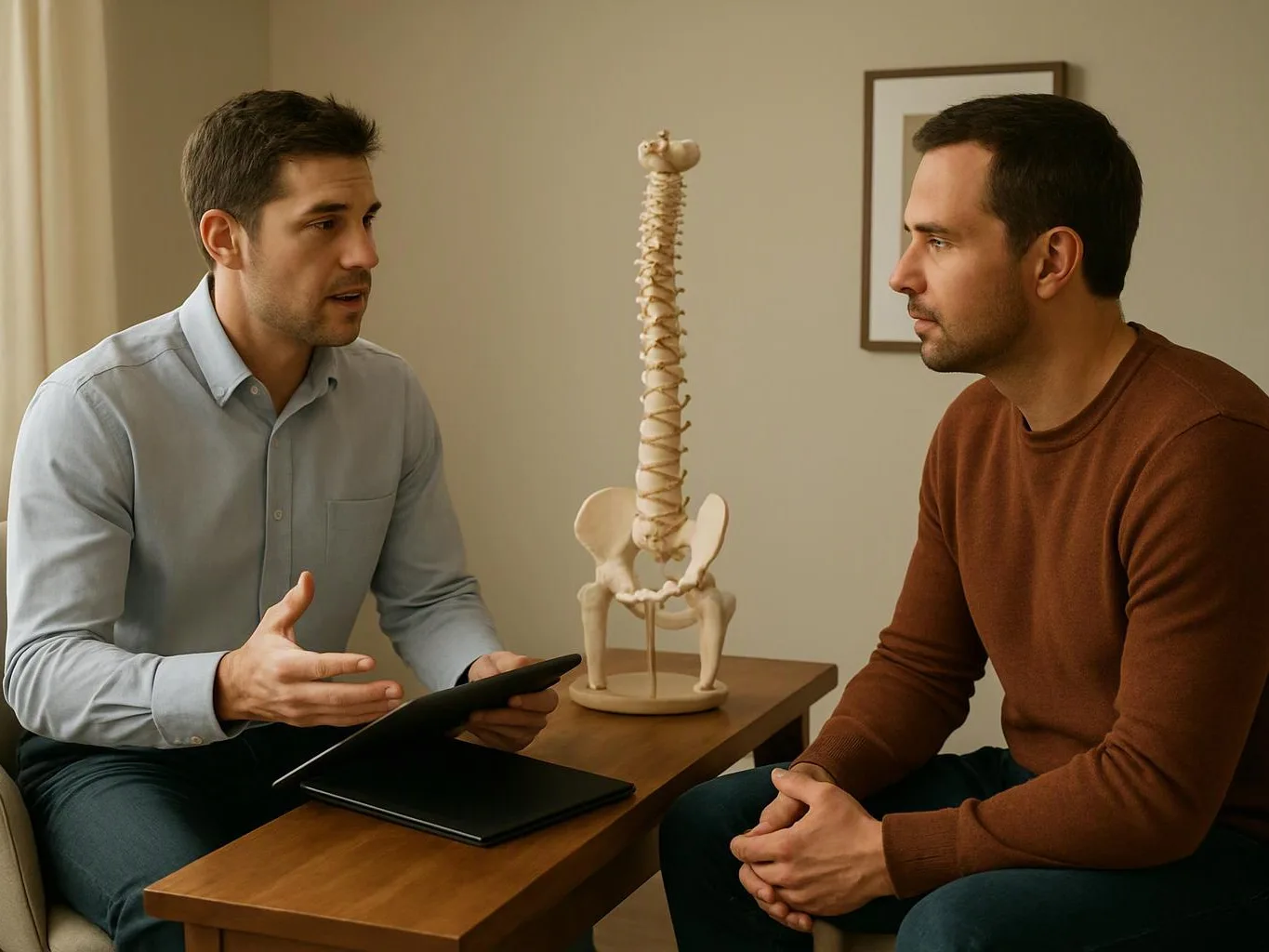
Advanced Injury Care Clinic begins with a thorough evaluation. Our team looks at the painful area, skin condition, movement pattern, and reason for the tape. That review helps us choose a safe application and removal approach.

Tape does not replace a full injury assessment. Severe symptoms, new weakness, major swelling, or changes after an accident need direct medical attention. We use kinesiology taping as one part of a personalized treatment plan, not as a promise of a specific result.

  • The assessment identifies the area that needs support and the movement that causes concern.
  • Skin preparation helps us check for irritation, broken skin, or sensitivity before application.
  • The tape choice and application technique must match the patient’s symptoms and treatment goals.
  • Removal is reviewed so the patient knows how to protect the skin at home.
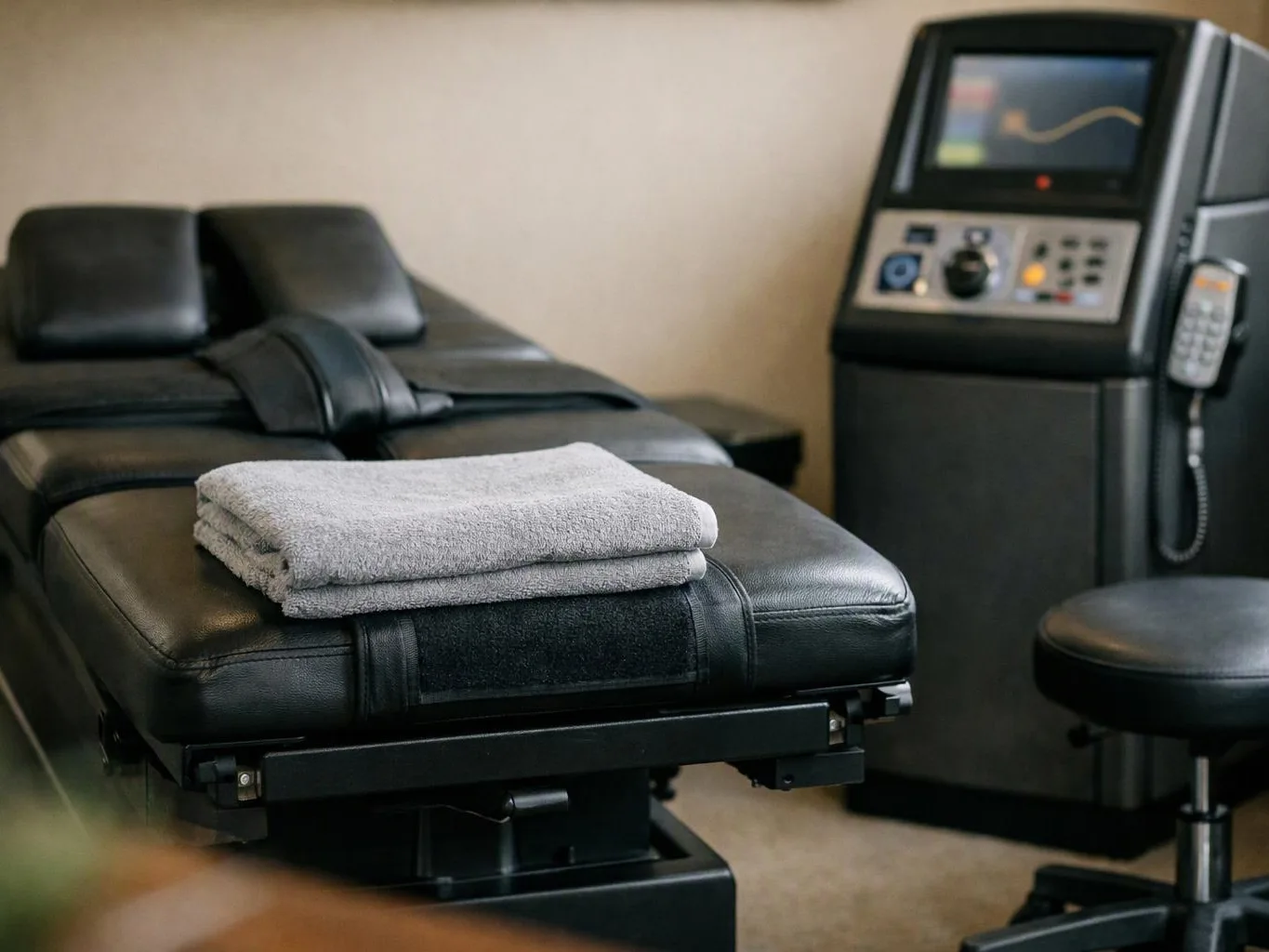
A black treatment table with folded towels sits beside a medical control machine in a quiet room

Service Overview

Kinesiology taping is a supportive treatment that places elastic tape on the skin to assist movement and comfort.

  • Kinesiology taping supports movement between visits, while soft-tissue therapy works directly on muscles and other tender areas.
  • Advanced Injury Care Clinic provides this care for patients in Hermitage and surrounding communities.

What kinesiology taping includes for your appointment

Advanced Injury Care Clinic provides comprehensive Kinesiology Taping in Hermitage. Here's what you get:

  • We review your symptoms, injury history, and movement concerns before applying tape.
  • We check the skin and prepare the area for contact with the tape adhesive.
  • We place kinesiology tape with an application technique suited to the area being treated.
  • We explain how to monitor the skin and when to ask about removal.
  • We discuss whether soft-tissue therapy, corrective exercises, or rehabilitation guidance may fit your care plan.

What this taping approach can support

Kinesiology tape may support more comfortable movement during daily activity.

The tape gives patients an external cue while they work on movement and exercise goals.

A skin and symptom check helps reduce avoidable irritation during care.

The approach connects taping with a broader chiropractic plan for injury-related pain and mobility concerns.

Process

How we apply and review kinesiology tape

1

Review the injury and movement

We complete a health history and exam, then identify the area, movement concern, and treatment goal.

2

Prepare the skin

Skin preparation includes checking the surface for irritation, broken skin, or sensitivity that could affect the tape adhesive.

3

Apply the tape

We place kinesiology tape with an application technique suited to the body area and the assessed movement goal.

4

Check the tape edges

The tape edges and nearby skin are reviewed so we can address discomfort, lifting, or irritation.

5

Discuss removal and next care

We explain how to monitor the skin, when removal needs attention, and whether another treatment belongs in the care plan.

What patients should know before choosing taping

The assessment comes first

Skin condition, pain location, movement limits, and injury history guide the tape plan. Kinesiology taping is the wrong service when a serious injury needs urgent medical assessment.

Tape supports a wider plan

Kinesiology tape may work alongside spinal adjustments, soft-tissue therapy, or corrective exercises. Our chiropractor-led care team connects the tape choice to your stated goals.

Removal deserves attention

Adhesive can affect sensitive skin, especially when tape is pulled quickly. We explain the removal approach and ask you to report burning, rash, or worsening discomfort.

Choosing the right support for movement concerns

These options address different parts of an injury care plan and may be combined after an assessment.

Care optionPrimary focusWhen it may fit
Kinesiology tapingExternal support during movementWhen the skin and symptoms support tape use
Soft-tissue therapyHands-on work with tender muscles and soft tissueWhen muscle tension or soreness needs direct care
Corrective exercisesMovement practice and strength supportWhen the care plan includes active rehabilitation

The Advanced Injury Care Clinic Standard

  • Patient Assessment
  • Personalized Care Plans
  • Clear Treatment Explanations
  • Progress Monitoring

Questions about tape application and removal

What does the care team look at first during taping?

The initial check covers the injury history, painful area, movement pattern, and skin condition. Our team also asks what you want the tape to support during daily activity or exercise. Those findings guide skin preparation and application technique. Taping should follow an assessment, especially after an accident or new injury.

What should be checked before taping is scheduled?

Skin condition and injury symptoms should be checked before taping is scheduled. Broken skin, marked irritation, or changing neurological symptoms may call for a different evaluation first. We review your health history and movement concerns, then explain whether taping fits the plan. Bring information about recent accidents, pain changes, and past skin reactions.

Which symptoms mean tape should come off?

Burning, spreading redness, strong itching, swelling, or worsening pain means the tape needs prompt review. Patients should not ignore a skin reaction because adhesive contact can make irritation worse. We can assess the skin and the original complaint, then decide whether removal or another treatment step is appropriate.

When does taping fit with corrective exercises?

Corrective exercises pair with taping when the tape supports a movement goal identified during the assessment. The exercise still needs to match the patient’s strength, mobility, and symptoms. Our team may include rehabilitation guidance when it fits the care plan. Results vary, so progress is reviewed through movement and symptom changes.

Why might tape lift at the edges?

Tape edges may lift because of skin moisture, movement, friction, or contact with clothing. We check the application area and skin before deciding whether the tape needs adjustment. Patients should avoid pulling at loose edges and should ask about removal if the tape catches or causes discomfort.

Who provides kinesiology taping for patients in Hermitage?

Advanced Injury Care Clinic provides kinesiology taping for patients in Hermitage as part of chiropractic injury care. Our chiropractor-led care team begins with an injury evaluation and connects taping with the patient’s goals. The plan may also include soft-tissue therapy, spinal adjustments, corrective exercises, or rehabilitation guidance.
Contact

Discuss kinesiology taping in Hermitage

Your first deliverable is a focused assessment of the affected area, skin condition, and movement goal. Contact Advanced Injury Care Clinic to request a consultation about kinesiology taping.

A beige fabric mannequin stands in a softly lit room with a blurred chair and ottoman behind it

ZIP Codes We Serve in Hermitage, Tennessee

37076

The health and wellness information on this website is for general informational purposes only and is not medical advice. It does not create a provider-patient relationship. Individual results vary.

(615) 265-0412