
Skip to content

Kinesiology Taping in Kingston Springs, Tennessee

Skin irritation changes the plan when tape needs replacement instead of adjustment in Kingston Springs. We check the skin first and match the next step to your comfort.

Upfront, Transparent PricingServing 18 CommunitiesMon-Fri: 9 am–7 pm, Sat: 9 am–2 pm, Sun: ClosedFast Scheduling

Quick Summary: Kinesiology Taping in Kingston Springs, Tennessee

Kinesiology taping in Kingston Springs is provided by Advanced Injury Care Clinic for tape application, adjustment, and removal related to movement and injury care. Our chiropractor-led care team serves patients in Kingston Springs and surrounding communities through individualized, noninvasive treatment plans.

  • What we do: Advanced Injury Care Clinic provides kinesiology taping for patients in Kingston Springs, Tennessee as part of individualized chiropractic injury care.
  • What is included: Skin checks, tape placement, tape adjustment, removal guidance, and treatment planning.
  • What you get: The patient leaves with a taping plan that matches the skin response, movement concern, and broader treatment goals.

Why can skin irritation happen after kinesiology taping in Kingston Springs?

Skin irritation can happen when adhesive sensitivity, trapped moisture, friction, or poor placement affects the skin. Remove the tape and ask our team to assess the area.

Kinesiology Taping for Skin and Placement Concerns

Kinesiology taping is useful when a patient needs light support during movement or recovery. The work may involve selecting tape, preparing the skin, placing strips, and checking how the area responds.

This page focuses on problems that can occur after application. Tape loosening can reduce support, while poor placement can create pulling or pressure. An allergic reaction or skin irritation calls for a skin check before more tape is applied.

The key decision is whether the tape needs an adjustment, removal, or a new treatment plan. We also consider the underlying concern, such as whiplash, back pain, neck pain, shoulder pain, or sports-related strain. Taping supports care, but it doesn't replace a full evaluation when symptoms continue.

  • Check the skin before applying new tape.
  • Look for lifting edges, folds, pressure, or excess tension.
  • Match tape placement to the movement concern and treatment goal.
  • Remove tape when the skin shows a concerning reaction.
  • Discuss persistent pain during the broader injury evaluation.
A woman steadies a man while he stands indoors near a mirror and exercise mat

Service Overview

Kinesiology taping is a supportive treatment that uses elastic tape on the skin to guide movement and reduce strain during activity.

  • Unlike soft-tissue therapy, taping stays on the skin and supports movement between visits without replacing an exam or treatment plan.
  • Advanced Injury Care Clinic provides kinesiology taping for patients in Kingston Springs and surrounding communities.

What Kinesiology Taping Can Change for Daily Movement

Kinesiology taping may give a patient added support during selected movements.

Proper placement can reduce unwanted pulling from loose edges or folded tape.

A skin check helps identify whether removal is safer than continued application.

Taping may complement soft-tissue therapy, corrective exercises, and rehabilitation guidance.

Clear removal guidance helps patients respond to discomfort without guessing.

Process

How We Apply and Review Kinesiology Tape

1

Review the movement concern

We discuss the symptom, activity, injury history, and goal for using tape.

2

Check and prepare the skin

We inspect the skin and prepare the area so placement does not cover an obvious irritation or concern.

3

Place the tape with purpose

We apply elastic tape in a pattern that matches the area and the movement being supported.

4

Check comfort and movement

We look for pulling, folds, pressure, and unwanted limits while the patient moves.

5

Explain removal and follow-up

We explain what to watch for and connect the taping decision with the wider personalized treatment plan.

How We Approach Kinesiology Taping Decisions

Start with the skin response

Skin irritation changes the plan. We check the area first, then decide whether removal, replacement, or adjustment fits the concern. Tape is the wrong job when a serious skin reaction or unexplained symptom needs medical assessment.

Match placement to movement

Tape placement should relate to the movement concern, not a fixed pattern. Our team considers the affected joint, muscle tension, and the patient's goals before applying support.

Use taping as part of care

Kinesiology taping works best as one part of care when the broader plan includes an evaluation, exercises, soft-tissue work, or spinal care.

What Kinesiology Taping Includes for Your Visit

Advanced Injury Care Clinic provides comprehensive Kinesiology Taping in Kingston Springs. Here's what you get:

  • We review the movement concern and the reason taping is being considered.
  • We check the skin for irritation, moisture, cuts, or other concerns before placement.
  • We prepare the area and apply kinesiology tape with a placement suited to the treatment goal.
  • We inspect the tape for folds, lifting edges, and pressure points.
  • We explain when to monitor the tape and when to remove it.
  • We connect taping with a personalized chiropractic care plan when appropriate.

Choosing the Next Step After a Tape Problem

This table compares common tape concerns with the next care decision.

Tape concernWhat to checkPossible next step
Tape looseningEdges, moisture, friction, and movementAdjust placement or remove the tape
Poor placementPulling, folds, pressure, and restricted movementReview the goal and reapply with different placement
Allergic reactionItching, burning, redness, or swellingRemove the tape and assess the skin before further taping

The Advanced Injury Care Clinic Standard

  • Patient Assessment
  • Personalized Care Plans
  • Clear Treatment Explanations
  • Progress Monitoring

Questions About Kinesiology Taping and Skin Reactions

What problems can occur with kinesiology taping?

Skin irritation, tape loosening, poor placement, and allergic reactions can occur with kinesiology taping. Remove tape when itching, burning, or marked redness develops. Advanced Injury Care Clinic checks the skin and movement concern before recommending replacement or adjustment. Persistent symptoms need a broader evaluation, because taping doesn't explain every source of discomfort.

How does a kinesiology taping visit move from the first call to the last step?

The visit moves from a concern review to a skin check, tape placement, movement check, and removal guidance. The consultation identifies the activity and symptom being addressed. We then inspect comfort and placement before connecting taping with spinal care, soft-tissue therapy, or corrective exercises when those services fit.

Which part of the taping job decides the scope?

The movement concern and skin response decide the scope of kinesiology taping. The affected area, activity, tape condition, and treatment goal guide the assessment. A simple adjustment may fit loose tape, while a reaction or ongoing pain may call for removal and a wider care review.

When should kinesiology tape be removed?

Kinesiology tape should be removed when burning, itching, marked redness, swelling, or worsening discomfort appears. Remove it gently and avoid placing new tape over the affected skin. Our team can assess whether the issue relates to adhesive sensitivity, tension, moisture, or another treatment concern.

Why does kinesiology tape loosen during movement?

Kinesiology tape loosens when edges lift from moisture, friction, skin movement, or poor contact. Loose edges can catch on clothing and change the feel of support. We check the application and the activity before deciding whether to adjust the tape or remove it.

What should I do if tape causes an allergic reaction?

Remove the tape and seek medical care for severe or spreading symptoms. Mild itching or redness still warrants stopping the application and checking the skin. We can review the reaction during care, but taping should not continue over skin that appears injured or strongly irritated.
Contact

Discuss Kinesiology Taping in Kingston Springs

Advanced Injury Care Clinic can discuss tape loosening, poor placement, or skin reactions during a consultation. After you reach out, we’ll review the concern and explain the next step before taping or related care begins.

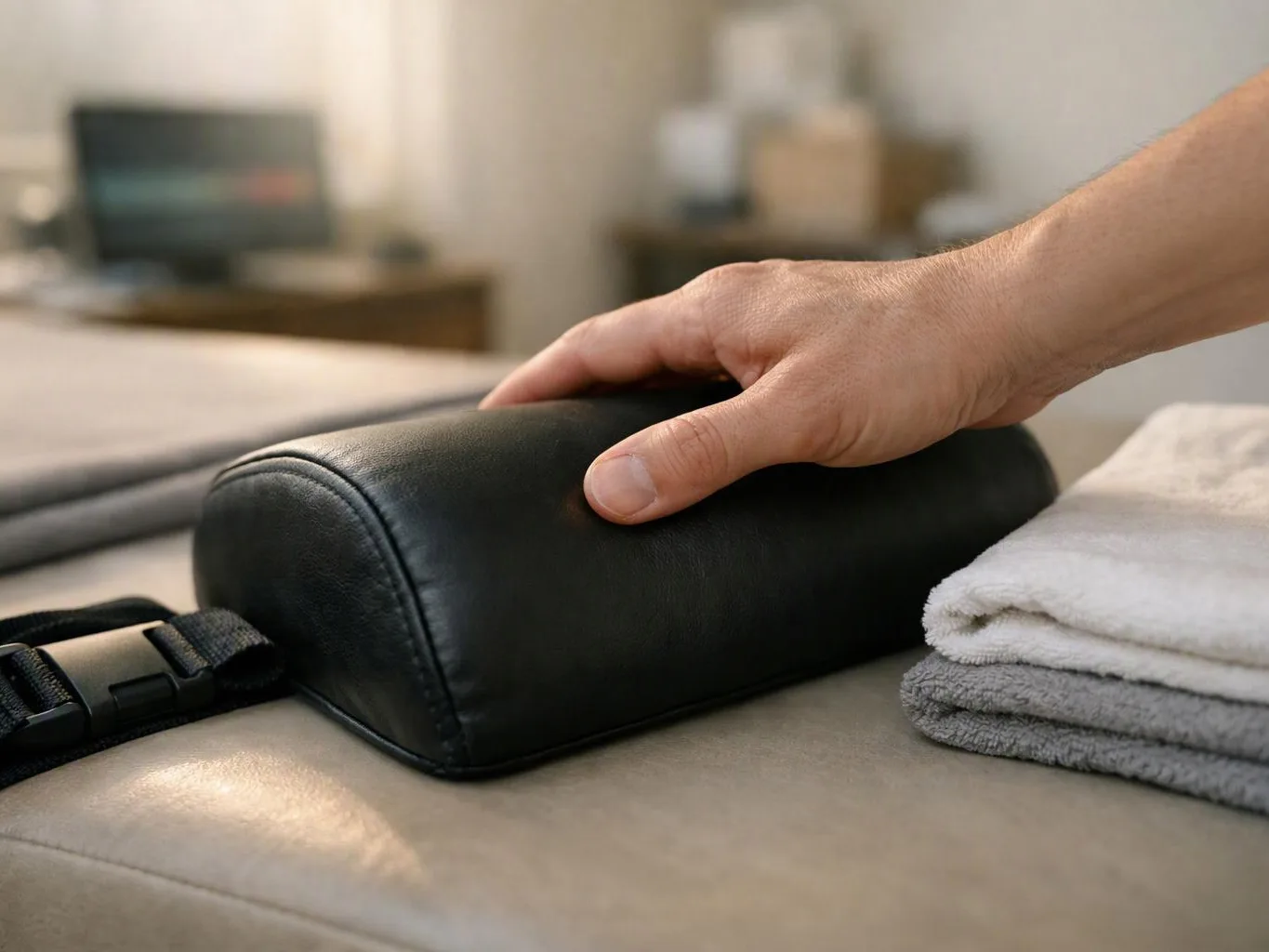
A hand presses a black leather cushion beside folded towels on a bed

ZIP Codes We Serve in Kingston Springs, Tennessee

37082

The health and wellness information on this website is for general informational purposes only and is not medical advice. It does not create a provider-patient relationship. Individual results vary.

(615) 265-0412