Skip to content

Kinesiology Taping in Franklin, Tennessee

Muscle support starts with a careful health review in Franklin. We use elastic tape when it fits your symptoms, movement, and care goals.

Upfront, Transparent PricingServing 18 CommunitiesMon-Fri: 9 am–7 pm, Sat: 9 am–2 pm, Sun: ClosedFast Scheduling

Quick Summary: kinesiology taping in Franklin, Tennessee

Kinesiology Taping in Franklin is provided by Advanced Injury Care Clinic for muscle support, joint stability, and movement concerns. The clinic serves Franklin, Brentwood, Williamson County, and the greater Nashville area through chiropractor-led care and personalized treatment plans.

  • What we do: Advanced Injury Care Clinic provides Kinesiology Taping in Franklin, Tennessee, as part of injury-focused chiropractic care.
  • What is included: Muscle support, elastic tape placement, joint stability checks, movement review, and individualized treatment planning.
  • What you get: The patient receives a tape plan that matches the injury, movement needs, and broader treatment goals.

Why does an injured muscle keep feeling weak after activity?

An injured muscle may feel weak when pain changes movement or nearby joints lack support. A clinical assessment helps decide whether kinesiology taping fits the problem.

Kinesiology Taping for Muscle Support in Franklin, Tennessee

Kinesiology taping is a focused add-on for people dealing with muscle strain, joint discomfort, or movement changes after an injury. The tape may provide light support while the patient moves, but it does not replace an injury evaluation or a full treatment plan.

The decision starts with the affected area, skin condition, pain pattern, and movement limits. Our team may pair taping with soft-tissue therapy, corrective exercises, rehabilitation guidance, or spinal adjustments when those services fit the patient’s needs.

This page helps you decide whether taping belongs in your care plan. It is most useful when you want support during movement and need a clinician to check the cause of the problem first.

  • The injury area and current symptoms are reviewed before tape is placed.
  • Skin condition and possible tape sensitivity are checked.
  • Movement is observed to see whether support or correction is appropriate.
  • Taping is considered alongside soft-tissue therapy, corrective exercises, or other care.
  • The patient receives guidance on how to monitor comfort after the visit.
A tabletop shows a spine model, a black foam roller, a folded towel, and a tan massage ball

Service Overview

Kinesiology taping is an elastic tape method that supports movement around an injured muscle or joint.

  • Kinesiology taping supports motion during activity, while spinal adjustments and soft-tissue therapy address other parts of a care plan.
  • Advanced Injury Care Clinic provides this care in Franklin and the surrounding Williamson County area.

What kinesiology taping includes for your visit

Advanced Injury Care Clinic provides comprehensive Kinesiology Taping in Franklin. Here's what you get:

  • We review your health history, injury concerns, and movement goals.
  • We check the affected muscle, joint motion, skin condition, and tenderness.
  • We select an elastic tape approach that fits the area and planned activity.
  • We place kinesiology tape to support movement or reduce strain during activity.
  • We explain what sensations to watch for after application.
  • We discuss whether follow-up care or another treatment should be considered.

What this taping approach can change

Elastic tape may give a patient added awareness around an injured area during movement.

Support around a joint may help the patient follow a corrective exercise plan with greater control.

A tape application can fit into a broader injury plan that includes soft-tissue therapy and rehabilitation guidance.

Movement review helps connect the tape choice to the patient’s daily activities and goals.

The approach gives patients a practical way to discuss comfort and function during follow-up care.

How we approach this taping decision

Assessment before tape placement

We check the injury area, skin, movement, and symptoms before choosing a tape approach. Taping is the wrong job when the concern needs urgent medical evaluation or a different form of care.

Taping within a care plan

Kinesiology tape works best as one part of care when the patient also needs exercise, soft-tissue work, or guidance for daily movement.

Clear fit for daily activity

We connect the tape placement to the activity that bothers you, such as walking, exercise, work, or routine movement.

Process

How we apply kinesiology tape

1

Review the injury and goals

We discuss the health history, affected area, daily activity, and the movement that causes concern.

2

Check skin, motion, and support

The clinician checks skin condition, muscle use, joint motion, and symptoms before selecting a tape approach.

3

Place elastic tape

We apply elastic kinesiology tape to support the selected muscle or joint during the activity under review.

4

Explain comfort and next steps

We explain what to watch for after placement and discuss whether exercises, soft-tissue therapy, or follow-up care fits the plan.

Choosing support for an injured muscle

This comparison shows how taping differs from related care options during an injury assessment.

Care optionPrimary focusWhen it may fit
Kinesiology tapingExternal support during movementAn assessed muscle or joint concern
Soft-tissue therapyHands-on work with muscle and soft tissueTenderness, tightness, or related tissue concerns
Corrective exercisesGuided movement and strength practiceA care plan that includes active rehabilitation

The Advanced Injury Care Clinic Standard

  • Patient Assessment
  • Personalized Care Plans
  • Clear Treatment Explanations
  • Progress Monitoring

Questions about kinesiology taping and injury care

How does kinesiology taping support injured muscles?

Muscle support comes from elastic tape that follows movement around an injured area. Advanced Injury Care Clinic checks the muscle, nearby joint, skin, and activity first. The tape may improve movement awareness and provide light support during daily tasks. Individual response differs, so we connect taping with the broader treatment plan.

What happens at each stage of a taping visit?

The visit includes a health review, movement check, tape placement, and aftercare guidance. We first discuss symptoms and goals. Next, we assess skin, motion, and the activity that causes trouble. We then place elastic tape and explain what to monitor. Follow-up care may include corrective exercises or soft-tissue therapy.

Which patients are a good fit for this support?

Patients with an assessed muscle or movement concern may be a good fit for kinesiology taping. The approach can suit people who want support during work, exercise, or routine activity. We do not use taping as a substitute for needed medical evaluation. A consultation helps identify the right service.

When should I ask about kinesiology tape after an injury?

Ask about kinesiology tape when an injury affects movement and you want support during a specific activity. The care team should first review pain, weakness, swelling, skin condition, and joint motion. Severe or worsening symptoms require medical attention. Taping can be discussed after the concern receives a suitable assessment.

Why might taping not be the right service?

Taping may not fit when the main concern needs urgent evaluation, a different treatment, or a broader rehabilitation plan. Skin irritation, unclear symptoms, marked weakness, or limited motion can change the decision. We review those factors before applying tape and explain the next appropriate option.

What does the clinician look at first during taping?

The clinician first reviews the injury history, current symptoms, skin condition, and affected movement. The exam then considers nearby joint motion and muscle use. This check helps match tape placement to the patient’s goal. It also helps identify cases where another form of chiropractic or medical care is more suitable.

Who provides kinesiology taping in Franklin?

Advanced Injury Care Clinic provides kinesiology taping in Franklin as part of chiropractor-led injury care. Our team evaluates the concern before placing elastic tape. The clinic also provides spinal adjustments, soft-tissue therapy, corrective exercises, rehabilitation guidance, and supportive wellness care when those services fit the patient’s needs.

Contact

Ask about kinesiology taping in Franklin

Advanced Injury Care Clinic offers free consultations for patients who want to discuss muscle support, joint stability, or movement concerns in Franklin. Schedule a visit to review your symptoms and care options.

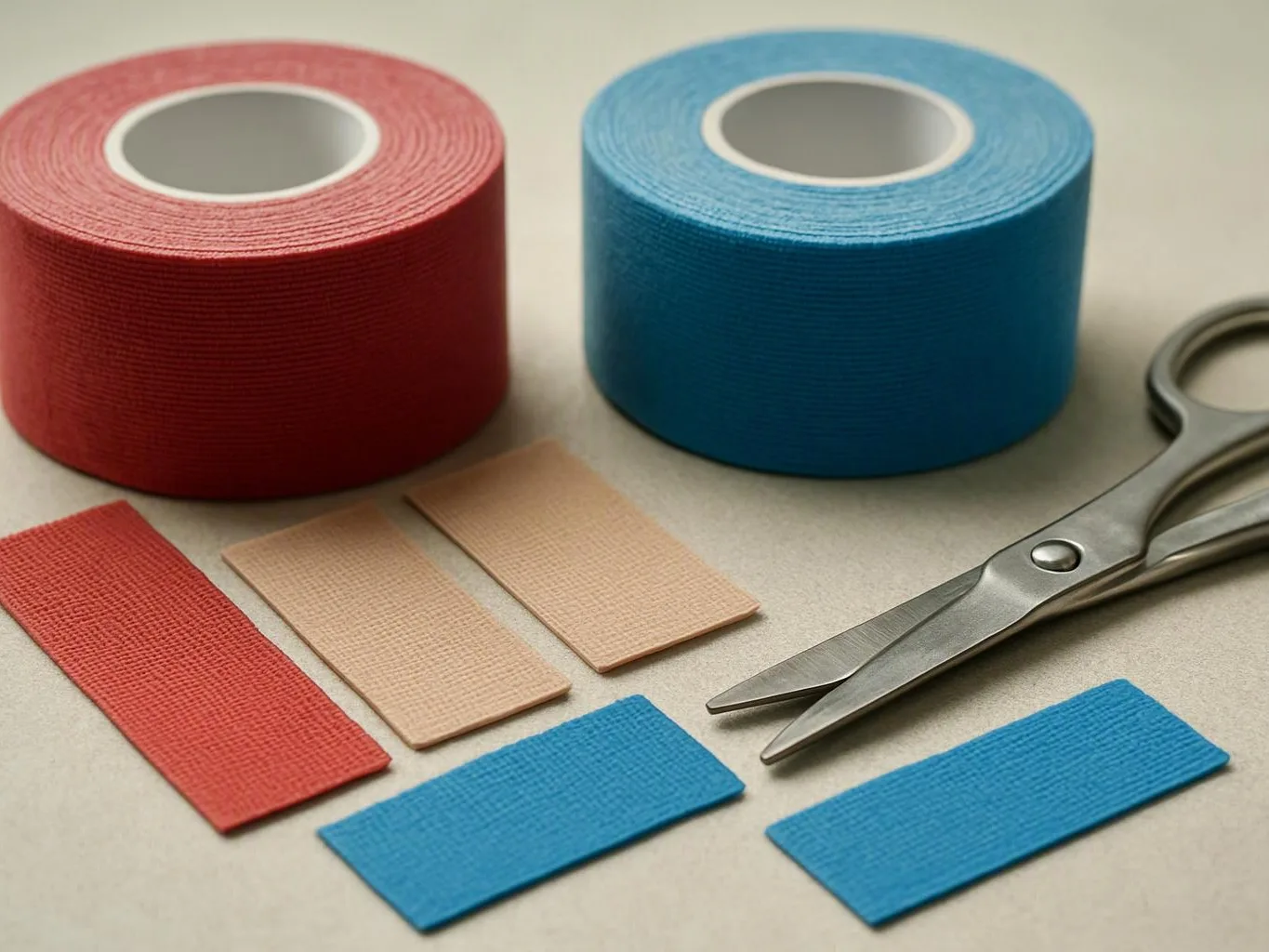
Two rolls of colored adhesive tape sit beside cut strips and open scissors on a plain tabletop

ZIP Codes We Serve in Franklin, Tennessee

3706437065370673706837069

The health and wellness information on this website is for general informational purposes only and is not medical advice. It does not create a provider-patient relationship. Always consult a qualified licensed provider in Brentwood Estates, Tennessee, United States about your specific condition before making care decisions. Individual results vary.

(615) 265-0412