Understanding Spinal Decompression
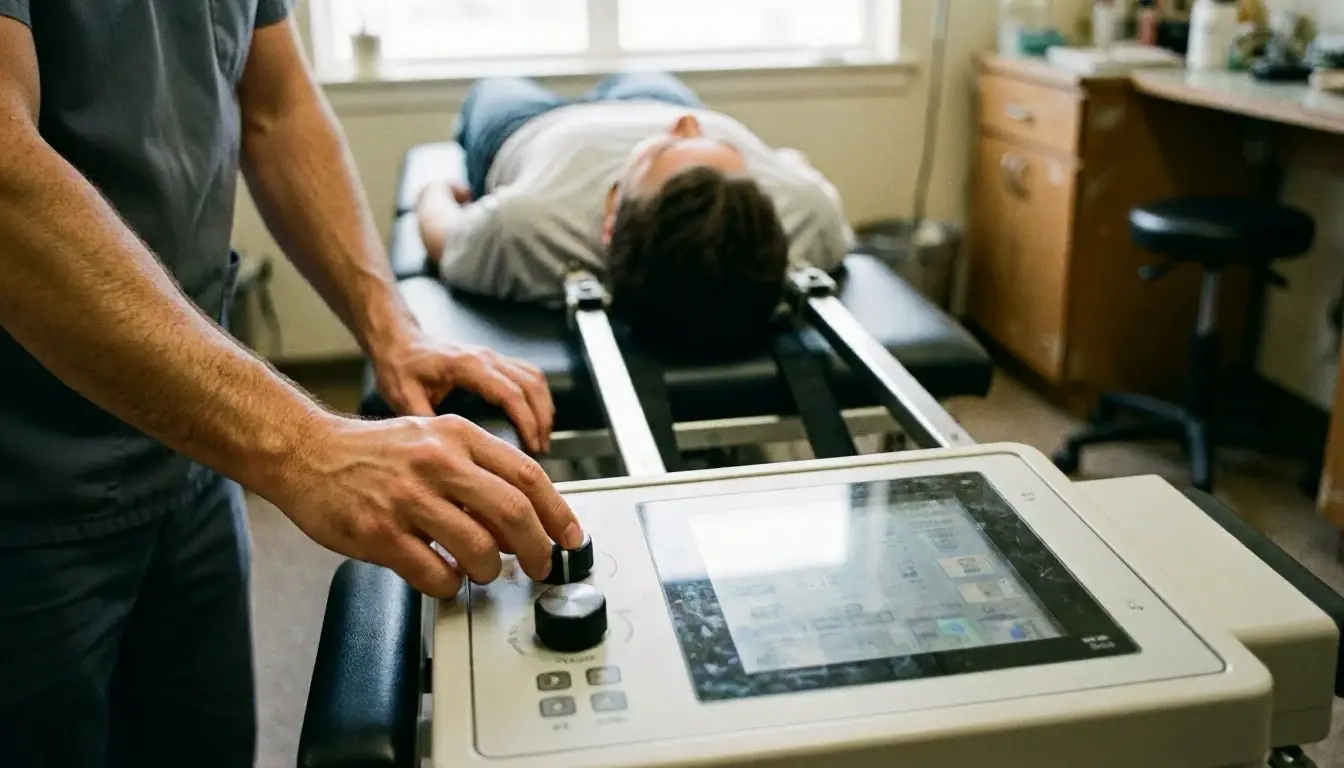
Spinal Decompression helps back and neck pain. It eases pressure on the spine.
Related glossary terms: Decompression Therapy, Disc Herniation, Chiropractic Adjustment.
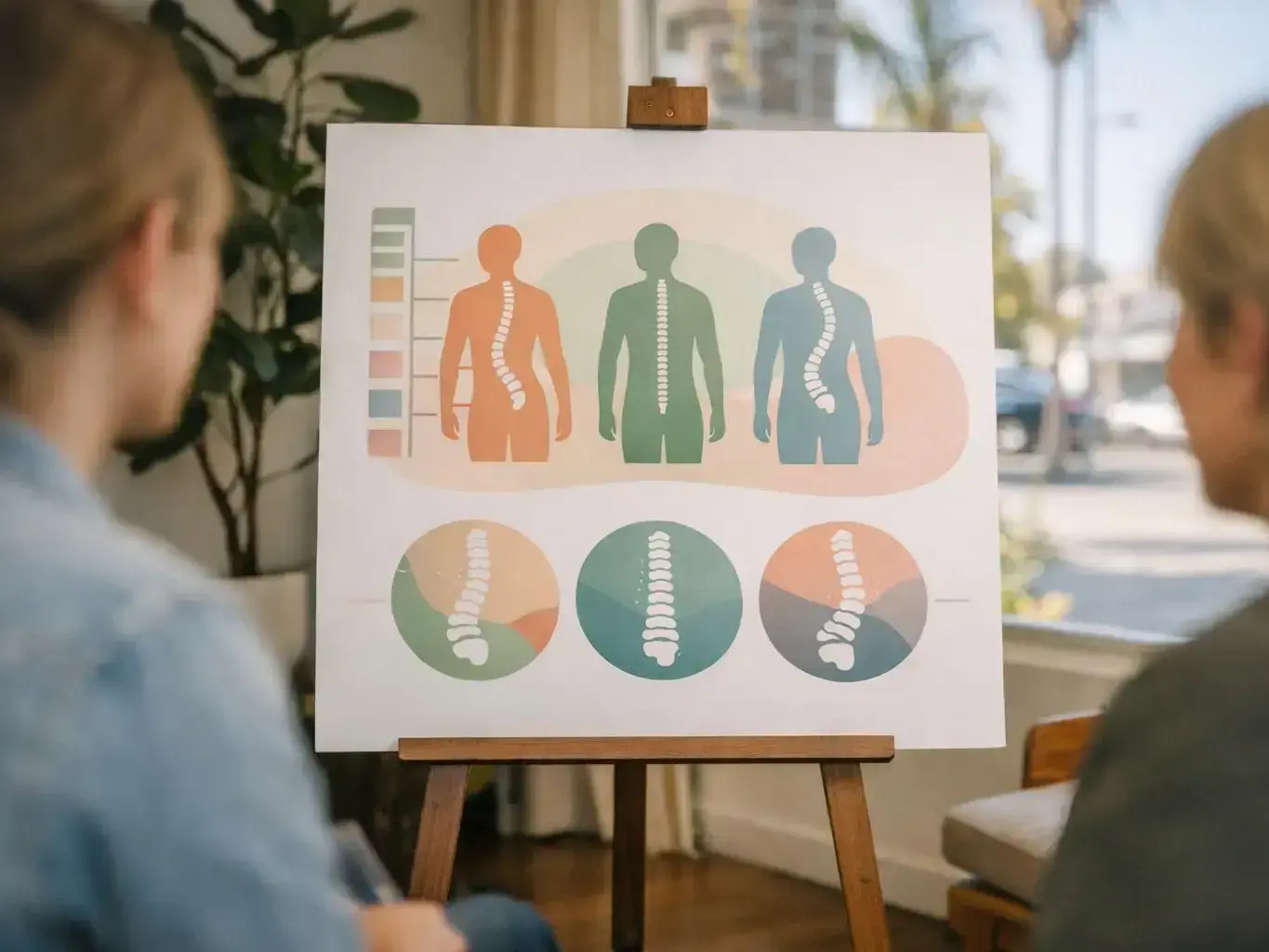
This pressure comes from problems like herniated discs (bulging cushions in the spine). It can also come from spinal stenosis (a narrow spine space).
Pressure on nerves causes pain. It can cause numbness or weakness too. These happen in the back, legs. Or arms.
Spinal Decompression gently stretches the spine. This reduces pressure. It helps discs heal.
This treatment doesn't need surgery. It doesn't need medicine either.
It uses a special table or device. The device pulls the spine gently.
This pull creates negative pressure. That pressure helps bulging discs move back.
It also helps oxygen, water. And nutrients flow into discs. This helps them heal.
Many people find it relaxing. It doesn't hurt.
How Spinal Decompression Works?
During treatment, you lie on a table. You can lie face up or face down.
This depends on the area being treated. A harness goes around your hips.
The harness attaches to the lower part of the table. The upper part stays still.
The table moves slowly. It pulls your spine gently.
A computer controls the pull. This keeps it safe and helpful.
The spine stretches and relaxes in cycles. Each stretch lasts 30 to 45 seconds.
Then it relaxes for 10 to 30 seconds. Each session lasts 30 to 45 minutes.
You may need 15 to 30 sessions. These happen over several weeks.
The number depends on your condition. It also depends on how you respond.
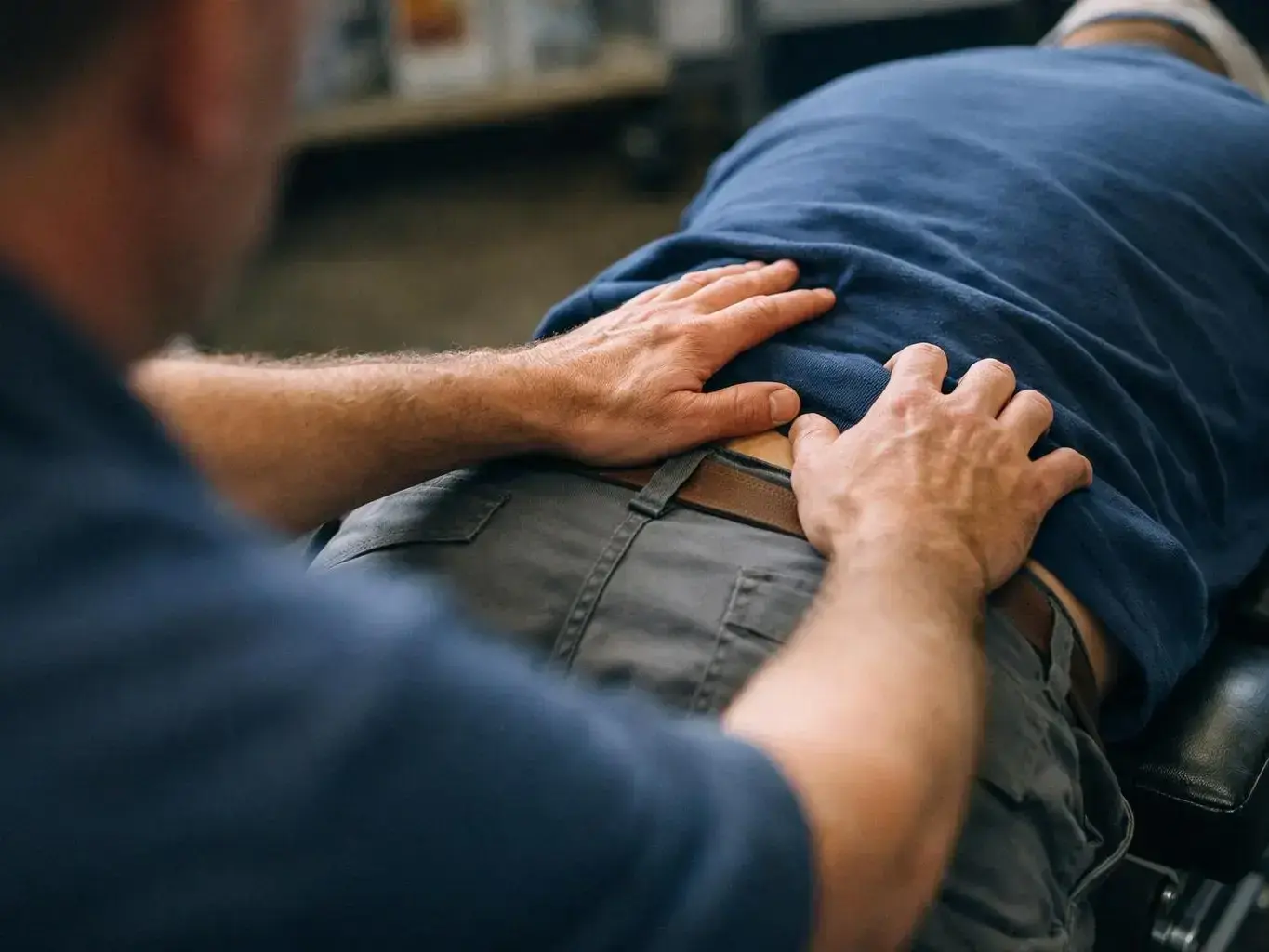
Other therapies can help too. These include chiropractic adjustments (spine fixes).
They also include physical therapy or cold laser therapy (light treatment).
Chiropractic adjustments help align the spine. Spinal Decompression eases disc pressure.
Together, they can help more. They can give full relief for back and neck pain.
Why Spinal Decompression Matters?
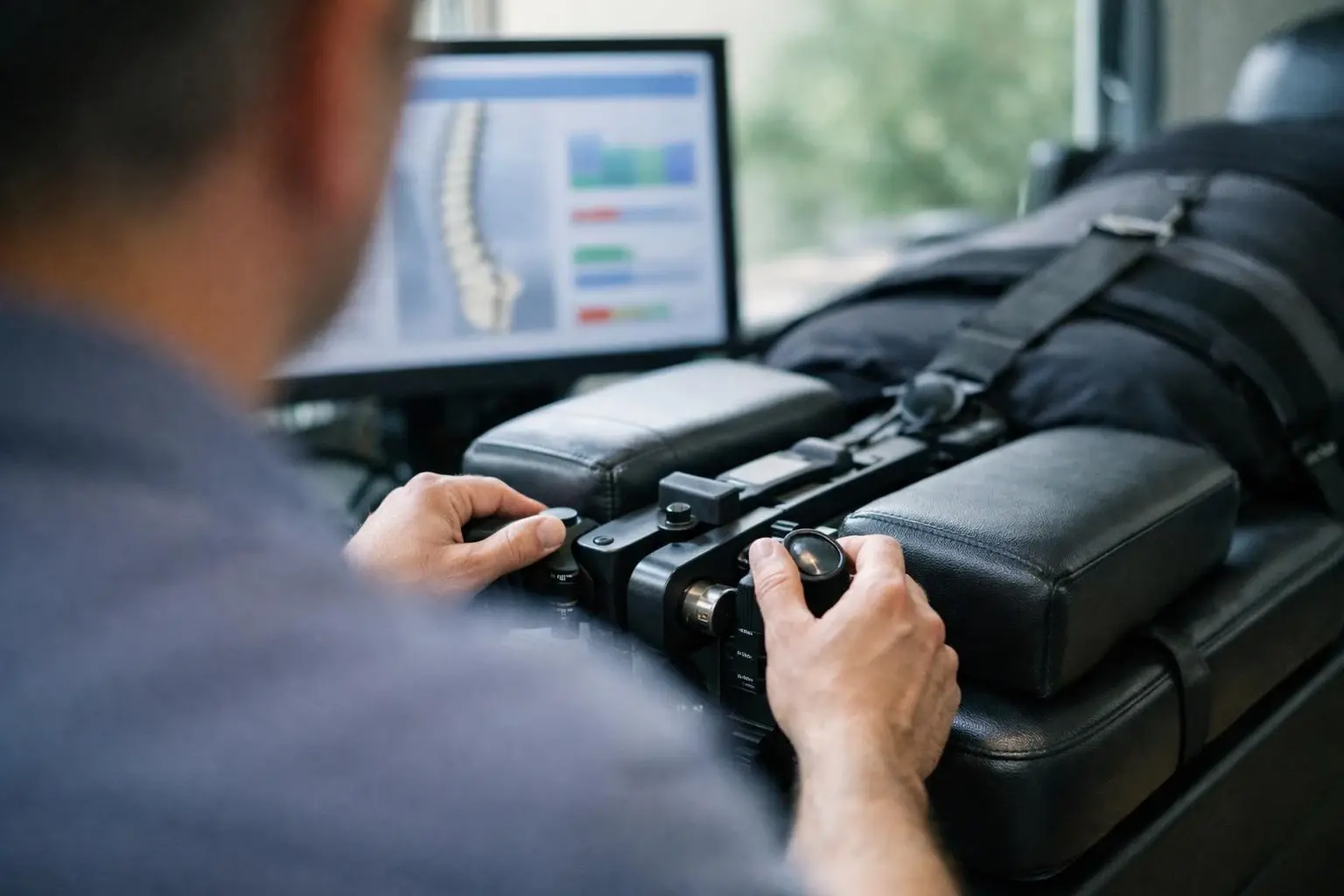
Spinal Decompression is safe. It helps without surgery.
Surgery can be risky. It costs a lot too.
Recovery from surgery takes a long time. Spinal Decompression is different.
It doesn't hurt much. You can go back to daily life fast.
It can help you skip pain medicine. Medicine can cause bad side effects.
It can also cause dependency (needing more and more).
It helps with herniated discs or spinal stenosis. It can ease pain a lot.
It can also help you move better. It reduces pressure on nerves.
This can bring back feeling. It can bring back strength too.
It makes daily tasks easier. These include sitting, standing. Or walking.
Over time, it helps the spine heal. It can stop future pain too.
When Spinal Decompression Matters Most?
Spinal Decompression helps when other treatments don't. These include medicine or therapy.
It's great for disc problems. These include herniated or bulging discs.
It helps with degenerative disc disease (worn-down discs). It helps sciatica too.
Sciatica is pain that goes down the leg. It happens when the sciatic nerve is squished.
Not everyone can use it. People with severe osteoporosis (weak bones) shouldn't.
Those with spinal fractures or tumors shouldn't either. Pregnant women can't use it.
People with metal implants in the spine can't use it. These include screws or plates.
A doctor will check your health. They'll see if it's safe for you.
If you live in Brentwood Estates, TN, this can help. It's good for injuries or long-term pain.
Local chiropractors use it with other treatments. This helps you feel better for longer.
It can improve your daily life too.