Understanding Decompression Therapy
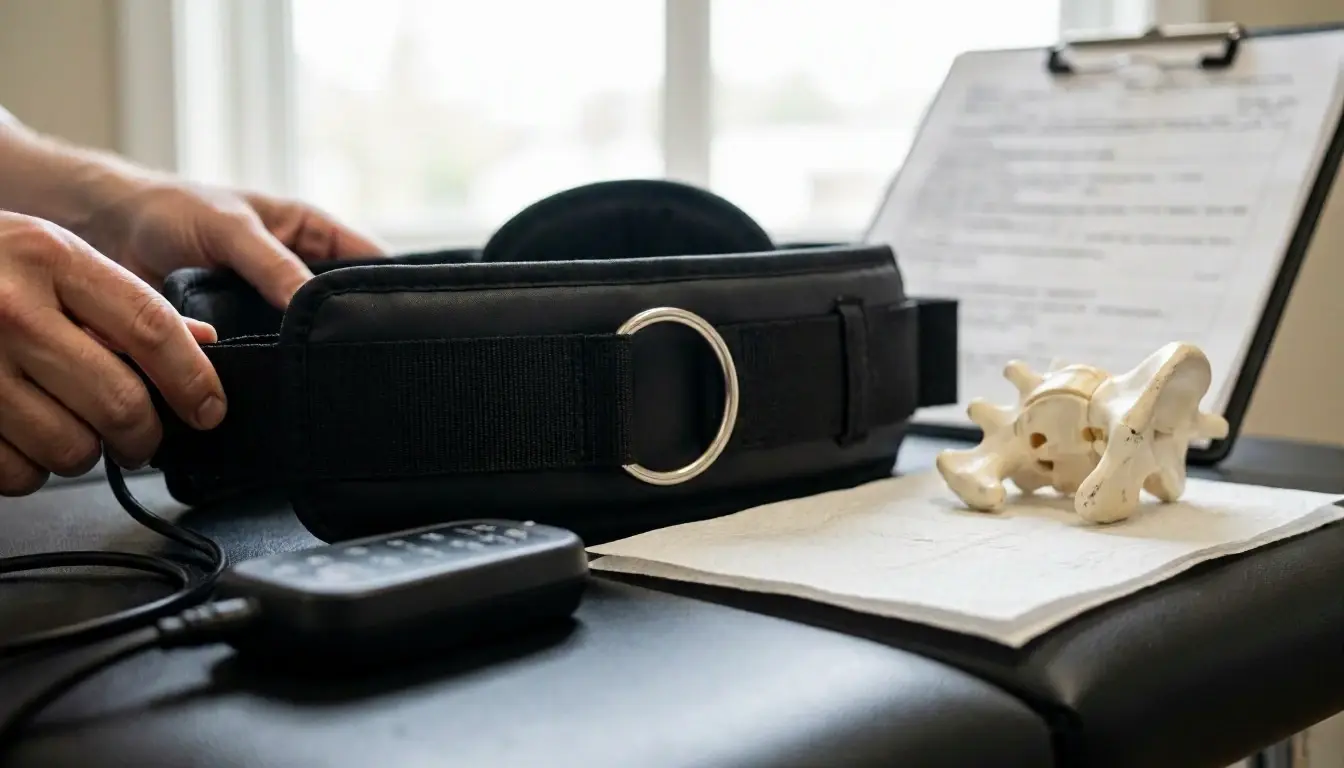
Decompression Therapy is a specialized treatment used by chiropractors and physical therapists to address spinal disc problems. The spine is made up of vertebrae and soft discs that act as cushions. Over time, discs can bulge, herniate. Or degenerate, pressing on nerves and causing pain. That matters. Decompression Therapy works by gently stretching the spine to create space between vertebrae. This negative pressure helps discs retract, reduces nerve compression. And promotes healing by allowing oxygen, water. And nutrients to flow into the disc.
Related glossary terms: Disc Herniation, Spinal Stenosis, Chiropractic Adjustment.
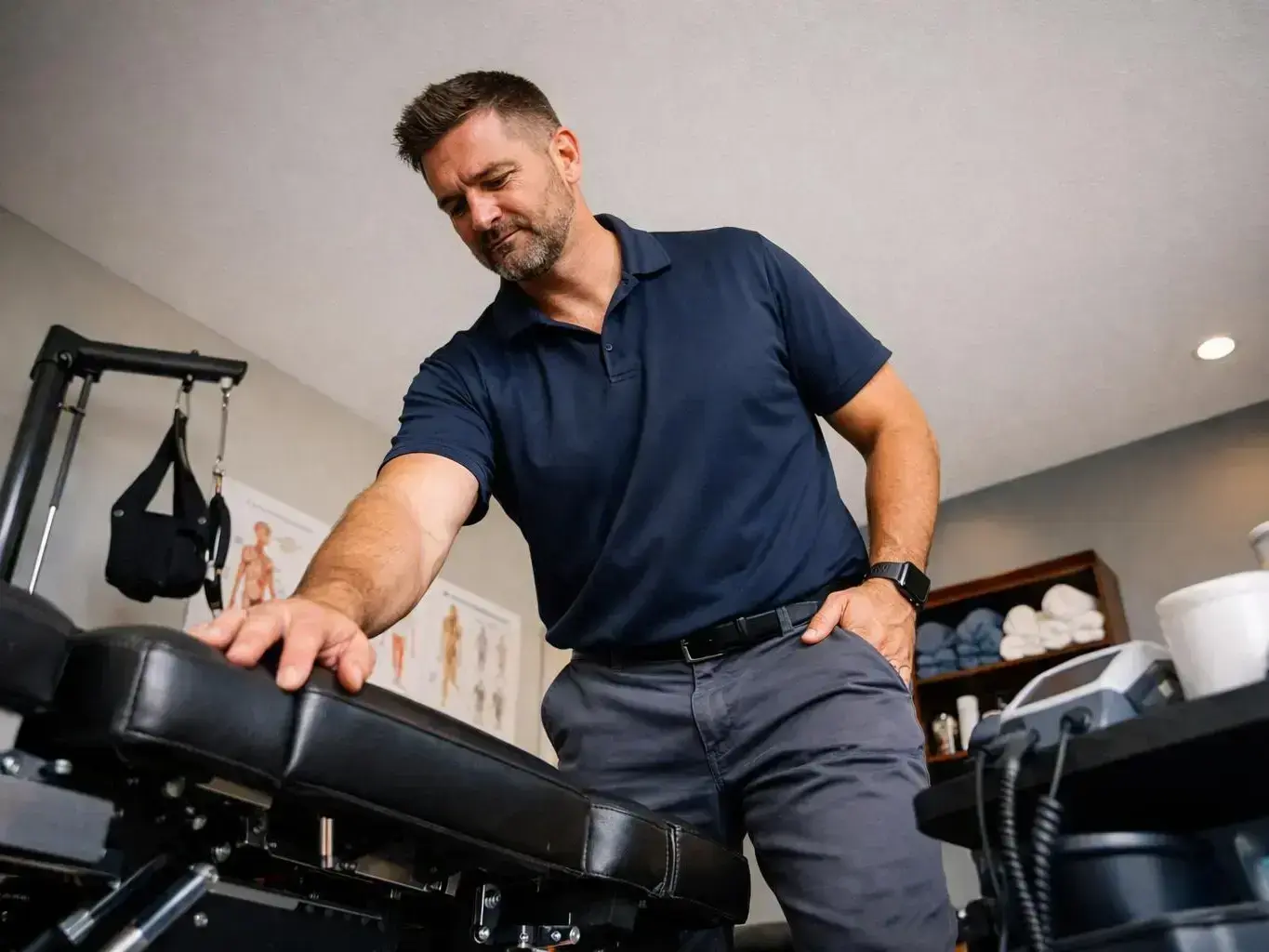
Unlike general traction, which applies a constant pull, Decompression Therapy uses controlled, intermittent force. This means the stretch is applied and released in cycles, which can be more comfortable and effective for patients. The treatment is typically performed on a computerized table that adjusts the angle and force based on the patient’s condition. Sessions usually last 15 to 30 minutes and are often combined with other therapies like heat, ice. Or electrical stimulation to boost results.
How Decompression Therapy Works?
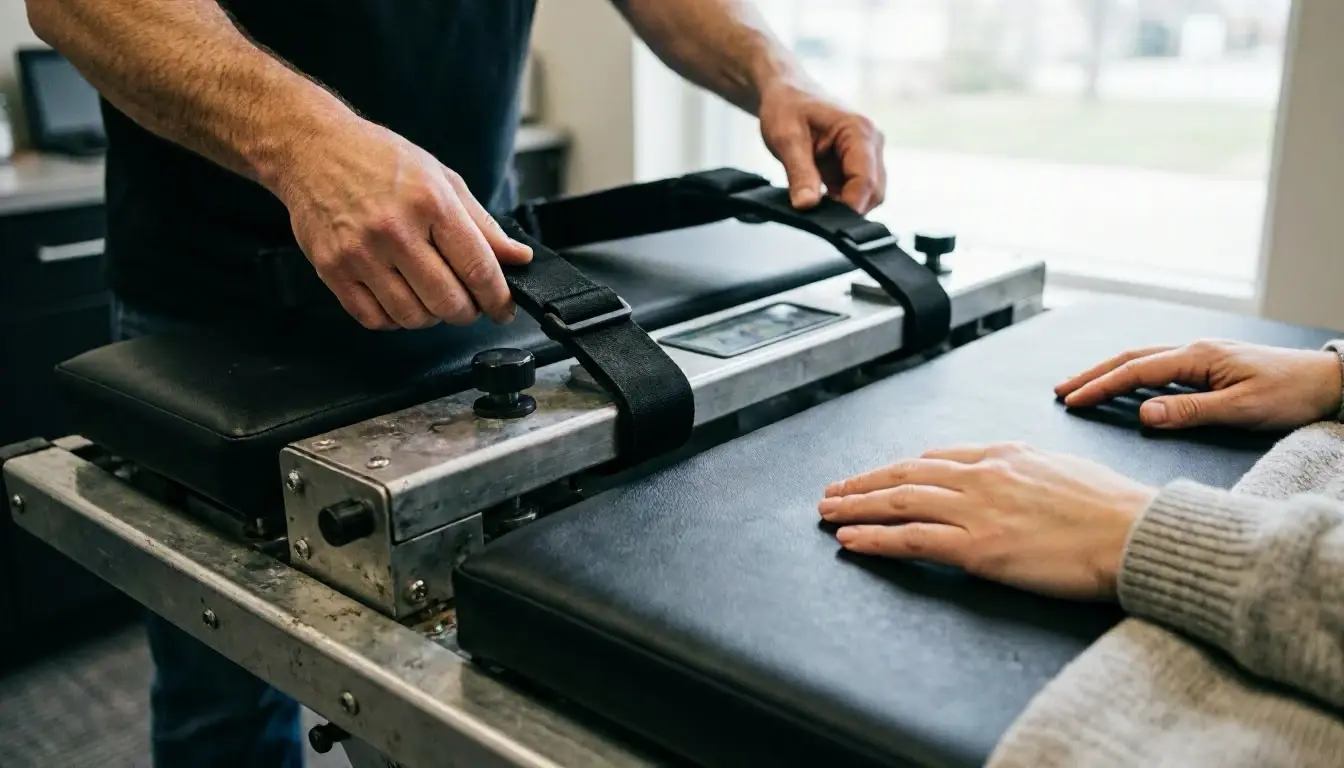
During a Decompression Therapy session, the patient lies on a table, usually face up or face down, depending on the area being treated. A harness is placed around the hips or trunk to secure the patient. The table’s lower half moves back and forth, creating a gentle stretching force on the spine. For customers, this means this force is carefully controlled by a computer to ensure it remains within safe limits. The goal is to create enough negative pressure to decompress the disc without causing muscle spasms or discomfort.
The stretching cycles typically last 30 to 60 seconds, followed by a brief rest period. This pattern is repeated for the duration of the session. Patients often feel a pulling sensation but should not experience pain. For many customers, that is the difference. The number of sessions required varies depending on the severity of the condition. Some patients notice improvement after a few sessions. While others may need 15 to 20 treatments for lasting relief. Decompression Therapy is often part of a broader treatment plan that includes exercises, posture correction. And lifestyle changes to support spinal health.
Why Decompression Therapy Matters?
Decompression Therapy matters because it offers a non-invasive alternative to surgery for people suffering from disc-related pain. Conditions like herniated discs, sciatica. And spinal stenosis can cause debilitating pain, numbness. Or weakness in the back, neck, arms. Or legs. Surgery carries risks, including infection, nerve damage. And long recovery times. Decompression Therapy provides a way to address these issues without the need for invasive procedures. It can also help patients avoid long-term use of pain medications, which may have side effects like dependency or digestive problems.
For local customers, Another benefit of Decompression Therapy is its potential to improve disc health over time. By creating negative pressure, the treatment encourages the movement of fluids and nutrients into the disc, which can aid in repair and regeneration. That means particularly important for people with degenerative disc disease, where discs lose hydration and elasticity. While Decompression Therapy doesn't reverse aging, it can slow the progression of disc degeneration and reduce symptoms, allowing patients to maintain an active lifestyle.
When Decompression Therapy Matters Most?
Decompression Therapy is most beneficial for people experiencing chronic back or neck pain caused by disc problems. It's commonly recommended for conditions like herniated discs, bulging discs, sciatica. And spinal stenosis. Patients who have not found relief from other treatments, such as medication, physical therapy. Or manual adjustments, may also benefit from Decompression Therapy. It is especially useful for those who want to avoid surgery or are not candidates for surgical intervention due to health risks.
Decompression Therapy may not be suitable for everyone. People with certain conditions, such as fractures, tumors, severe osteoporosis. Or infections in the spine, should avoid this treatment. Pregnant women and individuals with metal implants in the spine are also typically excluded. A thorough evaluation by a healthcare provider is necessary to determine if Decompression Therapy is appropriate. In Brentwood Estates, TN, chiropractors often use this therapy as part of a full approach to managing spinal health, particularly for patients dealing with disc-related pain from injuries, aging. Or repetitive stress.