Understanding Spinal Stenosis
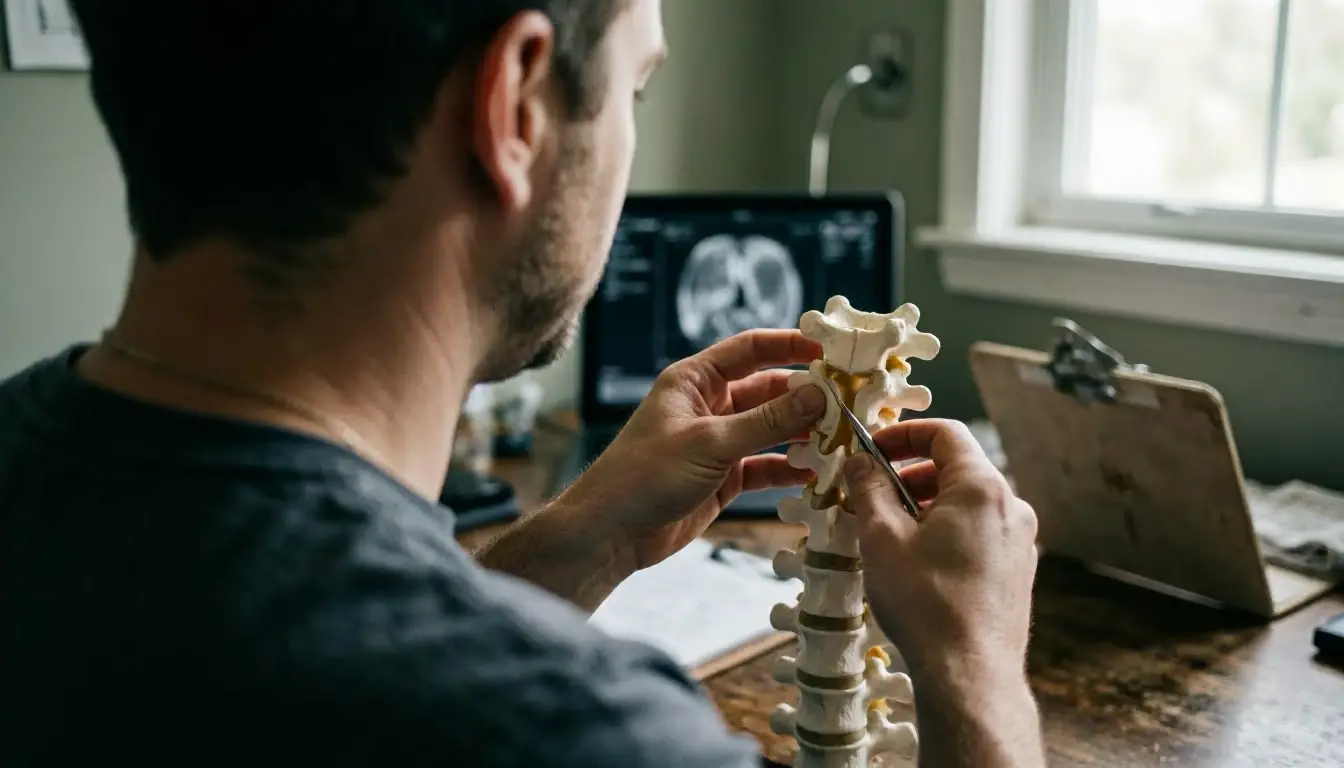
Spinal Stenosis makes the spine's spaces get smaller. This can squeeze the spinal cord and nerves. That causes pain, tingling. Or weakness.
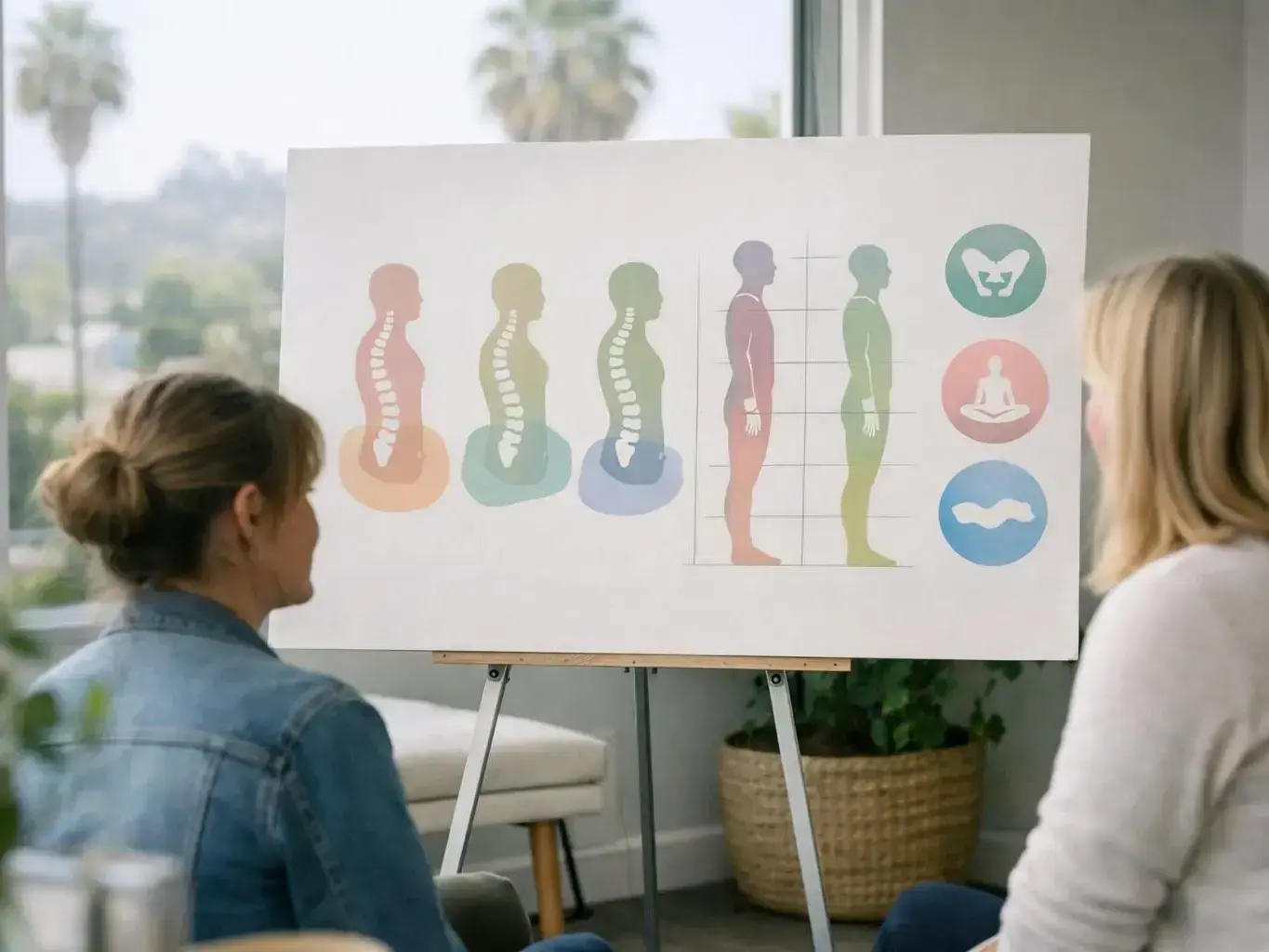
The spine has bones called vertebrae. Between these bones are open spaces. Nerves pass through these spaces.
When spaces shrink, nerves get pinched. This can hurt or feel strange. It is called Spinal Stenosis.
Most people get it as they get older. Years of moving wear down the spine. This makes ligaments thicken or bones grow spurs.
Discs can bulge too. These changes take up space. Then nerves have less room.
Aging is the top cause. But injuries or arthritis can cause it too. Some people are born with it.
It often happens in the lower back. This is called lumbar stenosis. It can also happen in the neck. That is cervical stenosis.
How Spinal Stenosis Works?
Spinal Stenosis makes less room for nerves. Think of a tunnel with wires. If the tunnel shrinks, wires get squeezed.
The spine's tunnel is the spinal canal. The wires are the nerves. When the canal gets narrow, nerves feel pressure.
This can cause pain or numbness. It can make arms, legs. Or back feel weak.
In Brentwood Estates, TN, the lower back is often affected. This is the lumbar spine. The neck can be affected too. That is the cervical spine.
With lumbar stenosis, legs may hurt. This happens when walking or standing. The nerves to the legs get squeezed.
With cervical stenosis, arms may feel numb. Hands might feel weak. Some people have trouble with balance.
Simple tasks can be hard. Buttoning a shirt may be tough.
Doctors use tests to find Spinal Stenosis. X-rays, MRI scans. Or CT scans show the spine. They help find narrow spots.
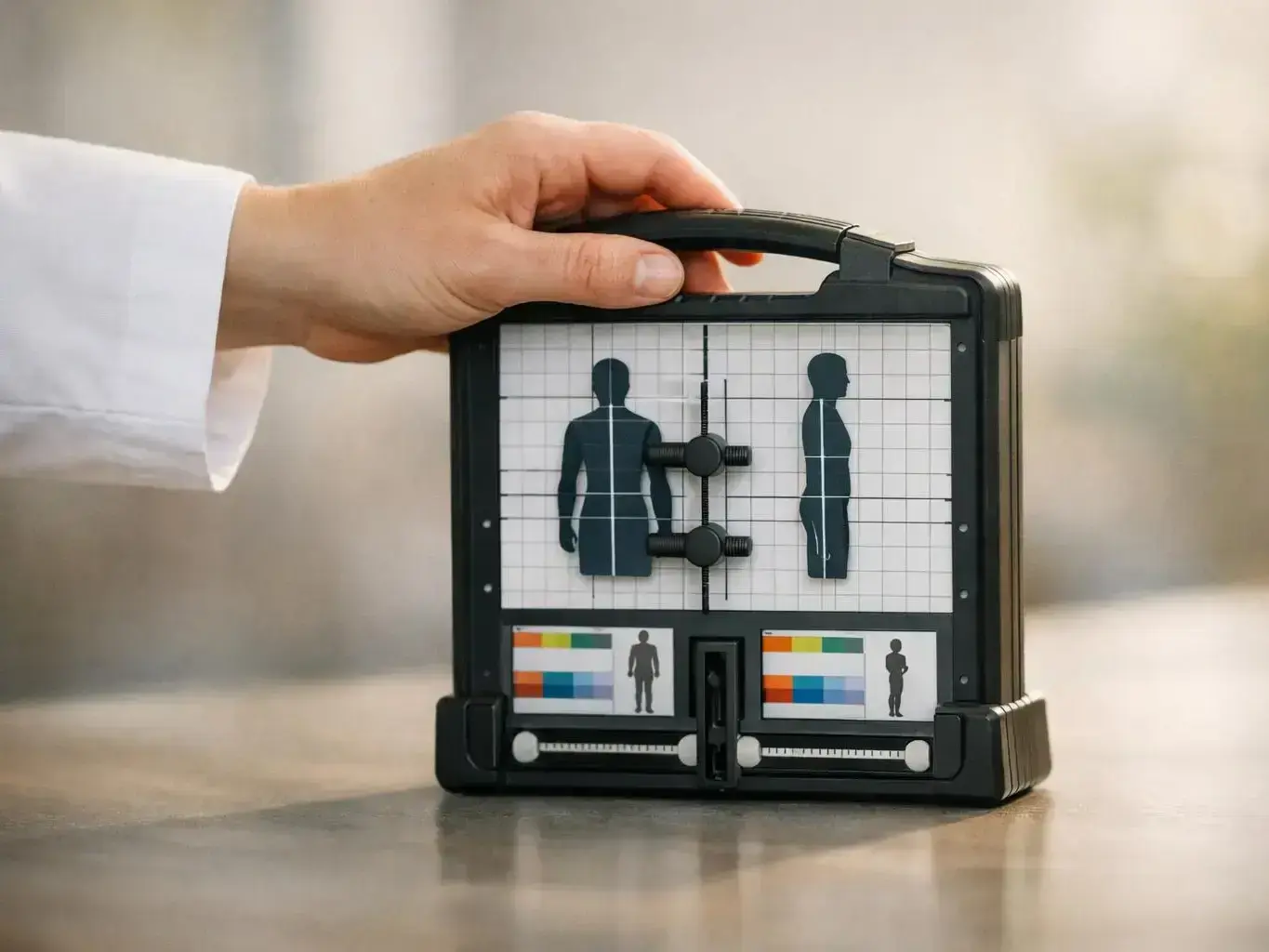
A physical exam helps too. Doctors ask about symptoms. They check for other problems.
There is no cure. But treatments can help. Physical therapy, medicine. Or surgery can ease symptoms.
Why Spinal Stenosis Matters?
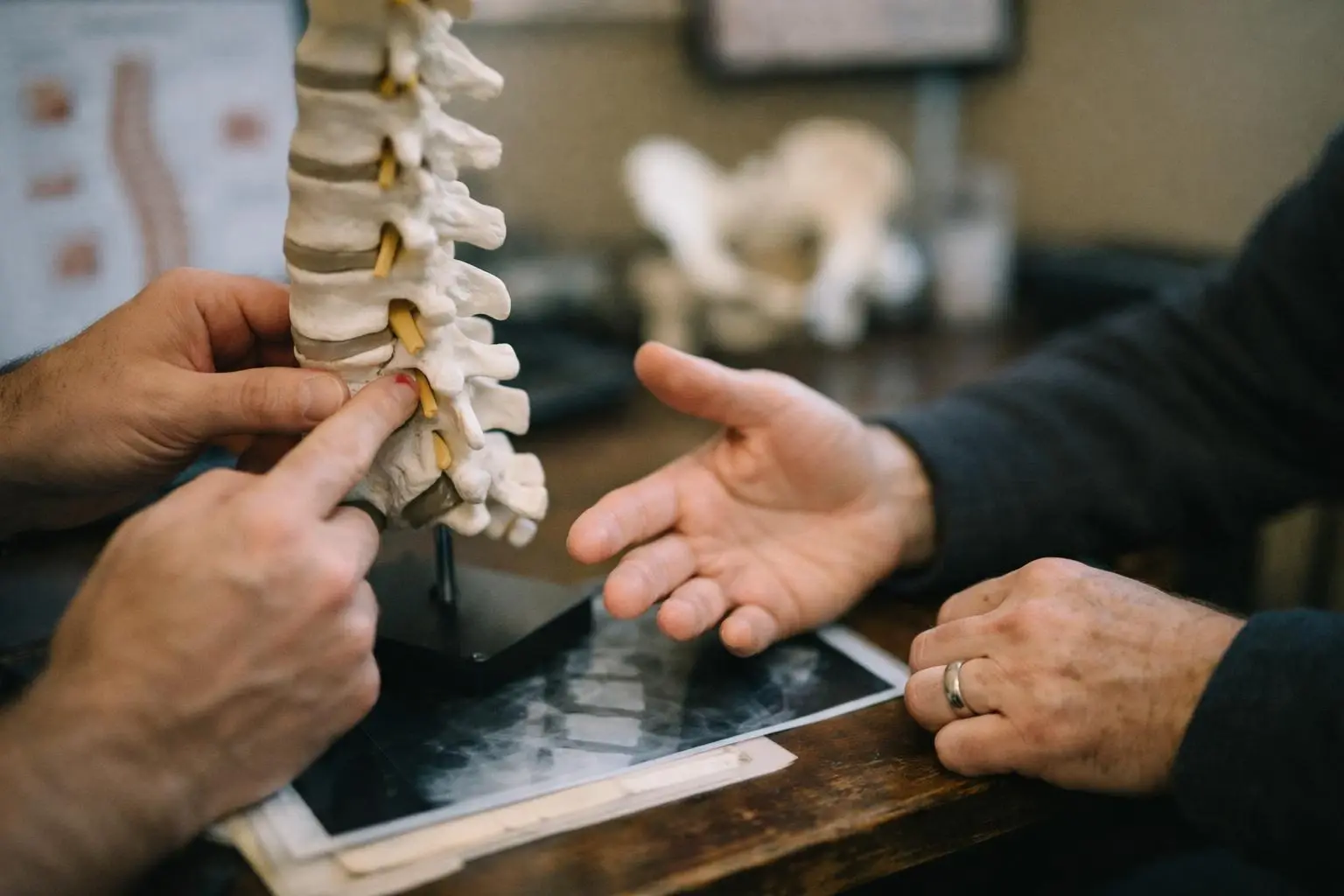
Spinal Stenosis can change daily life. Pain or numbness can make walking hard. Standing or sitting may hurt too.
Over time, it can get worse. Some people have balance trouble. Others may lose bladder control.
Early care can help. It keeps people active. It can stop bigger problems later.
Pain can affect the mind too. It can cause frustration or worry. Some feel sad or anxious.
The right treatment helps. People can keep doing favorite things. This might be gardening or playing with kids.
Early care may stop surgery. Surgery takes longer to heal. It has more risks too.
When Spinal Stenosis Matters Most?
Spinal Stenosis matters when it hurts daily life. Walking may start to hurt. Standing can cause numbness.
Sudden weakness needs quick care. Balance trouble is serious too. Problems with bladder or bowels need help fast.
Early care keeps people moving. Pain can stop exercise. That can cause weight gain or weak muscles.
Other problems can start too. These include diabetes or heart disease. Staying active helps avoid these.
Older adults need to stay moving. Spinal Stenosis can make this hard. It raises fall risks too.
In Brentwood Estates, TN, chiropractors help. They offer care without surgery. Many people try this first.
Chiropractic care can ease symptoms. So can physical therapy. Lifestyle changes help too.
Knowing about the condition helps. Patients can choose the best care. They can look at all options.