Understanding Herniated Disc
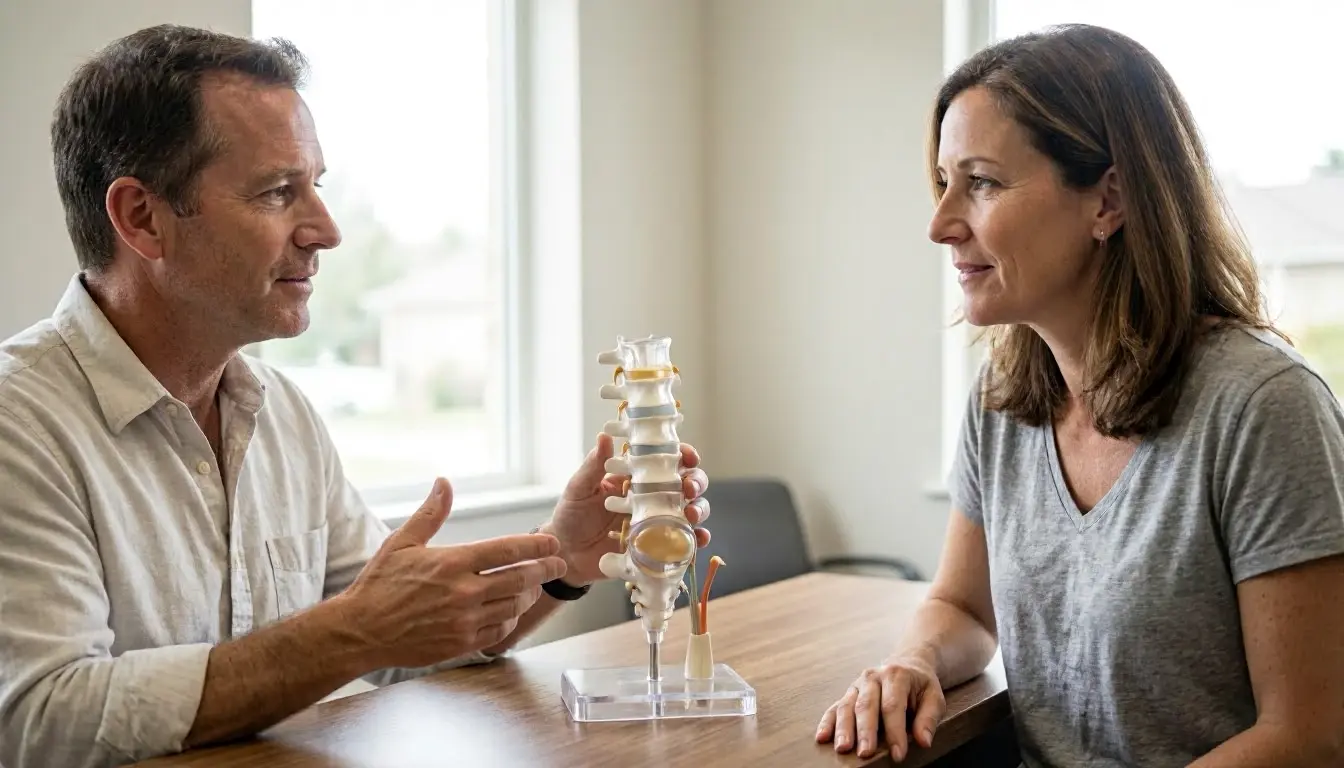
A herniated disc is a common spinal issue that occurs when the soft, jelly-like center of a spinal disc (called the nucleus pulposus) pushes through a crack in the disc’s tougher outer layer (the annulus fibrosus). The spine is made up of vertebrae stacked on top of each other, with discs acting as cushions between them. These discs absorb shock and allow the spine to bend and move freely. When a disc herniates, the leaked material can press on nearby nerves, causing pain, tingling. Or weakness in the area of the body served by those nerves.
Herniated discs most often occur in the lower back (lumbar spine) or the neck (cervical spine). The location of the herniation determines where symptoms appear. For example, a herniated disc in the lower back may cause sciatica, a sharp pain that travels down the leg. While a herniated disc in the neck may cause pain or numbness in the shoulder or arm. Not all herniated discs cause symptoms—some people may have one without realizing it until it’s discovered during an imaging test for another issue.
How Herniated Disc Works?
The spinal discs act like shock absorbers between the vertebrae. Each disc has a strong outer ring (annulus fibrosus) and a soft, gel-like center (nucleus pulposus). Over time, wear and tear, injury. Or sudden strain can weaken the outer layer, allowing the inner material to bulge or rupture. When this happens, the herniated material can irritate or compress nearby nerves, leading to inflammation and pain. The body’s natural healing process may eventually shrink the herniated portion, reducing pressure on the nerves and easing symptoms.
Several factors increase the risk of a herniated disc. Age is a major contributor, as discs lose water content and become less flexible over time, making them more prone to tears. Lifting heavy objects improperly, repetitive bending or twisting. Or sudden movements can also strain the discs. People with physically demanding jobs or those who lead sedentary lifestyles may be at higher risk. Smoking can reduce oxygen supply to the discs, weakening them and increasing the likelihood of herniation.
Why Herniated Disc Matters?
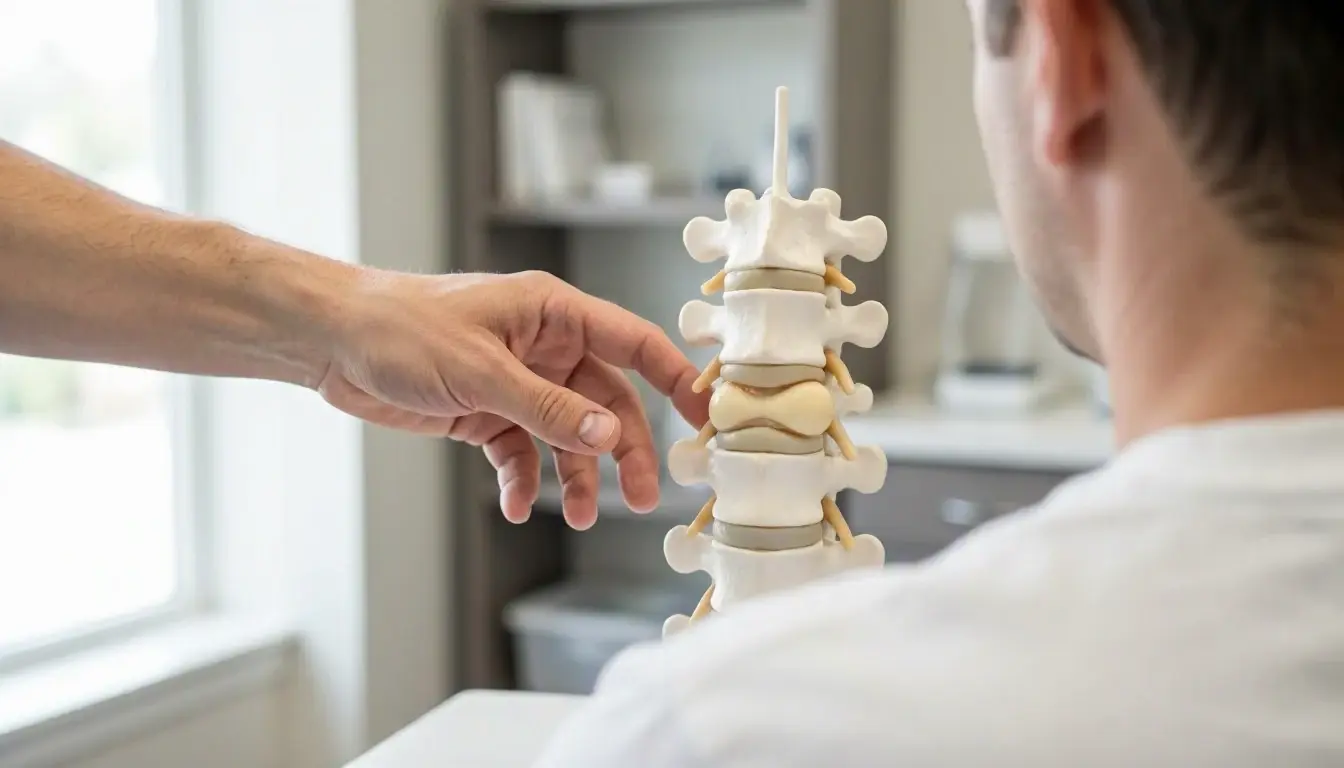
A herniated disc can significantly impact daily life, especially if it causes persistent pain or limits mobility. When nerves are compressed, even simple activities like sitting, standing. Or walking can become painful. Left untreated, a herniated disc may lead to chronic pain, muscle weakness. Or loss of sensation in the affected area. In rare cases, severe compression of nerves in the lower spine can affect bowel or bladder control, requiring immediate medical attention.
For local customers, Understanding the cause and symptoms of a herniated disc helps individuals seek appropriate care early. Many people recover with conservative treatments like rest, physical therapy. Or chiropractic adjustments. These approaches focus on reducing inflammation, improving spinal alignment. And strengthening the muscles that support the spine. Early intervention can prevent minor disc issues from becoming more serious problems.
When Herniated Disc Matters Most?
A herniated disc becomes especially important to address when symptoms interfere with daily activities or worsen over time. Common signs that warrant attention include sharp or burning pain in the back or limbs, numbness or tingling in the arms or legs, muscle weakness. Or difficulty standing or walking. People who experience sudden loss of bladder or bowel control, severe numbness in the groin area. Or progressive weakness in the legs should seek medical care immediately, as these may indicate a rare but serious condition called cauda equina syndrome.
Certain situations increase the likelihood of developing a herniated disc. For example, individuals involved in car accidents, workplace injuries. Or sports-related trauma may experience sudden disc herniation due to the force of impact. Those with jobs requiring heavy lifting, repetitive bending. Or prolonged sitting—such as construction workers, office employees. Or truck drivers—are also at higher risk. Aging adults may develop herniated discs gradually due to degenerative changes in the spine. Recognizing these risk factors can help individuals take preventive measures, such as practicing proper lifting techniques, maintaining good posture. And staying physically active.