Glossary

What is Orthopedic Examination?

Orthopedic Examination is a structured set of physical tests and observations used by healthcare providers to identify injuries, disorders. Or abnormalities in bones, joints, muscles, ligaments. And nerves. It involves checking range of motion, strength, swelling, tenderness. And nerve function to pinpoint the source of pain or dysfunction before recommending treatment.

Reviewed by ChiropractorBrentwoodEstates.comSources reviewed: American Academy of Orthopaedic Surgeons, National Institute of Arthritis and Musculoskeletal and Skin Diseases

Quick Facts About Orthopedic Examination

Category

Diagnostic physical exam

Used for

Finding causes of pain, injury. Or movement problems

Common confusion

Often mixed up with imaging tests like X-rays or MRI

Also called

Orthopedic Assessment, Musculoskeletal Exam

Often discussed with

Car Accident Injury Treatment, Work Injury Treatment

Key Takeaways About Orthopedic Examination

Understanding Orthopedic Examination
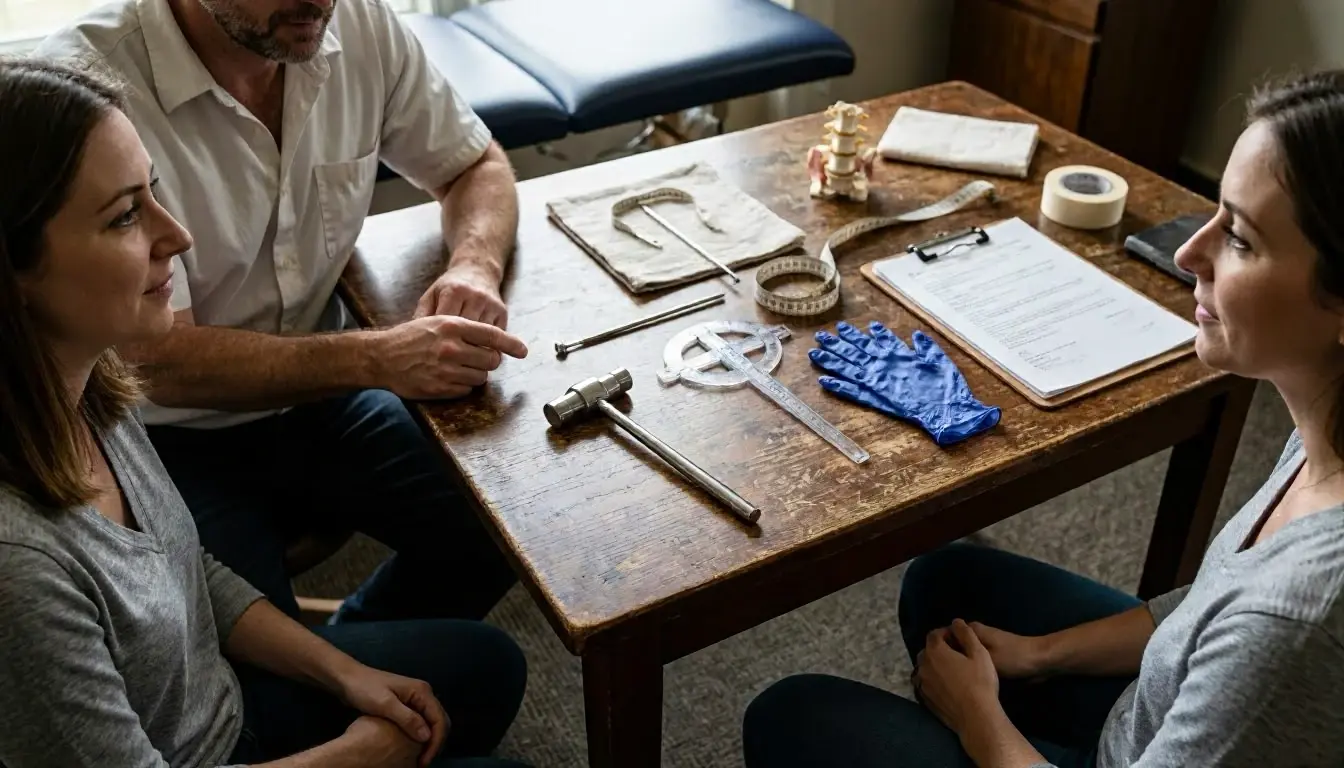
Orthopedic Examination in Chiropractor: Orthopedic Examination is a structured set of physical tests and observations used...

An orthopedic exam checks your bones and joints. It also checks muscles and nerves. This exam finds problems like sprains or arthritis.

Related glossary terms: Range of Motion, Joint Dysfunction, Muscle Strain.

It happens in an office. No machines or needles are used. The doctor asks questions and watches how you move.

They gently press on sore spots. This helps find what's wrong. People get this exam when they hurt or can't move well.

It's important before treatment starts. It shows what needs to be fixed. For example, back pain may come from different causes.

A muscle strain hurts. A herniated disc (a bulging spinal cushion) hurts too. Arthritis (joint swelling) also causes pain. Each needs its own care.

The exam helps rule out big problems. Some need surgery or quick help. It makes sure nothing serious is missed.

How Orthopedic Examination Works?

The exam has clear steps. First, the doctor asks about your pain. They want to know when it started.

They ask what makes it worse. They ask what helps. Next, they watch how you walk and stand.

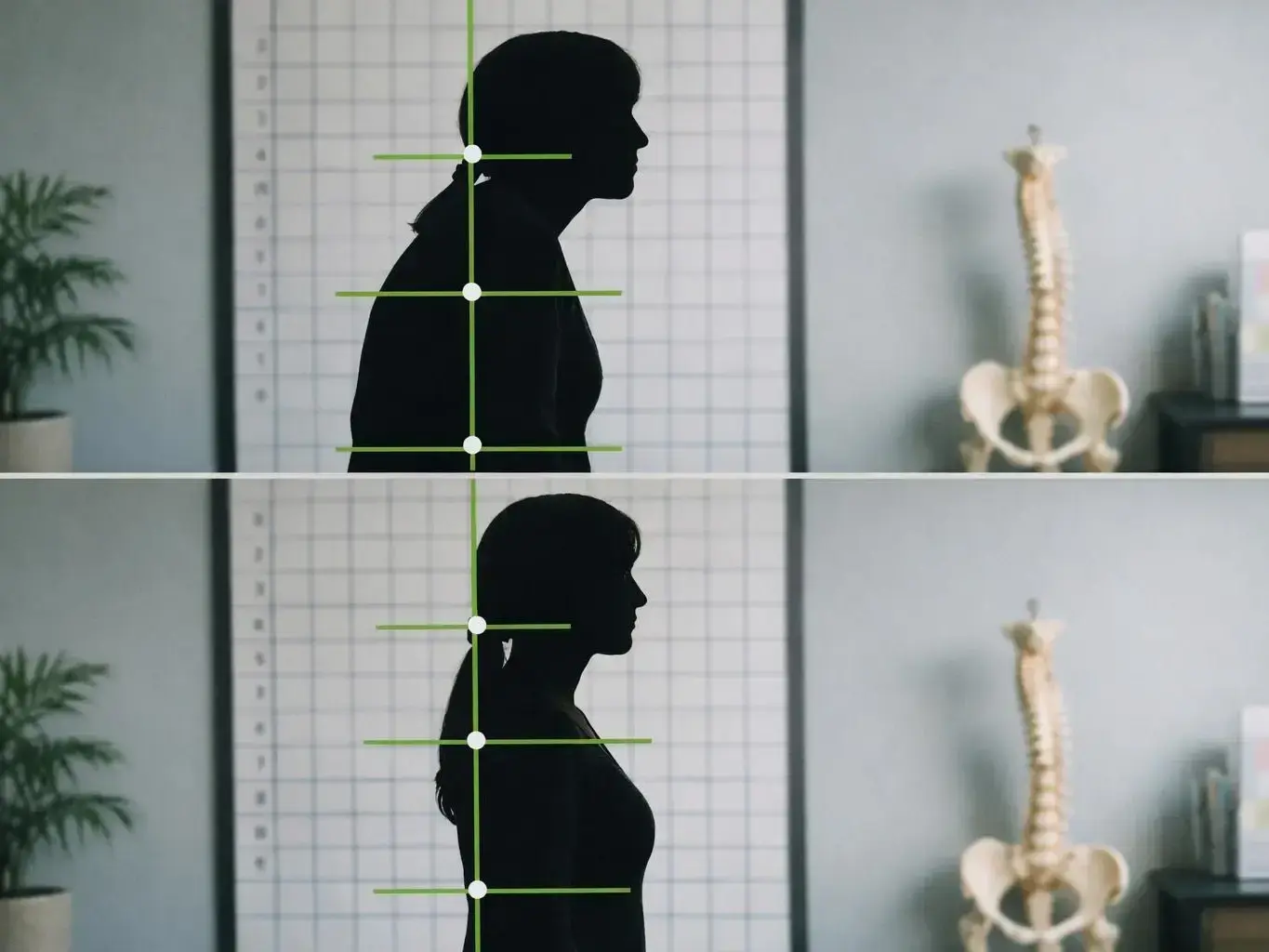
They check for swelling or bruises. They look for odd shapes. Then, they press on muscles and joints.

This finds tender spots. Finally, they test your strength. They ask you to move in certain ways.

They may ask you to push against them. This checks how far you can move. Some tests have special names.

The straight-leg raise checks back pain. The Lachman test checks knee ligaments (bands that hold bones). The Spurling test checks neck nerves.

The doctor looks for pain or weakness. They listen for clicks. They check if you can move fully.

They may test your reflexes. They check feeling in arms or legs. This shows if nerves are hurt.

The exam takes 10 to 30 minutes. It's safe for most people. No special tools are needed.

Why Orthopedic Examination Matters?
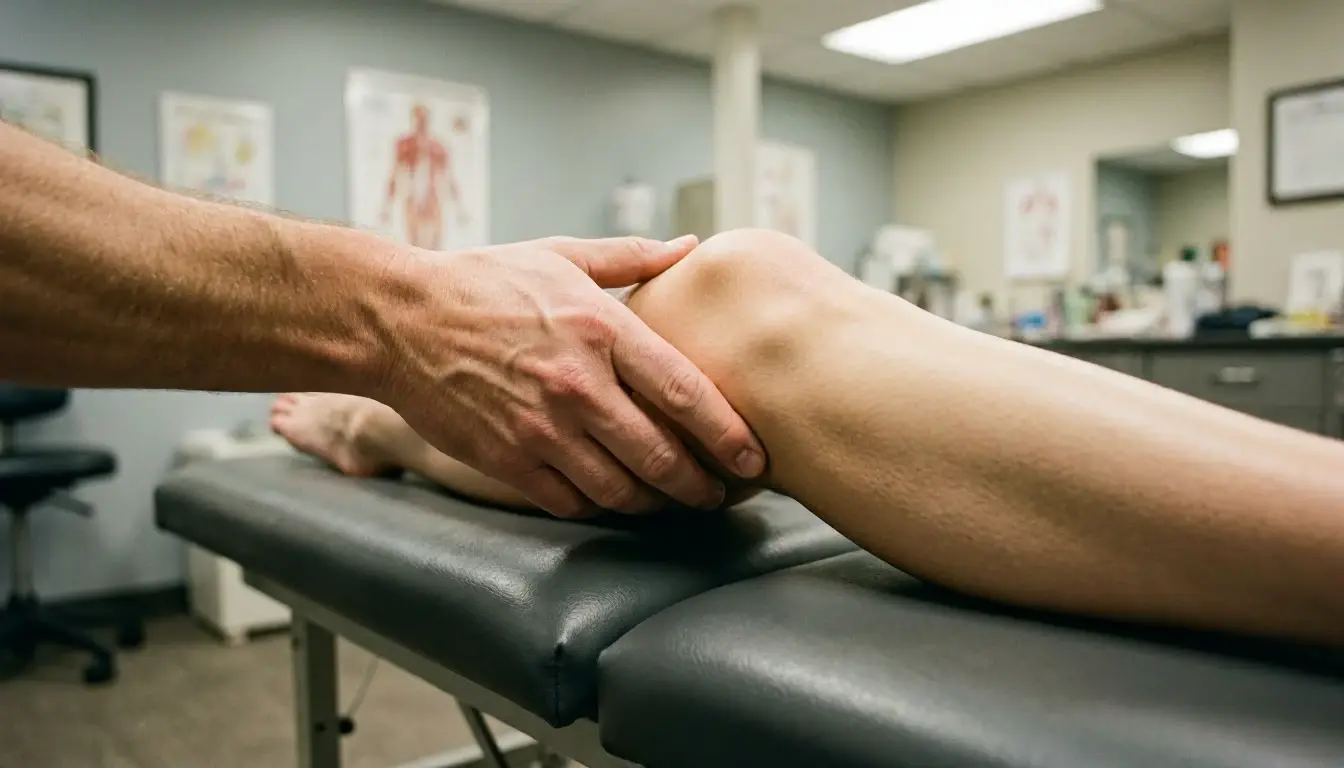
How Orthopedic Examination applies to Chiropractor services in Brentwood Estates, United States—practical illustration

Without this exam, treatment may miss the real problem. Shoulder pain can come from different causes.

It may be a rotator cuff tear (a shoulder muscle injury). It may be arthritis. It may be a pinched neck nerve.

Each needs different care. Rest may help one. Exercises may help another. The exam stops guesswork.

It saves time. It avoids treatments that don't help. It also spots serious problems early.

Fractures (broken bones) need quick care. So do infections or nerve damage. The exam finds these fast.

For people in pain, the exam gives answers. It gives a plan. It sets goals for getting better.

It shows when you can work again. It shows when you can play sports. It tracks progress over time.

If tests get better, treatment works. If not, the doctor tries something else. The exam helps all through recovery.

When Orthopedic Examination Matters Most?

This exam helps after injuries or accidents. It checks for serious problems. A car crash may hurt your back.

It may cause a herniated disc. It may cause fractures. It may cause nerve damage. The exam finds these.

Without it, serious problems may be missed. These can cause long-term disability. The exam is also key for ongoing pain.

Rest or medicine may not help. The exam finds hidden causes. These may be arthritis or tendonitis (tendon swelling).

They may be nerve compression (pinched nerves). Athletes often need this exam. So do people who lift heavy things.

People who sit at desks a lot need it too. Repeated movements cause wear and tear. The exam catches problems early.

This stops them from becoming chronic (long-lasting). The exam helps before starting new exercises.

This is true for older adults. It's true for people with old injuries. It shows which moves to avoid.

It shows how to change moves. This prevents new injuries. The exam keeps you safe and healthy.
How to Evaluate Orthopedic Examination?

Related Concepts Compared

Orthopedic Examination vs. Neurological Examination

A neurological exam checks nerves, brain. And spinal cord function, focusing on reflexes, balance. And sensation. An orthopedic exam checks bones, joints. And muscles for injuries or wear.

Orthopedic Examination vs. Imaging Tests (X-ray, MRI)

Imaging tests show pictures of bones and soft tissues inside the body. An orthopedic exam uses hands and simple tools to check how the body moves and feels from the outside.

Expert Note

A thorough orthopedic exam should always include both active and passive range-of-motion tests. Active tests show what the patient can do on their own. While passive tests reveal joint or muscle limits when assisted. This difference often points to whether the problem is muscle weakness or joint restriction.

Common Mistakes or Myths About Orthopedic Examination

  • Thinking the exam will be painful—it is usually gentle unless moving a hurt area.
  • Assuming it will diagnose everything—some problems need imaging tests too.
  • Skipping the exam because of mild pain—early checks can prevent worse problems.
  • Not telling the provider about all symptoms—even small details can help.
  • Expecting instant answers—sometimes the exam leads to more tests.

Orthopedic Examination in Practice: A Real-World Example

After a car accident, Sarah had neck pain and headaches. Her chiropractor did an orthopedic exam, checking her neck movement, shoulder strength. And nerve responses. The exam showed a pinched nerve in her neck, not just muscle strain. This helped guide her treatment plan, which included gentle adjustments and exercises to relieve pressure on the nerve.

Sources & Further Reading on Orthopedic Examination

Related Services

Related Terms

Range of Motion

Range of Motion is the full movement potential of a joint or muscle group, measured from its farthest extension to its farthest flexion. It describes how far a body part can move in different directions, such as bending, straightening. Or rotating. Proper range of motion supports daily activities, athletic performance. And injury prevention. While limited range often signals stiffness, injury.

Joint Dysfunction

Joint Dysfunction is a condition where a joint in the body moves improperly or has restricted motion, often causing pain, stiffness. Or reduced flexibility. It can result from injury, overuse, poor posture. Or underlying conditions like arthritis. Joint Dysfunction commonly affects areas such as the spine, shoulders, hips. And knees, leading to discomfort during daily activities or movement.

Muscle Strain

Muscle Strain is an injury to a muscle or tendon caused by overstretching, tearing. Or excessive force. It typically results in pain, swelling. And limited movement, often occurring during physical activities, sports. Or sudden movements. Muscle strains range from mild to severe, affecting daily function and requiring rest or treatment to heal properly.

Disc Herniation

Disc Herniation is a spinal condition where the soft inner gel of a spinal disc leaks through a tear in the tough outer layer, often pressing on nearby nerves. This can cause pain, numbness. Or weakness in the back, arms. Or legs. Disc herniations commonly occur in the lower back or neck and result from aging, injury. Or repetitive strain.

Spinal Stenosis

Spinal Stenosis is a narrowing of the spaces within the spine, which can put pressure on the nerves that travel through it. This condition most commonly occurs in the lower back (lumbar spine) and neck (cervical spine) and often develops as people age due to wear-and-tear changes in the spine. Symptoms may include pain, numbness, muscle weakness.

ChiropractorBrentwoodEstates.com

Have Questions About Orthopedic Examination?

Contact ChiropractorBrentwoodEstates.com for practical guidance on Orthopedic Examination and related chiropractor work in Brentwood Estates.

+1 615-777-0624