Understanding Muscle Strain
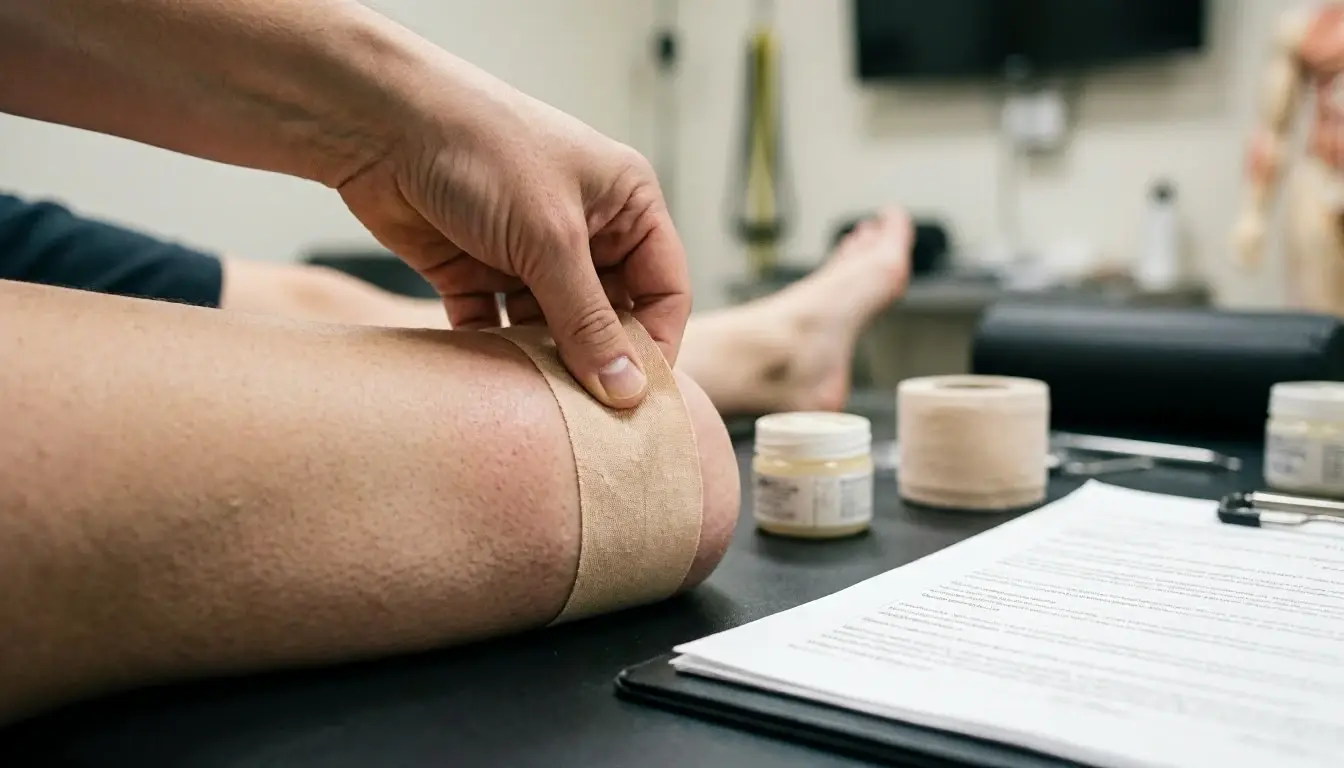
Muscle strain occurs when a muscle or its connecting tendon is stretched beyond its normal limit or torn. Tendons are thick, fibrous cords that attach muscles to bones. When excessive force or sudden movement pulls too hard on a muscle, tiny fibers within the muscle or tendon can tear, leading to pain and inflammation. This injury is common in everyday activities, such as lifting heavy objects, playing sports. Or even slipping and falling. The severity of a muscle strain can vary, from mild discomfort to a complete tear that requires medical attention.
Muscle strains are often confused with ligament sprains. But they affect different parts of the body. Ligaments connect bones to other bones and stabilize joints. While tendons connect muscles to bones. Strains happen in muscles or tendons. While sprains occur in ligaments. Both injuries share similar symptoms, such as pain, swelling. And bruising. But they require different approaches to treatment and recovery. Understanding the difference helps in applying the right care and avoiding further damage.
How Muscle Strain Works?
A muscle strain typically begins with a sudden or forceful movement that stretches the muscle fibers beyond their capacity. For example, lifting a heavy box with improper form, sprinting without warming up. Or twisting awkwardly can all lead to a strain. When the muscle is overloaded, microscopic tears occur in the fibers or tendon, triggering inflammation and pain. The body responds by sending extra blood to the area, causing swelling and sometimes bruising as blood vessels break under the strain.
The severity of a muscle strain is classified into three grades. Grade 1 is a mild strain, where only a few muscle fibers are damaged, causing minor pain and tenderness but little to no loss of strength. Grade 2 involves a partial tear, leading to noticeable pain, swelling. And some loss of function. Grade 3 is a complete tear, where the muscle or tendon is fully ruptured, resulting in severe pain, significant swelling. And the inability to use the affected muscle. Most muscle strains fall into Grade 1 or 2 and heal with rest and self-care. But Grade 3 strains often require professional treatment.
- Grade 1: Mild strain, minor pain, little to no strength loss.
- Grade 2: Partial tear, noticeable pain, some loss of function.
- Grade 3: Complete tear, severe pain, inability to use the muscle.
Why Muscle Strain Matters?

Muscle strains are more than just a temporary inconvenience—they can disrupt daily activities, work. And physical routines. For athletes or active individuals, a muscle strain can sideline training or competition, sometimes for weeks. Even mild strains can limit mobility, making simple tasks like walking, reaching. Or bending difficult. Ignoring a muscle strain or returning to activity too soon can worsen the injury, leading to chronic pain or long-term weakness in the affected muscle.
Beyond physical discomfort, muscle strains can also impact mental well-being. Persistent pain or limited movement can cause frustration, especially for those who rely on physical activity for stress relief or work. Proper care, including rest, ice. And gradual rehabilitation, helps ensure a full recovery and reduces the risk of re-injury. For severe strains, professional treatment, such as chiropractic care or physical therapy, can accelerate healing and restore function safely.
When Muscle Strain Matters Most?
Muscle strains are most likely to occur during activities that involve sudden movements, heavy lifting. Or repetitive motions. Athletes, manual laborers. And individuals who engage in high-intensity workouts are at higher risk. But strains can also happen during everyday tasks, such as gardening, cleaning. Or even sitting for long periods with poor posture. Recognizing the early signs of a strain—such as sharp pain, stiffness. Or weakness—can help prevent further damage and speed up recovery.
Certain situations increase the likelihood of a muscle strain, including:
- Not warming up before exercise or physical activity.
- Using improper technique when lifting heavy objects.
- Overusing a muscle without adequate rest.
- Having weak or inflexible muscles due to lack of conditioning.
- Experiencing fatigue, which reduces muscle coordination and control.
For individuals in Brentwood Estates, TN, muscle strains can be particularly relevant due to the active lifestyle many residents enjoy, whether through sports, outdoor activities. Or physical work. Local chiropractors often treat muscle strains caused by car accidents, work injuries. Or sports-related incidents, helping patients recover and return to their routines safely.