Skip to content

Postural Correction in Green Hill, Tennessee

Shoulder mobility is checked during postural correction in Green Hill. We connect that finding with your movement goals and daily needs.

Upfront, Transparent PricingServing 18 CommunitiesMon-Fri: 9 am–7 pm, Sat: 9 am–2 pm, Sun: ClosedFast Scheduling

Quick Summary: Posture and Movement Care in Green Hill, Tennessee

Postural correction in Green Hill is provided by Advanced Injury Care Clinic for posture, movement, and mobility concerns. Care includes an evaluation, corrective exercises, spinal adjustments when appropriate, and rehabilitation guidance across Brentwood, Williamson County, and the greater Nashville area.

  • What we do: Advanced Injury Care Clinic provides postural correction for movement patterns, joint mobility, and related discomfort in Green Hill, Tennessee.
  • What is included: Health history review, movement assessment, spinal adjustments, soft-tissue therapy, corrective exercises, and rehabilitation guidance.
  • What you get: Postural correction gives you a clearer care plan for improving movement and supporting everyday function.

Why does poor posture keep bringing back shoulder and neck discomfort?

Repeated discomfort may reflect limited joint motion, muscle tension, or movement habits that need assessment. A postural correction visit checks these factors and matches exercises to your findings.

Postural Correction in Green Hill for Shoulder and Core Movement

Postural correction focuses on how your spine, shoulders, hips, and neck work together during normal movement. The service fits people who notice slouching, stiffness, uneven shoulder motion, recurring neck tension, or back discomfort.

This page is for a buyer who wants exercise guidance tied to an assessment. Our team may discuss shoulder mobility, core strengthening, back extensions, and neck exercises, then explain which movements suit your needs.

The goal isn't to force a fixed posture. We look for movement choices that support better control and comfort. If pain follows an accident or suggests a serious medical problem, injury care or medical evaluation may take priority.

  • Bring a clear description of the movement or posture concern.
  • Share past injuries, current symptoms, and activities that increase discomfort.
  • Ask how each recommended exercise supports your stated goal.
  • Discuss follow-up checks before beginning a regular maintenance plan.
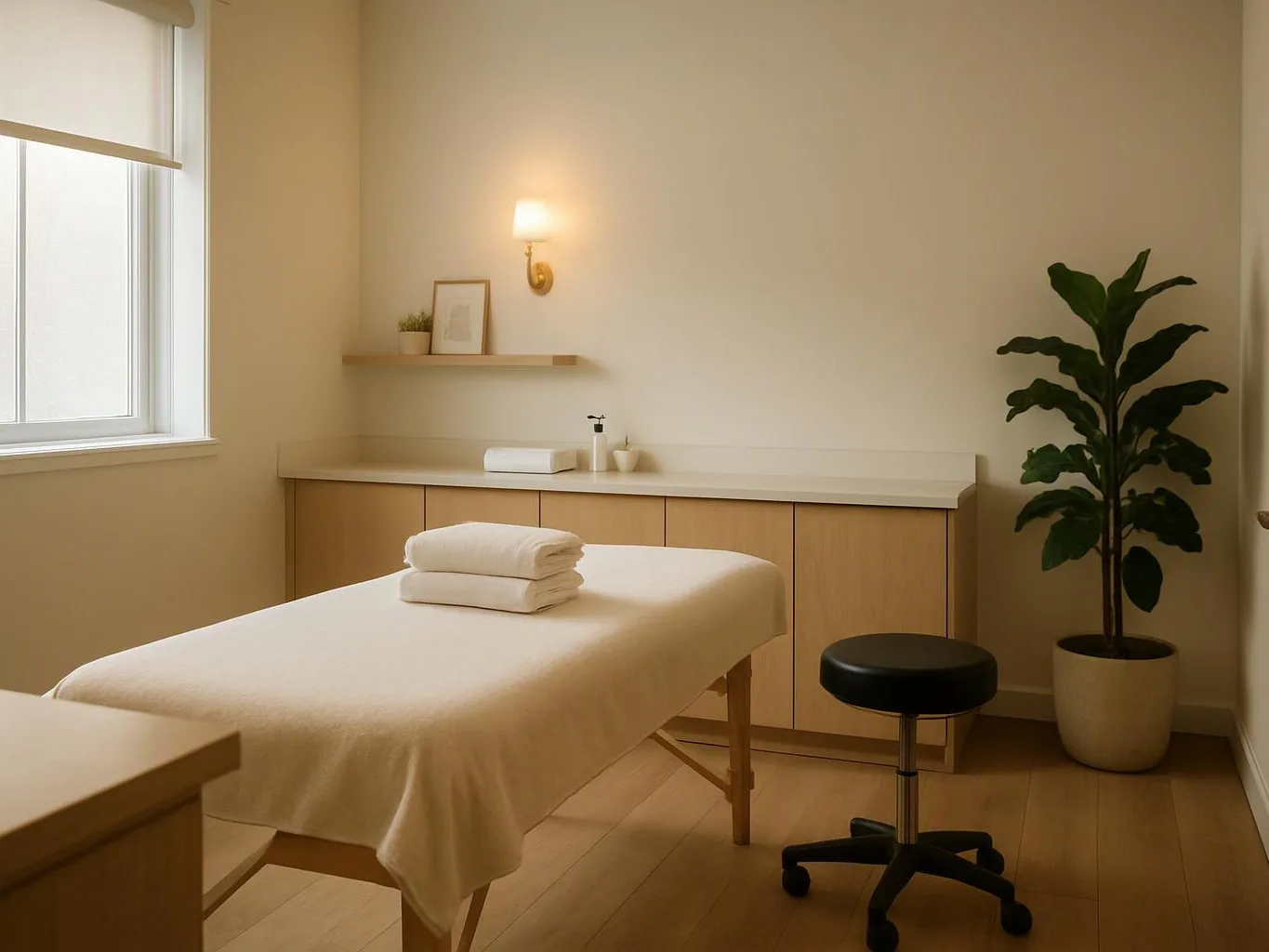
A calm massage room shows a treatment table, folded towels, a stool, and a potted plant by a window

Service Overview

Postural correction is a movement-focused care approach that checks alignment, joint motion, muscle balance, and daily movement habits.

  • It differs from general wellness care because the assessment focuses on a stated posture or movement concern and its effect on function.
  • Advanced Injury Care Clinic provides this care for people in Green Hill and surrounding Williamson County communities.

How Better Movement Supports Daily Function

A focused assessment helps connect posture concerns with the movements that bring them.

Exercise guidance gives you a safer way to build control and support recovery.

Soft-tissue therapy may help reduce tension that limits normal joint motion.

A personalized care plan keeps treatment connected to your goals and daily function.

What You Get From a Focused Posture Assessment

A movement-based starting point

The first assessment looks at how your spine, shoulders, hips, and neck move together. That gives our team a basis for choosing exercises and hands-on care.

Exercise guidance with context

Core strengthening, back extensions, and neck exercises aren't assigned as a generic list. We discuss form, comfort, and how each movement relates to your findings.

A clear limit on treatment fit

Postural correction is the wrong starting point for symptoms that need urgent medical care or a separate injury evaluation. We address that concern before building an exercise plan.

A client scenario this service addresses

A person in Green Hill who works at a desk may notice rounded shoulders and neck tension during daily tasks. We assess joint motion and muscle control, then discuss whether corrective exercises or injury-focused care fits the concern.

Process

How We Build a Posture-Focused Care Plan

1

Review your health history

The new patient intake covers symptoms, past injuries, daily activities, and the movement goal you want to address.

2

Check posture and joint motion

We observe spinal position, shoulder movement, core control, and neck motion during suitable tasks.

3

Explain the findings

The report of findings connects the assessment with your symptoms and identifies the care options that fit.

4

Choose suitable exercises

Core strengthening, back extensions, or neck exercises may be included when they match your ability and goals.

5

Review progress and maintenance

Progress re-examination helps us discuss what is changing and whether continued care or maintenance support makes sense.

What Postural Correction Includes for Your Movement Goals

Advanced Injury Care Clinic provides comprehensive Postural Correction in Green Hill. Here's what you get:

  • A new patient intake covers your health history, symptoms, and movement goals.
  • A physical assessment reviews posture, joint motion, muscle balance, and functional movement.
  • Our team explains whether shoulder mobility work fits your current care needs.
  • Corrective exercises may include core strengthening, back extensions, and neck exercises.
  • Spinal adjustments or soft-tissue therapy may be included when they fit the evaluation.
  • Rehabilitation guidance gives you practical ways to support movement between visits.

Choosing the Right Type of Movement Care

These options address different findings, so the assessment guides the choice.

Care optionMain focusWhen it may fit
Corrective exercisesMovement control and strengthWhen posture habits or muscle control need attention
Spinal adjustmentsSelected joint motionWhen the evaluation supports hands-on joint care
Soft-tissue therapyMuscle and connective tissue tensionWhen tight tissue affects comfort or movement

The Advanced Injury Care Clinic Standard

  • Patient Assessment
  • Personalized Care Plans
  • Clear Treatment Explanations
  • Progress Monitoring

Questions About Posture, Exercise, and Chiropractic Care

What exercises support postural correction?

Shoulder mobility, core strengthening, back extensions, and neck exercises may support postural correction. The right choices depend on your movement assessment and symptoms.

Our team checks form and comfort before recommending exercises. A movement that suits one person may not suit someone with an active injury, nerve symptoms, or limited joint motion.

How does a posture visit move from the first call to the last step?

A posture visit moves from consultation to health history, movement assessment, care planning, exercise guidance, and progress review.

The plan may include spinal adjustments, soft-tissue therapy, or corrective exercises when the findings support them. We explain the next step before care begins, so you can make an informed choice.

Which part of the body decides the scope of postural correction?

The assessed movement pattern decides the scope, not one body part alone.

We review the spine, shoulders, hips, core control, and neck motion. Symptoms, past injuries, and daily tasks also shape the plan. This helps us select focused exercises and hands-on care instead of assigning movements without context.

What material changes how long postural correction takes?

The exercise material changes practice demands, but your symptoms and movement findings decide the care schedule.

Bodyweight movements may suit an early stage, while a TheraBand can add controlled resistance later. We adjust the exercise choice when form, pain, or joint motion shows that a movement needs to change.

Why might posture exercises increase discomfort?

Posture exercises may increase discomfort when the movement exceeds your current control, range, or injury tolerance.

Stop an exercise that causes sharp, spreading, or unusual symptoms and discuss it with our team. We can review form, change the movement, or consider whether a separate injury evaluation is needed.

When should I choose injury care instead of posture-focused care?

Injury care should come first when symptoms follow an accident or include severe, spreading, or sudden changes.

Our team evaluates accident-related injuries, whiplash, back pain, neck pain, headaches, and sciatica. A health history and exam help determine whether postural exercises belong in the plan.

How do spinal adjustments differ from posture exercises?

Spinal adjustments use hands-on care for selected joint restrictions, while posture exercises train strength and movement control.

Both may appear in one personalized treatment plan when the assessment supports them. They serve different roles, so we explain why each method is being considered.

Contact

Discuss Postural Correction in Green Hill

Are posture concerns changing how you move each day? Contact Advanced Injury Care Clinic to discuss your goals and arrange a free consultation.

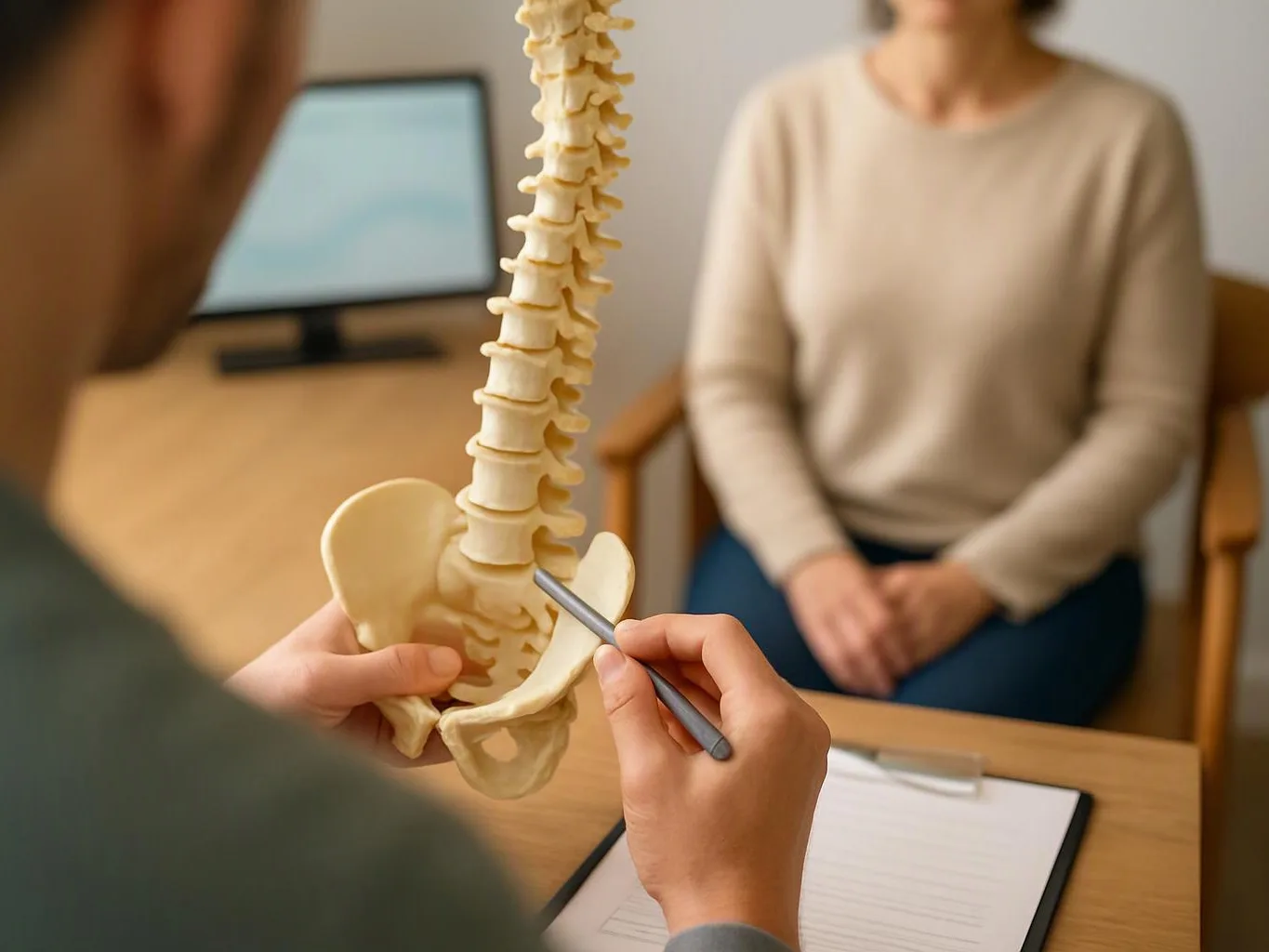
A clinician points to a spine and pelvis model while speaking with a seated woman in an exam room

The health and wellness information on this website is for general informational purposes only and is not medical advice. It does not create a provider-patient relationship. Individual results vary.

(615) 265-0412