Skip to content

Postural Correction in Kingston Springs, Tennessee

When posture assessment shows a need for replacement instead of adjustment, our Kingston Springs care plan changes with the finding. We match treatment to your movement goals.

Upfront, Transparent PricingServing 18 CommunitiesMon-Fri: 9 am–7 pm, Sat: 9 am–2 pm, Sun: ClosedFast Scheduling

Quick Summary: Posture care in Kingston Springs, Tennessee

Postural Correction in Kingston Springs is provided by Advanced Injury Care Clinic for posture concerns, injury-related pain, and limited movement across the greater Nashville area. Care begins with a thorough evaluation and may include spinal adjustments, soft-tissue therapy, corrective exercises, and rehabilitation guidance.

  • What we do: Advanced Injury Care Clinic provides postural correction for clients in Kingston Springs, Tennessee through evaluation, treatment planning, and movement-focused care.
  • What is included: posture assessment, spinal adjustments, soft-tissue therapy, corrective exercises, progress tracking, and rehabilitation guidance.
  • What you get: Postural correction gives clients a clearer care plan for improving movement and daily function.

How long does postural correction take to show results?

Postural correction results do not follow one fixed schedule because progress depends on the cause, movement limits, and daily practice. Progress tracking helps show how your posture, strength, and comfort change over time.

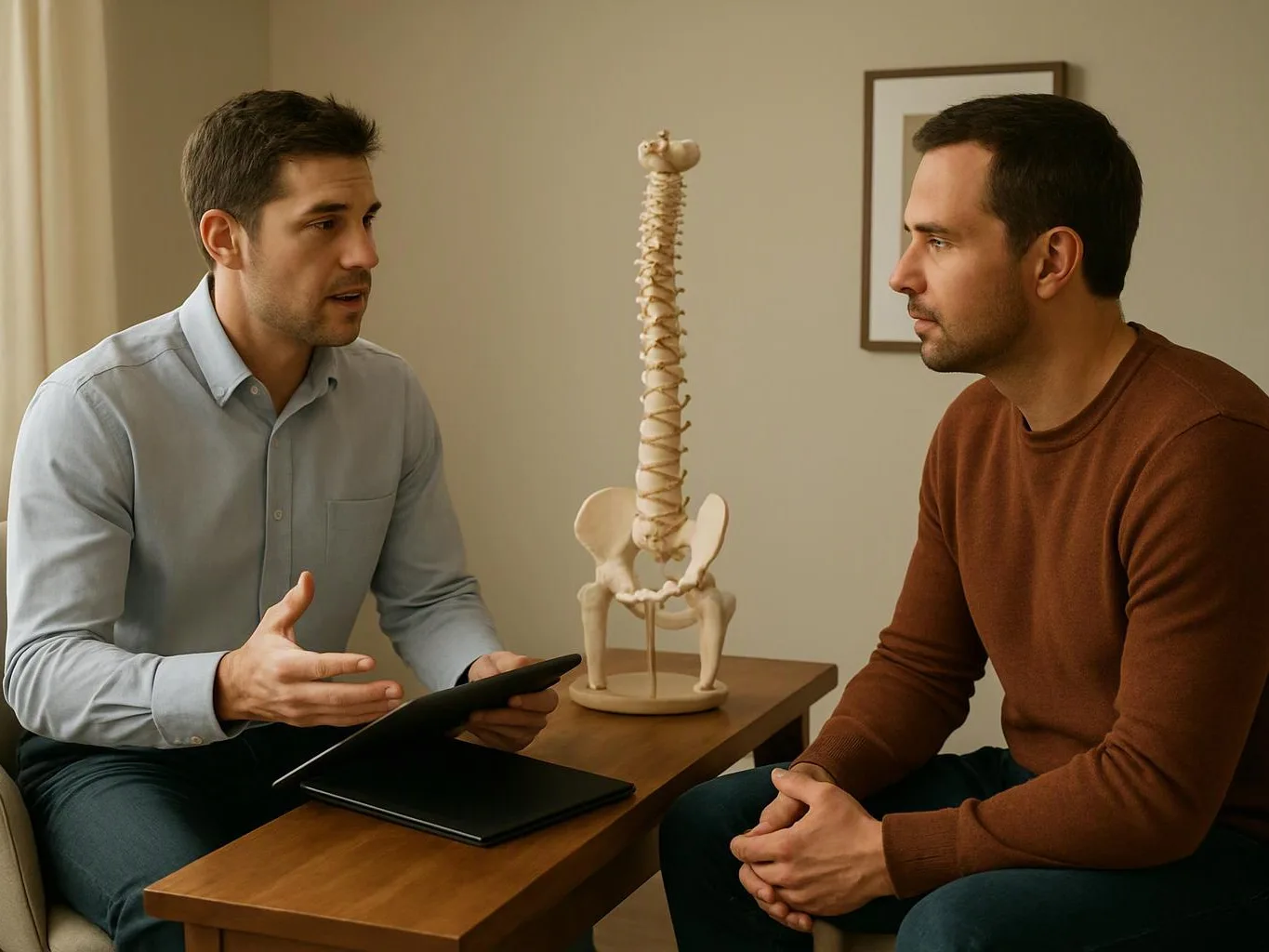
Postural correction for movement concerns in Kingston Springs

Postural correction helps clients who notice uneven movement, recurring back pain, neck pain, headaches, or strain after an injury. The work starts with a health history and exam, then links the findings to a personalized treatment plan.

The main buyer decision is whether posture is the central concern or a sign of another injury. We assess the full movement pattern and discuss options before care begins. A progress re-examination can help show whether the plan still fits your goals.

Clients can learn more about postural correction and Kingston Springs care before booking a consultation.

  • Bring a clear description of the pain, strain, or movement change you have noticed.
  • Discuss accident, workplace, sports, and daily activity factors during the health history.
  • Ask how progress will be checked during the treatment plan.
  • Share your main movement goal so care stays focused on daily function.
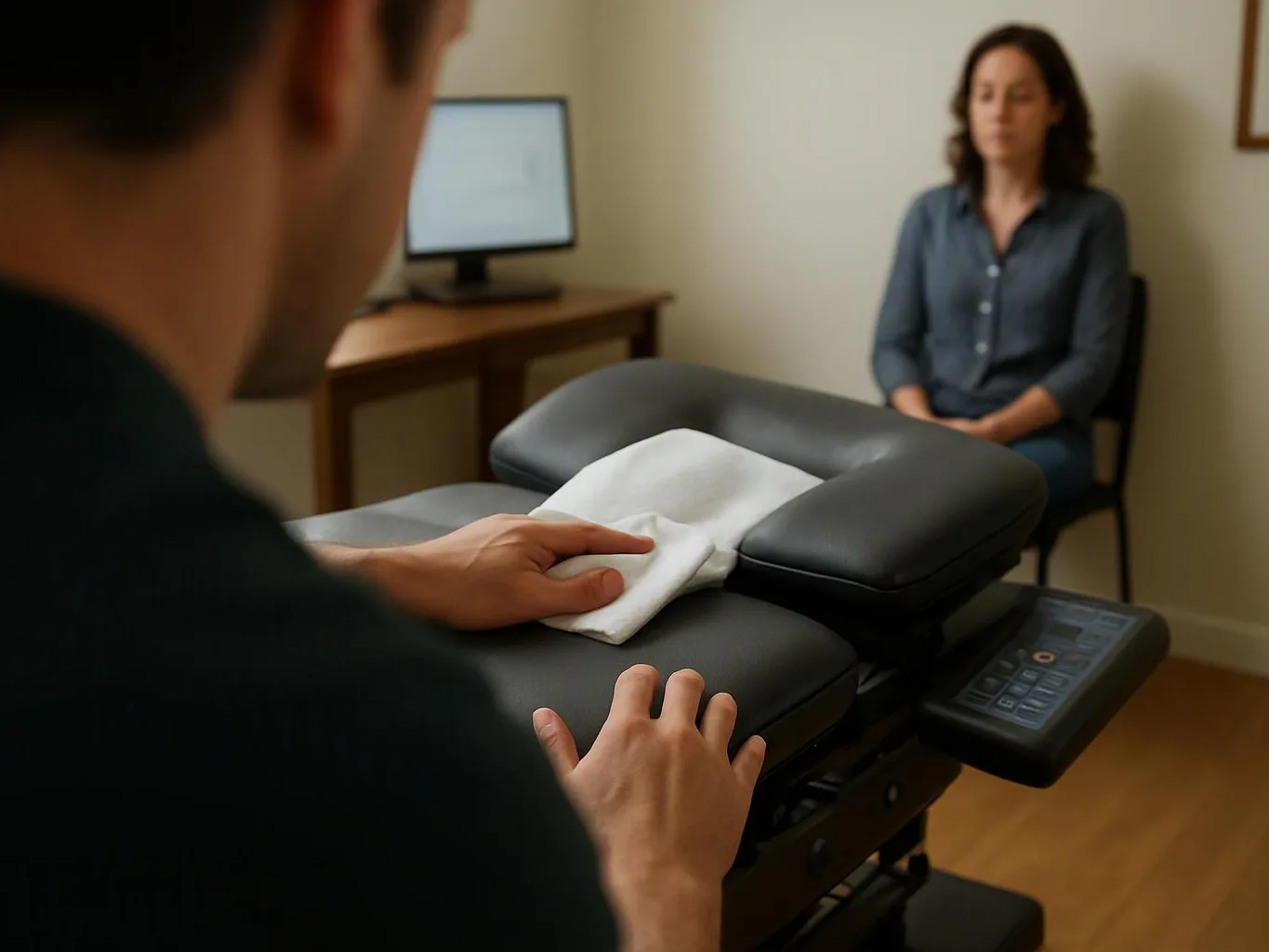
A person adjusts a padded treatment table while a seated woman waits in a small exam room

Service Overview

Postural correction is a care process that addresses movement habits, muscle balance, and joint function.

  • Postural correction focuses on movement patterns, while soft-tissue therapy targets tight or irritated muscles and connective tissue.
  • Advanced Injury Care Clinic provides postural correction for Kingston Springs and the greater Nashville area.

What postural correction can change for daily movement

A focused plan can help you understand which movement habits affect your symptoms.

Progress tracking gives you a way to discuss changes in comfort and function.

Daily practice can support muscle adaptation between visits.

Care may help you move with greater comfort during work, exercise, and routine tasks.

Clients receive guidance that connects treatment with their own health goals.

What postural correction includes for your care plan

Advanced Injury Care Clinic provides comprehensive Postural Correction in Kingston Springs. Here's what you get:

  • A health history and movement exam identify posture, joint, and muscle concerns.
  • A report of findings explains what the evaluation shows and what care may address.
  • Spinal adjustments may support joint motion when they fit the treatment plan.
  • Soft-tissue therapy may address tight or irritated muscles around affected areas.
  • Corrective exercises give you guided movements for daily practice.
  • Rehabilitation guidance supports progress between appointments.
Process

How postural correction is planned and followed

1

Complete the health history

We review injuries, symptoms, work demands, sports activity, and your main movement goal.

2

Check posture and movement

A thorough evaluation looks at joint motion, muscle balance, pain patterns, and functional limits.

3

Explain the findings

The report of findings connects the exam to care options and answers your questions before treatment.

4

Build the treatment plan

The plan may include spinal adjustments, soft-tissue therapy, corrective exercises, or rehabilitation guidance.

5

Track changes over time

Progress checks compare movement and daily function so the plan can stay focused on your goals.

The scope this service is meant to handle

A person in Kingston Springs may notice one shoulder sitting higher after an auto accident or repeated work strain. We check joint motion, muscle tension, and movement control before choosing adjustments, soft-tissue therapy, or corrective exercises.

What you get from a focused posture care plan

A clear starting assessment

Posture assessment links your symptoms with movement, muscle balance, and joint function. Clients who need care after an injury can discuss the event and their current limits before treatment begins.

Care matched to your findings

A personalized treatment plan may combine spinal adjustments, soft-tissue therapy, corrective exercises, or rehabilitation guidance. The plan changes when progress checks show a different need.

Progress you can discuss

Progress re-examination gives you a set point for reviewing movement and daily function. Postural correction is the wrong fit when another untreated condition needs medical care first, so we address that concern during evaluation.

Postural care options and their role

These options address different parts of movement care and may work together when the evaluation supports them.

Care optionMain focusHow it may fit
Spinal adjustmentsJoint movementUsed when the exam supports this method
Soft-tissue therapyMuscle tensionMay address tight or irritated tissue
Corrective exercisesMovement practiceSupports daily practice and muscle adaptation

The Advanced Injury Care Clinic Standard

  • Patient Assessment
  • Personalized Care Plans
  • Clear Treatment Explanations
  • Progress Monitoring

Questions clients ask about postural correction

What should be ready before postural correction starts?

A clear health history and list of current concerns help start postural correction safely. Bring details about accidents, work strain, sports activity, symptoms, and your main movement goal. Clients should also share prior care or health information that could affect treatment choices.

How is postural correction matched to my needs?

A movement exam matches postural correction to your symptoms, joint motion, muscle balance, and daily demands. We may recommend spinal adjustments, soft-tissue therapy, or corrective exercises based on the findings. The plan is discussed with you before care begins.

What should I ask before agreeing to postural correction?

A treatment plan should explain the findings, the proposed methods, and how progress will be checked. Ask which goals the plan addresses and when the care plan will be reviewed. Clients should also ask what daily practice supports the work between appointments.

Which injuries can affect posture and movement?

Whiplash, back pain, neck pain, sports injuries, and workplace injuries can affect posture and movement. The health history and exam help connect symptoms with joint and muscle function. We then discuss whether postural correction fits the findings or whether another type of care should come first.

Why does daily practice matter during posture care?

Daily practice gives muscles repeated chances to use the movement patterns discussed during care. Corrective exercises should match your exam and treatment plan. Clients can ask how each exercise relates to work, sport, or routine movement so the plan stays practical.

Does postural correction include spinal adjustments?

Spinal adjustments may be included when the evaluation shows they fit your goals and condition. Postural correction can also include soft-tissue therapy, corrective exercises, and rehabilitation guidance. The report of findings explains which methods belong in your plan.
Contact

Book a posture consultation in Kingston Springs

Contact Advanced Injury Care Clinic to discuss your movement concerns and goals. The first conversation leads into an evaluation, findings review, and discussion of suitable next steps.

Two women sit at a table, one showing pink tape and a cup while talking in a clinic room

ZIP Codes We Serve in Kingston Springs, Tennessee

37082

The health and wellness information on this website is for general informational purposes only and is not medical advice. It does not create a provider-patient relationship. Individual results vary.

(615) 265-0412