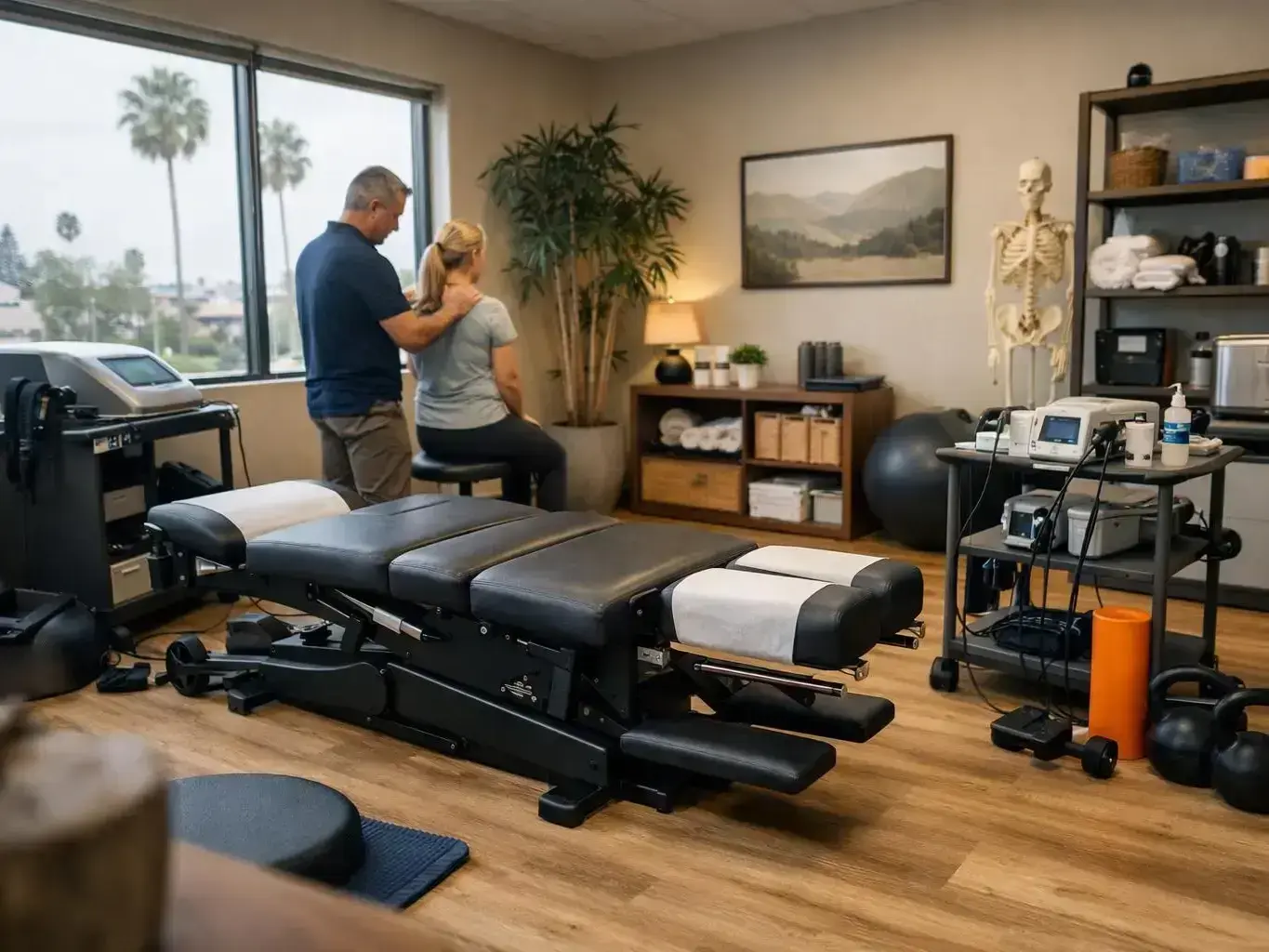
Understanding Graston Technique
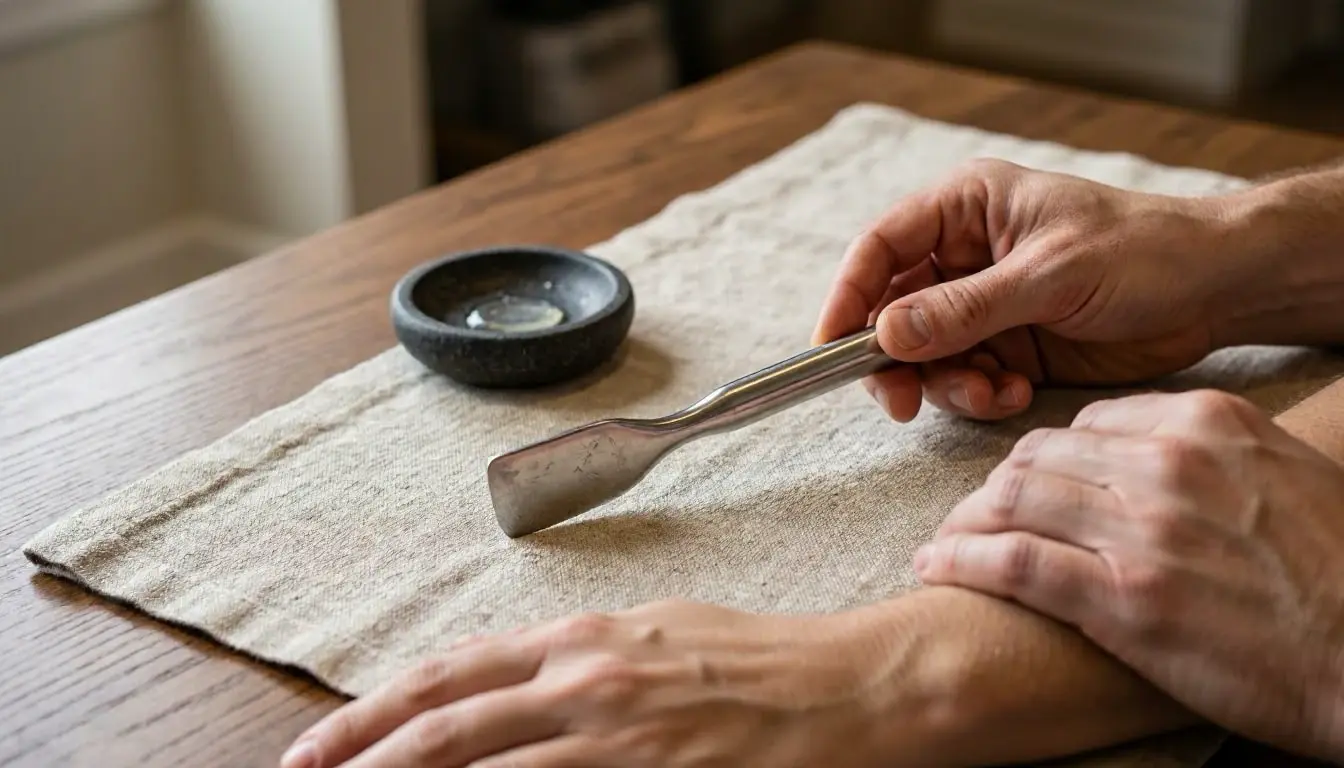
Graston Technique helps with soft tissue injuries. It uses special metal tools. These tools find and treat problem areas.
Related glossary terms: Soft Tissue Therapy, Myofascial Release, Chiropractic Adjustment.
Massage and stretching don't work like this. The tools help find scar tissue (thick, stiff tissue). They also find fascial restrictions (tight spots in muscles).
These problems can cause pain. They can make you stiff. They can limit how well you move.
Graston Technique works with other treatments. It's part of a bigger plan. That plan may include exercise and other therapies.
An athlete made this technique in the 1990s. He wanted to heal without surgery. Since then, many experts use it.
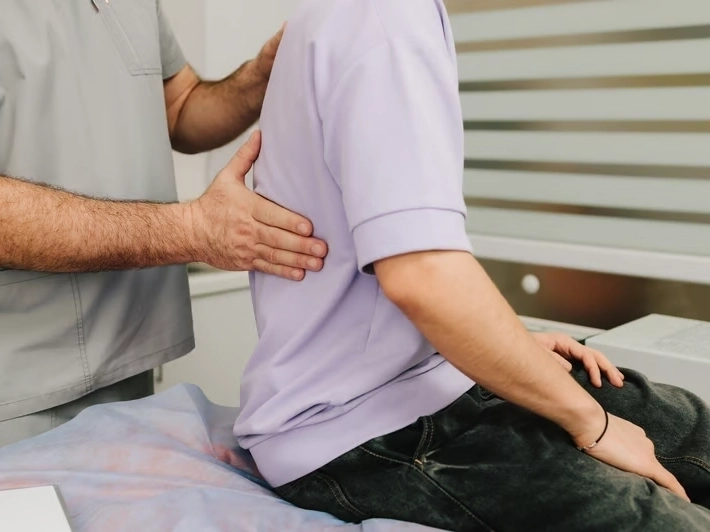
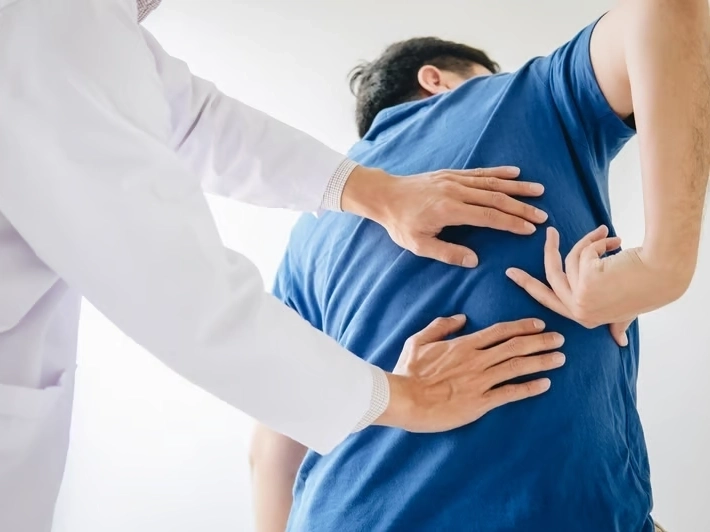
Chiropractors (back doctors) use it. Physical therapists use it too. So do sports medicine pros.
The tools come in different shapes. Each shape helps a different body part. They can treat the back, shoulders. Or legs.
The tools may look scary. But they're used gently. They won't hurt healthy tissue.
How Graston Technique Works?
Graston Technique works by causing small injuries. These injuries help heal the problem area.
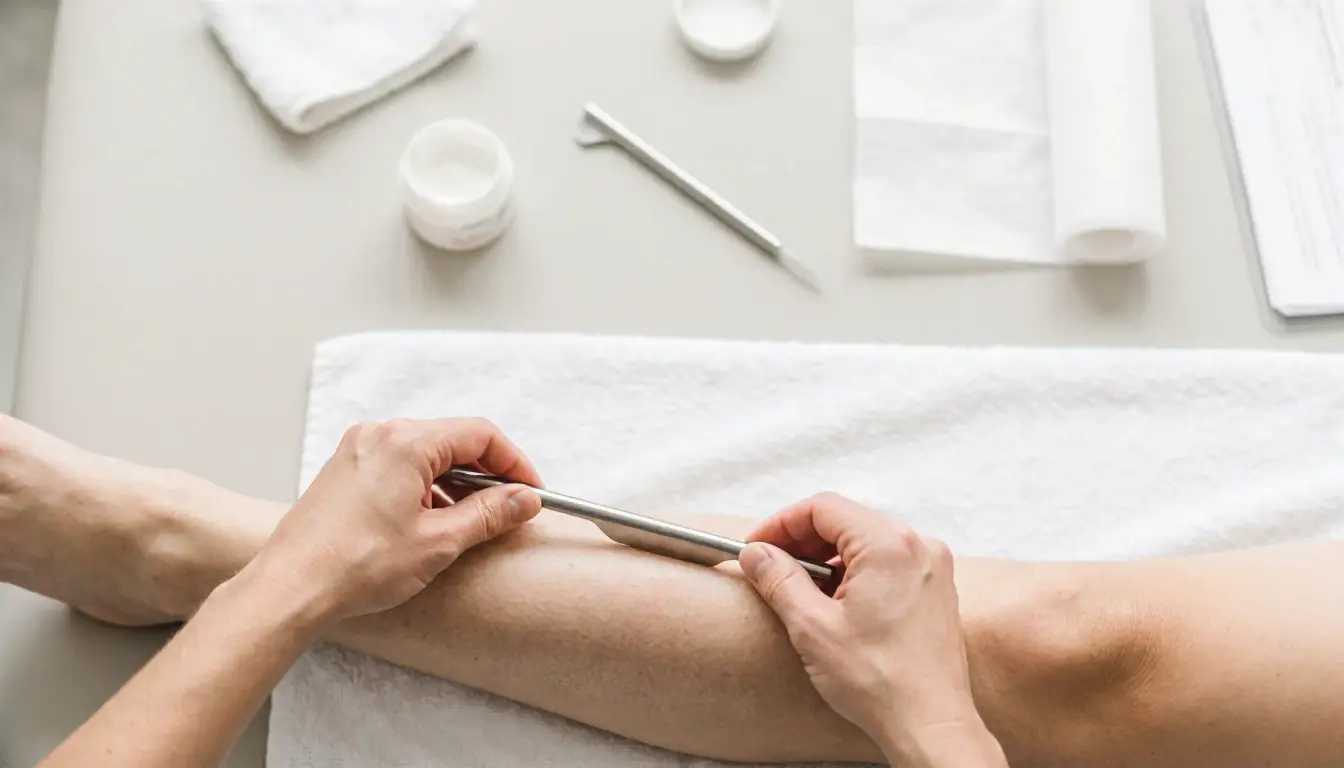
The tools glide over your skin. They create a force that breaks scar tissue. They also break fascial adhesions (tight muscle spots).
This starts a small swelling in the area. Your body then starts to heal itself. It repairs the damaged tissue.
The technique also helps blood flow. More blood means faster healing. It also means less pain over time.
First, the clinician checks how you move. They find tight spots. Then they use the tools.
They move the tools in certain ways. They follow your muscle or tendon lines. You might feel some discomfort.
This is normal if the tissue is very tight. But it won't last long. After, they may tell you to stretch or exercise.
They might also say to use ice. This helps the treatment work better.
Graston Technique isn't the same for everyone. How many sessions you need depends on your problem.
It also depends on how you respond. And on your overall health. Some feel better after one session.
Others need weeks of treatment. The technique often works with other therapies. These may be chiropractic care or physical therapy.
This helps you get the best results.
Why Graston Technique Matters?
Graston Technique matters because it helps without surgery. It also helps without drugs.
Many try it when rest or medicine don't work. It breaks scar tissue. It helps tissue move better.
This can reduce pain. It can help you move better too. You won't need invasive procedures.
This is good for athletes. It helps workers with strain injuries. It's good for people healing from surgery.
Another benefit is faster healing. The technique helps your body heal itself. This can speed up recovery.
This is key for athletes. It's important for active people too. They can return to activities sooner.
Graston Technique can also prevent new injuries. It fixes tissue problems that cause pain. This helps avoid future issues.
When Graston Technique Matters Most?
Graston Technique helps when rest or ice don't work. It's good for many soft tissue injuries.
Common problems treated include muscle strains. It helps with tendonitis (swollen tendons). Examples are tennis elbow or Achilles tendonitis.
It also helps plantar fasciitis (foot pain). It works on scars after surgery. It can help chronic pain too.
This includes lower back pain. It helps shoulder problems too. It treats tight tissue in these areas.
Graston Technique is good for avoiding surgery. It helps people who don't want pain medicine. It can help when recovery stalls.
But it's not for everyone. People with open wounds should avoid it. So should those with infections or skin problems.
People with bleeding disorders should be careful. So should those on blood thinners. They should talk to their doctor first.
For people in Brentwood Estates, TN, this is a good option. It helps with sports, work. Or daily injuries.
Many local chiropractors know this method. So do physical therapists. It's easy to find for pain relief.
It can also help you move better.