Understanding Myofascial Release
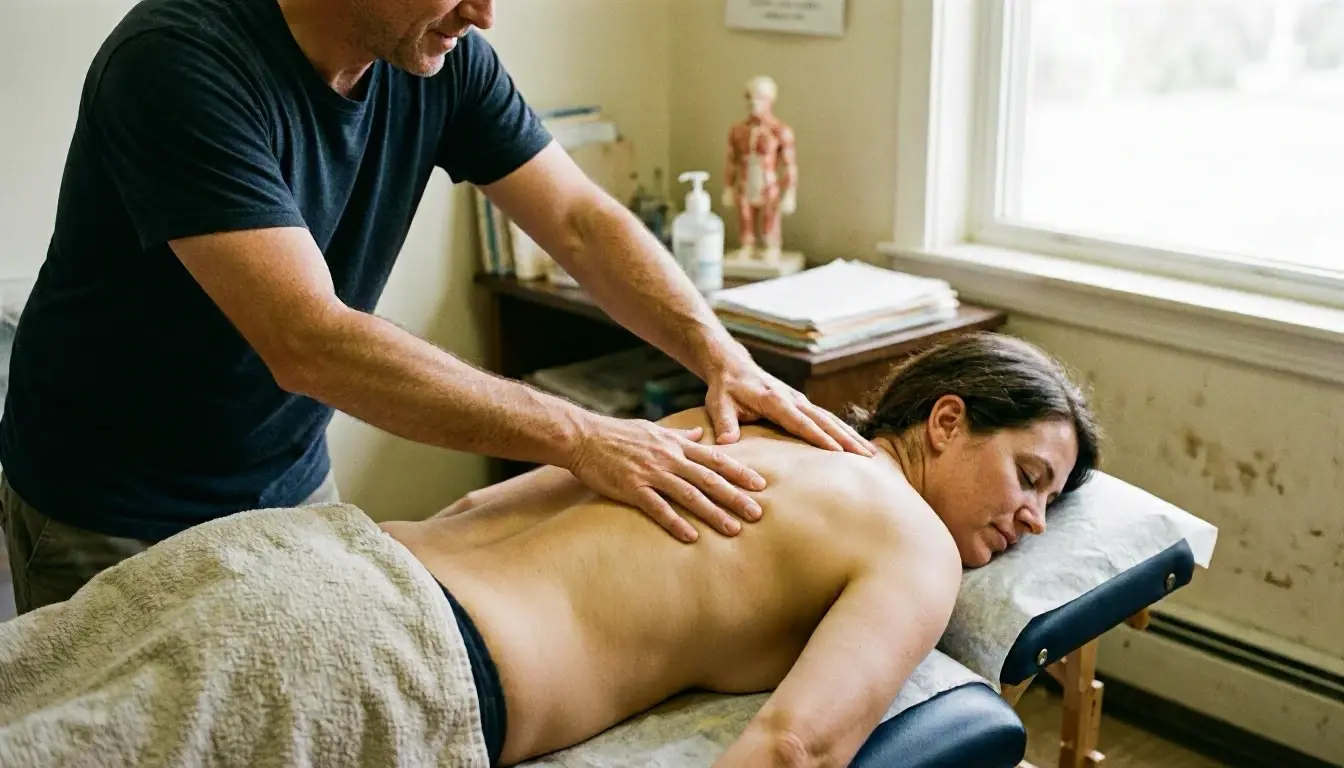
Myofascial Release works on fascia. Fascia is a thin layer. It wraps around muscles, bones. And organs.
Fascia gives support. It helps you move. It also protects your body.
Sometimes fascia gets tight. This can happen from injury or stress. It can also happen from bad posture.
Tight fascia causes pain. It can limit how you move. Muscles relax fast. But fascia holds tension longer.
This therapy is gentle. The therapist presses lightly. They hold the pressure for minutes.
The goal is to soften fascia. It should lengthen on its own. They don’t force a quick stretch.
People often feel warmth. They may feel a mild pull. It should never hurt sharply.
This therapy works with others. It helps chiropractic care. It also helps physical therapy and exercise.
How Myofascial Release Works?
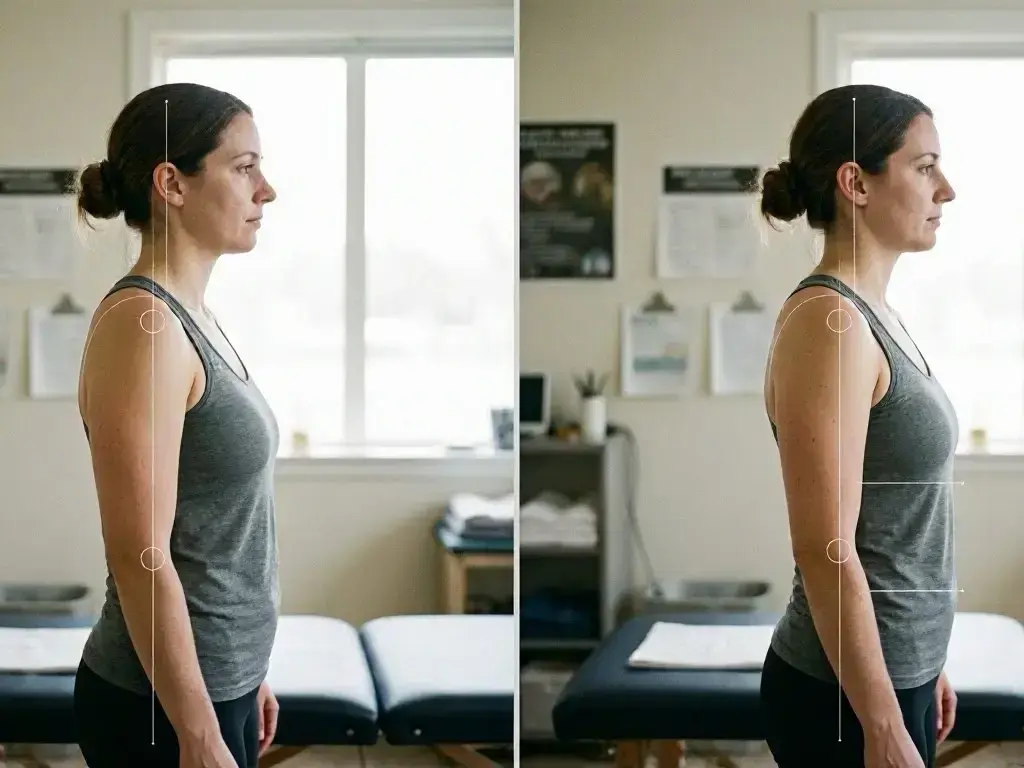
The therapist checks you first. They look at how you stand and move. They find tight or sore spots.
Fascia can feel stiff. It may feel tender or knotted. The therapist feels for these spots.
They press slowly on tight areas. They hold for 90 seconds or more. This helps fascia release.
You can do this on many body parts. It works on backs, necks. And shoulders. It also works on hips and arms.
It helps with many problems. It works for sports injuries. It also helps with long-term pain like fibromyalgia.
Deep tissue massage works on muscles. Myofascial Release works on fascia. Fascia connects your whole body.
Tight hips can cause back pain. Releasing hip fascia can help. This is one example.
Why Myofascial Release Matters?

This therapy helps without surgery. It also helps without medicine. It can ease pain and stiffness.
Chronic pain needs more than quick fixes. This therapy works on the real cause. That cause is tight fascia.
Better fascia helps you move easier. It improves posture. It can stop future injuries too.
It helps people healing from injuries. It also helps after surgery. It can help if you sit too much.
Fascia gets stiff when you don’t move. It loses stretch. This therapy helps it work right again.
It makes daily tasks easier. It helps you get back to work or sports. It works well with other treatments too.
When Myofascial Release Matters Most?
This therapy helps when pain won’t go away. It helps when stiffness stays. It works when rest doesn’t help.
It helps after car accidents. It helps with sports injuries. It helps after surgery too.
Scar tissue can form. Fascia can get tight. This therapy helps with that.
It works for back and neck pain. It helps with repetitive strain. Tight fascia causes these problems.
Bad posture can tighten fascia. Desk jobs can too. So can hard physical work.
Timing is important. It works best early. It helps before tightness becomes long-term.
An ankle sprain heals faster with it. It helps with less stiffness. It works in treatment plans.
Athletes can use it too. It keeps fascia healthy. It lowers injury risk.
It’s usually safe. But some people shouldn’t use it. Those with open wounds or broken bones can’t.
People with weak bones should avoid it. Always check with a pro first.