Understanding Active Release Technique

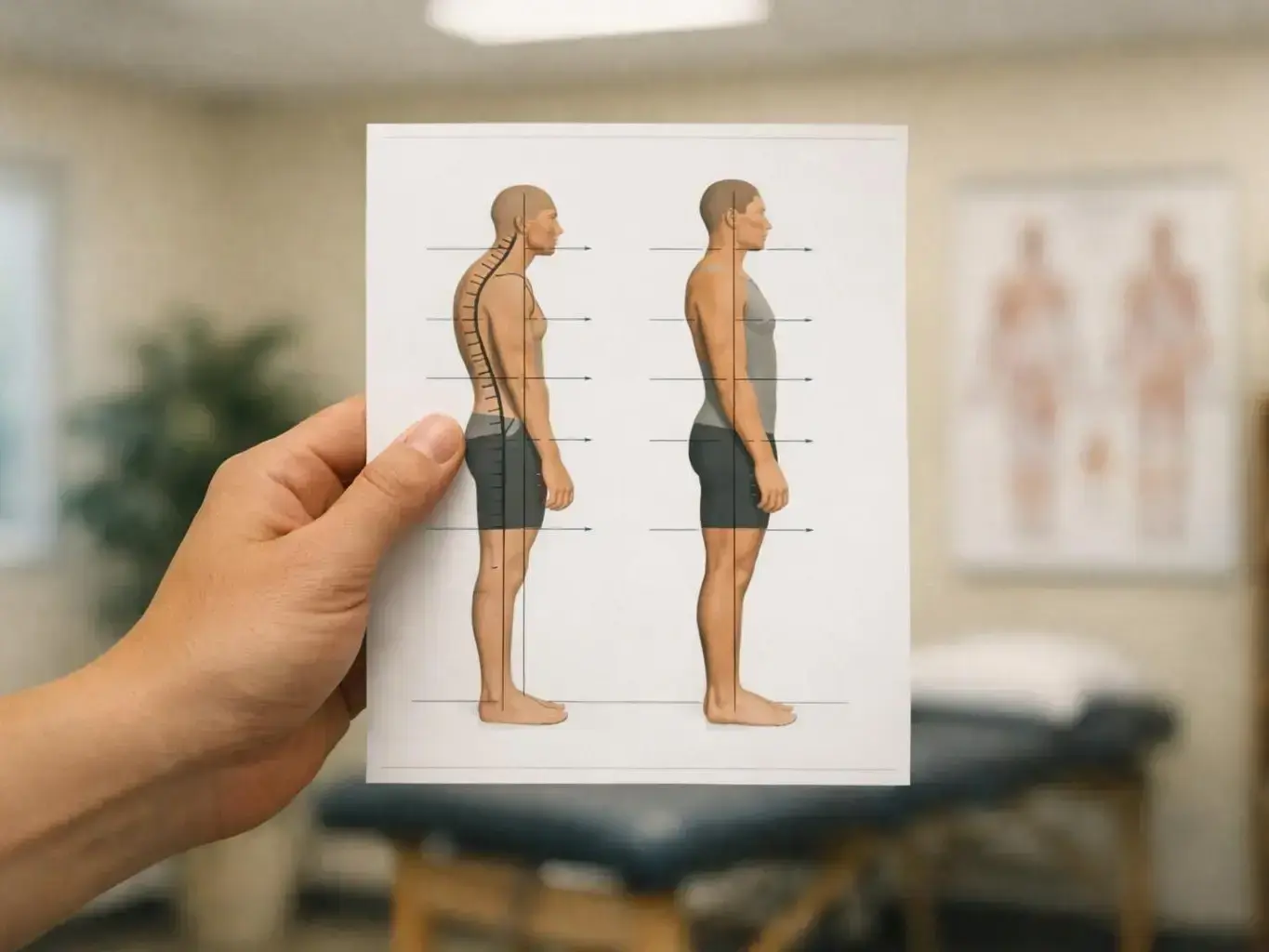
Active Release Technique, often called ART, is a specialized treatment used by chiropractors, physical therapists. And sports medicine providers to address soft tissue injuries. Soft tissues include muscles, tendons, ligaments, fascia. And nerves. When these tissues are damaged from overuse, injury. Or poor posture, they can develop scar tissue or adhesions. These adhesions act like tiny knots, restricting movement and causing pain, weakness. Or numbness.
Related glossary terms: Myofascial Release, Soft Tissue Therapy, Chiropractic Adjustment.
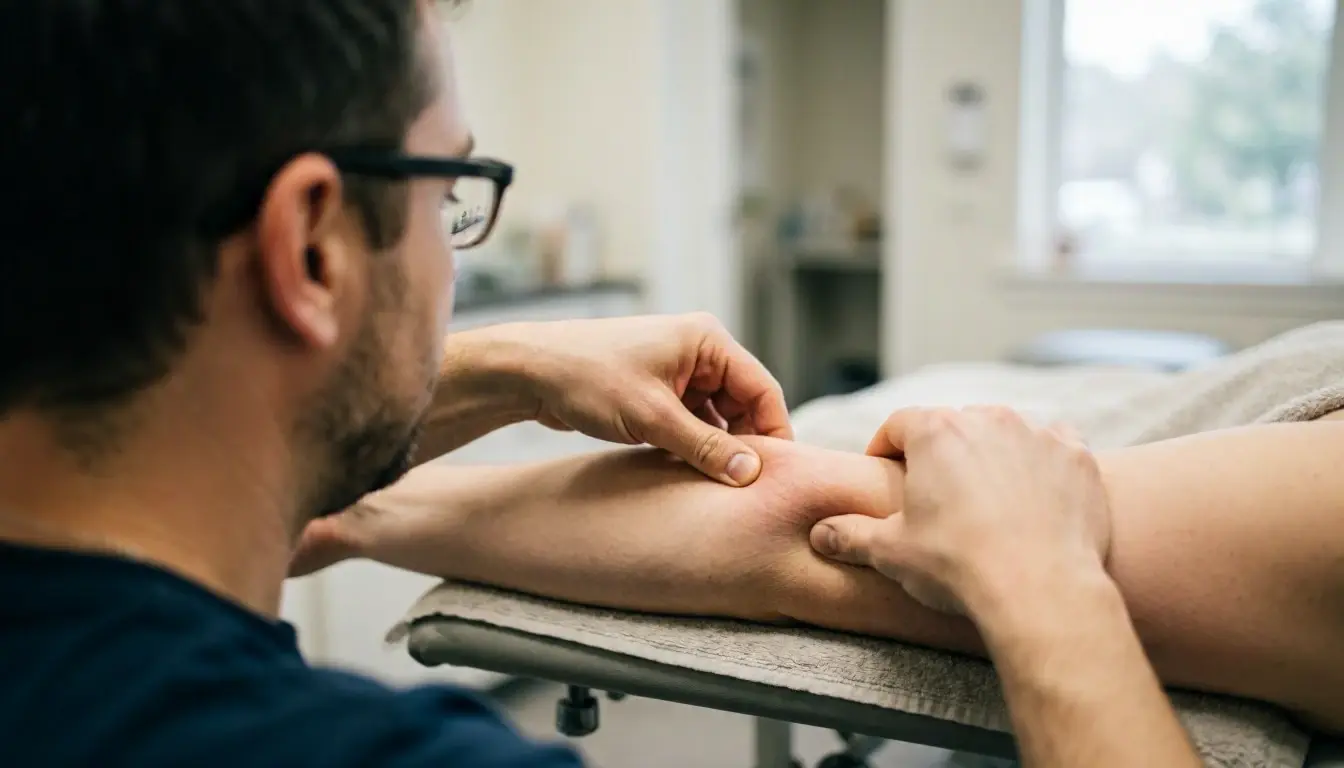
Unlike traditional massage, which focuses on relaxation, ART is designed to locate and treat specific problem areas. The provider uses their hands to apply targeted pressure while the patient moves the affected body part through a range of motion. This combination helps break up adhesions, allowing the tissues to move smoothly again. ART is commonly used for conditions like carpal tunnel syndrome, plantar fasciitis, shoulder impingement. And chronic back pain.
How Active Release Technique Works?
ART treatment begins with a thorough assessment. The provider examines the patient’s movement patterns, strength. And areas of tenderness to identify the exact location of adhesions. Once the problem areas are pinpointed, the provider applies precise pressure with their fingers or thumb directly over the affected tissue. While maintaining this pressure, the patient is asked to move the body part in a specific direction, such as bending, straightening. Or rotating.
The movement helps stretch and separate the adhered fibers, restoring normal function. For example, if a patient has tight hamstrings, the provider might press on a tender spot while the patient slowly bends and straightens their knee. This process is repeated several times during a session, often focusing on multiple areas. Most patients feel immediate relief. Though some may experience mild soreness afterward, similar to how they might feel after a deep tissue massage.
ART is not a one-size-fits-all treatment. Each session is custom to the patient’s specific condition and progress. Providers must complete extensive training and certification to perform ART correctly, as improper technique can worsen injuries. The treatment is often combined with other therapies, such as chiropractic adjustments, stretching. Or strengthening exercises, to boost results.
Why Active Release Technique Matters?
Pain and limited movement can significantly impact daily life. Whether it’s difficulty typing at work, lifting a child. Or participating in sports, soft tissue restrictions can make even simple tasks uncomfortable. ART offers a non-invasive, drug-free solution to these problems. By breaking up adhesions, it helps restore normal movement, reduce pain. And prevent further injury. This can be especially important for athletes or workers whose jobs require repetitive motions, as untreated adhesions can lead to chronic conditions.
For local customers, Another key benefit of ART is its ability to address nerve-related issues. When muscles or fascia become tight, they can compress nearby nerves, causing symptoms like tingling, numbness. Or shooting pain. For example, tight muscles in the neck can irritate nerves that travel down the arm, leading to conditions like thoracic outlet syndrome. ART can release these tight tissues, relieving pressure on the nerves and reducing symptoms. This makes it a valuable tool for conditions that don’t respond well to traditional treatments like rest or medication.
When Active Release Technique Matters Most?
ART is most beneficial for individuals dealing with soft tissue injuries or chronic pain that hasn’t improved with rest, ice. Or general stretching. It's particularly effective for conditions caused by repetitive strain, such as tendonitis, carpal tunnel syndrome. Or shin splints. Athletes often use ART to recover from injuries and improve performance, as it helps maintain flexibility and reduce the risk of re-injury. Workers in physically demanding jobs, like construction or nursing, may also benefit from ART to address pain caused by lifting, bending. Or prolonged standing.
ART can also play a role in injury rehabilitation. After a sprain, strain. Or surgery, scar tissue can form as the body heals. If this scar tissue isn’t properly managed, it can limit movement and cause long-term discomfort. The result matters. ART helps remodel scar tissue, allowing patients to regain strength and mobility more quickly. And individuals recovering from car accidents or falls may find ART helpful in addressing soft tissue damage that'sn’t always visible on X-rays or MRIs. For residents of Brentwood Estates, TN, where active lifestyles and physically demanding jobs are common, ART can be a practical option for managing pain and staying active.
It’s important to note that ART may not be suitable for everyone. Individuals with certain medical conditions, such as severe osteoporosis, fractures. Or open wounds, should avoid ART or consult their doctor first. A qualified provider will assess each patient’s health history and goals to determine if ART is the right choice.