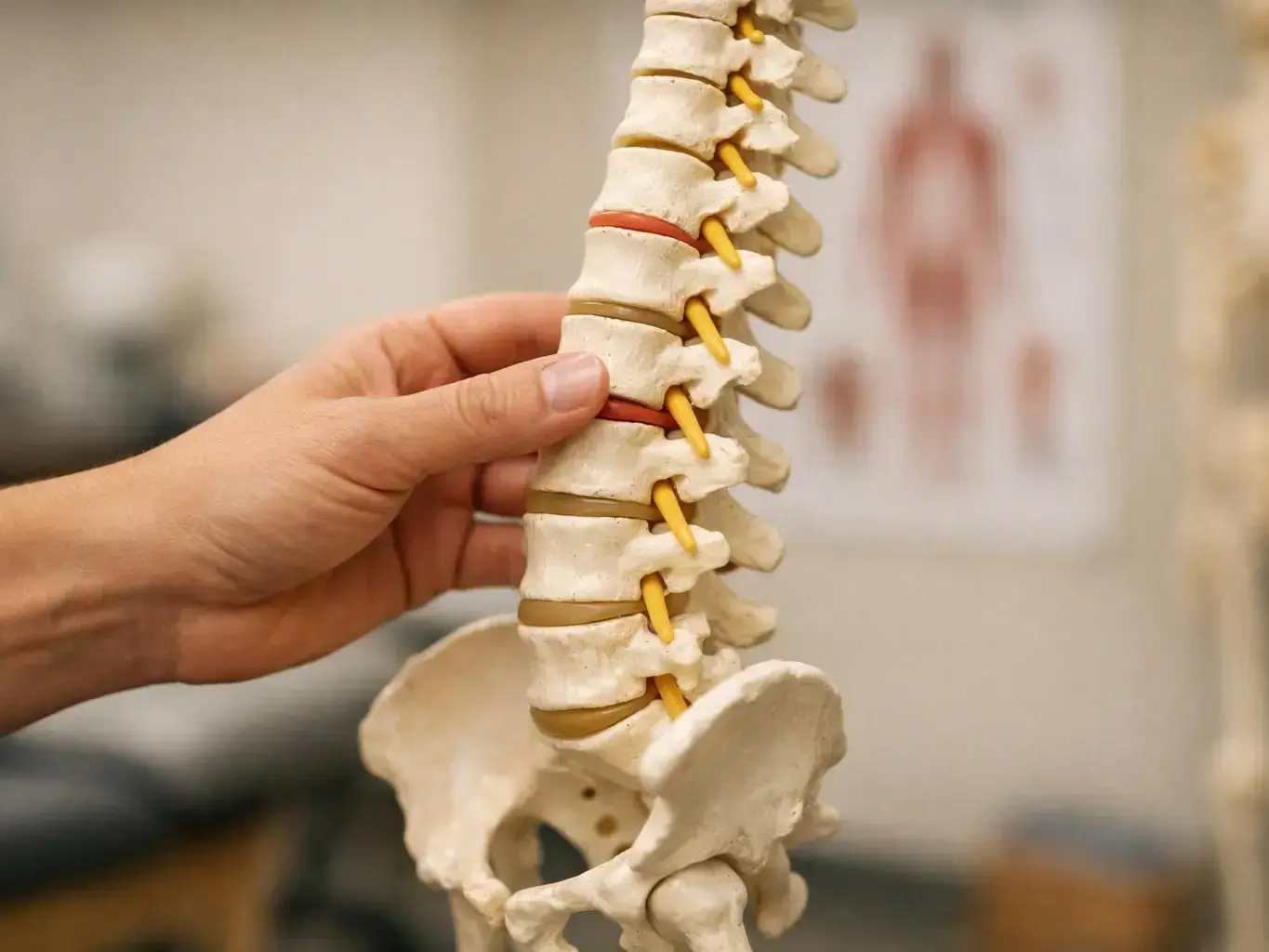
Understanding Ligament Sprain

Ligaments are tough bands. They connect bones and support joints. They act like elastic ropes.
Ligaments let joints move safely. They stop joints from bending too far. But they can get hurt.
A sprain happens when a joint twists. It can also happen when hit or forced wrong. This can stretch ligaments too much.
This stretching damages the fibers. It causes pain, swelling. And bruising. Sprains are not the same as muscle strains.
Muscle strains hurt muscles or tendons (the cords that attach muscles to bones). Sprains only hurt ligaments.
Sprains have grades. The grade shows how bad they are. A mild sprain is Grade 1.
A Grade 1 sprain has tiny tears. It causes mild pain and swelling. But the joint still feels stable.
A Grade 2 sprain is worse. It has a partial tear. This causes more swelling and bruising.
The joint may feel loose. It still works but not as well. This is a moderate sprain.
A Grade 3 sprain is severe. The ligament tears completely. This hurts a lot.
It causes bad swelling and bruising. The joint feels unstable. It may not hold weight.
Severe sprains need a doctor. They help the joint heal right. This stops long-term problems.
How Ligament Sprains Happen and Are Diagnosed?
Sprains often happen during sports. They also happen in accidents. The joint gets hit with sudden force.
Common causes are rolling an ankle. Landing wrong after a jump can also cause them. Twisting a knee can too.
Car crashes can cause sprains. Falls and work injuries can too. The body gets thrown off balance.
The force is too much for the ligament. It tears the fibers. The body sends extra blood to heal it.
This causes swelling. It also causes inflammation (redness and warmth). This is part of healing.
A doctor checks the injury first. They look for pain and swelling. They check for bruising too.
They move the joint gently. This tests how stable it is. They may order tests.
X-rays rule out broken bones. MRI scans show ligament damage. Ultrasound shows soft tissue injuries.
These tests help grade the sprain. They guide treatment. Some sprains need rest.
Others need medical help. The tests show which is needed.
Why Ligament Sprains Matter?
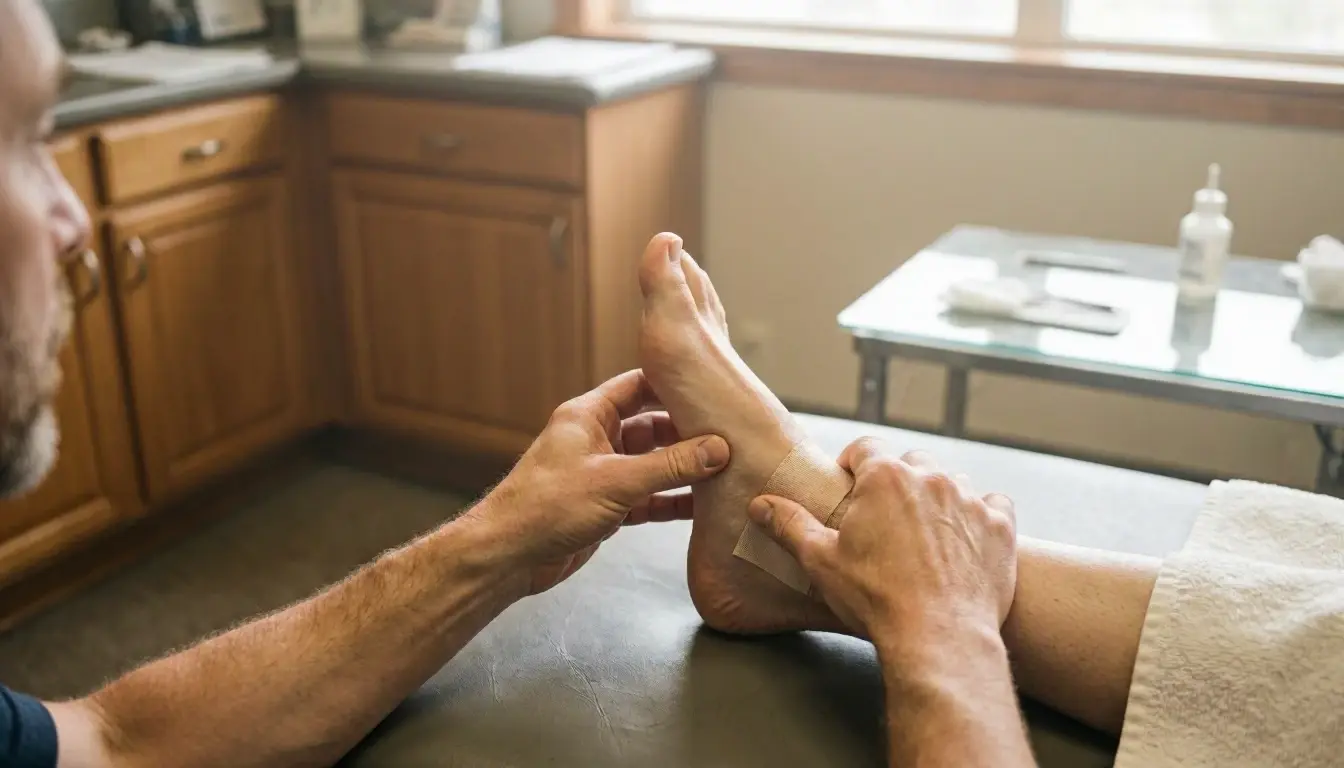
Sprains matter for many reasons. They hurt and limit movement. They can cause long-term problems.
Even mild sprains make daily tasks hard. Walking or typing can hurt. Lifting can be tough too.
Without good care, sprains can weaken joints. This makes future injuries more likely. The joint may feel loose.
For example, a bad ankle sprain may not heal right. The ankle may roll easily. This can cause more sprains.
Severe sprains can damage nerves. They can hurt blood vessels. They may cause arthritis (joint pain).
Sprains affect more than the body. Pain can keep you from work. You may miss sports or hobbies.
This can hurt your mood. It can lower your quality of life. Athletes may take longer to heal.
Returning too soon risks re-injury. Good treatment helps ligaments heal strong. This restores joint function.
When Ligament Sprains Matter Most?
Sprains matter most for safety. Athletes need strong ligaments. They help with quick moves and jumps.
A sprained ankle or knee can bench a player. This hurts the team and personal goals. Workers need strong joints too.
Jobs like construction or healthcare need safe movement. A sprain can make standing hard. Lifting can be risky.
Daily tasks can be tough too. Walking on uneven ground can be hard. Carrying groceries can hurt.
Some sprains need a doctor. Severe pain is a sign. So is not being able to move the joint.
The joint may feel like it gives way. Ignoring this can cause bad healing. It can lead to chronic pain.
It may even cause arthritis. Kids and older adults need extra care. Their ligaments heal slower.
Good diagnosis helps recovery. It lowers the risk of problems. This ensures a full return to activity.