Can postural correction help desk-related discomfort?
Yes, postural correction may help desk-related discomfort when posture habits affect movement or muscle tension. Neck strain, shoulder position, spinal motion, and workstation setup guide the assessment. Advanced Injury Care Clinic then matches care with your findings and goals. Results vary, so the plan is reviewed as care progresses.
What should I bring to my first posture appointment?
Your symptom history and work habits help guide the first visit. Bring a list of current concerns, prior injury details, and questions about your desk setup. Notes about screen use, sitting positions, and movements that worsen discomfort can make the health history and exam more useful.
Which part of the workstation decides the scope of postural correction?
The workstation setup can shape the scope when screen height, chair support, or keyboard position affects posture. We review how your body responds during desk tasks, not just the furniture itself. The findings help decide whether treatment should include movement care, soft-tissue therapy, corrective exercises, or setup changes.
Which material changes how long postural correction takes?
The main time factor is the care plan, not a workstation material. Symptoms, movement findings, treatment needs, and how your body responds guide the pace of follow-up care. Our team explains the recommended steps after the exam and adjusts the plan as progress is reviewed.
How does a postural correction visit move from the first call to the last step?
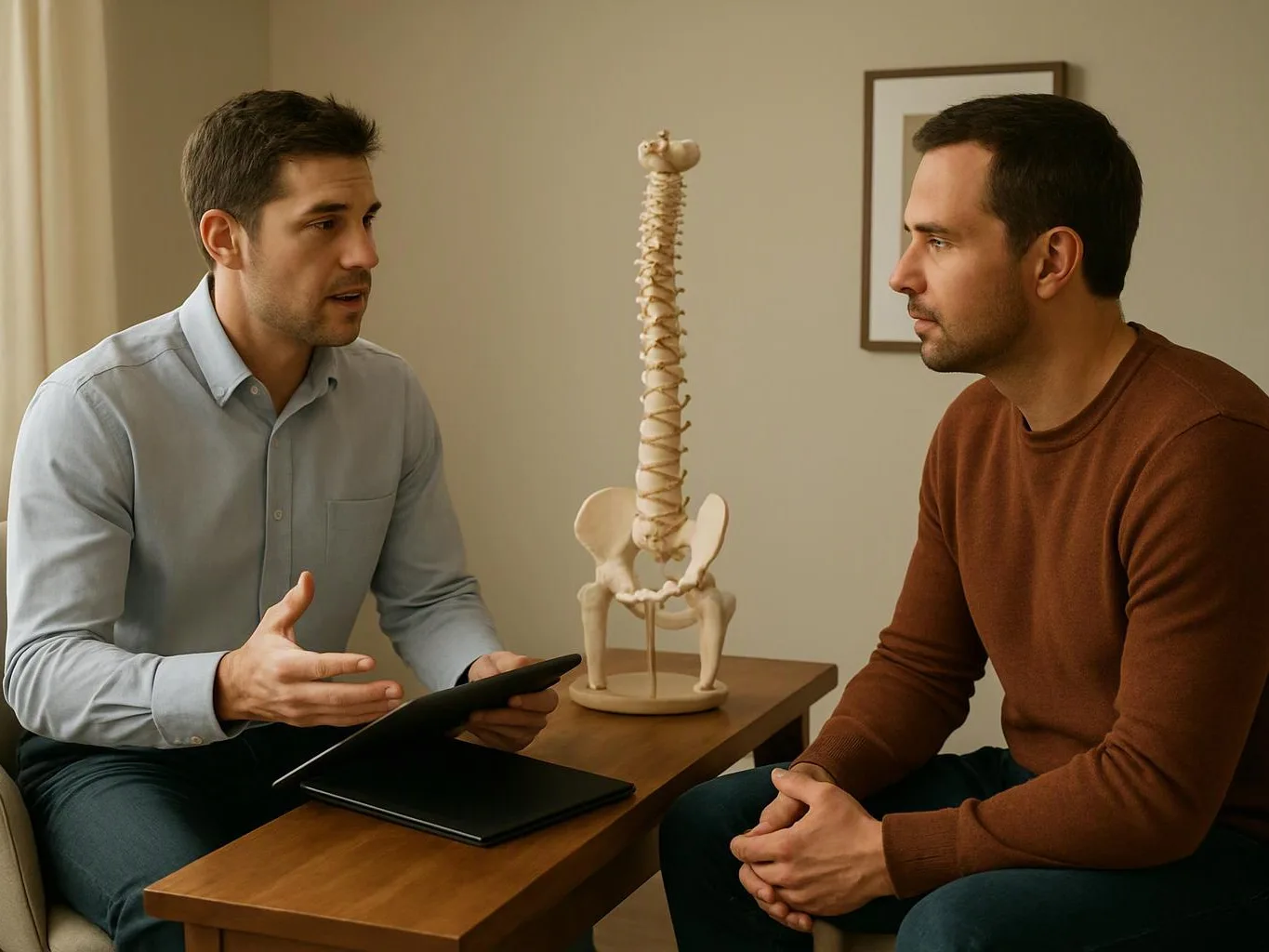
A postural correction visit moves from intake to examination, findings, care planning, and progress review. The health history identifies concerns, while movement checks guide treatment choices. We may include spinal adjustments, soft-tissue therapy, or exercises, then discuss the next review based on your response.
Why might shoulder tension continue after changing my desk setup?
Shoulder tension may continue when muscle tightness, limited movement, or long-held posture habits remain. A desk change addresses one part of the problem, but an exam checks the rest. We use those findings to discuss hands-on care, movement guidance, and daily habits that support your goals.
What is a red flag before seeking posture care?
Sudden severe symptoms, new weakness, loss of coordination, or serious injury need prompt medical assessment. Routine posture care is not the right first step for those warning signs. Share your full health history with us so we can discuss whether an evaluation is appropriate.