Which exercises support postural correction?
Back extensions, core strengthening, shoulder mobility, and neck exercises may support postural correction. Advanced Injury Care Clinic chooses movements after an exam, because pain, strength, and joint motion differ between patients. We explain each exercise and how it fits your goals.
How is exercise care matched to my condition before treatment starts?
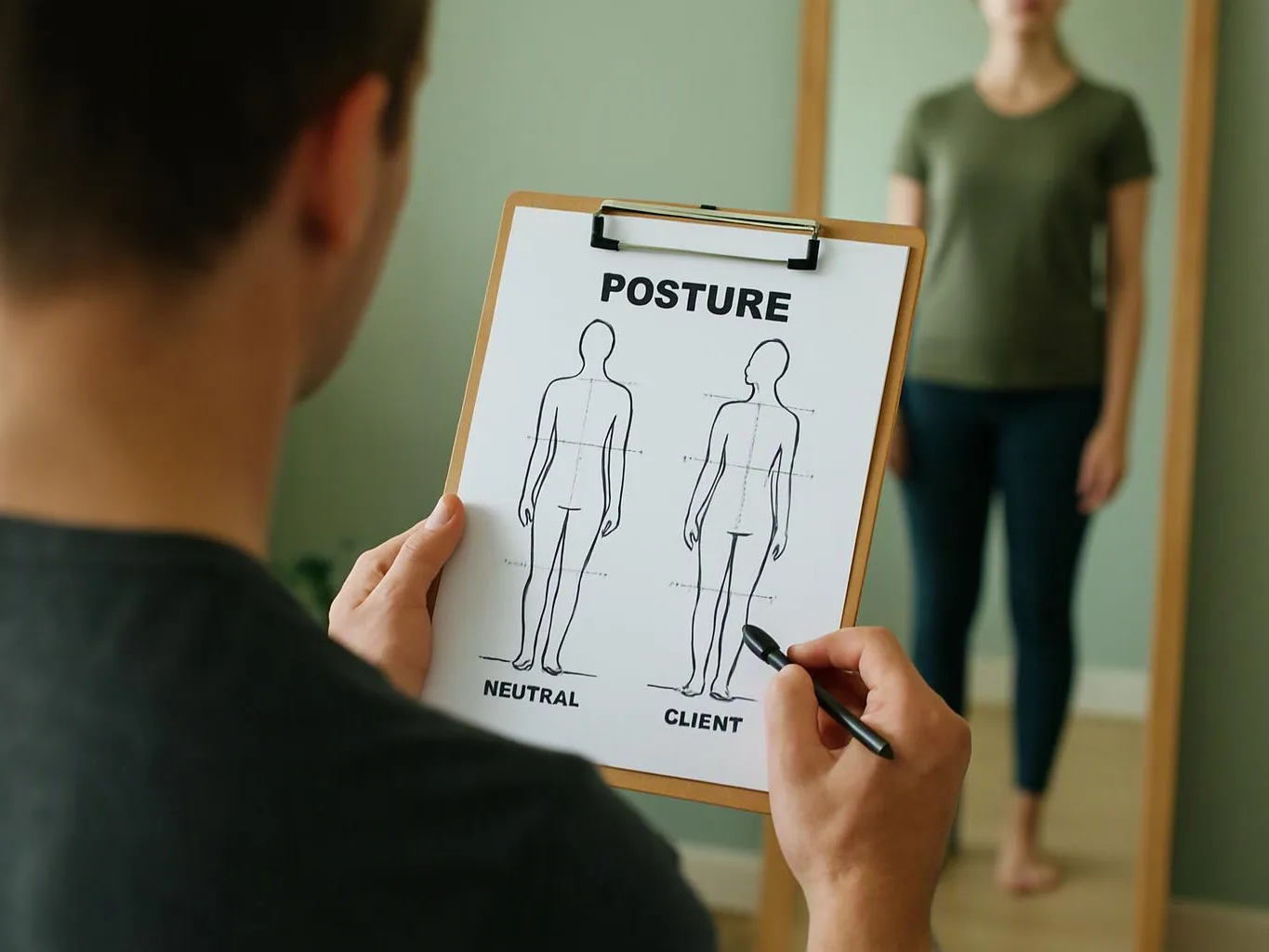
Exercise selection follows a health history and movement exam. We review posture, spinal motion, muscle control, and symptoms before choosing corrective exercises. X-rays may be considered if clinically indicated, and hands-on care may be added when the findings support it.
What should I prepare before a first visit?
A health history, symptom list, injury details, and current treatment information help prepare for the first visit. Bring relevant medical records if you have them. Our team uses this information with the exam to build a personalized treatment plan.
Why can posture problems continue after an injury?
Posture problems can continue when pain, stiffness, weakness, or guarded movement changes daily habits. We look for these patterns during the exam and connect exercise guidance with spinal adjustments or soft-tissue therapy when appropriate. Individual response differs, so progress checks matter.
What should I ask before agreeing to care?
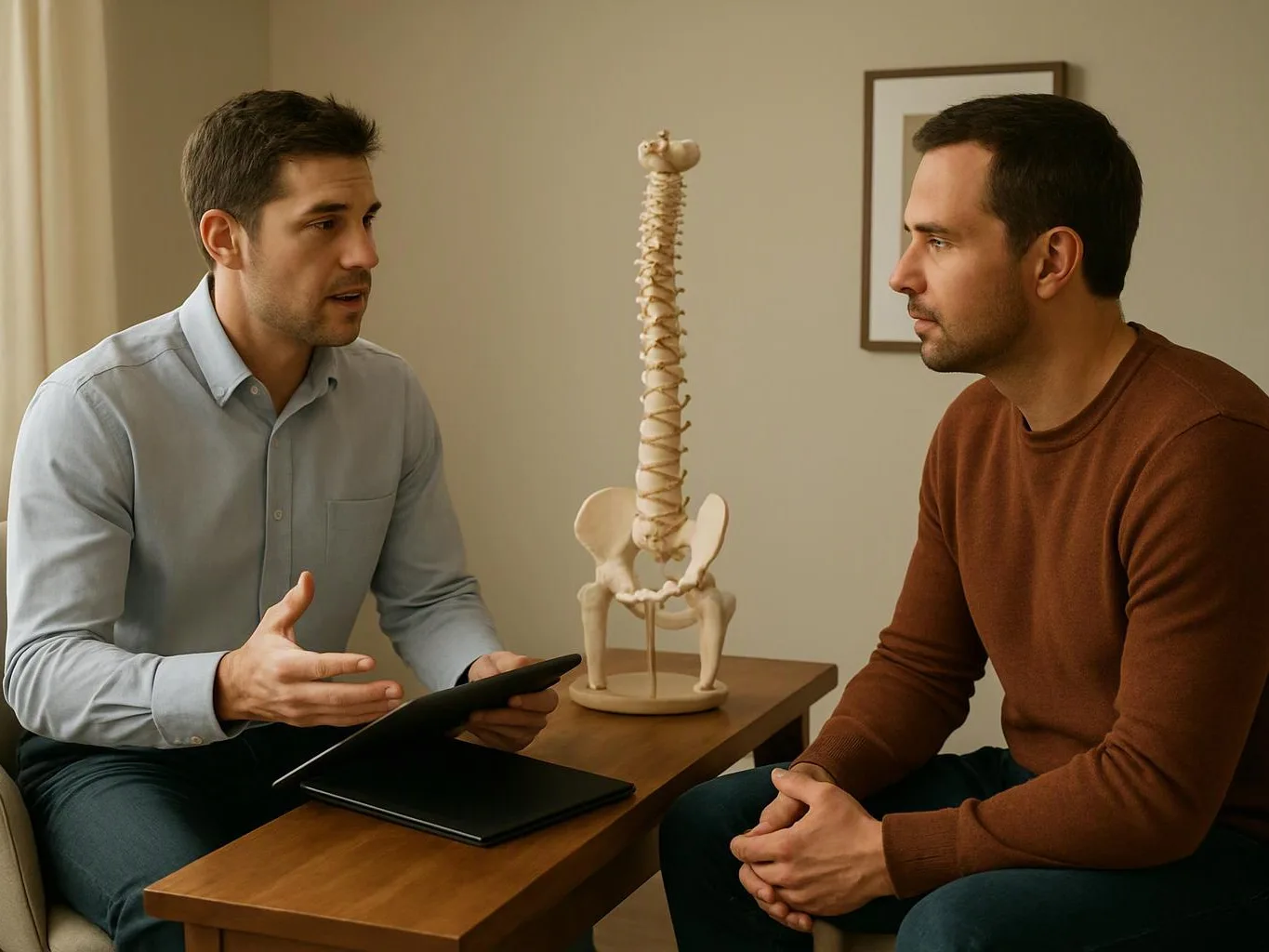
Ask which findings support the plan, which exercises you will practice, and how progress will be reviewed. We explain the purpose of each recommended treatment before care begins. You can also ask whether the plan includes spinal adjustments, soft-tissue therapy, or rehabilitation guidance.
When is postural correction the wrong choice?
Postural correction is the wrong choice when symptoms need urgent medical evaluation or the problem falls outside chiropractic care. Severe or changing symptoms require prompt medical attention. We review your history and findings first, then explain whether our treatment approach fits.
Does this care help after an auto accident?
Postural correction may support recovery after an auto accident when the assessment identifies movement, joint, or muscle concerns. We evaluate whiplash, neck pain, back pain, headaches, and related symptoms. The plan may include adjustments, soft-tissue therapy, corrective exercises, and rehabilitation guidance.