
Skip to content

Kinesiology Taping in Mount Juliet, Tennessee

Skin preparation and a comfort check guide kinesiology taping in Mount Juliet. Our care team matches the tape method to your symptoms and goals.

Upfront, Transparent PricingServing 18 CommunitiesMon-Fri: 9 am–7 pm, Sat: 9 am–2 pm, Sun: ClosedFast Scheduling

Quick Summary: kinesiology taping in Mount Juliet, Tennessee

Kinesiology Taping in Mount Juliet is provided by Advanced Injury Care Clinic for supportive care around pain, injury, and movement concerns. We serve Mount Juliet, Brentwood, and surrounding communities through personalized chiropractic treatment plans.

  • What we do: Advanced Injury Care Clinic provides Kinesiology Taping for patients in Mount Juliet, Tennessee as part of injury-focused chiropractic care.
  • What is included: Skin checks, tape placement, soft-tissue care, corrective exercises, and rehabilitation guidance support the treatment plan.
  • What you get: Kinesiology Taping supports movement and comfort while the broader care plan addresses the patient’s injury goals.

How long does kinesiology tape stay applied?

Kinesiology tape stays applied for a period chosen after the skin check, injury review, and tape assessment. Removal depends on comfort, skin response, activity, and the treatment goal.

Kinesiology Taping for Mount Juliet Injury Care

Kinesiology taping gives patients a supportive option for pain, strain, and movement concerns. It may fit people recovering from auto accidents, workplace injuries, or sports-related problems.

The key decision is whether tape supports your current treatment goal. We check the skin, the painful area, movement limits, and the rest of your personalized treatment plan before applying tape.

Tape is not a stand-alone answer for every injury. Some concerns call for an examination, spinal adjustments, soft-tissue therapy, corrective exercises, or rehabilitation guidance first.

  • Skin comfort and suitability are checked before tape is applied.
  • The painful area and movement goal guide tape placement.
  • Tape care and removal guidance are discussed during the visit.
  • The taping plan is reviewed alongside the injury evaluation.
A spine model stands beside folded beige towels on a wooden tray in warm light

Service Overview

Kinesiology taping is a supportive care method that uses elastic tape on the skin around a painful or strained area.

  • Kinesiology taping supports movement during recovery, while spinal adjustments and soft-tissue therapy address other parts of a care plan.
  • Advanced Injury Care Clinic provides this service for patients in Mount Juliet and surrounding communities.

What Our Kinesiology Taping Visits Include

Advanced Injury Care Clinic provides comprehensive Kinesiology Taping in Mount Juliet. Here's what you get:

  • We review your symptoms, injury history, and movement goals before taping.
  • We check the skin for comfort and suitability before applying kinesiology tape.
  • We clean and prepare the treatment area for tape placement.
  • We apply kinesiology tape with a method suited to the area and treatment goal.
  • We explain what to watch for after application and how to remove the tape.
  • We connect taping with spinal adjustments, soft-tissue therapy, or corrective exercises when appropriate.

Kinesiology Taping Decisions That Matter

Skin comfort comes first

The tape adhesive must suit the treatment area and your skin response. We check this before placement and discuss removal if irritation develops.

Placement follows the care goal

Application technique changes with the body area, movement concern, and treatment plan. We connect tape placement with the findings from your injury evaluation.

Taping has a clear limit

Kinesiology taping is the wrong job when a symptom needs a fuller examination or a different treatment approach. We assess that fit before applying tape.

Process

How We Apply Kinesiology Tape

1

Review the injury and movement goal

We discuss symptoms, injury history, activity needs, and the movement concern that brings you.

2

Check the skin and tape fit

We inspect the treatment area and consider skin comfort, tape adhesive, and the goal of the application.

3

Prepare the treatment area

We clean and prepare the skin so the tape can sit comfortably and stay in place.

4

Apply the tape with care

We place kinesiology tape with an application technique suited to the body area and treatment plan.

5

Explain care and removal

We review what to watch for, how to protect the skin, and how to remove the tape safely.

What Kinesiology Taping Can Change for You

Kinesiology tape may give a painful area added support during daily movement.

The tape can support body awareness while you follow corrective exercises.

A taping plan may help you stay engaged with broader injury care.

Results vary, so we review comfort and function instead of promising a fixed outcome.

Choosing Supportive Care for Movement Concerns

These care options address different parts of an injury plan, so the assessment guides the choice.

Care optionMain focusWhen it may fit
Kinesiology tapingSupport around a painful or strained areaWhen tape fits the skin and movement goal
Soft-tissue therapyMuscle and soft-tissue concernsWhen hands-on care fits the evaluation
Corrective exercisesMovement practice and rehabilitation guidanceWhen active exercises support the care plan

The Advanced Injury Care Clinic Standard

  • Patient Assessment
  • Personalized Care Plans
  • Clear Treatment Explanations
  • Progress Monitoring

Questions About Kinesiology Taping Care

What should happen before tape is placed?

The injury evaluation happens before tape is placed. We review your symptoms, movement limits, skin condition, and treatment goals. The visit may also include soft-tissue therapy, corrective exercises, or spinal adjustments when those services fit the plan. The taping method follows the findings from that assessment.

Which part of the body decides the taping approach?

The treatment area decides much of the taping approach. We consider the body region, painful movement, skin condition, and support goal before placing the tape. Shoulder pain, neck pain, back pain, and sports-related strains may require different placement choices. The assessment keeps the application tied to your needs.

When should tape be removed?

Tape should be removed when skin discomfort, irritation, or another concern develops. Our team explains the removal method during application and reviews what your skin should feel like. Do not pull sharply across the skin. Ask us if the tape becomes uncomfortable or the treatment area changes.

Why might tape not fit my injury plan?

Kinesiology taping may not fit when your symptoms need a fuller examination or another treatment approach. Our team checks the injury, movement pattern, skin, and care goals first. Spinal adjustments, soft-tissue therapy, corrective exercises, or rehabilitation guidance may better match the findings.

How does skin preparation affect tape adhesive?

Skin preparation affects whether tape adhesive feels comfortable and holds as intended. The area should be clean and suitable for application before placement. We ask about skin sensitivity and past reactions, then explain aftercare. Tell us about irritation promptly so we can review the next step.
Contact

Ask Advanced Injury Care Clinic About Kinesiology Taping in Mount Juliet

Mount Juliet patients can discuss skin comfort, tape placement, and injury goals during a consultation. Book a free consultation with Advanced Injury Care Clinic to review whether kinesiology taping fits your care plan.

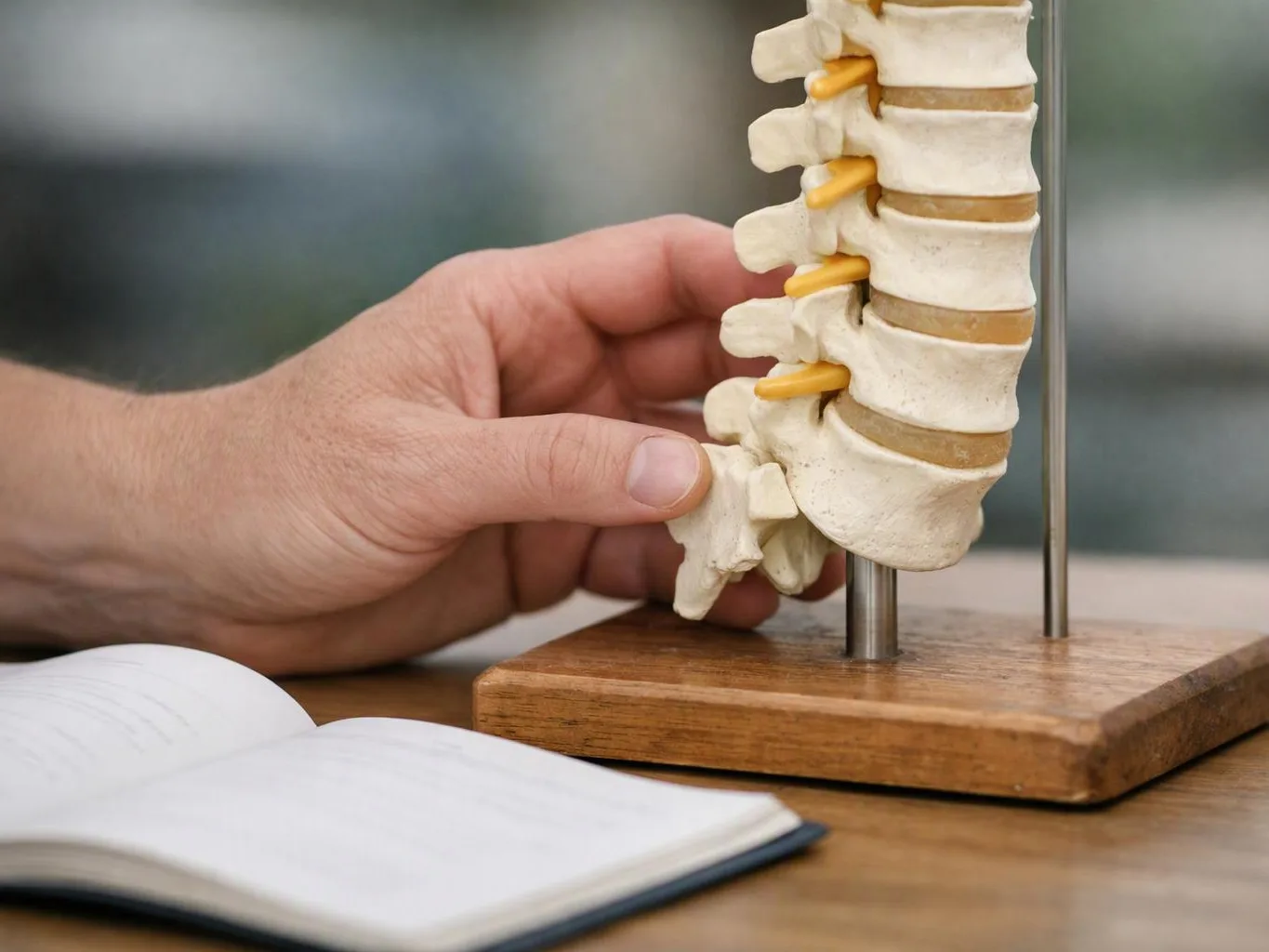
A hand touches a spine model on a wooden stand beside an open notebook

ZIP Codes We Serve in Mount Juliet, Tennessee

3712137122

The health and wellness information on this website is for general informational purposes only and is not medical advice. It does not create a provider-patient relationship. Individual results vary.

(615) 265-0412