Skip to content

Kinesiology Taping in Fairview, Tennessee

Application technique changes when tape needs replacement instead of adjustment, and we assess that choice in Fairview. Our chiropractor-led care team uses kinesiology tape as part of an individualized treatment plan.

Upfront, Transparent PricingServing 18 CommunitiesMon-Fri: 9 am–7 pm, Sat: 9 am–2 pm, Sun: ClosedFast Scheduling

Quick Summary: kinesiology taping in Fairview, Tennessee

Kinesiology taping in Fairview is provided by Advanced Injury Care Clinic for patients who need supportive care for pain, strain, or mobility concerns. The service covers skin preparation, tape placement, and removal guidance within individualized chiropractic care in Brentwood and surrounding communities.

  • What we do: Advanced Injury Care Clinic provides kinesiology taping for patients in Fairview, Tennessee as part of individualized chiropractic care.
  • What is included: Skin preparation, tape placement, adhesive review, removal guidance, and care planning for pain or mobility concerns.
  • What you get: The patient receives a suitable taping plan with clear guidance on placement, skin care, and removal.

How long does kinesiology tape stay applied after application technique?

Application technique does not have one fixed wear period because skin response, adhesive contact, movement, and care needs differ. We check fit and comfort during the visit, then explain when to adjust or remove the tape. Skin irritation, swelling, or increased discomfort calls for removal and a follow-up discussion.

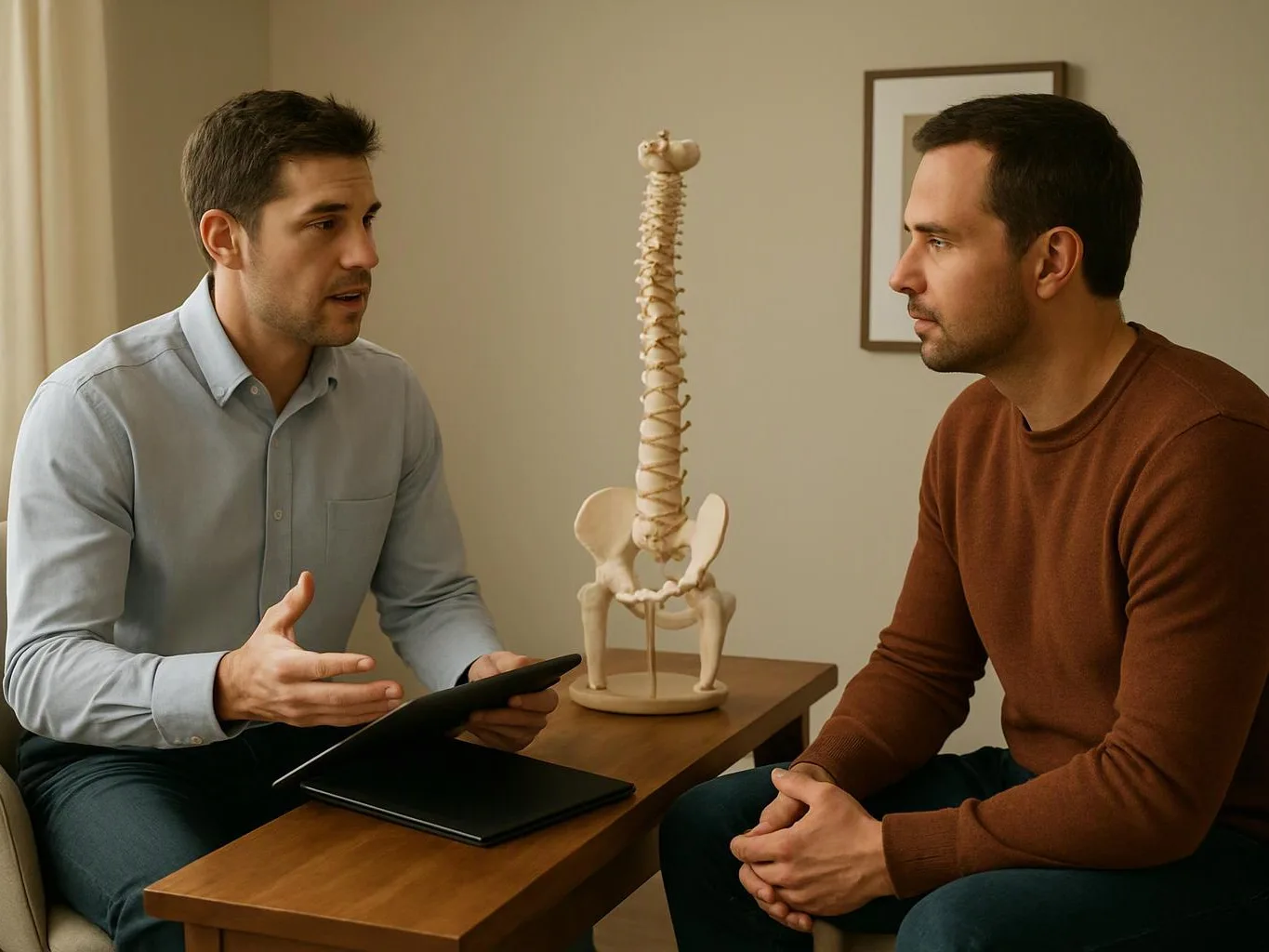
Kinesiology Taping in Fairview, Tennessee for Application Decisions

Kinesiology taping focuses on how tape is placed, how the skin responds, and when the application needs attention. It may suit patients with pain, muscle strain, whiplash, shoulder pain, knee pain, or mobility concerns.

The key decision is whether the tape needs adjustment or full replacement. We check skin condition, adhesive contact, movement, and comfort before choosing the next step. Taping supports a care plan, but it does not replace an evaluation when symptoms need closer review.

Patients may request a consultation when tape feels loose, causes skin changes, or no longer supports the intended movement. Our broader care may include spinal adjustments, soft-tissue therapy, corrective exercises, and rehabilitation guidance.

  • Check the skin before applying kinesiology tape.
  • Review the tape adhesive and contact with the skin.
  • Decide whether adjustment or removal fits the current concern.
  • Discuss related symptoms during the chiropractic evaluation.
A cozy lounge shows a wooden reception counter, beige chairs, plants, pendant lights, and a coffee machine

Service Overview

Kinesiology taping is a supportive care method that uses elastic tape on the skin to guide movement and comfort.

  • Taping differs from spinal adjustments because it supports an area through skin contact while adjustments address joint movement.
  • Our team provides this service for patients in Fairview as part of chiropractic care in Brentwood and surrounding communities.

What kinesiology taping includes for your visit

Advanced Injury Care Clinic provides comprehensive Kinesiology Taping in Fairview. Here's what you get:

  • We prepare the skin before placing kinesiology tape.
  • We apply tape to support the area discussed during your evaluation.
  • We check comfort, movement, and adhesive contact after placement.
  • We explain signs that call for adjustment or removal.
  • We connect taping with your broader chiropractic care plan when appropriate.

What to consider before choosing kinesiology taping

Application fit comes first

The right application depends on your symptoms, skin condition, movement needs, and care goals. Tape is the wrong choice when skin irritation or another concern needs assessment first.

Skin preparation guides placement

Clean, suitable skin gives the adhesive a better surface. We review the area before placement and explain what to watch for afterward.

The broader plan matters

Taping may sit alongside soft-tissue therapy, corrective exercises, or rehabilitation guidance. Our team keeps the method tied to your individual evaluation.

Process

How we apply and review kinesiology tape

1

Review symptoms and movement

We discuss the area of concern, related symptoms, and your movement goals before choosing taping.

2

Prepare the skin

We check the skin and prepare the surface so the tape can contact the area appropriately.

3

Place and check the tape

We apply kinesiology tape, then review comfort, movement, and adhesive contact.

4

Explain adjustment and removal

We describe what to watch for and when to remove the tape or request another assessment.

What supportive taping can change for daily movement

Kinesiology tape may give an area added support during normal movement.

A careful application can help you monitor comfort while you follow your care plan.

Skin and adhesive checks reduce the chance of continuing an application that feels wrong.

Clear removal guidance helps you respond to irritation or poor tape contact.

Choosing the next step for tape care

This table compares common tape situations with the practical care decision.

Tape situationWhat we checkLikely next discussion
Tape edge liftsAdhesive contact and movementAdjustment or removal
Skin feels irritatedRedness, itching, swelling, or discomfortRemoval and follow-up guidance
Tape no longer supports movementSymptoms, placement, and care goalsReassessment of the treatment plan

The Advanced Injury Care Clinic Standard

  • Patient Assessment
  • Personalized Care Plans
  • Clear Treatment Explanations
  • Progress Monitoring

Questions about tape wear, skin, and care

How long does kinesiology tape stay applied?

Application technique does not set one fixed wear period for every patient. Skin response, adhesive contact, movement, and care needs affect the decision. We review comfort during the visit and explain when to adjust or remove the tape. Remove it and request guidance if irritation, swelling, or increased discomfort develops.

What should I do if the tape starts lifting?

Loose tape needs an application check before continued use. We review whether the edge can be adjusted safely or whether removal fits the situation. Avoid pulling hard at the skin, and discuss the change during your next appointment or consultation.

Which part of the treatment decides the taping scope?

The affected area and movement goal decide the taping scope. We also review symptoms, skin condition, adhesive contact, and related injuries before placement. Those checks help us choose whether taping belongs alone or alongside soft-tissue therapy and corrective exercises.

When should tape be removed?

Tape should be removed when it causes irritation, increased discomfort, swelling, or poor skin response. We also review removal when the adhesive no longer contacts the skin well. Gentle removal protects the skin, and a follow-up discussion can guide the next care choice.

Why does skin preparation matter before taping?

Skin preparation gives the adhesive a cleaner surface and lets us check for irritation before placement. Oils, moisture, or existing skin changes can affect contact and comfort. We review the skin first, then explain how to monitor it after the tape is applied.

How does taping fit accident-related injury care?

Kinesiology taping can support an accident-related care plan after we assess the injury and movement concern. Our chiropractic evaluation may also include soft-tissue therapy, corrective exercises, and rehabilitation guidance. Taping does not replace assessment when neck pain, back pain, headaches, or whiplash need closer review.
Contact

Discuss kinesiology taping in Fairview

Schedule a free consultation with Advanced Injury Care Clinic to review skin preparation, tape placement, adhesive concerns, and your wider chiropractic care needs in Fairview.

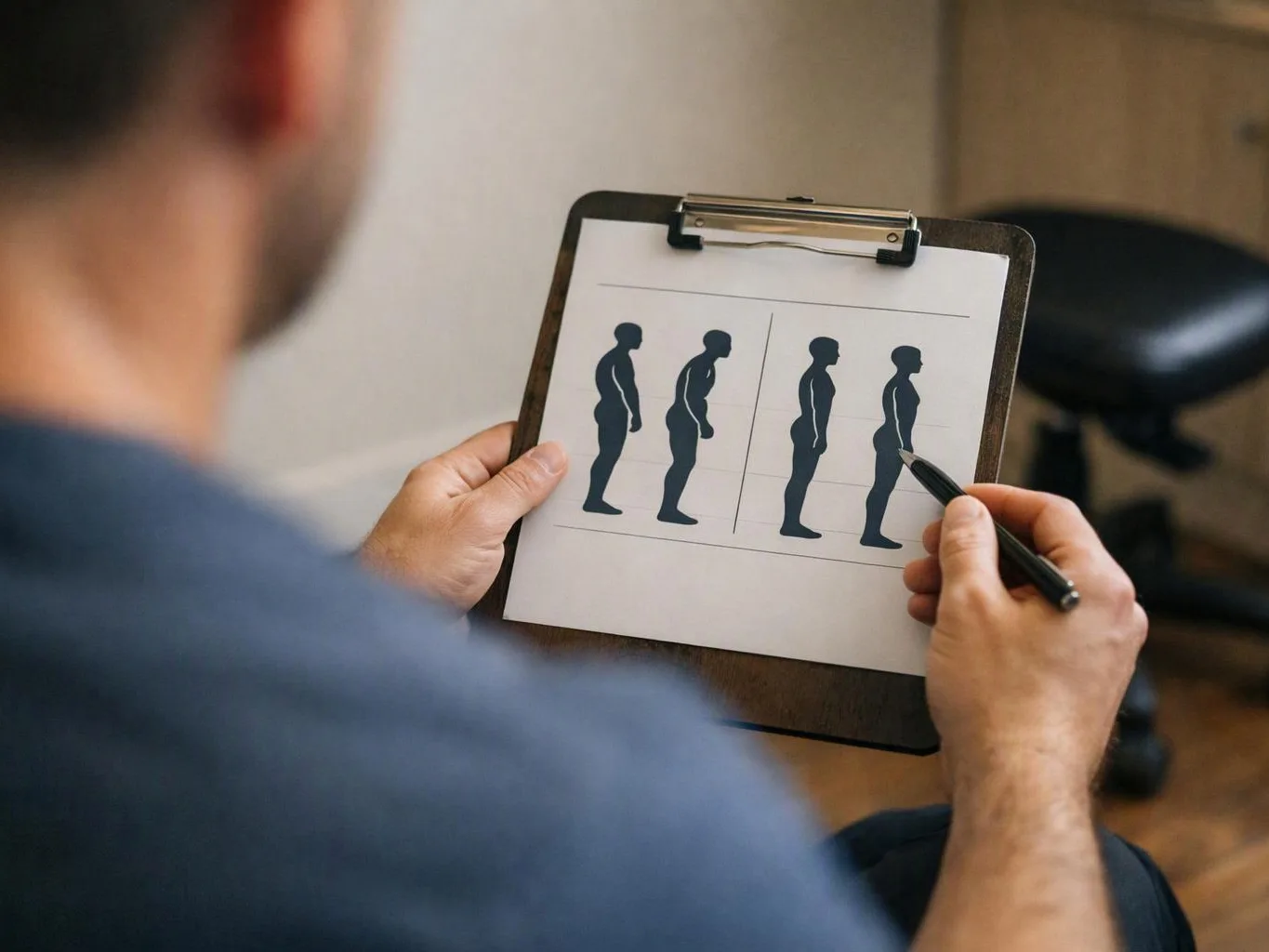
A person in a clinic holds a clipboard with side-view body silhouettes and points with a pen

ZIP Codes We Serve in Fairview, Tennessee

37062

The health and wellness information on this website is for general informational purposes only and is not medical advice. It does not create a provider-patient relationship. Individual results vary.

(615) 265-0412