What does an auto accident injury treatment plan include?
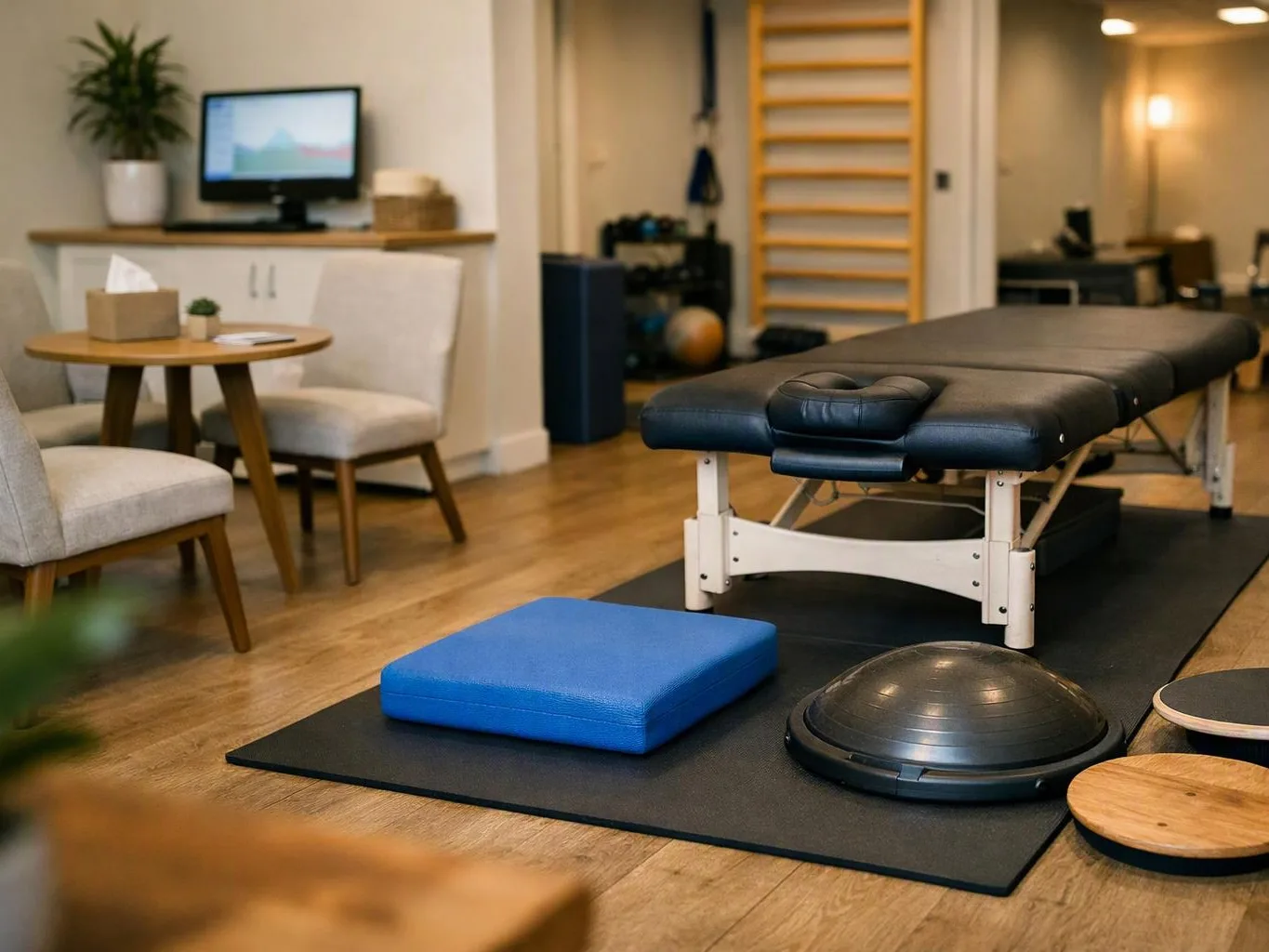
Rehabilitation exercises form one part of a plan that may also include an injury evaluation, spinal adjustments, soft-tissue therapy, and progress monitoring. The health history and exam guide which services fit your needs. Our team explains the plan before care starts, then reviews your symptoms and movement as care continues.
How does a visit move from the first call to the last step?
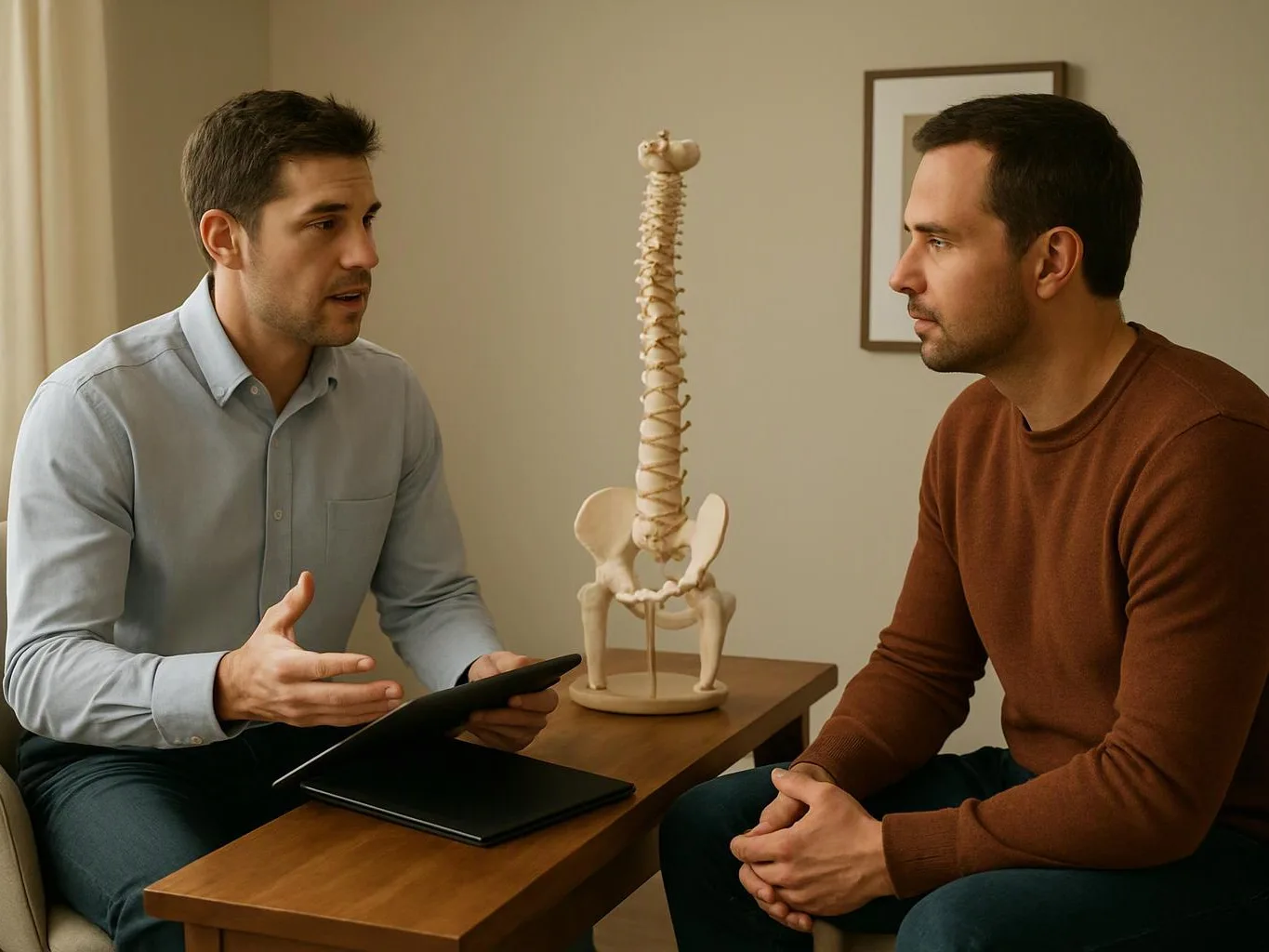
The visit moves from consultation and health history to an exam, treatment planning, care, and progress review. Accident details and current symptoms guide the evaluation. Spinal adjustments, soft-tissue therapy, or corrective exercises are used when they fit the findings. Follow-up checks whether the plan still supports your goals.
Which part of care changes how long rehabilitation exercises take?
The injury evaluation changes exercise needs by showing which movements are safe and useful. Pain, mobility limits, muscle tension, and your response to practice all guide the plan. Our team reviews these factors during progress monitoring. We don't assign a fixed schedule without first evaluating the injury.
How can I tell whether chiropractic care fits my injury?
Chiropractic care may fit accident-related joint, muscle, pain, and movement concerns after an evaluation. The exam helps identify whether spinal adjustments, soft-tissue therapy, or exercise guidance suit your needs. Severe symptoms or concerns outside chiropractic care call for medical evaluation. Our team discusses the appropriate next step.
What should I bring to the first appointment?
Accident details, current symptom notes, and relevant health records can help the first evaluation. Include information about pain, headaches, numbness, movement limits, and changes since the crash. Our team uses your health history and exam findings to plan care. You can also prepare questions about treatment methods and follow-up.
Why might back pain continue after an accident?
Back pain may continue when muscles, joints, or movement patterns remain affected after a crash. An injury evaluation checks pain location, mobility, muscle tension, and related symptoms. Soft-tissue therapy, spinal adjustments, or guided exercises may fit the findings. Individual response differs, so progress monitoring remains part of the plan.
Which care is used for accident-related headaches?
Accident-related headaches are assessed alongside neck movement, muscle tension, and other symptoms. Our team uses the health history and exam to decide whether chiropractic care or rehabilitation guidance fits. Spinal adjustments and soft-tissue therapy may be discussed when appropriate. Severe or unusual headaches need prompt medical attention.