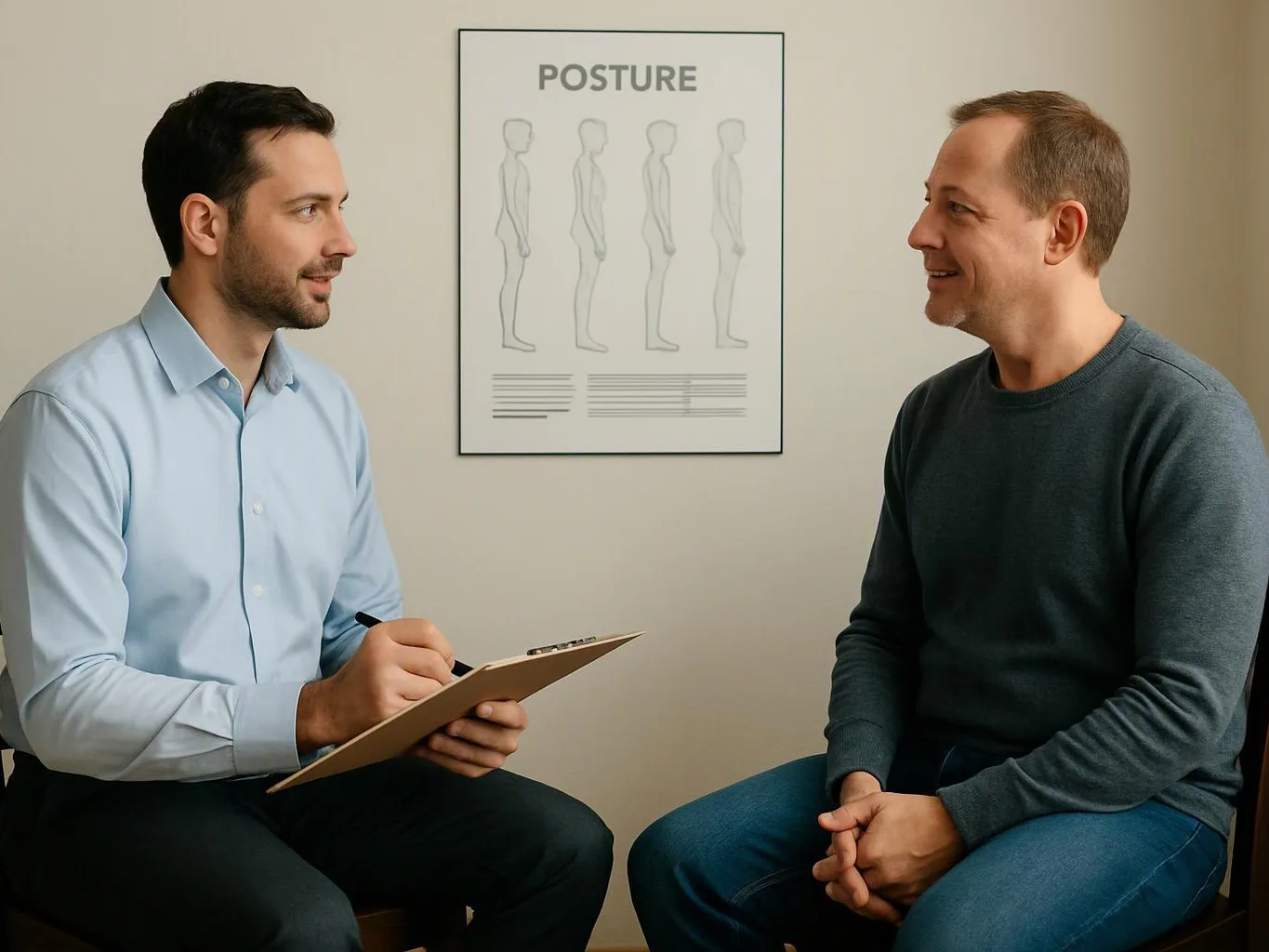
Share the injury and symptom history
We ask about the event, headache pattern, neck pain, prior health concerns, and activity limits so the assessment starts with useful context.
Headaches after whiplash, neck strain, or another injury need a careful review. We connect your symptoms with a clear care plan.
A clearer link between headache symptoms and related neck or injury concerns.
Documented treatment progress for personal injury and workplace cases.
A care plan that reflects your health history, symptoms, and activity level.
Headache Treatment is a clinical service that assesses headache symptoms and addresses related neck and musculoskeletal concerns.
Headache care starts with the problem you can describe, such as pressure, pain, or symptoms linked with neck movement. We ask when symptoms began, what happened before them, and how they affect daily activity. A headache after an injury may involve more than the head alone. Neck pain, whiplash, posture changes, and other musculoskeletal concerns can shape the assessment. Our team reviews those links before recommending care. The plan may include chiropractic treatment, medical evaluation, and injury documentation. X-rays may be considered when clinically indicated. Individual response differs, so care decisions follow your findings and goals.
We ask about the event, headache pattern, neck pain, prior health concerns, and activity limits so the assessment starts with useful context.
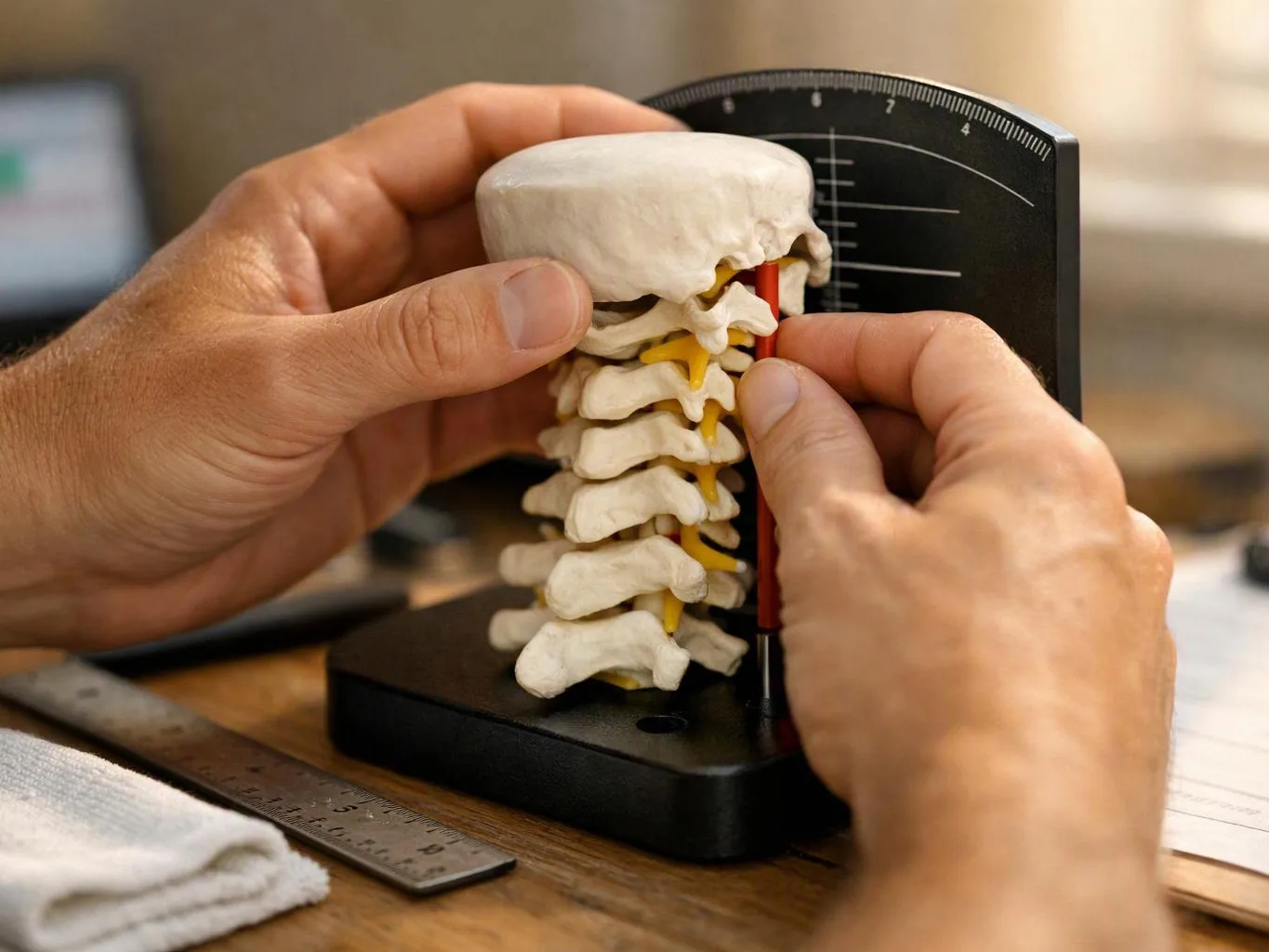
We assess spinal movement, posture, and musculoskeletal concerns before providing treatment, and we consider X-rays when clinically indicated.
We explain what the assessment shows, discuss diagnostic needs, and answer questions about the next stage of care.
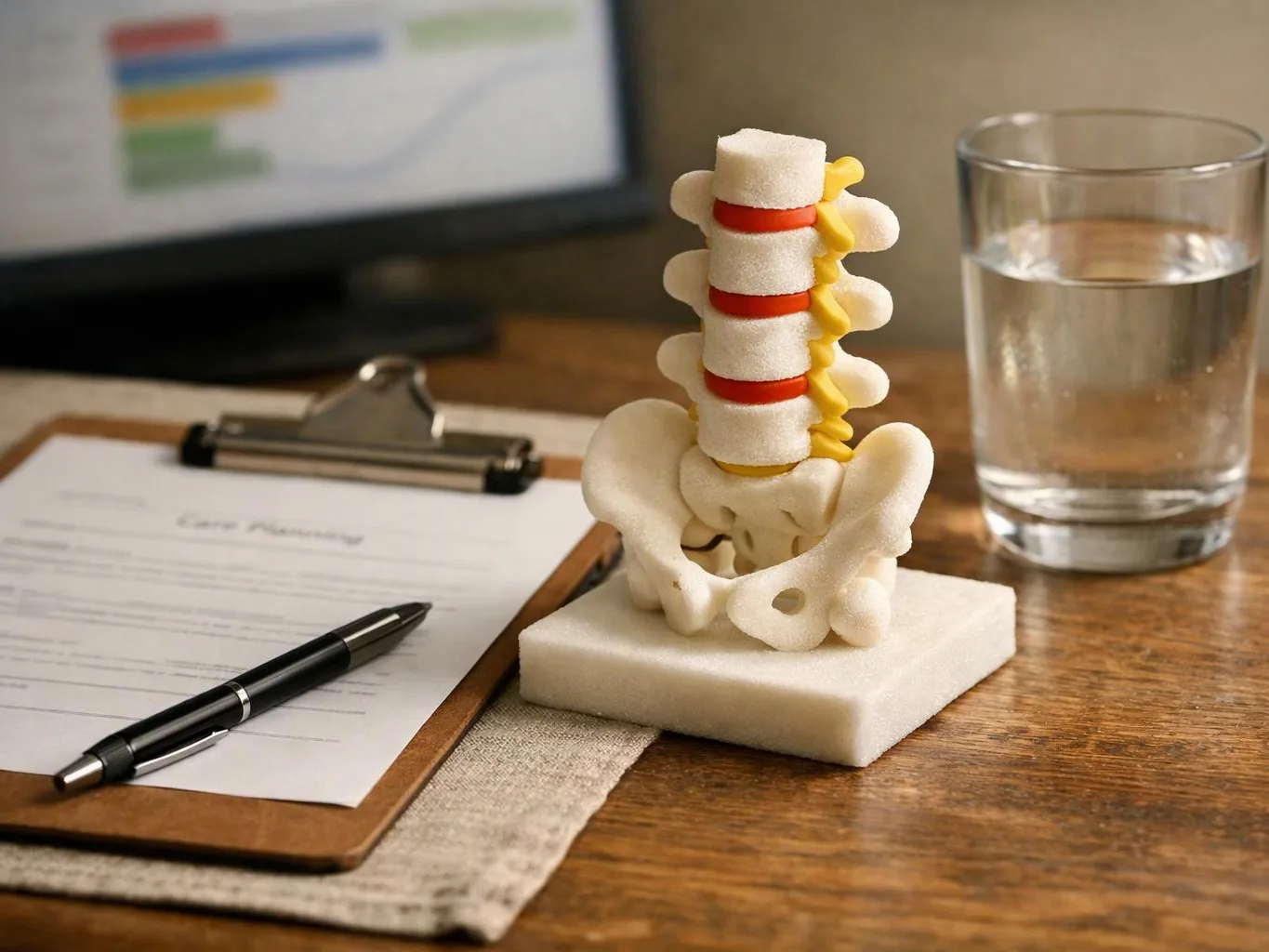
We create a plan based on your symptoms, medical history, goals, and activity level, then document progress as care continues.
Bring details that help us connect your symptoms with the event and your daily routine.
We review each patient’s headache history, injury details, and physical findings before discussing care.
We shape each plan around headache symptoms, health history, personal goals, and daily activity demands.
We select gentle, safety-conscious approaches that match each patient’s condition and documented assessment findings.

Going to Advanced Injury Care was a great experience, because going in pain is hard for me, but the staff gave great comfort and it relaxes me. Dr. Roberts cares for her patients and educates them on their injuries. She far exceeded her job.

Dr. Robert’s was helpful and informative on the resources I had and what my injuries were. I am confident I will be feeling better soon and that my case will be successful!!

This place is amazing. The staff is friendly. The office is clean and laid back. Not much of a wait. The doctor walks you through every step and tells you what he’s going to do and has answers any questions I’ve had to the best of his knowledge. Normally I am afraid to go to doctors and be in offices but this place has been a different experience. I would recommend anyone to come here. The front desk ladies are helpful and friendly
Your first deliverable is a review of your symptoms, health history, and next-step questions. Advanced Injury Care Clinic offers free initial consultations for patients in Brentwood and the Nashville area.

Head pain can appear with whiplash or neck pain after a collision. The injury history matters because symptoms may change with movement, sleep, or daily activity. Bring any medical records and note when the headaches began. We’ll review that information during an initial consultation and explain which assessment steps fit your concerns.
A workplace incident can leave you with headaches and limited neck movement. Clear symptom records help connect the complaint with the event and track treatment progress. Write down changes during work and rest, then bring related paperwork to your consultation. We can discuss documentation and the care plan after reviewing your history.
Recurring headaches can feel hard to explain when no single event stands out. Your health history, posture, spinal movement, and daily activity can help shape the assessment. Keep notes on triggers and related neck symptoms. We’ll use that information to discuss medical evaluation and personalized chiropractic care.