Posture Changes and Back Pain in Children: When to Seek an Evaluation
Child posture changes, uneven shoulders, or ongoing back pain deserve an evaluation, especially after an injury or when symptoms affect movement. Advanced Injury Care Clinic checks posture, movement, and spine-related signs to help guide appropriate pediatric chiropractic care.
Request an EstimateWhat Do Posture Changes and Back Pain Mean in Children?
Child posture changes and back pain can reflect muscle strain, movement problems, injury, or spinal curvature, so the pattern and persistence matter.
Child posture can change during growth, activity, or long periods of sitting. A change that stays present, causes discomfort, or affects movement deserves attention.
Back pain in children may involve the spine, shoulders, hips, or back muscles. We review the full pattern to understand how spinal alignment may relate to musculoskeletal health.
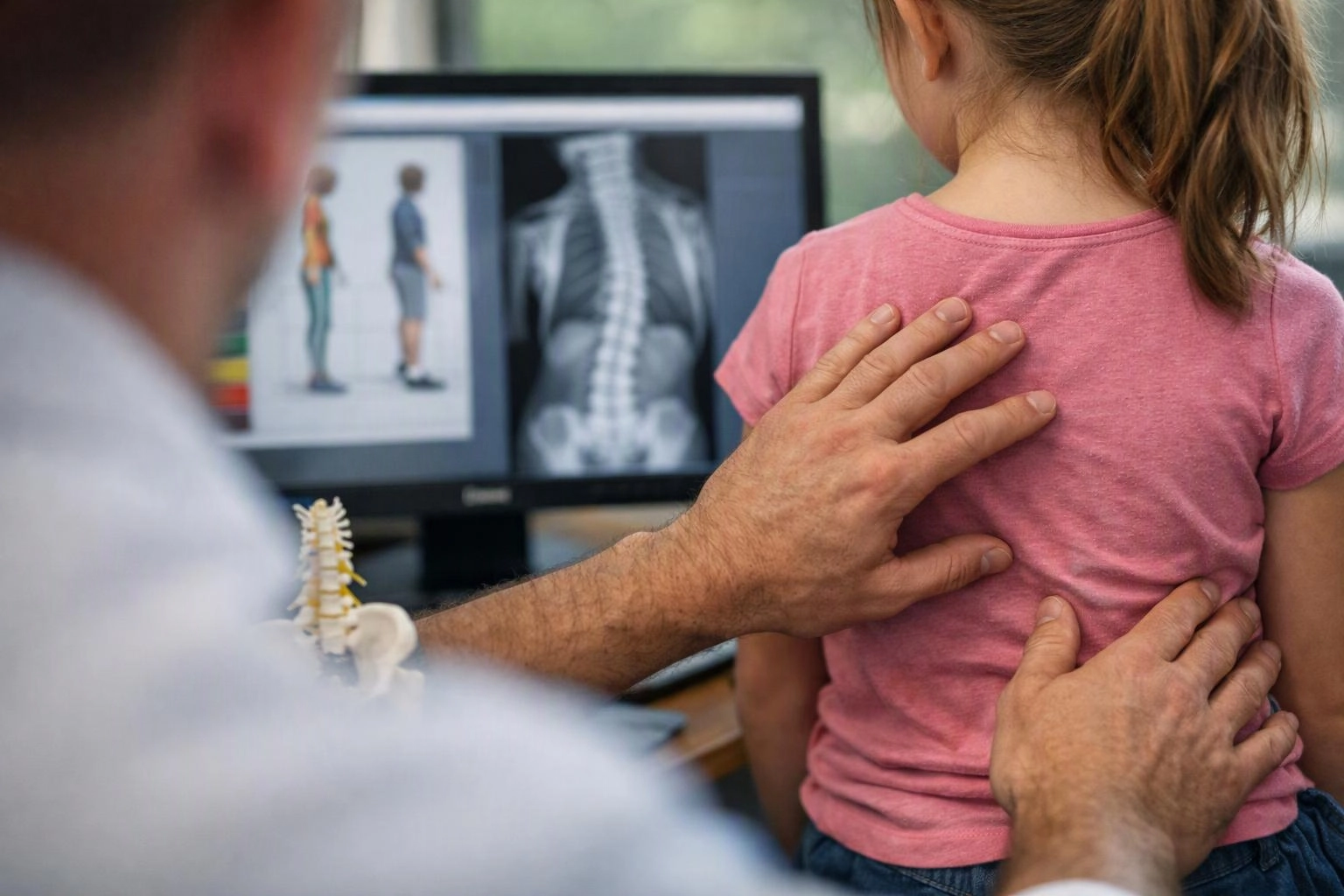
Which Signs Suggest a Child Should Be Evaluated?
Visible changes or repeated symptoms can show that a child needs a medical evaluation or movement assessment.
Our team looks at the whole picture, including pain, posture, activity, and changes in daily movement.
What Causes Posture Problems and Back Pain in Children?
Several causes can contribute to posture problems and back pain in children. The cause matters because care must match the child’s symptoms and history.
We ask about daily habits, sports, falls, and recent changes before we suggest a care plan.
How Can Children Prevent Posture-Related Back Pain?
Healthy movement habits can reduce strain and help children notice problems early. Prevention doesn't replace an evaluation when pain or visible changes continue.
We help families connect daily habits with comfortable movement and age-appropriate care goals.
How Do We Evaluate a Child's Posture and Spine?
A pediatric chiropractic evaluation reviews symptoms, posture, movement, injury history, and spinal alignment before care is considered.
Our team begins with a medical history and a discussion of the child’s activities. We then use a posture assessment and movement assessment to identify changes that may affect comfort or function.
We consider spinal alignment, muscle balance, and the child’s response to movement. If findings suggest a concern outside our scope, we explain the need for medical referral and care coordination.
Families can learn more about our Pediatric Chiropractic Care approach before scheduling.
What We Check During the Evaluation
Each part of the evaluation helps us connect visible posture changes with movement and symptoms.
We use these findings to decide whether conservative care, monitoring, or medical referral best fits the child.
| Evaluation area | What we look for |
|---|---|
| Standing posture | Shoulder, hip, head, and trunk position. |
| Walking pattern | Changes in balance, stride, or comfort during walking. |
| Range of motion | Whether movement is limited, guarded, or painful. |
| Muscle balance | Differences that may affect control or posture. |
| Pain behavior | How symptoms change with rest, activity, or movement. |
| Scoliosis indicators | Patterns that may support further scoliosis screening or referral. |
When Is Back Pain After a Fall or Sports Injury More Urgent?
Back pain after a fall or sports injury needs prompt medical attention when it includes severe pain, weakness, numbness, loss of function, or other concerning changes.
Neurologic symptoms can include numbness, weakness, or a change in coordination. A child who cannot use a limb normally or cannot perform a usual activity needs prompt medical evaluation.
Stop the activity and seek medical guidance when symptoms are severe, worsening, or linked to a significant fall. We can help identify whether an injury needs medical referral before chiropractic care is considered.
What Care May Help a Child With Posture or Scoliosis Concerns?
Pediatric chiropractic care may address movement and musculoskeletal findings, while scoliosis concerns may require coordination with the child's medical team.
Our care may focus on mobility, muscle coordination, and comfortable movement. Corrective exercise therapy can support the care plan when it fits the child’s needs and abilities.
Scoliosis treatment depends on the curve, symptoms, growth, and medical findings. We don't replace medical evaluation, imaging, or prescribed treatment, and we support medical referral when those services are needed.
How Do Families Prepare for a Child's Evaluation?
Families can prepare by recording symptoms, recent injuries, activities, and posture changes before the visit.
Clear details help our team understand what the child feels and how symptoms affect daily life.
What Should Parents Ask Before Choosing Care?
Parents should ask how the child will be evaluated, how scoliosis concerns are handled, and how the care plan connects to the child's goals.
Ask about the clinic’s pediatric experience and the steps included in the evaluation process. Families should also ask when medical referral is recommended.
Discuss whether a corrective exercise plan fits the child’s movement needs. Ask how progress will be reviewed and how the plan may change.
Pricing questions should cover what the evaluation and proposed care include. Advanced Injury Care Clinic offers Free Consultations, and our team can explain the next steps before care begins.
Contact Advanced Injury Care Clinic to discuss your child’s posture changes, back pain, or injury history.
Get a Free EstimateQuestions About Children’s Posture and Back Pain
Can poor posture cause back pain in children?
Yes, poor posture can contribute to muscle strain and back pain in children. Advanced Injury Care Clinic checks posture, movement, and activity habits to decide whether care or medical referral fits the child.
Can a chiropractor tell if a child has scoliosis?
A chiropractic evaluation can identify posture patterns that may suggest scoliosis, but medical evaluation may be needed for diagnosis and treatment decisions. We explain when scoliosis screening or medical referral is appropriate.
Should a child with back pain stop playing sports?
A child with back pain should pause activities that worsen symptoms until the cause is assessed. Severe pain, weakness, numbness, or loss of function calls for prompt medical attention.
What happens during a pediatric chiropractic evaluation?
A pediatric chiropractic evaluation reviews the child’s symptoms, medical history, posture, movement, injury history, and spinal alignment. We use those findings to discuss appropriate care or medical referral.
Can corrective exercises help a child's posture?
Yes, corrective exercises can help support posture, mobility, and muscle coordination when they match the child’s findings. We select exercises that connect with the child’s care goals and movement ability.