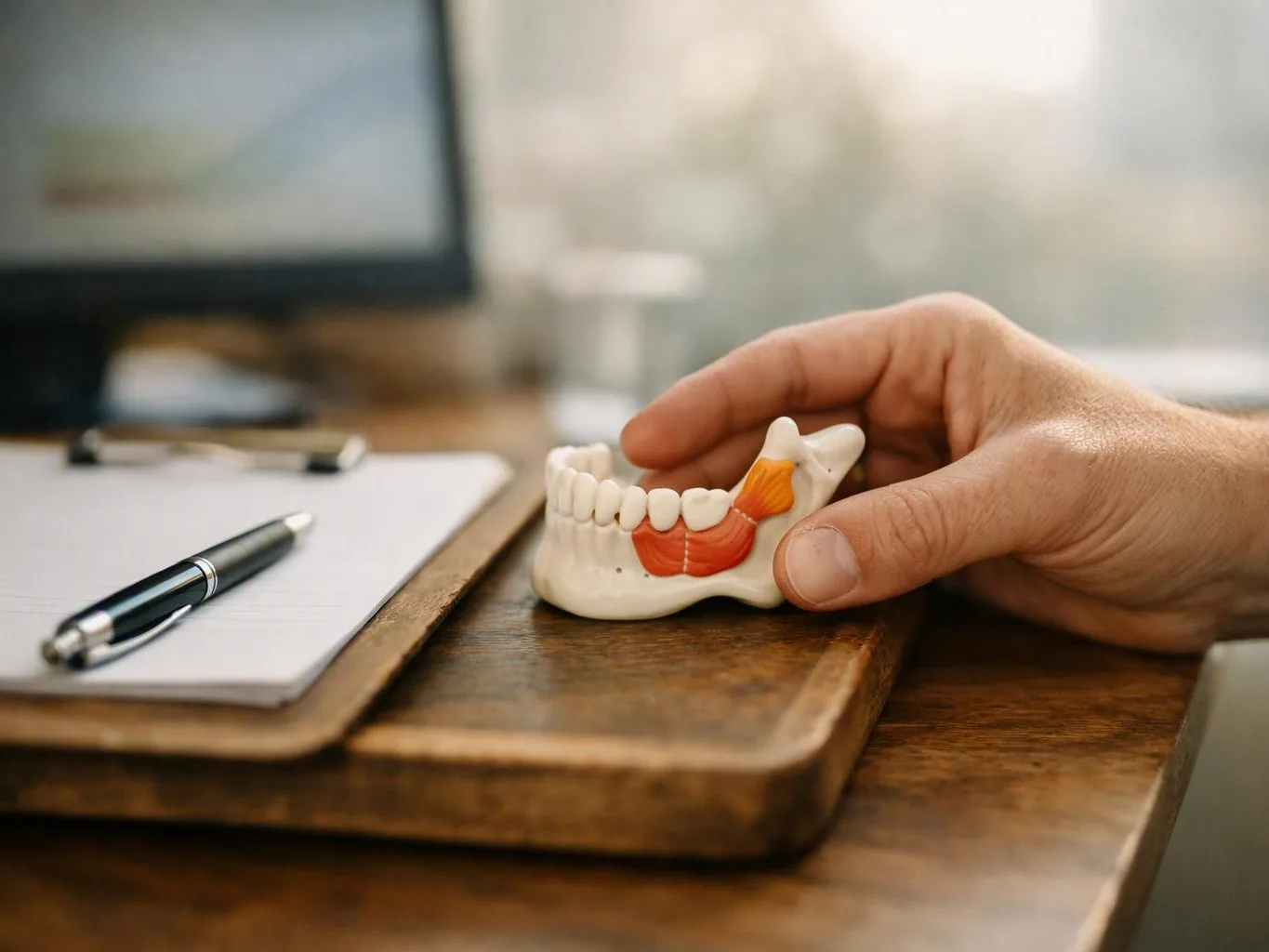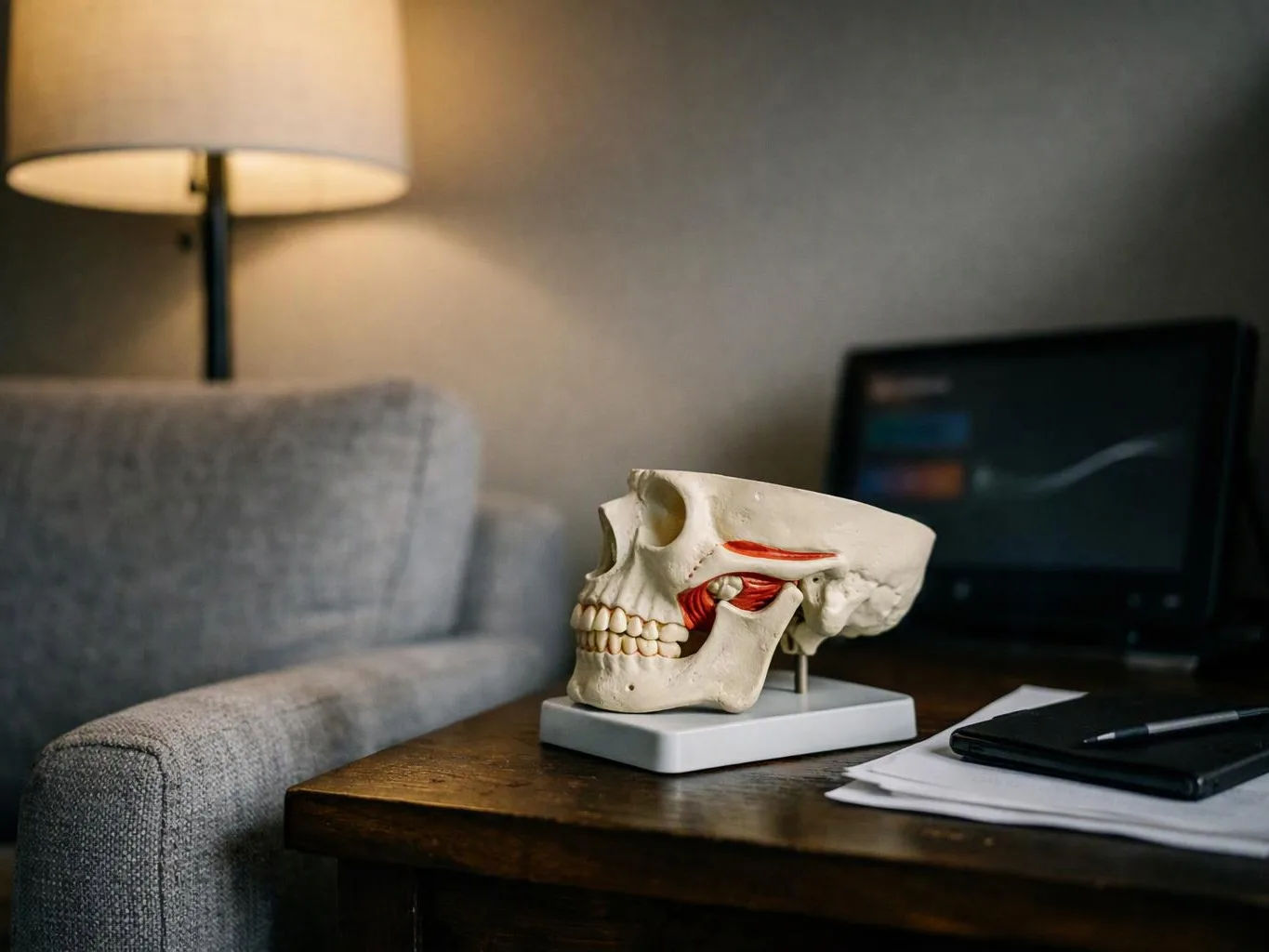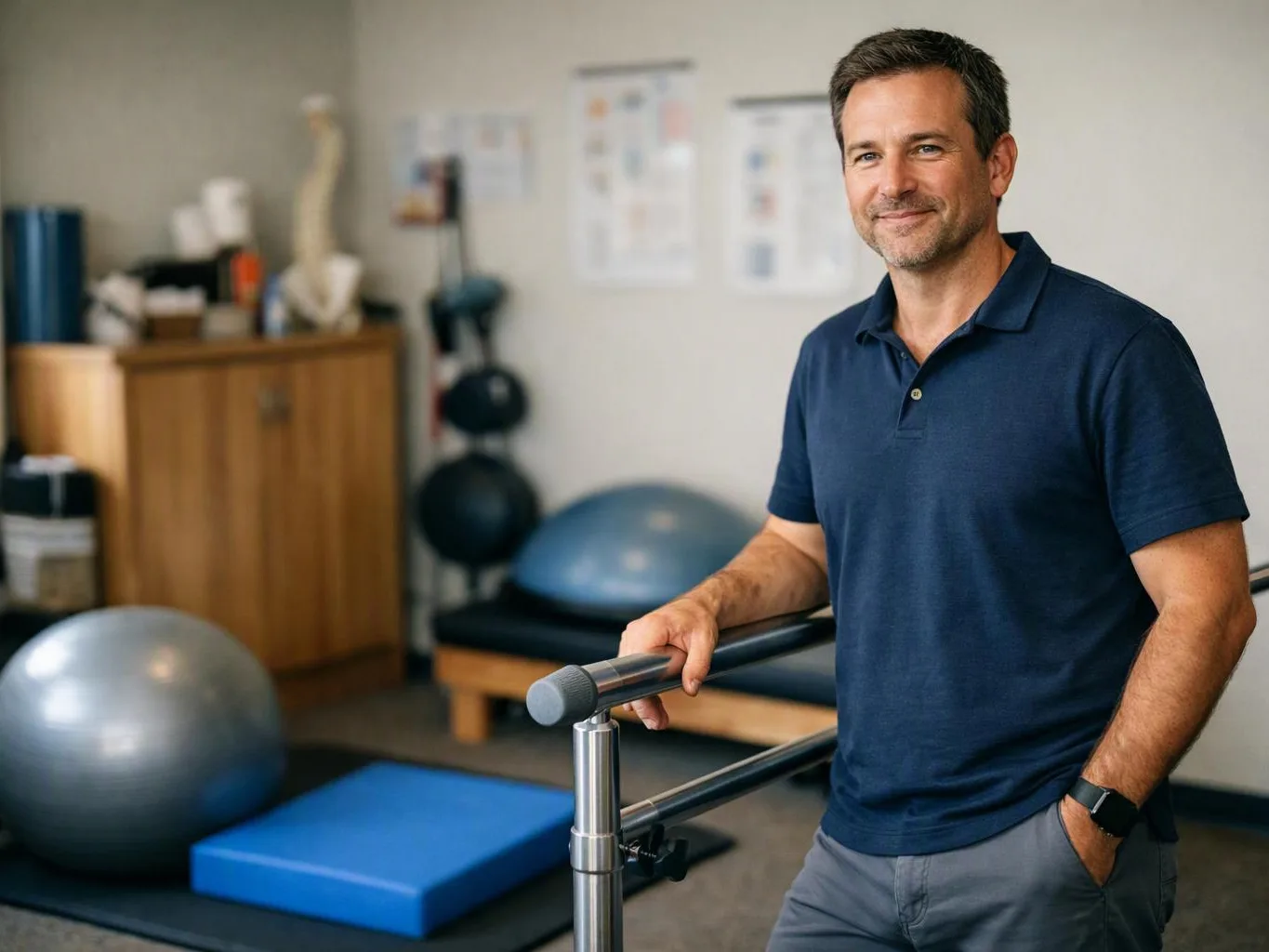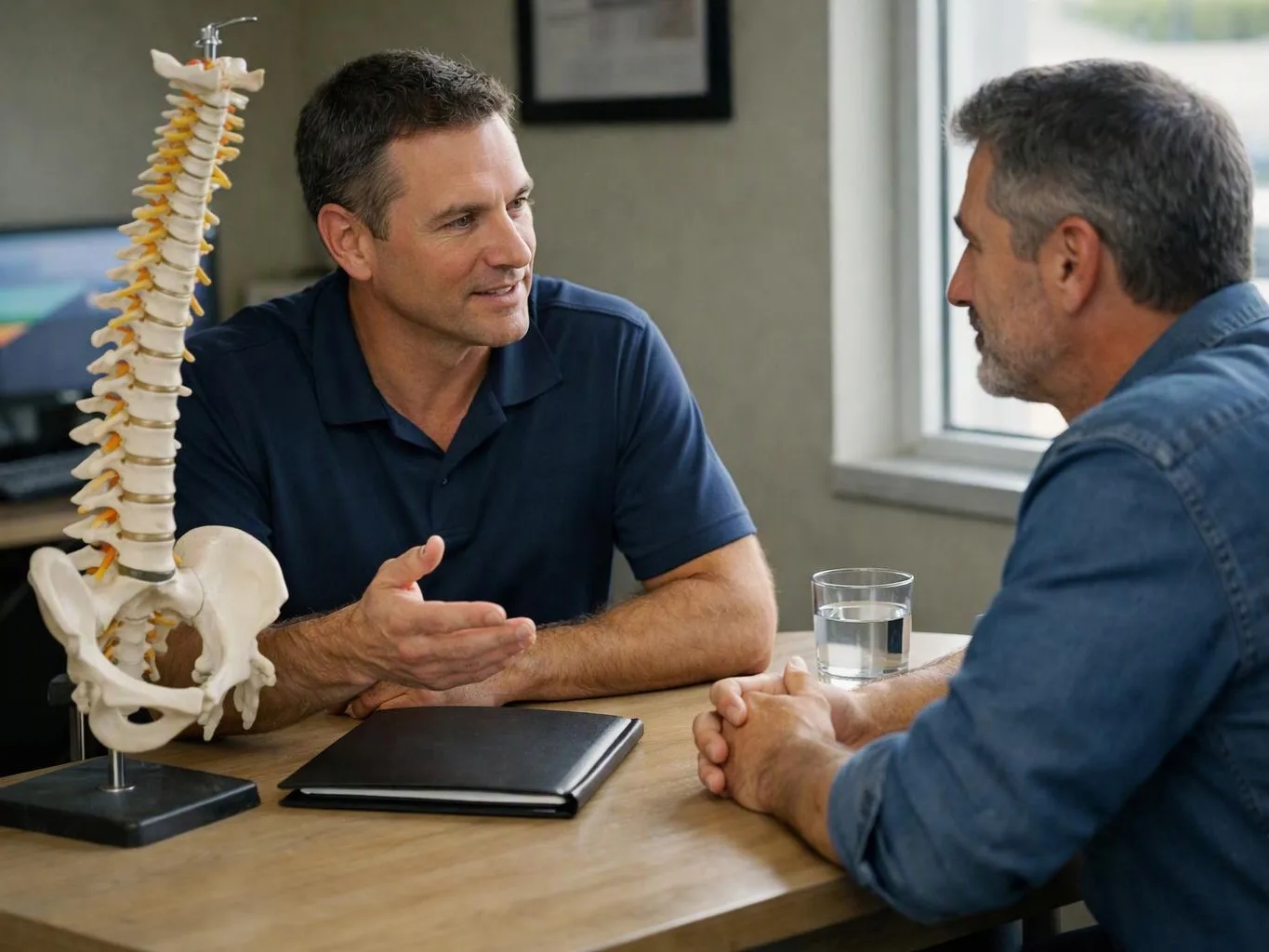
Health history and physical assessment
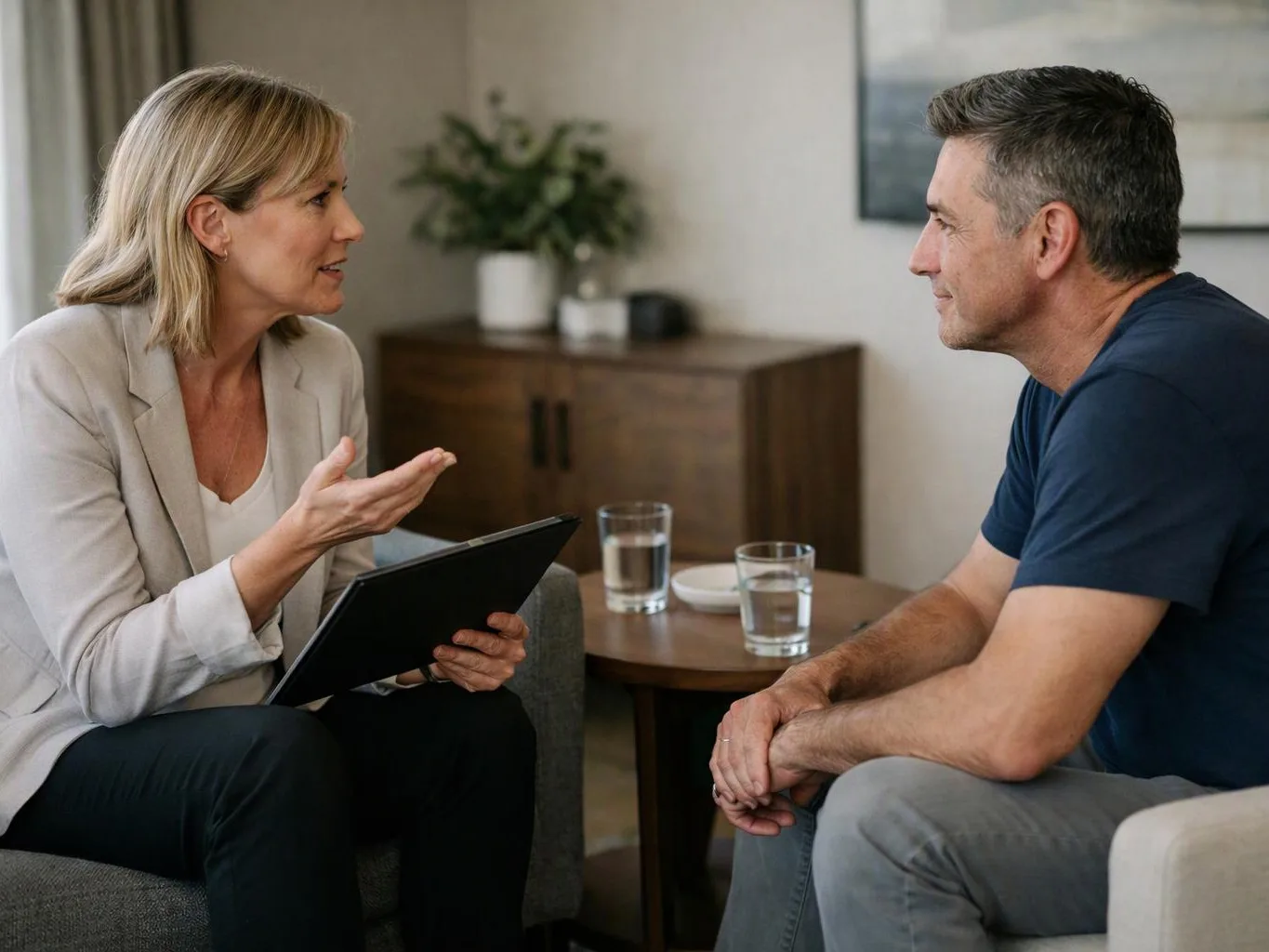
We review symptoms, prior care, medical history, posture, and spinal movement. This creates the clinical starting point for your care.
We assess spinal movement, posture, and symptoms before planning care. Our approach keeps treatment gentle and tailored to your needs.
A clearer link between spinal movement and back pain.
A care plan matched to your symptoms, goals, and activity level.
Documented treatment progress that helps guide later decisions.
Scoliosis Treatment is a care plan that assesses spinal curves, movement, posture, and related musculoskeletal symptoms.
“But you should still be checked by your provider about every 6 months.”
Source: medlineplus.gov

Scoliosis care starts with the person, not only the curve. We review your health history, symptoms, posture, spinal movement, and activity level before discussing treatment. The plan may include gentle chiropractic care, soft tissue therapy, and movement guidance. Results vary, and individual response differs. Care focuses on managing symptoms and improving how you move, not promising a cure. A key risk is treating pain without checking why it keeps returning. A missed disc concern, nerve symptom, or major change in function can call for a different medical review. We document findings and explain when further diagnostic care may be appropriate.
We review symptoms, prior care, medical history, posture, and spinal movement. This creates the clinical starting point for your care.
We explain what the assessment shows and discuss how symptoms affect daily activity. Diagnostic needs are considered when the findings call for more information.
We create a plan based on your needs, goals, and activity level. Gentle chiropractic care or soft tissue therapy may be included when appropriate.
We review documented treatment progress and changes in movement or symptoms. The plan can then be adjusted to match your response.
A few details can help us understand your symptoms and plan the first visit.
We begin scoliosis care by reviewing each patient’s health history and completing an individualized physical assessment.
We shape the care plan around each patient’s symptoms, goals, activity level, and documented treatment progress.
We select gentle, safety-conscious approaches that fit the patient’s findings and response during scoliosis care.

My experience here has been excellent. They take into consideration my needs and personalize the treatment to my ability. The staff is kind and friendly and explains things to my understanding. Highly recommended

This place is amazing. The staff is friendly. The office is clean and laid back. Not much of a wait. The doctor walks you through every step and tells you what he’s going to do and has answers any questions I’ve had to the best of his knowledge. Normally I am afraid to go to doctors and be in offices but this place has been a different experience. I would recommend anyone to come here. The front desk ladies are helpful and friendly

Going to Advanced Injury Care was a great experience, because going in pain is hard for me, but the staff gave great comfort and it relaxes me. Dr. Roberts cares for her patients and educates them on their injuries. She far exceeded her job.
Advanced Injury Care Clinic offers a free initial consultation for scoliosis concerns. In the first days after reaching out, you can share your symptoms, history, and activity limits so we can discuss the right assessment and next steps.
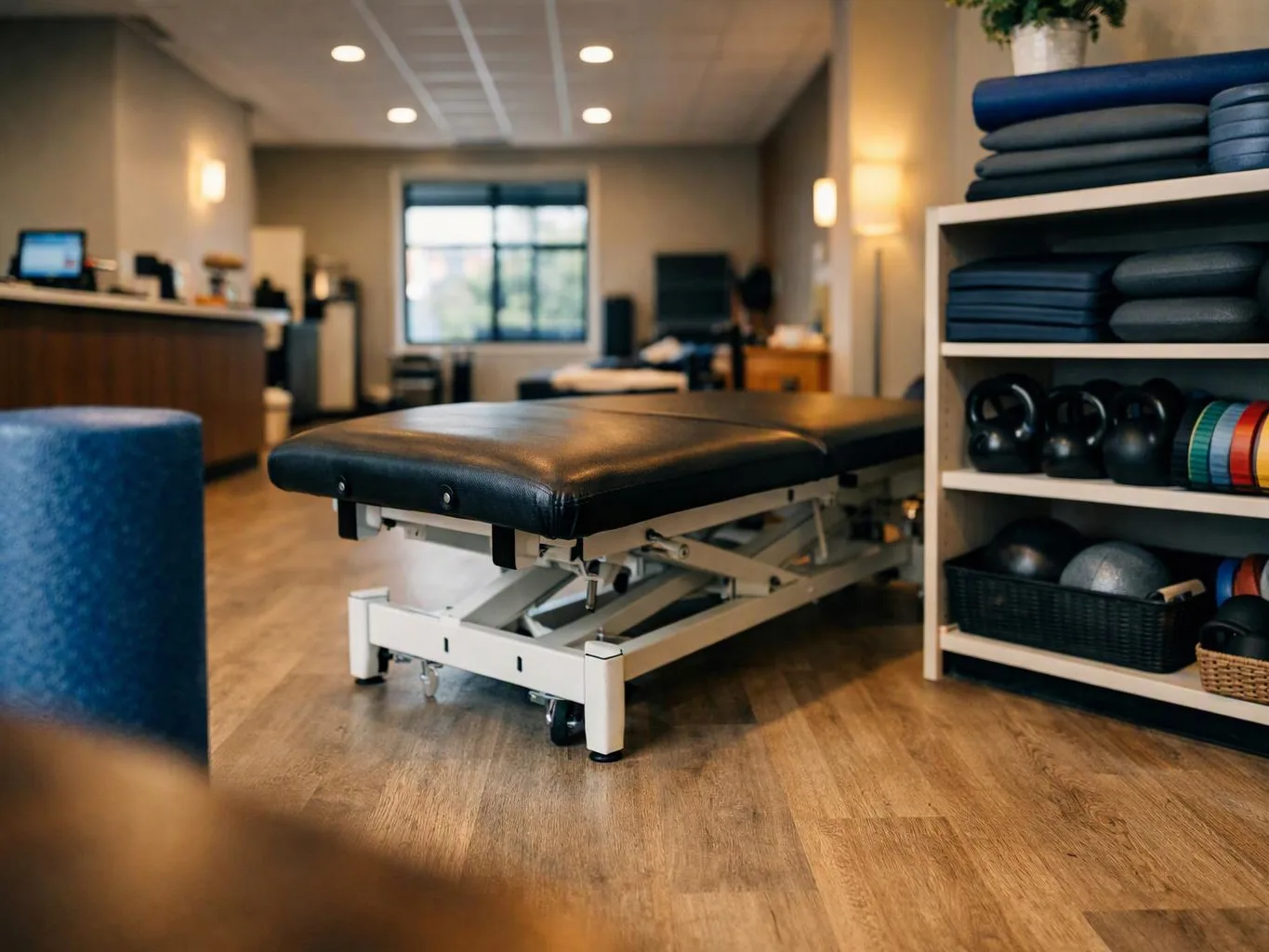
You may notice one shoulder sits higher, your waist looks uneven, or your back hurts after activity. The important question is how posture, movement, and symptoms connect. Bring a short symptom history and note which activities make the pain worse. We’ll use that information during an individualized assessment in Brentwood.
A known spinal curve can feel different when activity, muscle strain, or another condition adds to the problem. New pain does not always show how the curve itself has changed. Record what feels different, bring prior records if available, and let us review the change before treatment begins.
Pain may affect work, exercise, sleep, or simple tasks even when the curve has been present for some time. Your activity goals matter because care should fit what you need to do each day. Tell us which movements are limited, and we’ll connect those details to the exam and treatment plan.