Pediatric Chiropractic Care: Appropriate Uses, Safety, and Limits
Pediatric chiropractic care may be appropriate for selected musculoskeletal concerns after a careful health assessment, but it isn't a cure-all or a replacement for medical care. Advanced Injury Care Clinic focuses on gentle, age-appropriate evaluation and clear limits before recommending care.
Request an EstimateIs Chiropractic Care Safe for Children?
Pediatric chiropractic care can be considered safe for some children when we screen the child carefully, use age-appropriate methods, and coordinate medical care when needed.
Child safety starts with a complete health history and a careful physical examination. We ask about symptoms, past injuries, current medical care, medicines, and changes in movement.
Informed consent is part of the process. We explain the proposed care in clear language, answer questions, and involve the parent or guardian before any chiropractic adjustment.
Our team makes a medical referral when the child needs evaluation outside our scope. Parents should expect clear communication about possible benefits, risks, alternatives, and treatment limits.
What Conditions Can Pediatric Chiropractic Care Address?
Pediatric chiropractic care mainly addresses selected musculoskeletal concerns, such as discomfort, movement limits, and posture-related issues.
We assess the child's symptoms and movement before deciding whether conservative musculoskeletal care fits the concern. The table shows examples of concerns that may be considered.
| Concern | What we assess | Important limit |
|---|---|---|
| Neck pain | Comfort, movement, posture, and possible injury history | Severe or unusual symptoms may need medical evaluation first |
| Back pain | Movement patterns, tenderness, and daily activity limits | The cause must be screened before care begins |
| Posture concerns | Standing, sitting, walking, and movement habits | Posture care doesn't treat every underlying condition |
| Sports-related injuries | The injury mechanism, joint motion, and current symptoms | Trauma or severe pain may require medical assessment first |
| Joint mobility concerns | Comfortable range of motion and how the joint moves | Care must match the child's age, anatomy, and health history |
These examples don't mean every child needs treatment. We use the examination findings to decide whether care is suitable or whether a referral is more appropriate.
How Are Children Adjusted Differently From Adults?
Children aren't adjusted the same way as adults because we adapt the examination and techniques to the child's age, size, development, and comfort.
A pediatric adjustment uses gentle techniques that respect the child's anatomy and level of development. We don't assume that an adult method fits a child.
Communication also changes with age. We explain each part in simple terms, watch the child's response, and pause when the child feels unsure or uncomfortable.
Parents can review our broader approach in Pediatric Chiropractic Care. Our focus stays on a clear musculoskeletal concern and age-appropriate care.
What Happens During a Child's First Visit?
A child's first visit starts with a health history and examination before we decide whether chiropractic care is appropriate.
Our process helps us understand the symptoms and set a safe, realistic care plan.
Parents should bring relevant medical information and a list of current medicines. Our team can then make better decisions about safety and coordination.
Should a Parent Be Present During the Visit?
A parent or legal guardian should be involved in the child's visit, consent, questions, and care decisions.
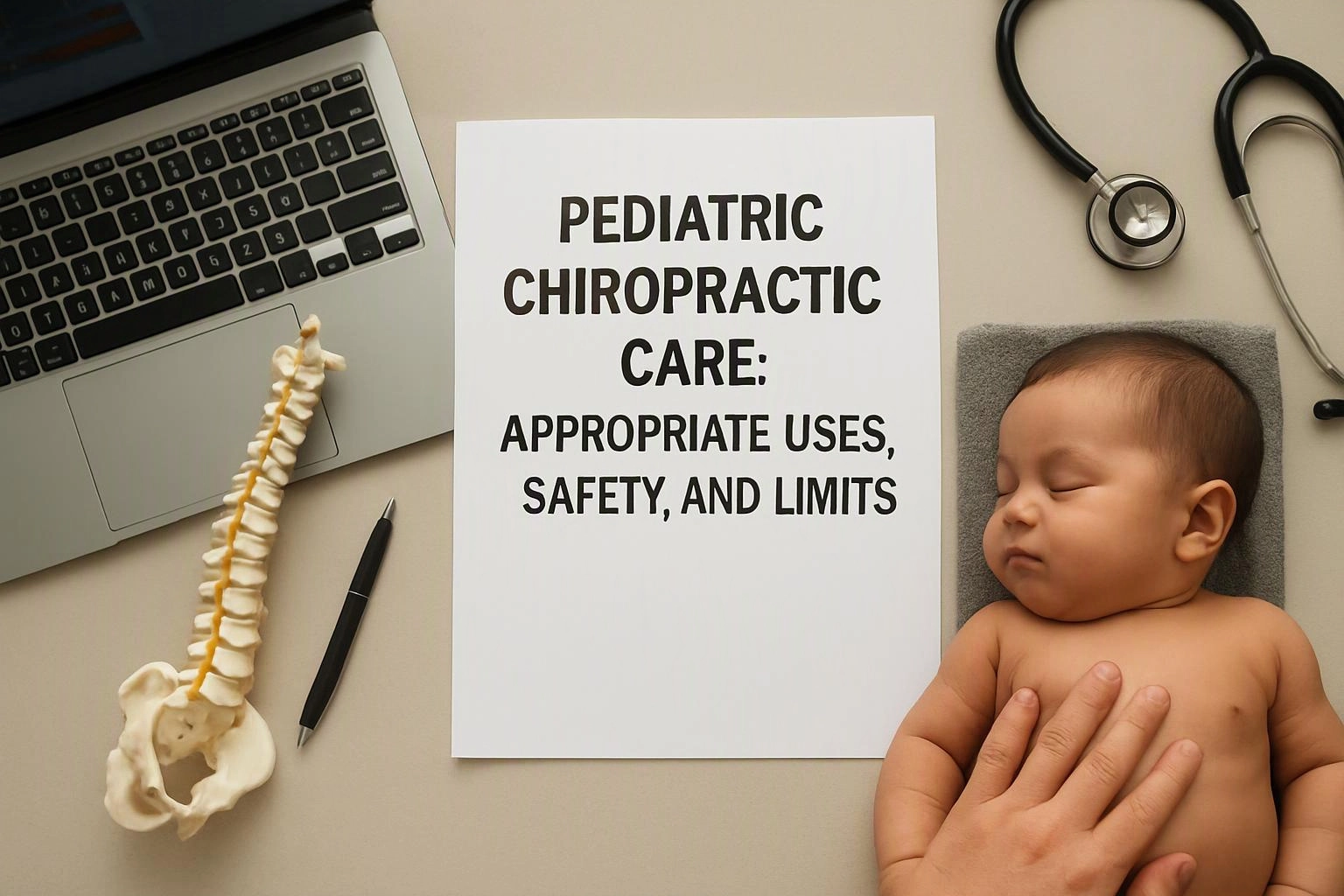
Parent involvement supports informed consent and helps the child feel comfortable. We explain what we find and what we recommend in language both the child and guardian can understand.
Care decisions should reflect the child's symptoms, health history, and comfort. We welcome questions before, during, and after the visit.
Can Chiropractic Care Treat Colic or Ear Infections?
Chiropractic care shouldn't be presented as a proven treatment for colic or ear infections, and children with those symptoms need medical evaluation.
Infant colic and an ear infection can have causes that require a pediatrician's assessment. A medical diagnosis should guide medical treatment for those conditions.
We don't use a musculoskeletal examination to replace medical care. Parents should seek medical guidance when a child has symptoms linked to illness or infection.
When Should a Child See a Medical Doctor First?
A child should receive medical evaluation first when symptoms suggest illness, serious injury, or a condition outside chiropractic care.
Parents should seek prompt medical attention for these red flags:
We pause chiropractic care when the symptoms call for medical evaluation. A medical referral helps the child receive the right assessment without delay.
How Advanced Injury Care Clinic Sets Safe Limits for Pediatric Chiropractic Care
Advanced Injury Care Clinic sets safe limits by reviewing the child's history, examining the presenting concern, explaining options, and referring out when chiropractic care isn't suitable.
Our clinical screening looks at the child's symptoms, development, movement, and health history. We use an age-appropriate examination before discussing any gentle technique.
We explain care boundaries and evidence limits in plain language. We also coordinate with the pediatrician when medical information or referral decisions affect the child's care.
Parent communication remains part of every decision. Our goal is a focused plan that matches the child's needs, comfort, and safety.
What Should Parents Ask Before Choosing Pediatric Chiropractic Care?
Parents should ask how the proposed care fits the child's symptoms, health history, and treatment goals.
Clear answers help families set evidence-based expectations. They also make it easier to recognize when treatment limits have been reached.
Questions About Choosing Pediatric Chiropractic Care
What age can a child see a chiropractor?
Children of different ages may be considered for care when the examination supports it. Advanced Injury Care Clinic adjusts the screening and techniques to the child's development, size, health history, and comfort.
Can a child see a chiropractor after a sports injury?
A child may be considered for chiropractic care after a sports injury when screening shows a suitable musculoskeletal concern. We refer for medical evaluation first when trauma causes severe pain, major swelling, neurologic symptoms, or loss of function.
What should parents bring to a child's chiropractic visit?
Parents should bring relevant health history, medical information, current medicine details, and questions about the child's symptoms. Information about a recent injury can also help us complete a careful examination.
Can chiropractic care replace a pediatrician's care?
No, pediatric chiropractic care can't replace a pediatrician's care. Chiropractic care focuses on selected musculoskeletal concerns, while a pediatrician evaluates illnesses, infections, and broader health needs.
What symptoms mean a child should not receive chiropractic care?
Fever, severe pain, breathing problems, neurologic symptoms, or serious trauma should prompt medical evaluation before chiropractic care. We also pause care when the child's symptoms don't fit a musculoskeletal concern.
When you have questions about a child's symptoms or care options, Advanced Injury Care Clinic can review the concern and explain the next step.
Contact Advanced Injury Care Clinic for a careful discussion of age-appropriate evaluation and treatment limits.