Understanding Electrical Muscle Stimulation
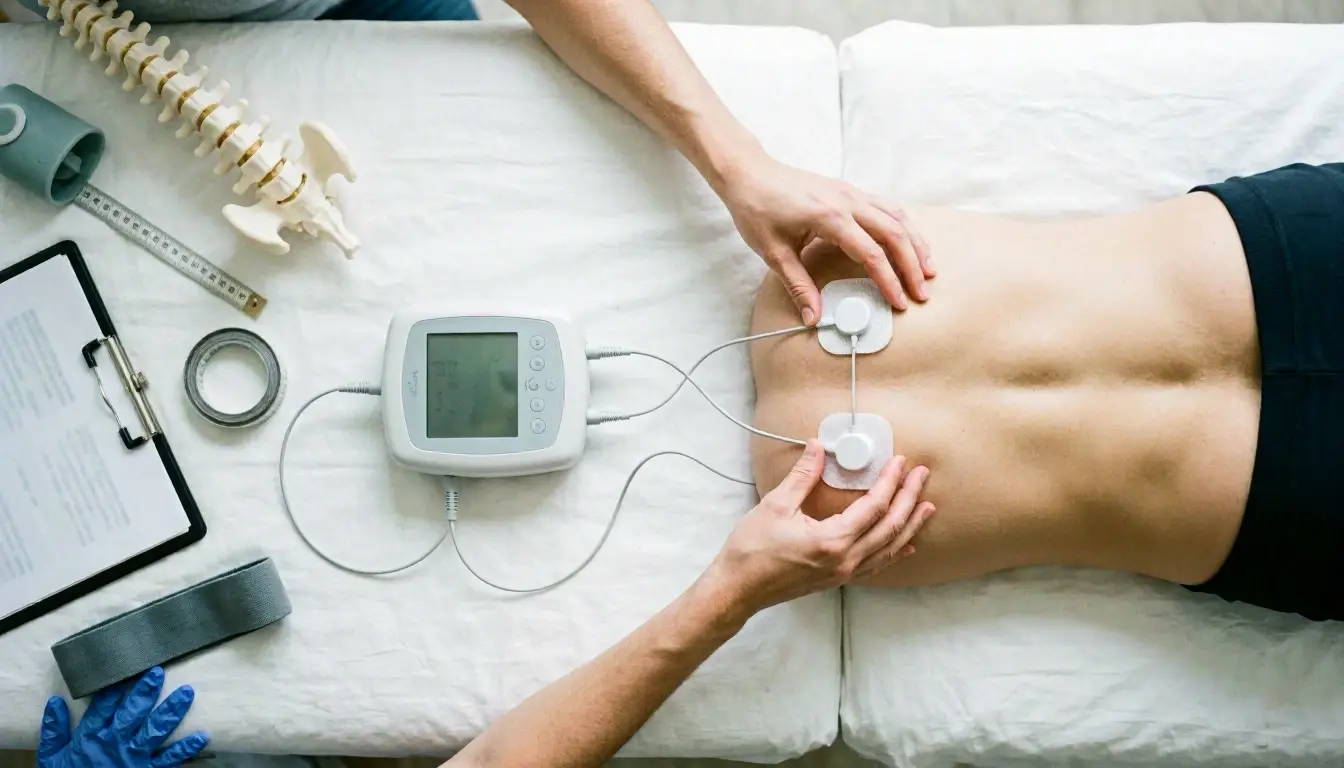
EMS (Electrical Muscle Stimulation) is safe. It sends small electrical pulses to muscles. These pulses go through pads on the skin.
Related glossary terms: Chiropractic Care, Soft Tissue Therapy, Neuromuscular Reeducation.
The pulses act like brain signals. They make muscles contract and relax. This happens without moving joints.
EMS helps people heal from injuries or surgeries. It works on certain muscles. It doesn't stress joints or tendons.
Doctors use EMS in therapy and sports medicine. Chiropractors use it too. It helps people who can't move well.
Pain, injury. Or sickness may limit movement. EMS keeps muscles working. It stops muscles from getting weak or small.
EMS isn't a replacement for exercise. It helps muscles stay active. This is good when moving hurts.
How Electrical Muscle Stimulation Works?
A provider puts sticky pads on the skin. The pads go over the muscle that needs help. They connect to a small device.
The device sends controlled electrical pulses. The provider can change the strength and time. This fits the patient's needs.
Low pulses help with pain. Higher pulses make muscles stronger. They also help muscles last longer.
The device sends pulses through the pads. This wakes up the nerves in the muscle. The muscle contracts like during exercise.
The contractions boost blood flow. This can lower swelling. It also helps remove waste and bring in nutrients.
Sessions last 10 to 30 minutes. Time depends on goals and comfort. The patient can handle only so much.
Why Electrical Muscle Stimulation Matters?
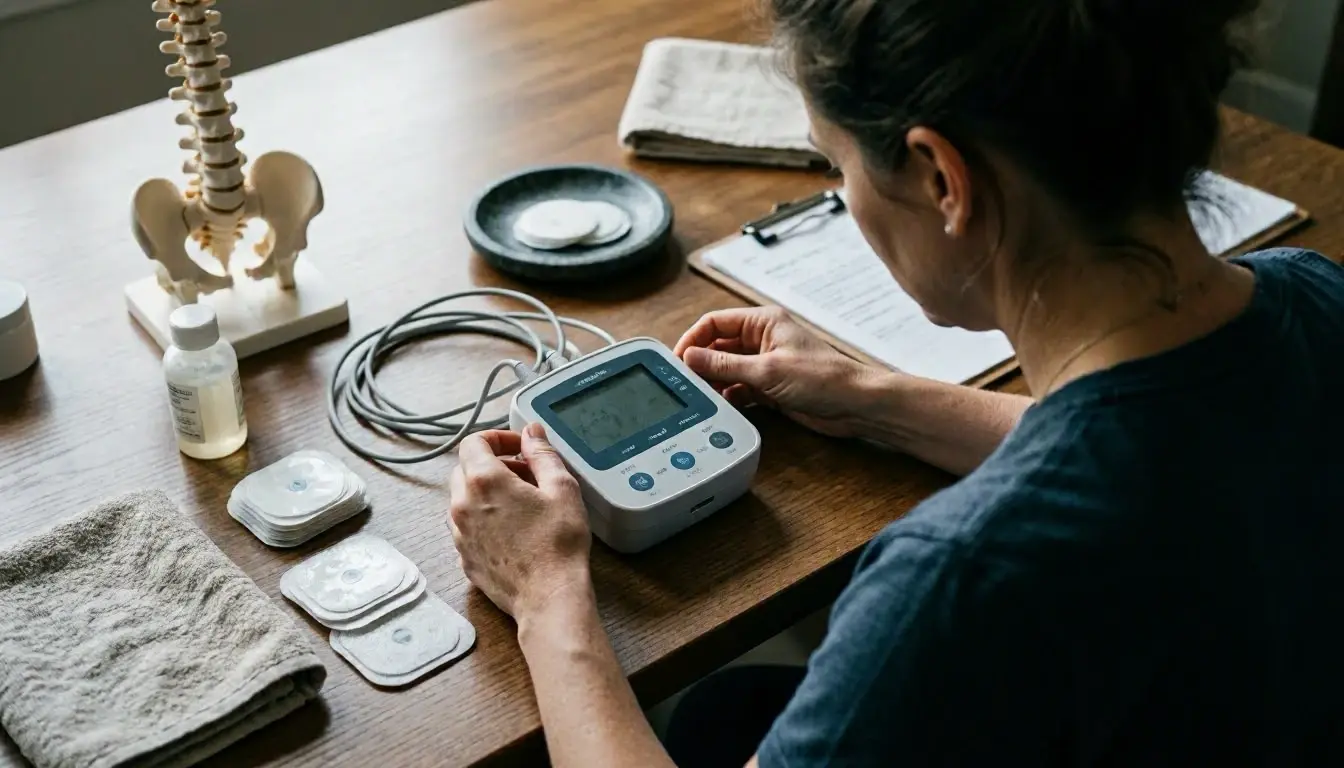
EMS helps manage pain without drugs. This is good for people who don't want medicine. It also speeds up healing.
It improves blood flow. It reduces muscle spasms. These cause pain and stiffness.
Athletes use EMS too. It keeps muscles strong when resting. This happens after injury or surgery.
EMS also retrains muscles. This is called neuromuscular reeducation. It helps muscles work right again.
It strengthens the link between nerves and muscles. This helps after injury or sickness. Examples are stroke or spinal cord issues.
EMS is useful after surgery too. It helps patients regain muscle control. This makes recovery smoother.
When Electrical Muscle Stimulation Matters Most?
EMS works best for weak or injured muscles. It helps muscles not used enough. Common uses are after sports injuries or car accidents.
It aids recovery from surgeries. It helps with back pain and arthritis. It fixes muscle imbalances too.
People who can't exercise may use EMS. This includes severe joint pain or nerve damage. EMS keeps their muscles healthy.
Chiropractors use EMS with adjustments. It helps relax tight muscles. This makes treatments work better.
EMS can loosen muscles before an adjustment. It can also help after. This gives longer relief.
But EMS isn't for everyone. People with pacemakers can't use it. Neither can those with some heart issues or open wounds.