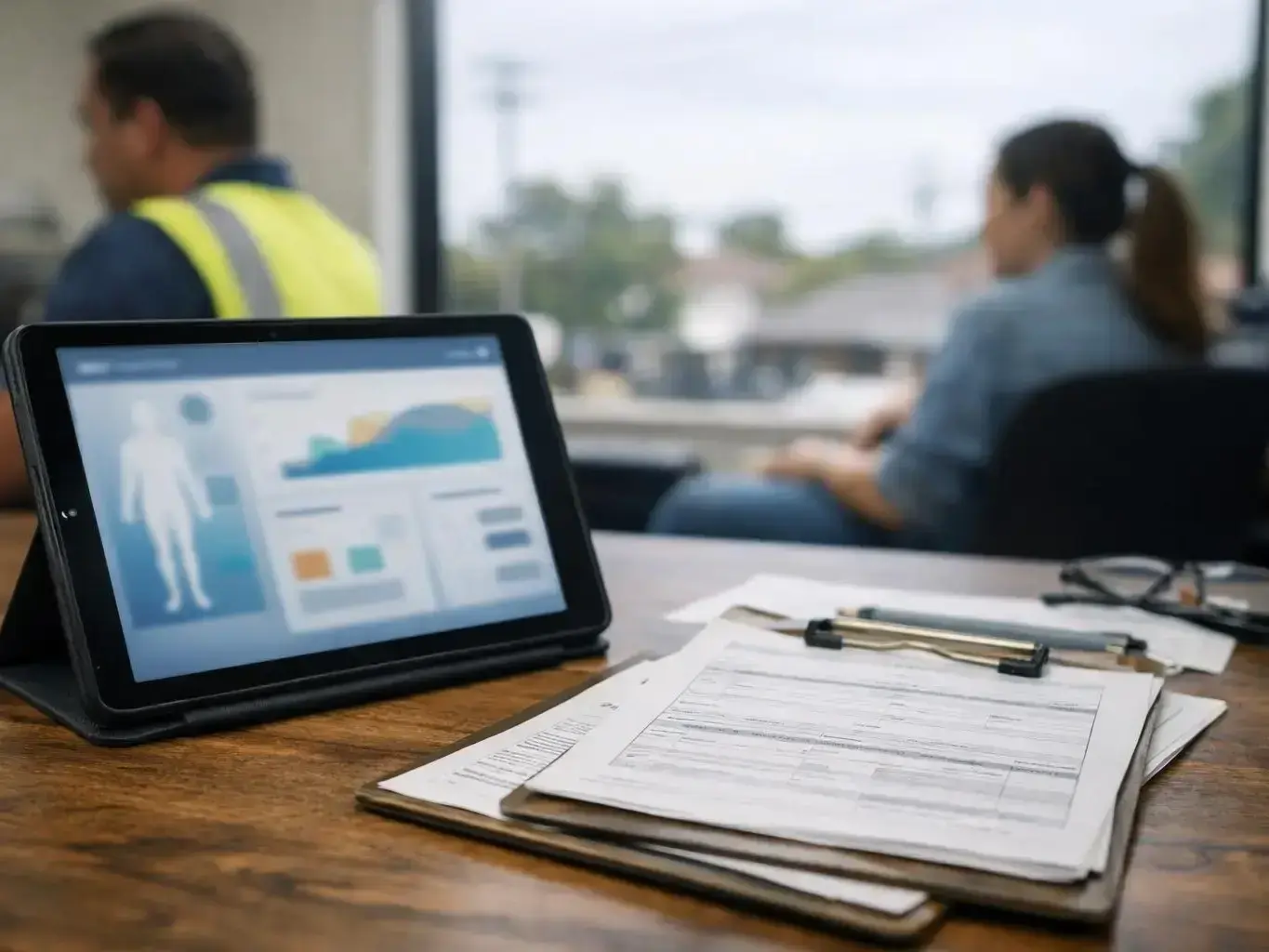
Understanding Neuromuscular Reeducation
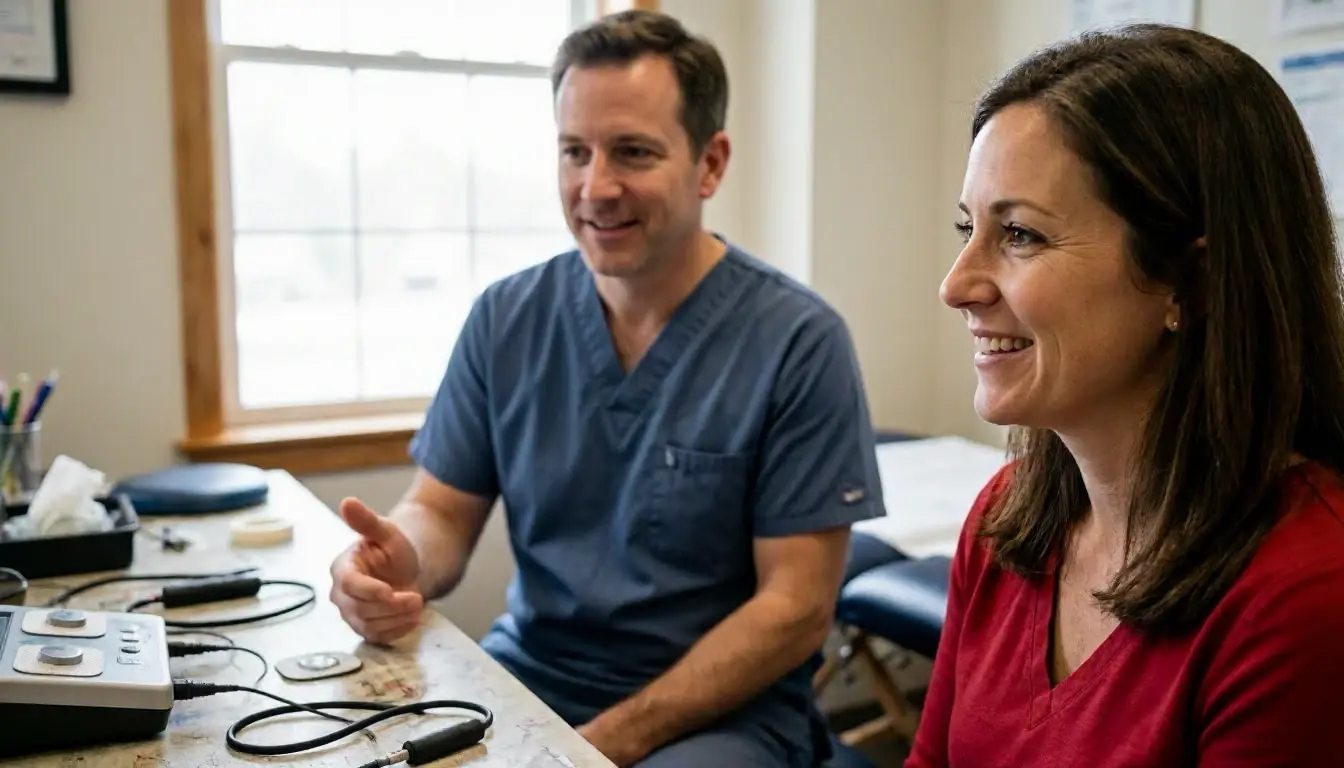
Neuromuscular reeducation helps nerves and muscles work together. It fixes problems after injury or long rest. This keeps muscles strong and movements smooth.
It's not just about making muscles stronger. It teaches the brain and nerves to talk to muscles right. This helps movements feel easy and natural again.
After a knee injury, muscles may not work as they should. This can cause limping or feeling unsteady. Neuromuscular reeducation trains muscles to work in order again.
This makes the joint more stable. It also lowers stress on the knee.
How Neuromuscular Reeducation Works?
The process starts with a check-up. A provider watches how you walk or move. They look for movements that hurt or don't work well.
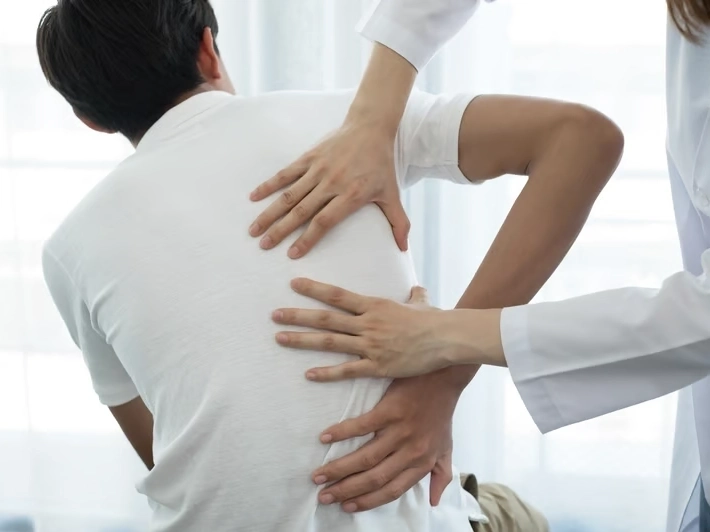
The provider may be a chiropractor or physical therapist. They check for muscle issues. They see if nerves send signals the right way.
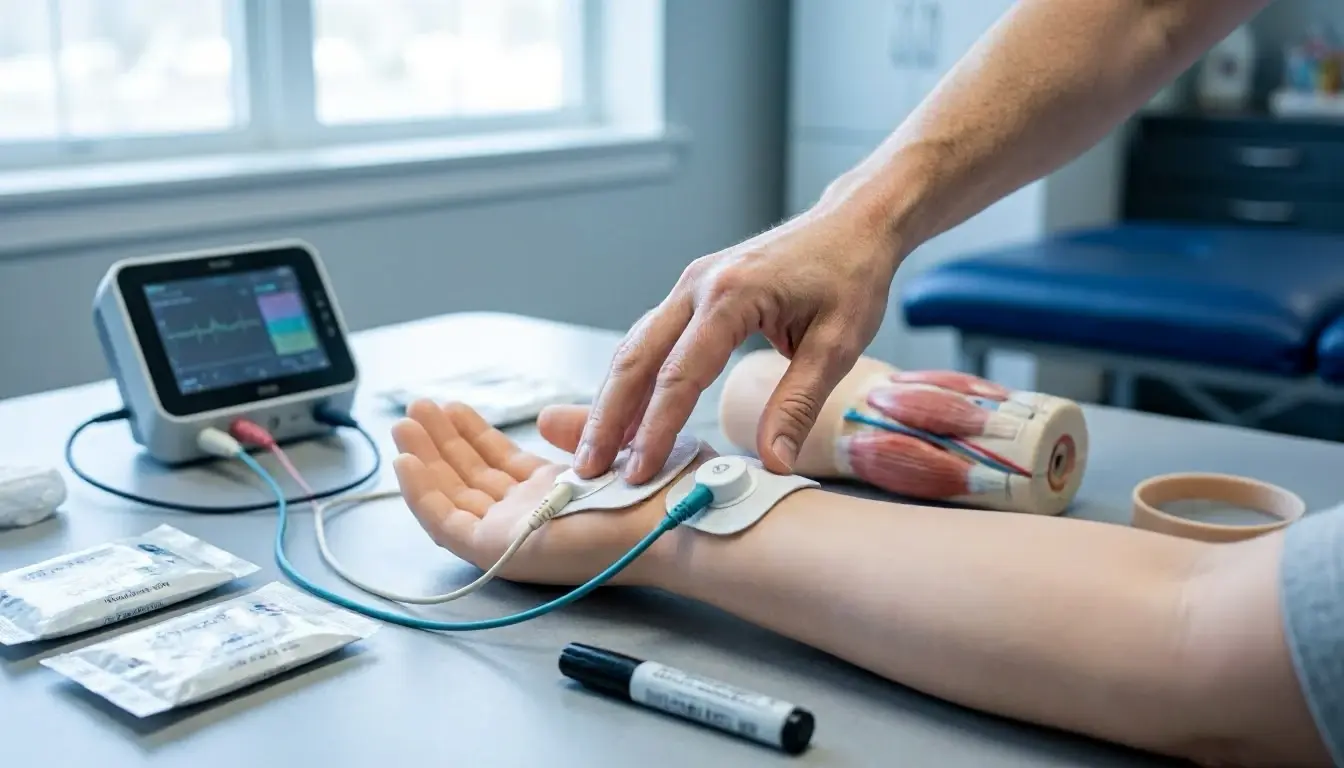
Treatment mixes hands-on work and exercises. Manual therapy (hands-on treatment) gets muscles ready. It helps nerves and muscles move better.
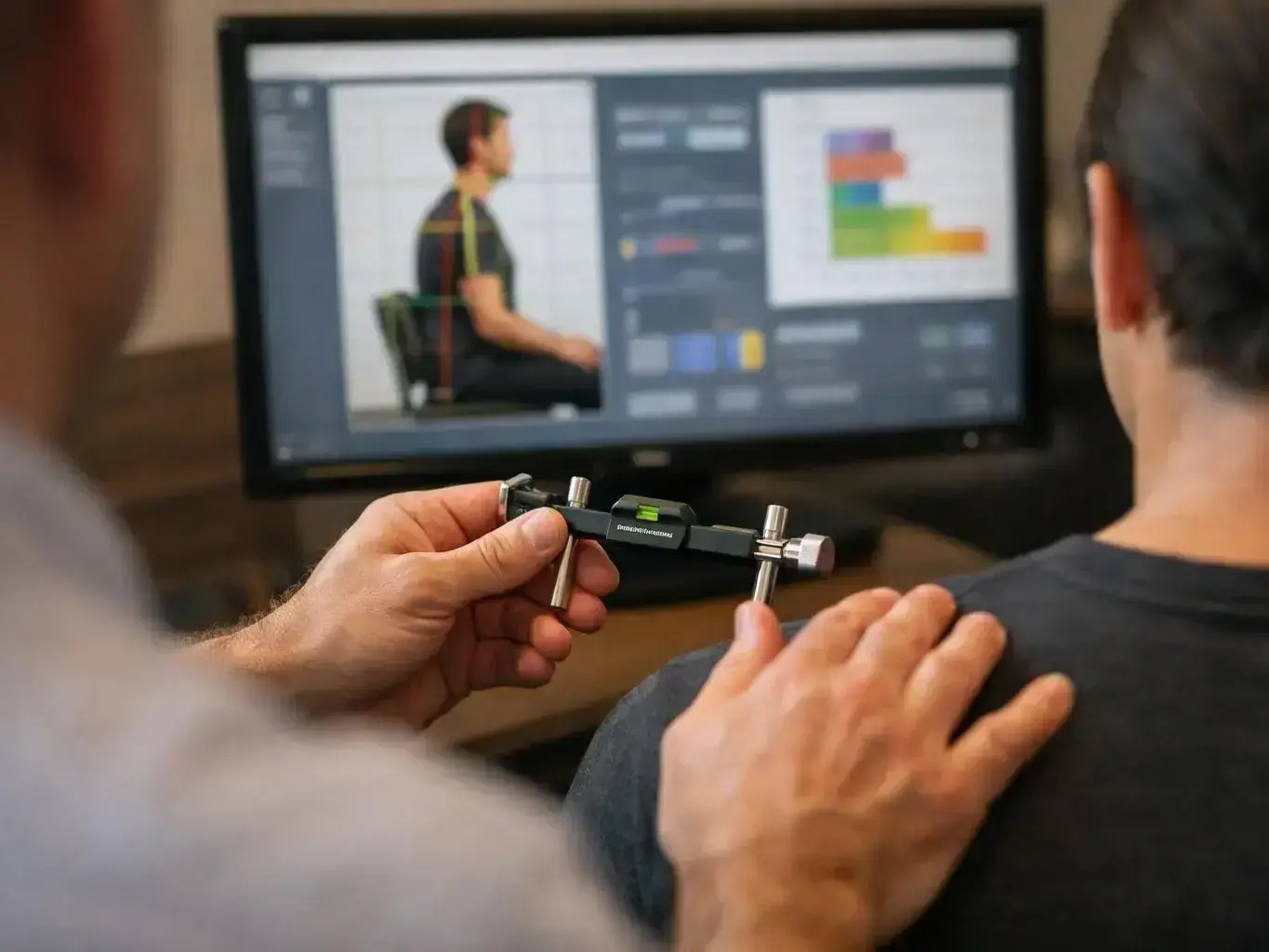
Exercises fit each person's needs. They help with balance and muscle work. Tools like mirrors give feedback right away.
For example, someone with a shoulder injury practices arm moves. The provider gives tips or touches the arm lightly. This helps the brain learn the right moves.
Over time, nerves and muscles work better together. The risk of getting hurt again goes down. Practice is key to making new habits stick.
Why Neuromuscular Reeducation Matters?
Bad movement habits can cause long-term pain. They stress joints and raise injury risk. Neuromuscular reeducation fixes the real problem.
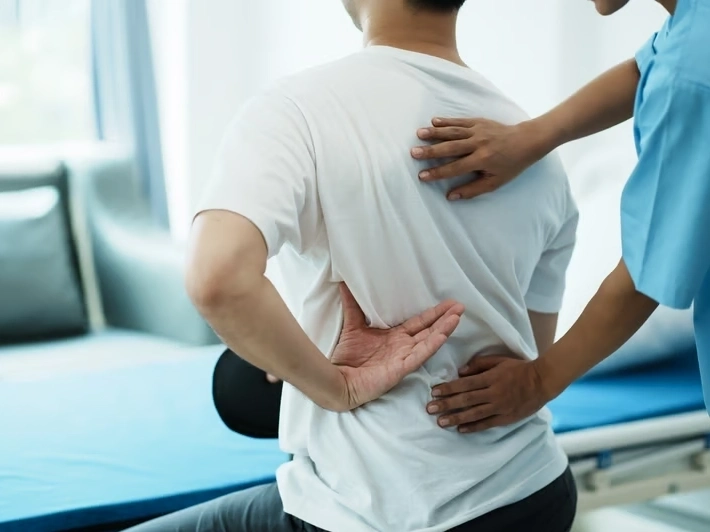
It doesn't just hide the pain. Someone with back pain may move in ways that hurt other muscles. This can make pain worse over time.
Retraining muscles and nerves helps them work as a team. This lowers pain. It also makes moving easier and safer.
Athletes, workers. And older adults all benefit. Athletes heal safer and play better. Workers go back to jobs with less risk.
Older adults get better balance. This helps them avoid falls. Everyone moves better and feels more independent.
When Neuromuscular Reeducation Matters Most?
Neuromuscular reeducation helps when movement changes. This happens after injury, surgery. Or long rest. It's key for many health issues.
It helps after sports injuries. It works for knee or shoulder surgery recovery. It also helps with back or neck pain.
Some brain issues affect muscle control. These include stroke or MS (multiple sclerosis). This method can help with those too.
In Brentwood Estates, TN, many people stay active. Jobs can be hard on the body. Neuromuscular reeducation helps locals heal and get back to life.
It helps after car accidents or work injuries. It also helps after sports strains. This method fixes problems before they last too long.
Starting early is best. It stops bad habits from sticking. This makes fixing them easier later on.