Dry Needling: What It Is and How It Differs from Acupuncture
Dry needling targets muscle and movement problems, while acupuncture follows a traditional Chinese medicine approach. Advanced Injury Care Clinic uses dry needling as part of care when it fits the patient's goals and condition.
Request an EstimateWhat Is Dry Needling?
Dry needling is a needling treatment that targets muscle and connective tissue to address pain, tightness, and movement problems.
We use thin needles to reach selected areas linked with muscle pain or movement restriction. These areas may include trigger points, which are tender or tight spots within a muscle.
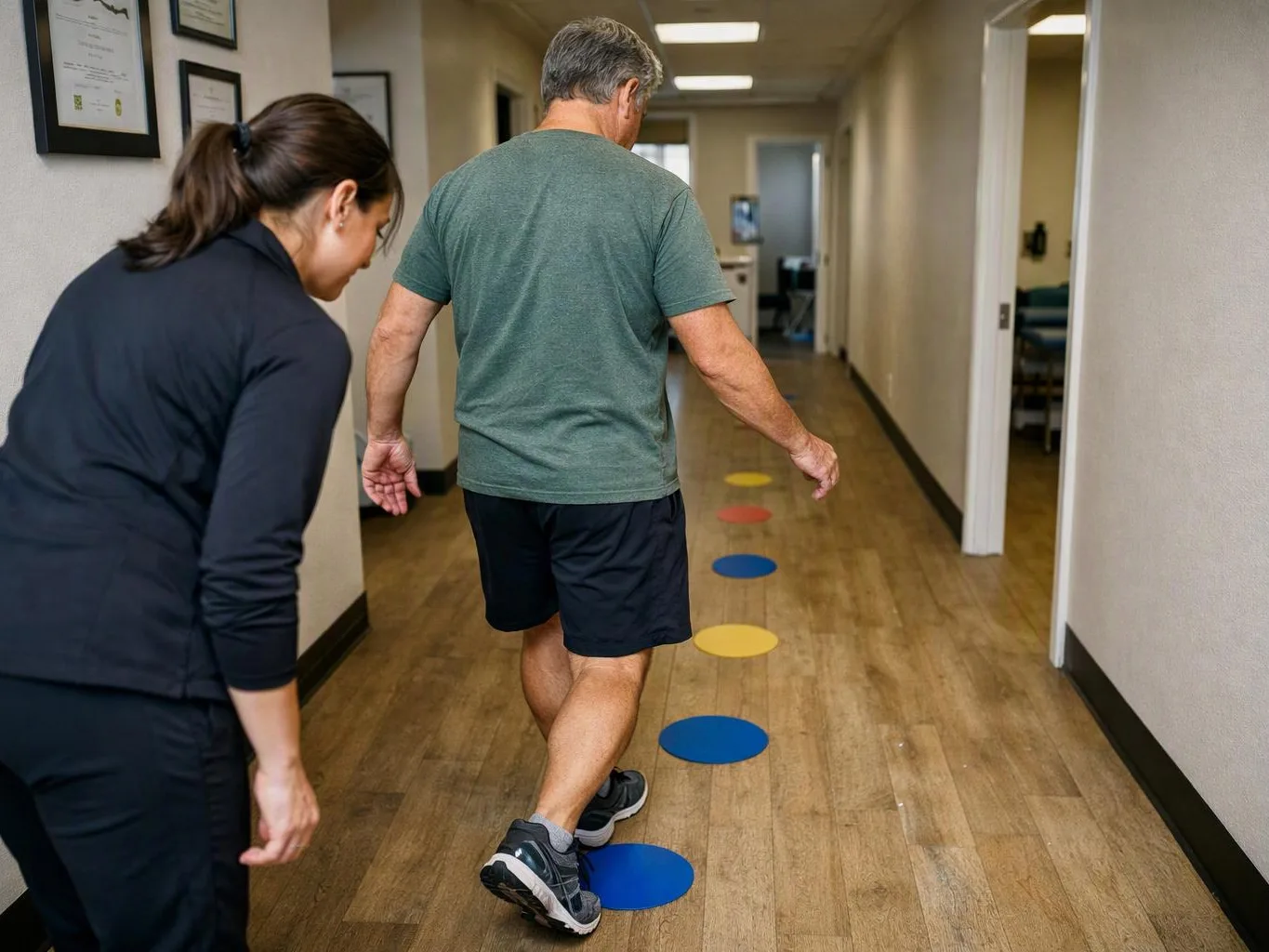
Dry needling is part of broader musculoskeletal treatment. We may use it with movement care when the assessment shows that muscle tension is affecting comfort or function.
Our Dry Needling care is planned around your symptoms, movement, and recovery goals.
What Is the Difference Between Dry Needling and Acupuncture?
Dry needling and acupuncture both use thin needles, but dry needling focuses on musculoskeletal problems while acupuncture follows traditional Chinese medicine principles.
The main difference involves the treatment goal, assessment method, and needle placement. The table below shows how the approaches compare.
| Feature | Dry needling | Acupuncture |
|---|---|---|
| Main framework | Musculoskeletal care | Traditional Chinese medicine |
| Common focus | Muscle pain, tightness, trigger points, and movement limits | Whole-person care based on traditional Chinese medicine principles |
| Needle placement | Often selected near affected muscles or trigger points | Selected according to the acupuncture treatment approach |
| Treatment goals | Support pain relief, mobility, and muscle function | Support health goals within a traditional Chinese medicine framework |
Both approaches require careful assessment and patient communication. We focus on whether dry needling fits the musculoskeletal problem being addressed.
What Conditions Can Dry Needling Address?
Dry needling can support care for muscle pain, tightness, trigger points, and movement limits linked to musculoskeletal conditions.
We consider the full movement problem, not just one sore spot. Dry needling may fit care for:
These conditions can have different causes, so dry needling isn't automatically right for every person. We use pain assessment and movement findings to guide the treatment plan.
Does Dry Needling Hurt?
Dry needling can cause a brief prick, pressure, or muscle twitch, and some people have short-lived soreness afterward.
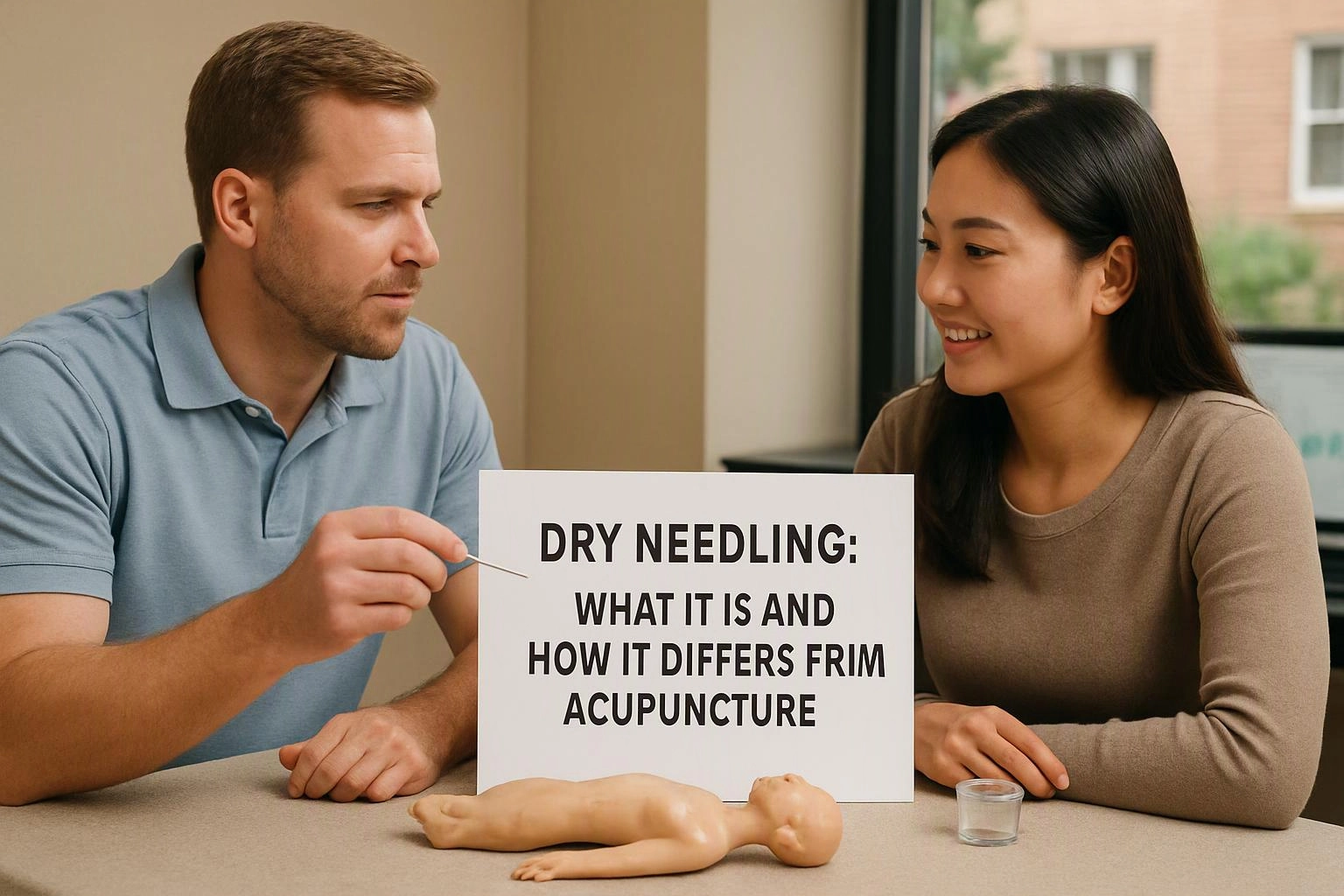
The needle sensation varies by treatment area and personal sensitivity. A muscle twitch response can occur when the needle reaches a responsive trigger point.
We explain each step and check your patient comfort during care. Our safety screening also helps us identify situations where treatment should be changed or avoided.
Tell us if you feel sharp, unusual, or worsening discomfort. We can pause, adjust the approach, or discuss another care option.
How We Decide Whether Dry Needling Fits Your Care
We decide whether dry needling fits by reviewing your symptoms, health history, movement, and treatment goals.
At Advanced Injury Care Clinic, our team uses a clear process before recommending a dry needling plan:
This process connects the needle treatment with the larger plan for mobility, strength, and daily function.
Can Dry Needling Be Combined With Exercise or Manual Care?
Yes, dry needling can be combined with exercise and manual care when the combined plan supports the patient's movement and recovery goals.
Needling may address muscle sensitivity or tightness, while therapeutic exercise builds strength and control. Manual care may support mobility and help prepare the body for movement retraining.
We select the combination based on your symptoms and movement assessment. The plan can change as your comfort, mobility, and function improve.
Other care options may also be discussed when they better match your needs. For example, Chiropractic Adjustments: Techniques, Benefits, and What to Expect may be relevant when joint movement is part of the concern.
What Should You Know Before Choosing Dry Needling?
Dry needling requires a health and safety review before treatment, including discussion of medical conditions, medicines, and personal concerns.
Tell our team about your medical history and medication use. We also need to know about bleeding risk, skin infection, pregnancy, or concerns about needles.
We use this safety screening to decide whether dry needling is suitable. We may change the plan or discuss treatment alternatives when needed.
Informed consent means you understand the proposed care, expected sensations, possible soreness, and available choices. You can ask questions before treatment and share concerns during care.
Questions About Dry Needling and Acupuncture
Is dry needling the same as acupuncture?
No, dry needling and acupuncture aren't the same treatment approach. Advanced Injury Care Clinic uses dry needling for selected musculoskeletal concerns, while acupuncture follows traditional Chinese medicine principles.
Can dry needling help with muscle knots?
Yes, dry needling may help when a muscle knot reflects a trigger point or related muscle tightness. We first assess the area and connect treatment with your movement goals.
Can you have dry needling if you are afraid of needles?
Yes, fear of needles doesn't automatically rule out dry needling. Tell us about your concern so we can discuss comfort, consent, and other treatment options before proceeding.
What should you do after dry needling?
After dry needling, follow the movement and self-care guidance we provide for your treatment plan. Tell us about unusual or worsening symptoms so we can review your response.
Who should not receive dry needling?
People with certain health conditions, medication concerns, skin infections, bleeding risks, or pregnancy may need another plan. Advanced Injury Care Clinic reviews your health history and safety concerns before recommending treatment.
Contact Advanced Injury Care Clinic to discuss your symptoms, movement goals, and available care options.